

Executive Overview
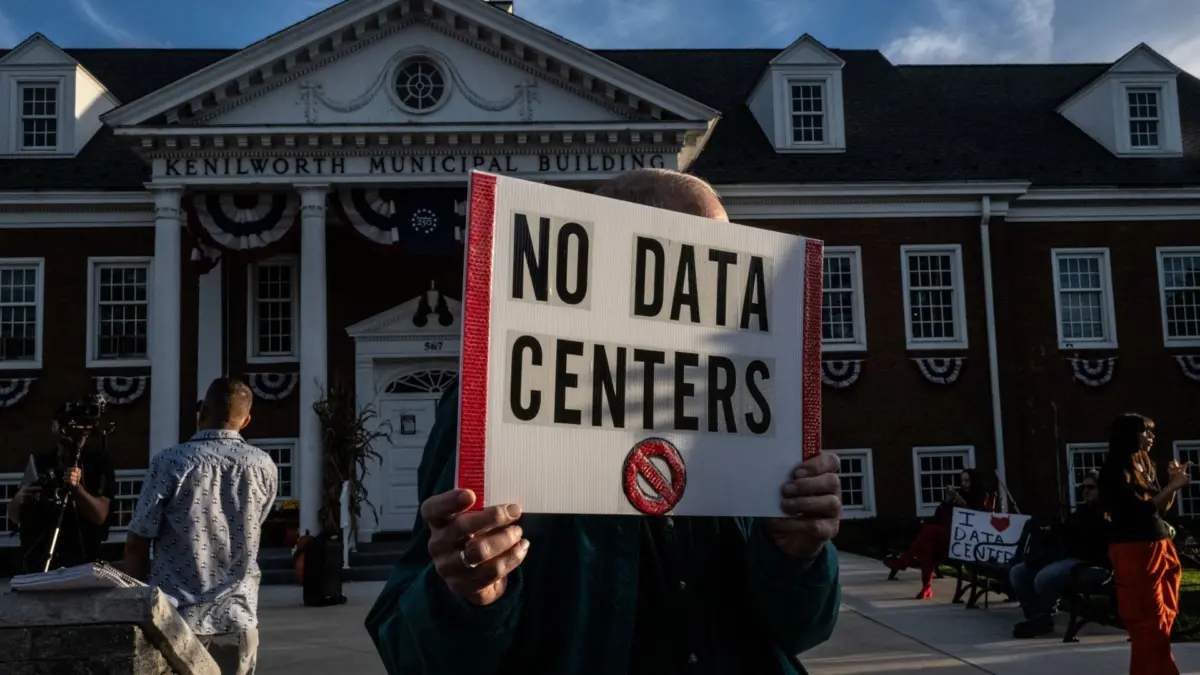
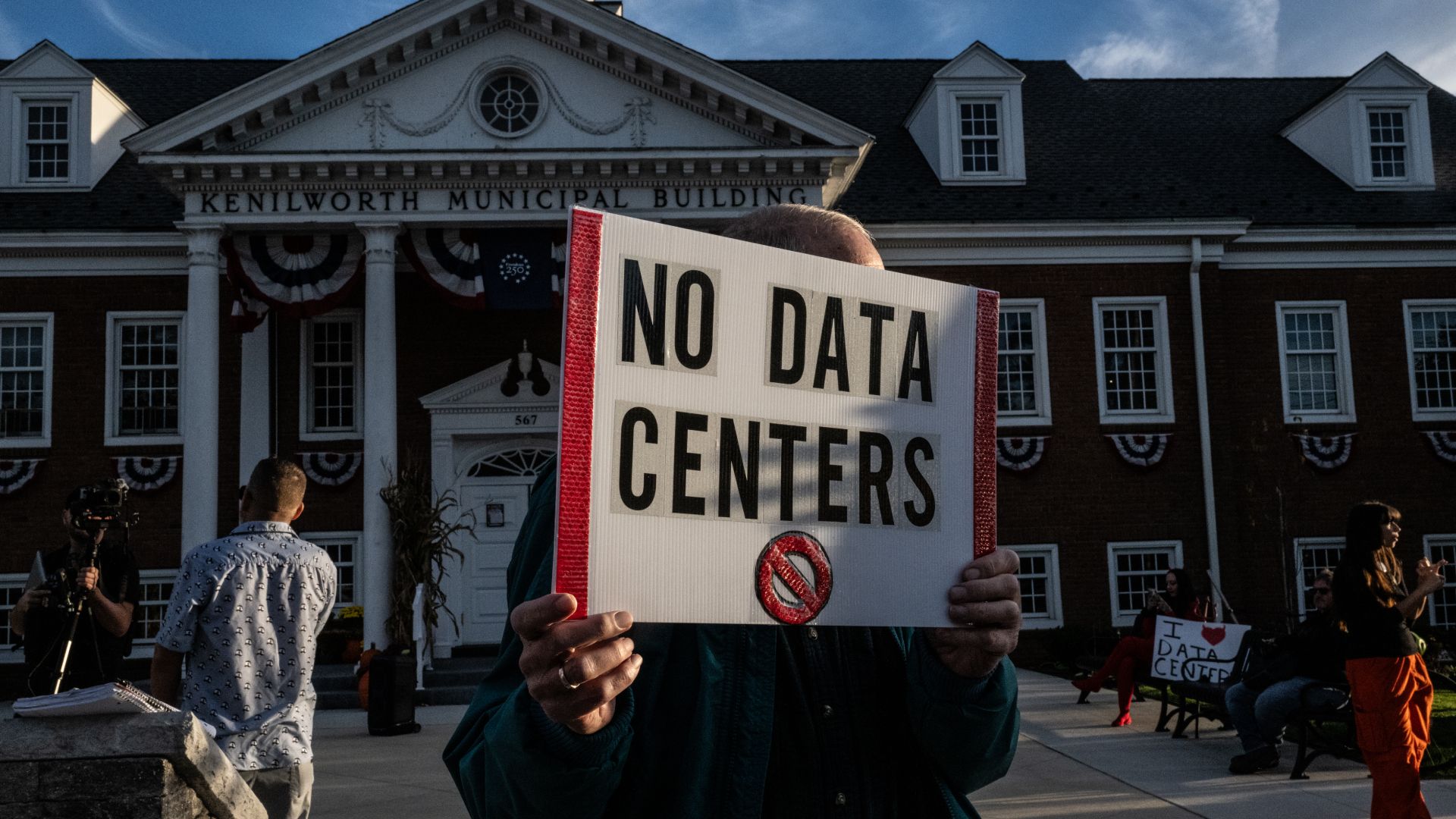
While the national headlines coming out of the midterm elections focused predominantly on a sweeping wave of generational Democratic victories and a powerful electoral rejection of Trumpism across federal and state races, a quieter, equally consequential revolution was playing out at the hyper-local level. In towns, townships, and municipalities across the United States, voters turned out in droves not just to cast ballots for Congress, but to issue a stinging, unmistakable rebuke to the juggernaut of the modern technological age: the rapid, largely unchecked construction of artificial intelligence data centers.
As tracked by monitors like Data Centers on the Ballot, Tuesday’s midterm elections featured 47 local ballot measures specifically addressing data center expansion, zoning, and moratoriums. The results were nothing short of a landslide against Big Tech’s physical footprint. Voters overwhelmingly favored restrictions, halts, or strict oversight on data center construction in 38 of the 39 completed counts. Among the eight races still uncalled at the time of reporting, communities leaning toward additional regulatory hurdles held leads in every single partially reported race.
This grassroots uprising demonstrates that the staggering energy, environmental, and infrastructural demands of the artificial intelligence boom have collided violently with the daily realities of local communities. For years, tech giants and municipal leaders welcomed data centers as clean, high-tech economic engines. By late 2026, however, millions of Americans view these sprawling server farms as ravenous consumers of local power grids, sources of relentless industrial noise, and drivers of environmental strain. The midterms proved that when given a direct voice at the ballot box, citizens are drawing a hard line against the unbridled physical expansion of the AI economy.
Detailed Chronology: From Silicon Valley Dreams to Main Street Pushback
The friction between local communities and the tech industry did not materialize overnight. The roots of the 2026 electoral backlash stretch back across several years of exponential, unchecked growth driven by the generative AI gold rush.
The GenAI Gold Rush and the Land Grab (2023–2024)
Following the explosive public debut of advanced generative artificial intelligence models in late 2022 and 2023, technology conglomerates—including hyperscalers like Microsoft, Google, Amazon, and specialized infrastructure providers like CoreWeave—embarked on a historic real estate and infrastructure land grab. Seeking locations with cheap land, accessible water for cooling, and proximity to major power grids, these corporations targeted not just major tech hubs, but quiet suburban and rural communities across states like Virginia, Ohio, Texas, and New Jersey.
Initially, local governments often rolled out the red carpet. Promising robust tax revenues and job creation during construction phases, municipalities frequently fast-tracked zoning variances and environmental reviews.
The Turning Point and Local Organizing (2025)
By 2025, the honeymoon phase had soured. Residents living adjacent to newly minted or rapidly expanding facilities began experiencing the day-to-day realities of living next door to the digital age’s heavy industry. Communities reported a relentless, low-frequency hum emanating from massive banks of cooling fans operating 24/7. More alarming were the immediate threats to local utilities: massive spikes in electricity demand threatened regional grid stability, while proposed expansions raised red flags regarding water depletion and wastewater disposal.
Grassroots advocacy groups swiftly mobilized. Neighborhood coalitions, environmental watchdogs, and fiscal conservatives—traditionally at odds on many issues—found common ground in opposing the secretive approval processes often used by local zoning boards to wave projects through. Legal challenges, town hall protests, and coordinated petition drives began forcing local governments to put the breaks on new permits.
The Ballot Box Showdown (November 2026)
Recognizing that local councils were often susceptible to corporate lobbying or financial coercion, citizen groups pushed to take the matter directly to the electorate. The result was a historic concentration of local ballot initiatives in the November 2026 midterms.
On election day, voters across the country seized the opportunity to codify their resistance. Out of 47 localized measures addressing data centers, 39 races saw completed counts, with 38 overwhelmingly passing restrictive measures. The lone exception occurred in Harwood, North Dakota, where voters narrowly rejected a city charter amendment that would have mandated independent reviews before new approvals. In every other jurisdiction, from the suburban sprawl of the Northeast to the expanding tech corridors of the Midwest, the message was uniform: slow down, regulate, or stop entirely.
Supporting Context & Metrics: The Scale of the Backlash
To truly understand the depth of the 2026 anti-data center sentiment, one must examine the intersection of national polling data and local electoral metrics.
Exit Poll Insights: A Defining Electoral Issue
According to comprehensive NBC exit polls conducted during the midterms, a striking 56% of voters considered the rapid proliferation of AI data centers either "crucial" or "a major factor" in determining their vote—not only for local and state propositions, but also when casting ballots for their congressional representatives. This places data center policy squarely alongside traditional economic concerns, inflation, and healthcare as a primary driver of voter behavior.
Breakdown of Voter Concerns
Voters driving this movement are motivated by a convergence of tangible grievances:
- Energy Grid Strain and Rising Utility Bills: Massive AI model training facilities require megawatts of power equivalent to small cities. Residents voiced acute anxiety over footing the bill—both literally, through rising household electricity rates, and figuratively, through the risk of rolling blackouts.
- Environmental and Resource Toll: Water usage for cooling towers became a lightning rod issue, particularly in regions facing historical drought conditions or constrained municipal water supplies.
- Noise and Aesthetic Pollution: The industrial footprint of windowless, multi-acre concrete fortresses surrounded by substations fundamentally altered the character of semi-rural and suburban neighborhoods. Residents frequently cited the inescapable acoustic footprint of industrial cooling systems as a severe quality-of-life degradation.
- The Hardware Crunch: While less direct, economists note that the voracious global demand for specialized hardware—from high-end GPUs to the skyrocketing cost of system RAM—has created downstream economic anxieties that feed into public skepticism regarding the tech sector’s unchecked expansion.
Electoral Metrics at a Glance
- Total Targeted Municipalities: 47 local midterm elections featured explicit data center ballot measures.
- Completed Counts: 39 races concluded on election night.
- Success Rate for Restrictions: 38 out of 39 completed races successfully passed measures to halt, slow, or restrict data center expansion.
- Pending Races: 8 races remained open, with restrictive measures leading in all 6 partially reported districts. Only one measure—in Harwood, North Dakota—failed to pass.
Official Statements and Stakeholder Perspectives
The seismic shift at the ballot box has forced industry leaders, municipal officials, and community organizers into a defensive and recalibrated posture.
Marcus Vance, spokesperson for the grassroots coalition Data Centers on the Ballot, issued a statement following the election results:
"What we witnessed on Tuesday was not a series of isolated local zoning disputes; it was a national referendum. American communities have made it clear that they refuse to be treated as sacrificial sacrifice zones for Silicon Valley’s endless server expansion. Big Tech promised us the future, but delivered unmanageable utility bills, deafening noise, and environmental strain. The voters have spoken, and the era of rubber-stamping data centers is officially over."
Conversely, industry trade groups have expressed deep concern over the regulatory fragmentation threatening the technological infrastructure pipeline.
Elena Rostova, vice president of policy for the Digital Infrastructure Alliance, addressed the economic implications:
"The technological race we are in is a matter of national security and economic competitiveness. While we fully understand and respect community concerns regarding noise, energy, and resources, halting infrastructure development at the municipal level threatens to stall American leadership in artificial intelligence. We need a collaborative framework—one that addresses environmental and power concerns transparently—rather than a patchwork of municipal bans that could force critical technological development overseas."
Local municipal leaders who found themselves caught in the crossfire are now scrambling to draft comprehensive master plans that balance economic development incentives with stringent environmental safeguards, acknowledging that ignoring voter sentiment is no longer politically viable.
Future Outlook: Navigating the Post-Midterm Landscape
The definitive rejection of unmitigated data center growth during the 2026 midterms marks a permanent turning point in how technological infrastructure will be developed in the United States. The days of quiet, expedited approvals behind closed municipal doors are effectively over.
1. The Rise of Federal and State Regulatory Overhauls
With local electorates proving their willingness to weaponize the ballot box, state legislatures and federal regulators are expected to step into the vacuum. Rather than leaving the battle entirely to individual townships and cities, states will likely implement standardized statewide frameworks governing data center placement, mandatory energy offset requirements, and noise abatement standards to provide predictability for both communities and corporations.
2. Technological and Architectural Adaptation
Tech companies can no longer rely on brute-force scaling without addressing infrastructural pushback. The market will increasingly reward innovations in energy efficiency, closed-loop water cooling systems, and localized renewable energy integration. Hyperscalers will likely be forced to co-locate their data centers directly next to dedicated green energy sources—such as nuclear, geothermal, or large-scale solar farms—rather than drawing from already strained municipal grids.
3. A New Paradigm of Community Engagement
Ultimately, the 2026 midterms serve as a stark reminder that the physical manifestation of the digital world must coexist harmoniously with the communities that house it. Moving forward, successful data center deployment will require unprecedented levels of transparency, community benefit agreements, and genuine public consultation long before the first excavator breaks ground.
As the dust settles on a historic midterm cycle defined by political realignments and local activism, one reality remains absolute: the future of artificial intelligence will not be built at the expense of Main Street’s quality of life.








Belum ada komentar. Jadilah yang pertama berkomentar!