The sprawling, nearly three-decade-long legacy of Capcom’s Resident Evil franchise is entering a fascinating new frontier. Long defined by tight hallways, fixed camera angles, over-the-shoulder action, and heart-pounding survival horror, the universe that birthed Raccoon City is pivoting toward tactical, large-scale mobile strategy.
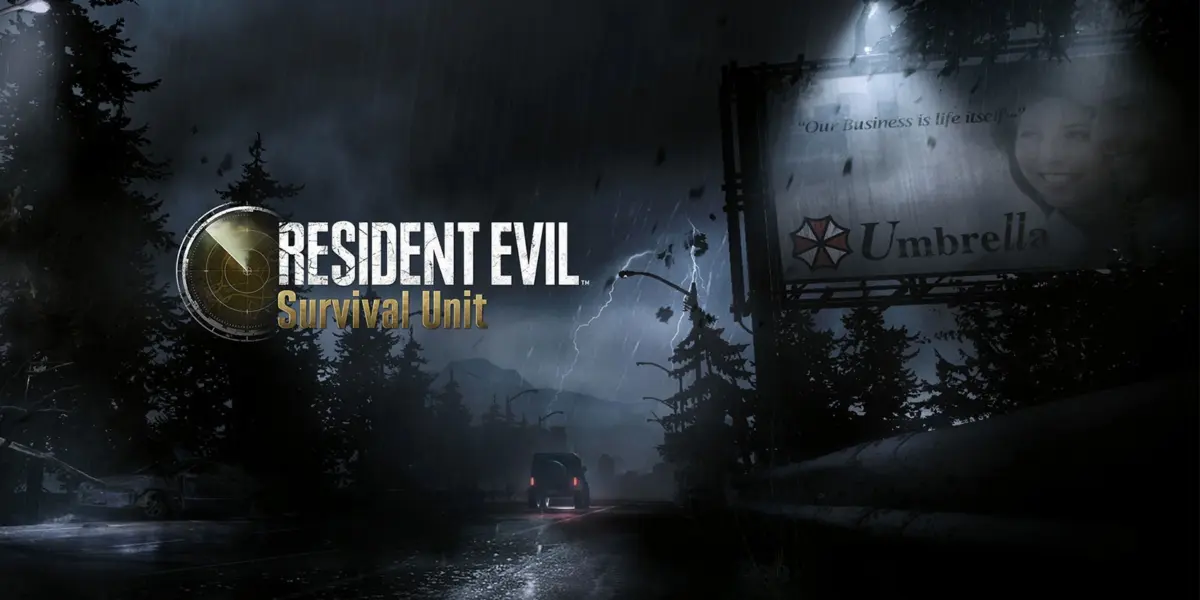
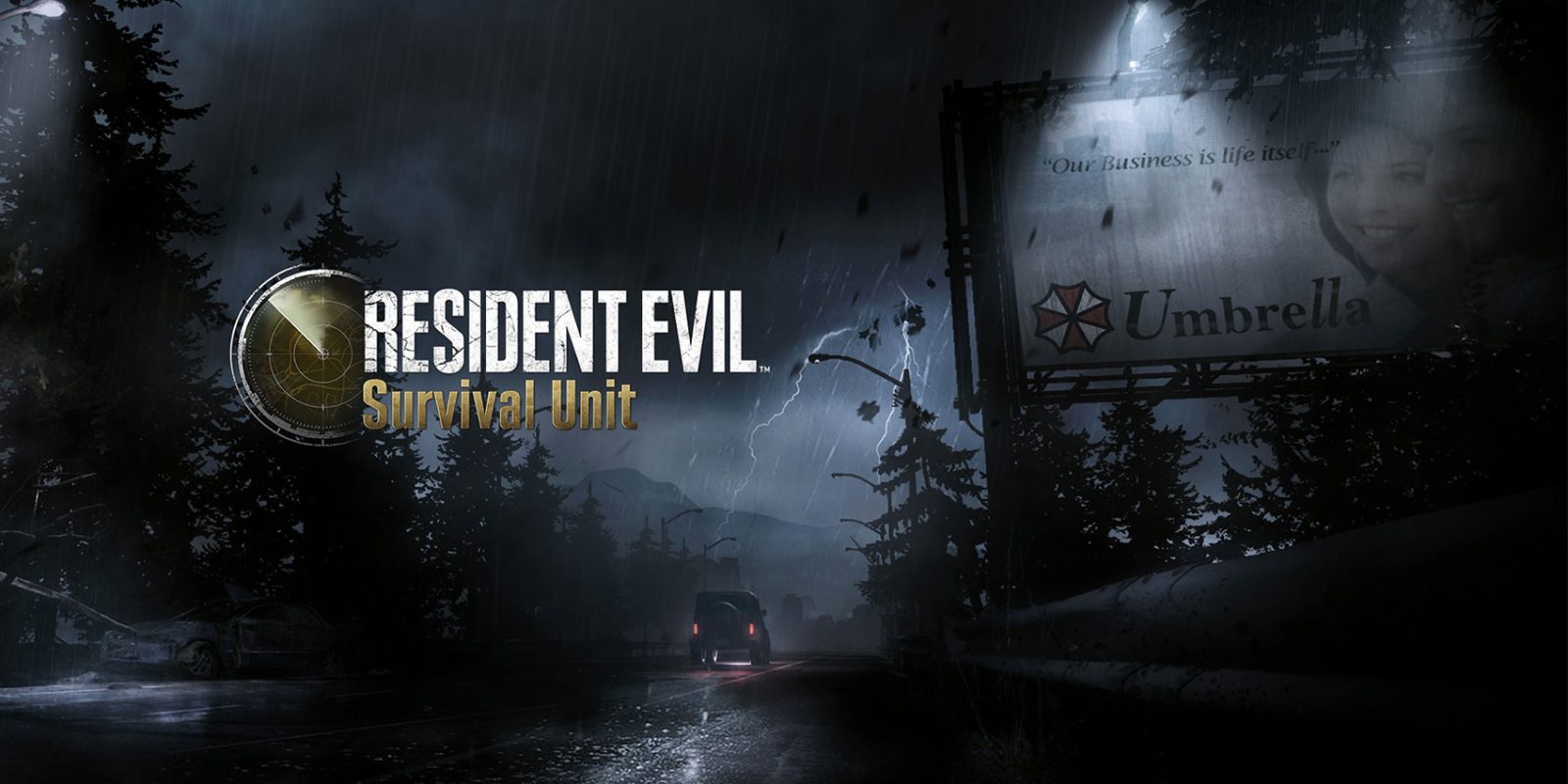
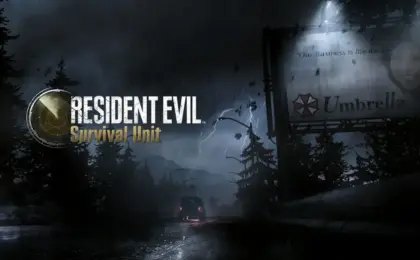
Resident Evil: Survival Unit—developed by JOYCITY and published by Aniplex Inc., a subsidiary of Sony—represents a major tonal and mechanical departure for the legendary IP. Rather than putting players directly into the blood-slicked boots of a single protagonist navigating a claustrophobic mansion or a decaying police precinct, this mobile spin-off tasks commanders with resource management, base building, tactical squad deployments, and geopolitical-style survival strategy.
Originally announced with a vague late-2025 release window, the project quickly accelerated through developer roadmaps. Following a dedicated YouTube broadcast event featuring key industry veterans, the title materialized rapidly on digital storefronts. While initial App Store listings pointed toward a December 31 placeholder date, subsequent updates confirmed that the application is rolling out directly to players.
This release marks a critical moment for mobile strategy adaptations of AAA console properties. By folding the desperate, item-scarce DNA of Resident Evil into a persistent-world strategy framework, the creative team aims to capture a global audience. This article provides an in-depth look at the development of Resident Evil: Survival Unit, examining its narrative integration with the classic timeline, the strategic rationale behind its genre shift, its production pedigree, and what this means for the future of the franchise on mobile devices.
Detailed Chronology: From Concept to Global Launch
The journey of Resident Evil: Survival Unit from a whispered mobile concept to a globally available application highlights the modern, agile deployment strategies common among major Japanese publishers and their regional partners.
The Genesis and Initial Announcement
Rumors of a mobile-focused Resident Evil project had swirled within gaming communities for months before Aniplex officially pulled back the curtain earlier in the month. The initial announcement was deliberately sparse, offering little more than a title, confirmation of development for both iOS and Android platforms, and a broad targeting window of late 2025.
For fans of the franchise, the announcement was met with a mixture of curiosity and skepticism. Mobile adaptations of horror properties have historically struggled to replicate the visceral dread of their console counterparts. However, the involvement of major corporate players—namely Sony subsidiary Aniplex and experienced mobile developer JOYCITY—signified that this was not merely a quick cash-grab asset flip, but a fully realized, heavily budgeted production.
The YouTube Broadcast and Deep Dive
The turning point for public perception came during a specialized YouTube broadcast event hosted by the development team. This digital showcase provided the first comprehensive look at actual gameplay footage, narrative framing, and developer commentary.
During the broadcast, viewers were introduced to the game’s core loop: players are not merely shooting zombies; they are establishing safe zones, fortifying perimeters, allocating scarce medical and military supplies, and deploying iconic heroes into tactical operations across Raccoon City and its surrounding areas.
Crucially, the broadcast answered lingering questions about the game’s release timeline. While the App Store and Google Play storefronts initially listed a tentative December 31 release date—a classic placeholder utilized by developers to anchor upcoming titles—momentum quickly outpaced expectations.
The Rapid Rollout
Demonstrating the fluid nature of modern digital software deployment, the project transitioned swiftly from pre-order status to active availability. Players who pre-registered via the official website, the Apple App Store, or Google Play found themselves granted access much sooner than the end-of-year placeholder suggested. This expedited availability converted months of speculative anticipation into immediate, hands-on engagement for millions of mobile gamers worldwide.
Supporting Context & Metrics: Bridging Consoles and Mobile
To understand the strategic significance of Resident Evil: Survival Unit, one must examine the broader economic and technological landscape of mobile gaming, as well as where this title fits within the dense canon of the Resident Evil universe.
Narrative Placement: Filling the Raccoon City Gaps
Canonically, Resident Evil: Survival Unit takes place within a parallel storyline that runs concurrently with the catastrophic events of Resident Evil 2 and Resident Evil 3: Nemesis. These two titles remain absolute fan favorites, chronicling the final days of Raccoon City as the Umbrella Corporation’s T-virus turns the metropolis into a biological wasteland.
By setting the strategy game within this exact timeframe, JOYCITY has woven a narrative web that intersects with well-documented historical events in the franchise’s lore. Players will encounter situations unfolding parallel to Leon S. Kennedy and Claire Redfield’s escape from the Raccoon City Police Department, or Jill Valentine’s desperate cat-and-mouse game with the relentless Tyrant known as Nemesis.
However, rather than retelling those exact linear stories, Survival Unit expands the scope. It focuses on the macro-level chaos: the breakdown of military quarantine zones, the frantic evacuation efforts of civilian populations, and the desperate attempts by various factions to secure research data before the United States government authorizes the sterilization of the city via a tactical missile strike.
Genre Convergence: Horror Meets Management
The decision to transform a survival horror game into a strategy title might seem counterintuitive at first glance. Survival horror thrives on powerlessness, limited visibility, and intimate terror. Strategy games, by contrast, often empower the player with a God-like, top-down perspective, encouraging long-term planning, resource optimization, and macroscopic control.
Yet, the developers have cleverly identified a thematic bridge between the two genres: scarcity.
In a traditional Resident Evil game, the player constantly evaluates whether to spend precious handgun bullets on a shambling zombie or save them for a Licker lurking around the corner. In Survival Unit, that exact psychological tension is scaled up. Players must decide whether to allocate scarce ammunition and medical supplies to reinforce a defensive perimeter wall or send a squad out on a high-risk scavenging expedition into a contaminated downtown sector.
This mechanical translation turns the anxiety of running out of green herbs and shotgun shells into a strategic puzzle of inventory management and risk assessment on a city-wide scale.
Official Statements and Creative Vision
The development of Resident Evil: Survival Unit is anchored by industry heavyweights whose past work spans some of the most celebrated titles in video game history. Their commentary during the promotional rollout sheds light on the philosophy guiding the project.
The Rationale Behind the Strategy Format
During the showcase broadcast, executive producer Shinji Hashimoto—whose decades-long tenure at Square Enix includes foundational work on legendary franchises like Final Fantasy and Kingdom Hearts—elaborated on why the team chose the strategy genre for this specific iteration of Resident Evil:
"We felt that the game’s unique ‘survival element’ of surviving with only limited resources fits very well with strategy games. Because of that, we chose the strategy genre that allows players worldwide to enjoy the world of Resident Evil from a different perspective."
Hashimoto’s insight highlights a critical design philosophy: rather than attempting to force a touchscreen to emulate the complex, fast-paced controls of a third-person console action game, the developers leaned into a genre native to mobile platforms. By utilizing a strategy framework, they circumvent the perennial complaints of clunky virtual joysticks, instead offering a polished, intuitive interface tailored for touchscreens while retaining the grim, atmospheric identity of the source material.
Series Oversight and Quality Control
Crucially, Resident Evil: Survival Unit is not an isolated spin-off developed in a vacuum. The project operates under the direct supervision of Masachika Kawata, a veteran Capcom producer whose fingerprints are all over the modern renaissance of the Resident Evil franchise, including critically acclaimed titles like Resident Evil 7: Biohazard, the Resident Evil 2 and 4 remakes, and various other entries in the storied series.
Kawata’s involvement ensures that despite the shift in genre and platform, the game respects the established lore, monster designs, atmospheric tension, and character portrayals that fans expect. From the iconic blue-and-white motifs of Umbrella Corporation branding to the faithful rendering of classic characters like Leon S. Kennedy, Jill Valentine, Claire Redfield, and Carlos Oliveira, the project maintains strict adherence to the aesthetic standards of the broader franchise.
Gameplay Mechanics and Ecosystem Integration
For players diving into Resident Evil: Survival Unit, understanding the core gameplay loops is essential for long-term survival in the digital wasteland of Raccoon City.
Base Building and Infrastructure
At the heart of the game is the management of a designated safe zone. Players must construct, upgrade, and defend various facilities necessary for survival:
Medical Bays: Essential for healing wounded squad members returning from hazardous missions.
Armories: Used to manufacture and repair weaponry, ranging from standard sidearms to heavy ordinance.
Research Laboratories: Allows players to unlock technological upgrades, defensive fortifications, and tactical advantages against mutated Bio-Weapons (B.O.W.s).
Resource Depots: Crucial for storing scavenged food, water, building materials, and raw chemicals.
Tactical Squad Deployments
Outside the safety of the base walls lies Raccoon City. Players assemble squads featuring iconic series protagonists, each bringing unique passive abilities, combat proficiencies, and leadership perks. Sending these squads out requires careful calculation: missions carry randomized risks, stamina depletion, and potential supply loss if encounters with hordes of the undead or rogue Umbrella security forces go awry.
Cross-Platform and Community Infrastructure
To ensure a robust community ecosystem, Aniplex and JOYCITY have deployed a multi-pronged access strategy. Beyond direct downloads via the Apple App Store and Google Play, players are encouraged to engage with the game’s dedicated web portal for community events, pre-registration bonuses, and lore drops. This digital infrastructure points toward a live-service model designed to receive regular content updates, seasonal events, and narrative expansions well beyond its initial launch window.
Future Outlook: The Expanding Mobile Horizon for AAA Franchises
The release of Resident Evil: Survival Unit is more than just a welcome addition for franchise completionists; it serves as a bellwether for how major entertainment conglomerates approach mobile platforms.
In recent years, traditional console and PC publishers have increasingly looked toward mobile ecosystems not as secondary dumping grounds for cheap ports, but as primary platforms for high-engagement, persistent-world experiences. By partnering mobile development specialists like JOYCITY with esteemed publishing houses like Aniplex and maintaining rigorous creative oversight from Capcom veterans, the industry is proving that mobile games can command the same narrative and aesthetic respect as their console brethren.
As Resident Evil: Survival Unit establishes its footprint on iOS and Android devices, its long-term success will likely depend on how well it balances deep, rewarding strategy mechanics with the unrelenting, claustrophobic atmosphere that has defined survival horror for nearly thirty years. If the early response from pre-registrations and storefront activity is any indication, legions of fans are more than ready to answer the call, lock down their bases, and face the horrors of Raccoon City all over again—one calculated tactical move at a time.









Belum ada komentar. Jadilah yang pertama berkomentar!