In an era defined by hyper-digitized communication and rapid-fire algorithmic feeds, the physical medium of the book continues to serve as an anchor for deep human introspection. Nowhere is this dynamic more vividly expressed than in the steadily expanding, cross-cultural phenomenon of Korean literature within the Japanese publishing landscape.
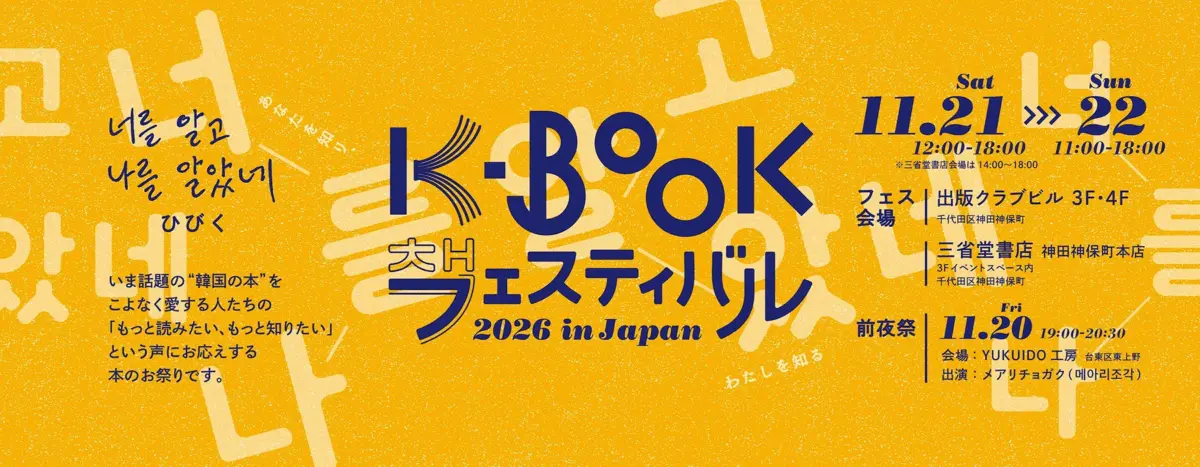
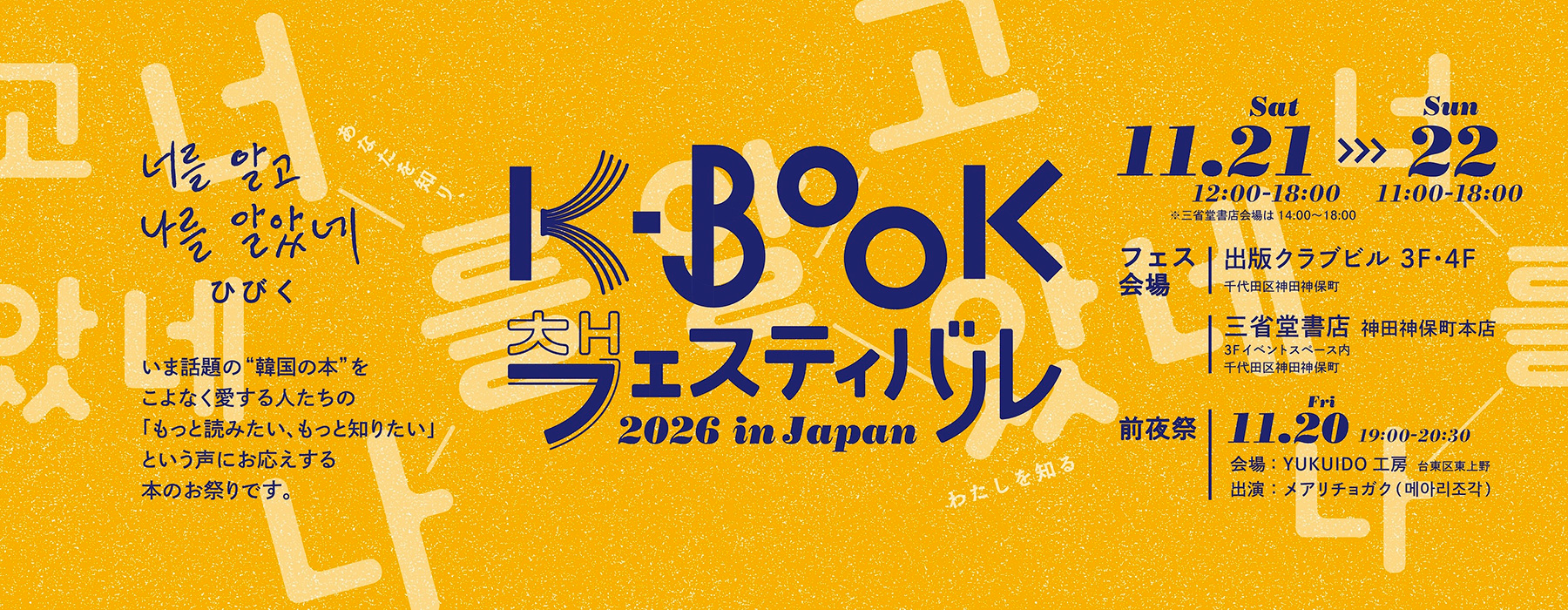
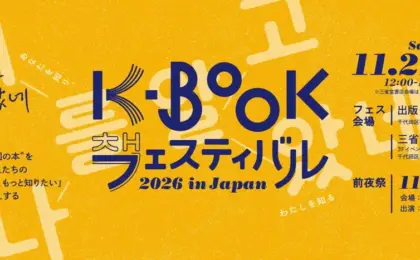
On November 21 and 22, the vibrant cultural hub of Nishi-Waseda in Tokyo—specifically utilizing the 3rd and 4th floors of the Shibuya Publishing & Books / Shueisha Imprint Shinsho exhibition space, alongside the adjacent Shinjuku Bunka Creative Center—will host the highly anticipated "K-BOOK Festival 2026 in Japan."
Since its inaugural launch in 2019, the K-BOOK Festival has grown from a boutique literary gathering into a powerhouse celebration of transnational exchange. It acts as a critical nexus for authors, translators, publishers, and avid readers who view books not merely as commodities, but as bridges connecting distinct socio-cultural realities.
This comprehensive report details the structural framework, headline events, distinguished panelists, and broader cultural implications of the 2026 iteration, offering an authoritative look at how Korean literature continues to reshape contemporary reading habits across Japan.
Detailed Chronology & Main Event Lineup
The 2026 festival boasts a rigorously curated schedule featuring a dynamic array of roundtables, bilingual readings, creative workshops, and interactive publishing seminars. Below is the chronological breakdown of the primary events scheduled across the two-day symposium.
Day 1: November 21 (Friday)
12:00 – 12:30 | Opening Horizons: The 2026 K-BOOK Compass
Overview: Setting the foundational tone for the festival, this session outlines the trajectory of Korean books in the Japanese market for 2026, highlighting emerging thematic trends, demographic shifts in readership, and upcoming titles slated for translation.
13:00 – 14:00 | The Art of Translation: Bridges Across Languages
Host: Translation Special Committee
Panelists: Leading literary translators and cross-border publishing experts.
Overview: An exploration of the delicate, often invisible labor of translation. This panel delves into the nuances of rendering culturally specific idioms, humor, and poetic structures into Japanese without losing the distinct pulse of the original Korean voice.
14:30 – 15:30 | Beyond Words: The Intersection of Design, Identity, and Publishing
Hosts: Design & Editorial Collectives
Overview: Examining how physical book design, typography, and cover art function as silent ambassadors for literary works. Panelists discuss how aesthetic choices in Japan and Korea reflect shifting cultural sensibilities and commercial strategies.
16:00 – 17:00 | Editorial Synergy: Editors, Publishers, and the Global Market
Hosts: MUZE Publishing & Associated Imprints
Overview: Marking seven years since MUZE’s pioneering entrance into the market, this milestone session brings together top-tier editors to discuss the mechanics of international publishing partnerships, risk mitigation, and long-term editorial vision.
19:00 – 20:30 | Night Session: "Echoes in Pieces" – Polyphonic Readings
Host: YUKUIDO Production / Special Evening Curators
Overview: A multimedia performance merging live readings, ambient sound design, and visual art. Based on the anthology Echoes in Pieces, this late-night session transforms literature into an immersive sensory experience.
Day 2: November 22 (Saturday)
11:00 – 12:00 | Curating Empathy: The Rise of Personal Narratives
Host: Special Guest Panelists (Featuring prominent essayists and fiction writers)
Overview: An intimate discussion focusing on contemporary memoirs, personal essays, and autofiction that explore mental health, urban isolation, and familial dynamics in East Asia.
12:30 – 13:30 | Reading the Fragments: The Translators’ Roundtable
Host: Festival Executive Committee
Overview: A focused session where translators dissect specific challenges encountered while working on the Echoes in Pieces anthology, offering attendees a behind-the-scenes look at editorial decision-making.
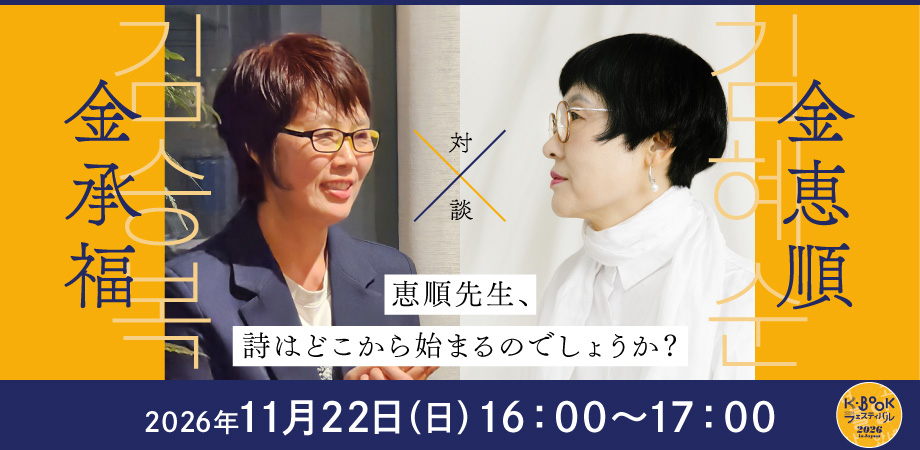
14:30 – 15:30 | Translation as Dialogue: Authors and Translators in Conversation
Hosts: Translation Special Committee
Overview: A dual-perspective discussion addressing the creative friction and harmonious collaborations that occur when authors and their translators work in tandem.
Overview: A pragmatic look at the financial and logistical realities facing independent publishers in both South Korea and Japan, focusing on cooperative distribution networks, digital marketing, and crowdfunding models.
17:00 – 17:15 | Closing Ceremony: Reflections and Forward Momentum
Host: Festival Committee
Overview: A brief, impactful wrap-up session summarizing the weekend’s achievements and formally setting the stage for the 2027 initiatives.
Supporting Context, Metrics, and Market Evolution
The longevity and expanding footprint of the K-BOOK Festival in Japan are reflective of a much larger, systemic shift in the publishing ecosystem. Over the past decade, Korean literature has transitioned from a niche academic interest into a mainstream commercial force in Japan, driven by several interconnected factors:
1. The Shift Toward Universal Human Themes
While early translated works often focused on distinct cultural or historical touchstones, the contemporary wave of K-Books emphasizes universally resonant themes: mental health, urban alienation, gender dynamics, and personal resilience. Books addressing the psychological weight of modern labor and societal expectations have found an especially receptive audience among young Japanese readers navigating similar socioeconomic pressures.
2. The Role of Digital Media and Independent Bookstores
Social media platforms—particularly X (formerly Twitter), Instagram, and specialized YouTube literary channels—have democratized book discovery. Independent bookstores in Tokyo and regional hubs have played a crucial role in curating dedicated K-Book sections, often collaborating directly with Korean publishers to host pop-up shops, author Q&As, and translation workshops.
3. Economic and Editorial Metrics
According to preliminary data released by the festival’s organizing committee, the market for translated Korean literature in Japan has seen consistent year-on-year growth. Small-to-midsize independent presses, once hesitant to take on the financial risk of translation rights, are now finding commercial success with thoughtfully packaged, design-forward editions that appeal to aesthetic-driven consumers.
Official Statements and Visionary Perspectives
The festival’s leadership emphasizes that the event is much more than a book fair; it is a platform for sustained civic and cultural diplomacy.
In a statement released ahead of the 2026 event, the K-BOOK Festival Executive Committee noted:
"We live in an age where information is abundant, yet genuine mutual understanding often feels scarce. Books offer a sanctuary for slow, deliberate thought. By bringing together Korean authors, Japanese publishers, and readers from diverse backgrounds, we are not merely trading translation rights—we are building a shared vocabulary for our shared anxieties and hopes."
Furthermore, prominent translation theorist and participating panelist Dr. Kenji Sato remarked on the evolution of the translator’s role:
"Translation is never a transparent window; it is a prism. The explosive growth of K-Books in Japan proves that readers are no longer looking for foreign texts to be flattened into domestic comfort. They are eager to engage with the stylistic friction, the distinct rhythms, and the uncompromised cultural DNA of the original works."
Future Outlook: Beyond 2026
As the K-BOOK Festival 2026 in Japan approaches, its organizers are already looking toward the horizon. Plans are underway to expand digital access for regional readers outside of Tokyo through livestreamed panels, virtual book clubs, and expanded e-book collaborations.
Moreover, the success of indie publishing models showcased at the festival points toward a more decentralized, collaborative future for East Asian literature. By prioritizing deep editorial integrity, community-driven curation, and uncompromising translation quality, the K-Book movement in Japan is setting a gold standard for international literary exchange.
Festival Access & Information
Dates: November 21 (Friday) & November 22 (Saturday), 2026














Belum ada komentar. Jadilah yang pertama berkomentar!