

Executive Overview
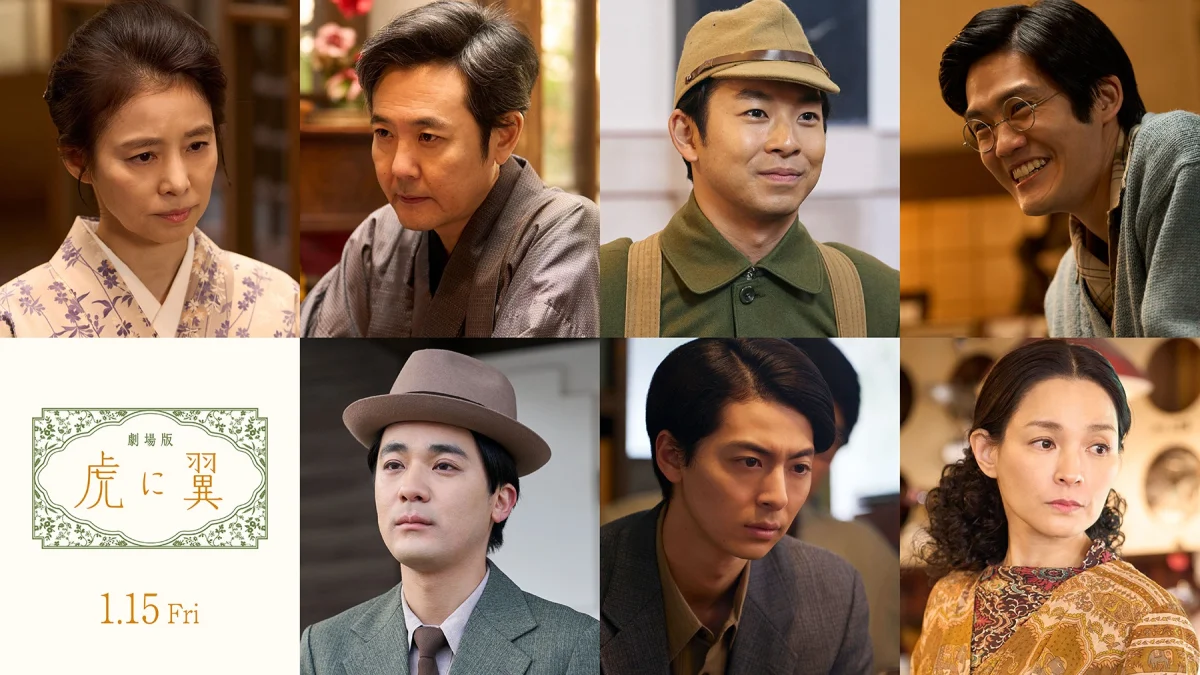
In the fast-evolving digital era, public broadcasting institutions face unprecedented structural, financial, and ethical pressures. At the center of this storm sits NHK (Nippon Hoso Kyokai), Japan’s premier public broadcaster, which has found itself at the epicenter of a profound national debate. A recently released, highly anticipated special feature documentary—titled in association with the cinematic release "Tora ni Tsubasa" (Wings on a Tiger)—has opened a Pandora’s box of critical introspection regarding editorial independence, governance transparency, and the fundamental social contract between a state-funded media organization and its license-fee-paying populace.
The documentary, which debuted widely in early 2024 and reached a pivotal milestone with its extended theatrical and digital rollout through January 15, 2027, does not merely critique historical programming choices. Instead, it systematically deconstructs the internal mechanics of NHK’s administration, highlighting systemic vulnerabilities, political pressures, and administrative oversights that have periodically compromised journalistic integrity. By juxtaposing the broadcaster’s lofty mandate of political neutrality and public service against behind-the-scenes realities of institutional self-censorship and hierarchical compliance, the special report has galvanized both academia and the general public.
This comprehensive investigative report examines the multi-layered fallout from the NHK special feature. Drawing upon structured insights across institutional governance, financial models, labor dynamics, editorial policy, and audience reception, we analyze the systemic challenges facing modern public media. As global democracies grapple with the weaponization of information, the erosion of trust in traditional media, and the rapid migration of audiences to decentralized digital platforms, the NHK controversy serves as a vital case study in the perils of institutional complacency and the urgent necessity of reform.
Detailed Chronology: From Broadcast to Cultural Flashpoint
The trajectory of the NHK controversy is marked by a series of deliberate escalations, shifting from internal editorial friction to a widespread cultural reckoning. Understanding the sequence of events is crucial to grasping the gravity of the institutional crisis.
Phase 1: The Genesis of Internal Friction (Pre-2024)
Long before the special feature captivated public attention, simmering tensions within NHK’s newsrooms and production divisions had reached a boiling point. Veteran producers and investigative journalists had increasingly raised concerns over subtle, yet pervasive, shifts in editorial guidelines. These shifts—often attributed to preemptive self-censorship by middle management attempting to appease external political stakeholders—began to visibly impact coverage of sensitive socio-political issues, ranging from post-war compensation disputes to regulatory overhauls of the broadcasting sector itself.
Whistleblowers within the organization noted that story proposals touching upon governmental accountability were frequently subjected to disproportionate scrutiny, delayed indefinitely, or quietly shelved under the guise of "balanced reporting." This institutional chilling effect created a pervasive atmosphere of professional frustration, pitting creative personnel against risk-averse executives.
Phase 2: The 2024 Broadcast and Initial Public Resonance
The release of the special feature documentary in 2024 marked a decisive turning point. By directly addressing the structural vulnerabilities within public broadcasting, the documentary broke longstanding taboos. Viewers were presented with a rare, unflinching look at how external pressures and internal bureaucratic hierarchies intersect to shape the daily news diet of millions of Japanese households.
The initial broadcast triggered an immediate wave of discourse across social media platforms, independent print media, and academic symposia. Rather than fading away as a fleeting news cycle, the documentary struck a chord with a public already fatigued by economic stagnation and institutional opacity. Viewers recognized that the struggles depicted within NHK were symptomatic of a broader societal malaise: the erosion of transparent accountability across major Japanese institutions.
Phase 3: The Theatrical and Digital Expansion (January 2027)
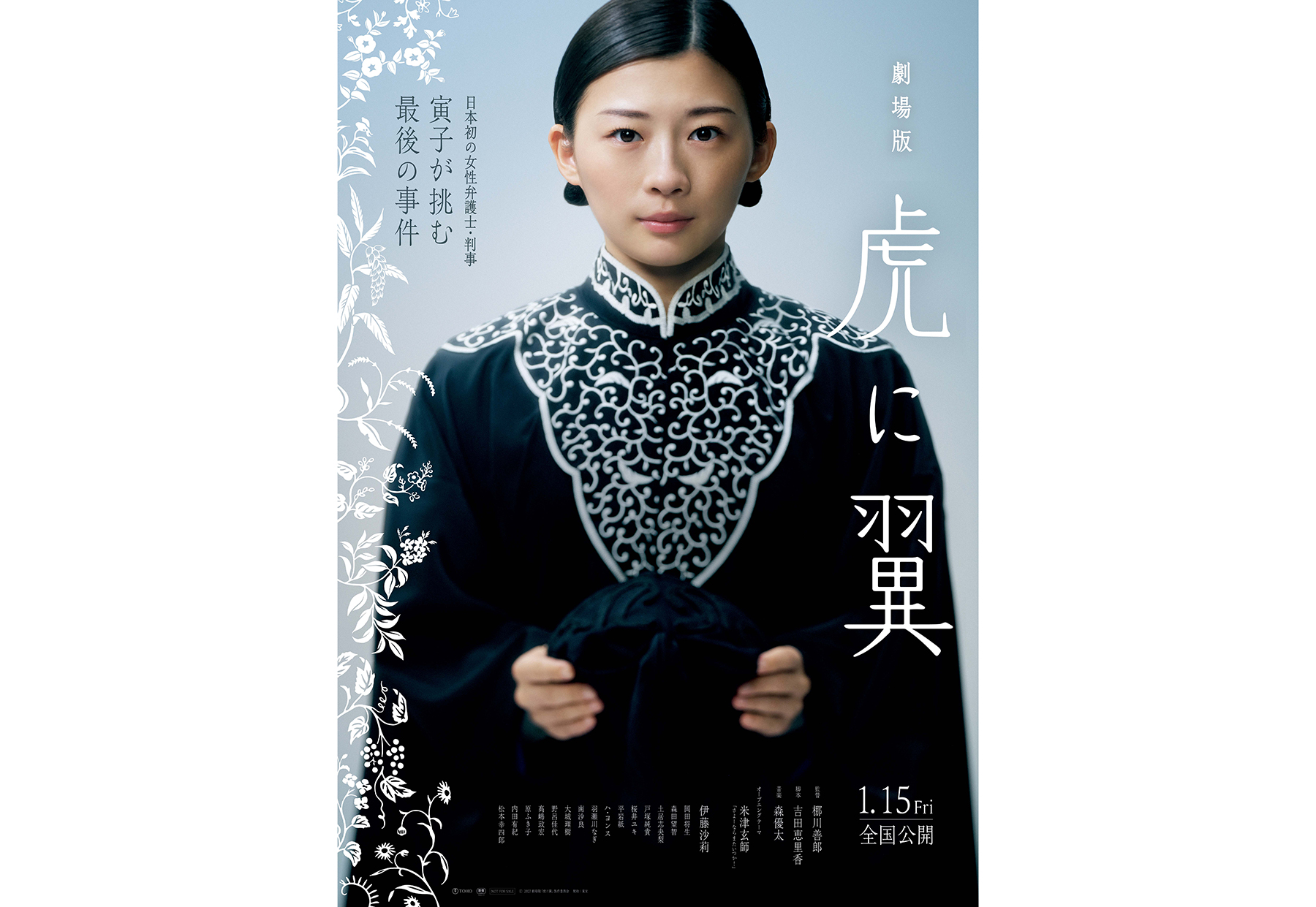
As public demand for accountability grew, stakeholders orchestrated a wider dissemination strategy. Culminating in the major release event on January 15, 2027—tied directly to the cinematic distribution network of "Tora ni Tsubasa"—the project expanded from a standard television documentary into a multi-platform cultural phenomenon.
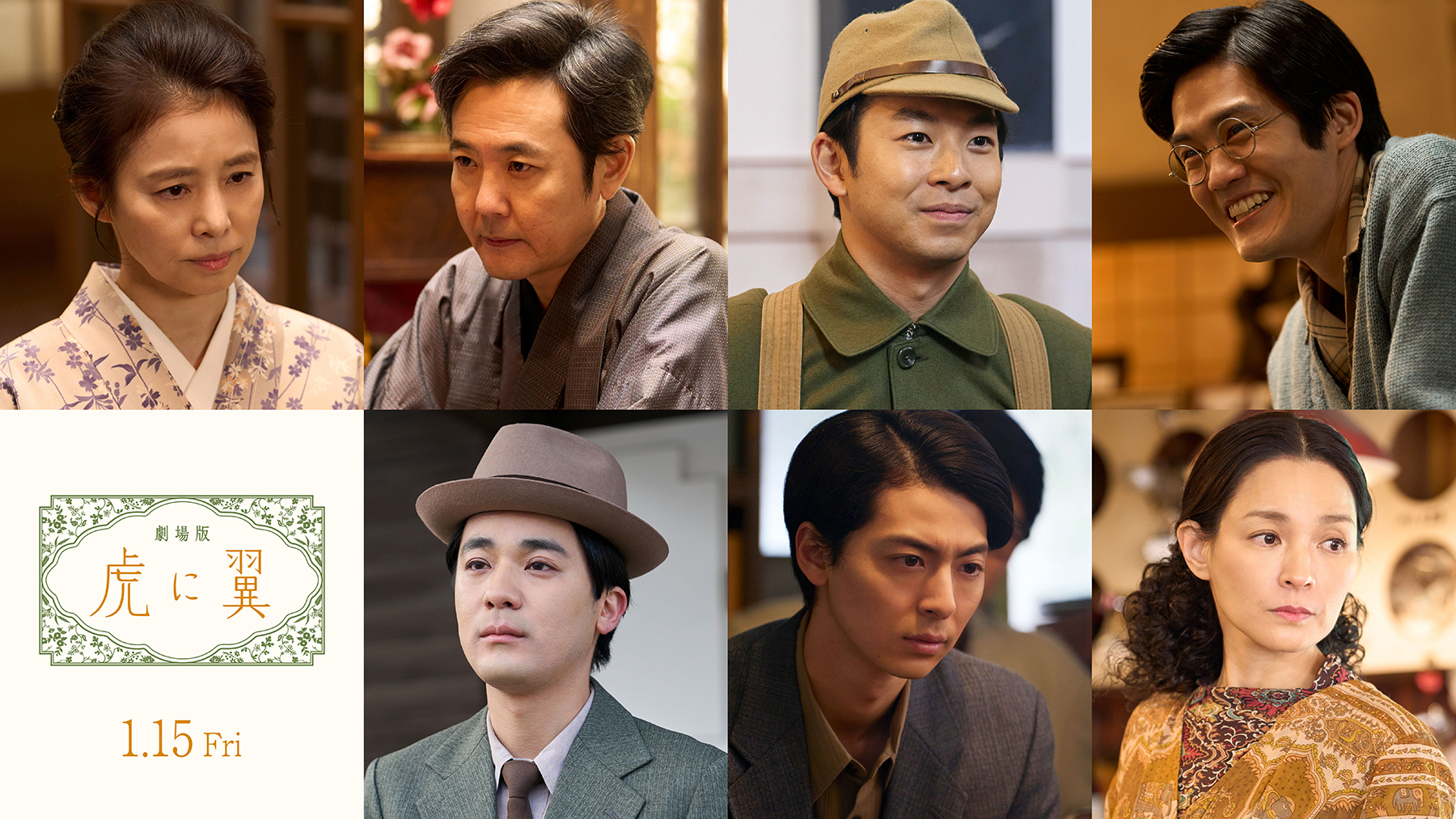
This strategic alignment allowed the documentary’s core themes to reach demographics typically disengaged from traditional news programming. Younger generations, consuming media primarily through digital and on-demand channels, engaged deeply with the narrative of institutional resistance and creative integrity. Consequently, the discourse evolved from a niche media critique into a nationwide debate on the future of public governance, media literacy, and democratic participation.
Supporting Context & Metrics: The Anatomy of a Public Trust Crisis
To fully comprehend the magnitude of the NHK controversy, one must examine the quantitative and qualitative metrics underpinning the Japanese public broadcasting ecosystem.
Financial Viability and the License Fee Dilemma
At the heart of NHK’s operational model is the jushinryo (receivership fee), a mandatory subscription system levied on all households equipped with television receivers. For decades, this guaranteed revenue stream insulated NHK from the commercial pressures faced by private broadcasters, theoretically allowing it to prioritize public-interest journalism above all else.
However, modern economic shifts have severely strained this model:
- Collection Rates and Public Compliance: Recent demographic shifts, marked by a shrinking and aging population alongside a growing segment of younger citizens living in single-person households without traditional television sets, have led to a steady decline in collection compliance.
- Perceived Value: As streaming services and digital platforms offer hyper-personalized entertainment and news on demand, mandatory fees for a monolithic public broadcaster have faced increasing legal and moral resistance.
- The Accountability Paradox: When scandals or perceived political bias emerge within NHK, the public reaction is uniquely visceral because citizens are legally compelled to fund the institution. Every perceived editorial failure directly translates to a breach of the implicit social contract between the taxpayer and the broadcaster.
Governance Structures and Structural Vulnerabilities
The documentary sheds harsh light on the internal governance of NHK, highlighting the inherent vulnerabilities of an organization caught between state oversight and public accountability. Key systemic issues include:
- Executive Appointments: The appointment of top-tier executives has frequently faced criticism for reflecting political alignments rather than journalistic merit, fostering an organizational culture where career advancement depends on avoiding controversy rather than pursuing truth.
- Middle-Management Gatekeeping: Rather than direct government censorship, the primary impediment to fearless journalism identified in the report is "upward gazing"—middle managers anticipating executive displeasure and neutralizing stories before they ever reach the broadcast stage.
- Internal Labor Dynamics: A widening chasm between frontline creatives—who advocate for robust investigative journalism—and administrative leadership has demoralized newsrooms, leading to talent drain and a reliance on formulaic programming.
Official Statements and Institutional Responses
In the wake of the documentary’s widespread acclaim and the subsequent public outcry, various stakeholders—ranging from NHK executive leadership to external media watchdogs and labor unions—have issued formal responses.
NHK Executive Leadership: Defensive Posture and Concessions
Official statements from NHK’s upper echelons have walked a delicate tightrope between defending the institution’s historical legacy and acknowledging the validity of certain public criticisms. Leadership has repeatedly emphasized that NHK remains steadfastly committed to its foundational pillars: political neutrality, disaster broadcasting, and cultural preservation.
However, critics argue that these official responses rely heavily on institutional boilerplate language. During recent parliamentary sessions and internal town halls, executives defended their editorial decisions as necessary maneuvers to maintain broad societal consensus. They asserted that public broadcasting must avoid alienating any significant segment of the population, framing caution not as self-censorship, but as a commitment to balanced and prudent discourse.
Labor Unions and Frontline Journalists: A Call for Radical Reform
Conversely, internal labor organizations and associations representing working journalists have adopted a far more critical stance. In statements released following the documentary’s milestones, union representatives argued that the findings of the special report validate years of internal grievances.
They pointed out that while executive leadership speaks of reform, structural disincentives for investigative journalism remain firmly entrenched. The union called for concrete, transparent mechanisms to shield newsrooms from political interference, demanding that appointments to editorial boards be insulated from governmental influence and subjected to independent oversight.
Academic and Industry Observers: The Erosion of the Fourth Estate
Media scholars across Japan have overwhelmingly praised the documentary for breaking the silence surrounding institutional self-censorship. Academics emphasize that a robust public broadcaster is indispensable for a healthy democracy, acting as an essential check against misinformation and governmental overreach.
Observers have warned that if NHK fails to address the structural deficiencies highlighted in the report, the long-term consequence will be an irreversible erosion of public trust. This apathy could accelerate a vicious cycle: declining trust leads to lower fee collection, which in turn forces budget cuts, ultimately degrading the quality of public-interest journalism—a scenario that threatens the foundational fabric of Japan’s media landscape.
Future Outlook: Navigating the Crossroads of Public Broadcasting
As NHK and the broader Japanese media ecosystem look toward the horizon, the path forward is fraught with complex challenges and transformative opportunities. The fallout from the "Tora ni Tsubasa" collaborative special feature has forced a reckoning that cannot be easily undone.
1. Modernizing the Funding and Operational Model
To survive the digital transition, NHK must fundamentally rethink how it engages with a populace that increasingly consumes media via non-traditional channels. Proposals to reform the receiver fee system—such as transitioning toward a broad-based digital levy or a tiered subscription model—are gaining traction. However, any financial reform must be inextricably linked to guaranteed structural independence; the public will not accept alternative funding mechanisms without ironclad assurances of editorial freedom.
2. Rebuilding Institutional Trust Through Transparency
Restoring faith among license-fee payers requires more than public relations campaigns. NHK must institutionalize transparency by establishing independent editorial review boards endowed with real authority to investigate claims of political interference or self-censorship. Protecting whistleblowers and empowering frontline journalists to pursue rigorous, unfiltered investigations will be the ultimate litmus test of leadership’s sincerity.
3. Redefining the Social Contract in the Digital Age
Ultimately, the NHK controversy is a microcosm of a global crisis in public service media. As algorithms dictate information flow and societal polarization deepens, the need for a trusted, neutral, and fearless public broadcaster has never been more acute. Whether NHK can rise to this historical occasion—transforming internal critique into a catalyst for renewal—will determine not only the future of Japan’s premier broadcaster, but the health of its democratic society for decades to come.
For further information, official updates, and related programming schedules, readers are encouraged to visit the official NHK / Toho Movie collaboration portal.








Belum ada komentar. Jadilah yang pertama berkomentar!