In the coastal districts of southern Kurashiki City, Okayama Prefecture, a quiet culinary and cultural revolution is underway. Once renowned as an island floating in the Seto Inland Sea and celebrated historically as a powerhouse of salt production, the Kojima area is reclaiming its heritage through an unlikely medium: a bowl of salt-based ramen.
Launched under the auspices of the multi-year Kurashiki Kojima Enmusubi Project (colloquially known as the "Salt Connection Project"), Kojima Shio Ramen has emerged as a premier regional delicacy. Far from a standard local noodle dish, this culinary phenomenon represents a sophisticated economic revitalization strategy. By tying modern gastronomic tourism directly to the region’s historical identity as the "town of salt fields"—cemented centuries ago by figures like the Edo-period "Salt King" Buzaemon Nozaki—local stakeholders have engineered a thriving ecosystem of souvenirs, community events, and destination dining.
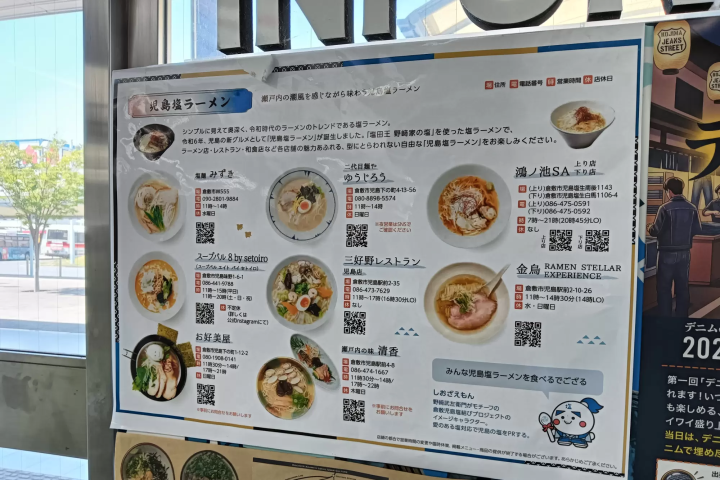
As of late 2026, the movement boasts participation from nine distinct culinary establishments across Kojima. Each participating restaurant is bound by a single, unyielding rule: the base seasoning must incorporate the proprietary "Salt King Nozaki Family Salt." Beyond this constraint, chefs are given absolute creative freedom, yielding an eclectic and fiercely competitive ramen-tasting tour that draws visitors from across Japan. This report offers an investigative look into the origins, culinary profiles, economic drivers, and future outlook of Kojima Shio Ramen.
Detailed Chronology: From Ancient Salt Fields to Modern Ramen
To understand the sudden rise of Kojima Shio Ramen, one must trace a historical arc spanning more than a millennium. The transformation of Kojima from an island into a salt-producing capital, and subsequently into a modern tourist destination, unfolded through several distinct historical epochs:
1. The Ancient and Feudal Foundations
Long before it was connected to the mainland, the Kojima region of Okayama Prefecture was defined by its maritime geography. As a cluster of islands in the Seto Inland Sea, it possessed ideal conditions for solar evaporation and salt-making. Historical records corroborate this deep-rooted industry; references to Kojima’s high-grade salt appear in the Nihon Koki, an imperially commissioned historical record dating back to the early Heian period (794–1185 CE).
2. The Era of the "Salt King" (1827–1864)
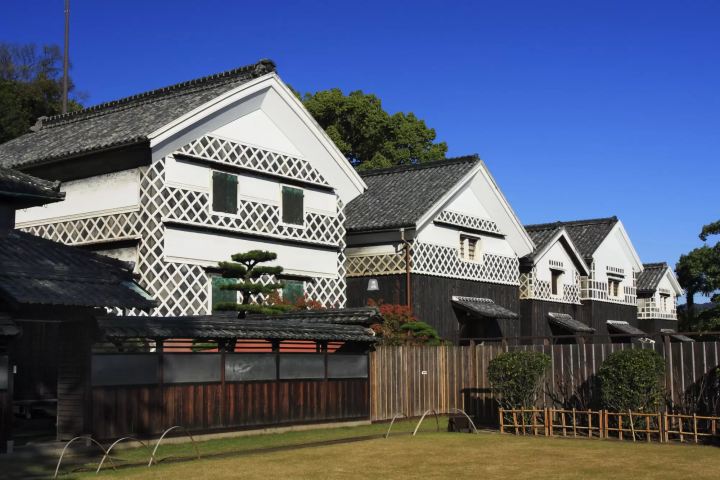
The definitive golden age of Kojima’s salt industry arrived during the Edo period under the stewardship of Buzaemon Nozaki (1789–1864). In 1827, Nozaki successfully petitioned the Okayama Domain for authorization to dramatically expand salt-producing operations. Through visionary engineering and sheer logistical scale, he constructed vast salt fields that spanned the region. Earning the moniker "The Salt King of Japan," Nozaki’s enterprise permanently stamped the identity of Kojima as a titan of domestic salt manufacturing. Today, the physical legacy of this era is preserved at The Nozaki Family Historic Residence and the adjacent Nozaki Family Salt Field History Museum, where visitors can examine the domestic architecture and socioeconomic customs of a community built on white crystals.
3. The Genesis of the Salt Connection Project (2023–2026)
Despite its rich history, modern Kojima faced a distinct economic hurdle: it lacked easily accessible, globally appealing consumer souvenirs and signature dishes that could convert transient tourists into loyal brand advocates.
The turning point arrived when the Shimotsui Electric Railway—a local transportation and infrastructure provider—posed a visionary question to regional leaders: “Kojima is historically known for its salt. Why not leverage this asset to anchor our tourism identity?”
This inquiry catalyzed the Kurashiki Kojima Enmusubi Project. The term enmusubi translates to the forging of bonds or connections, signifying how salt would henceforth be used to weave together people, local businesses, and external visitors.
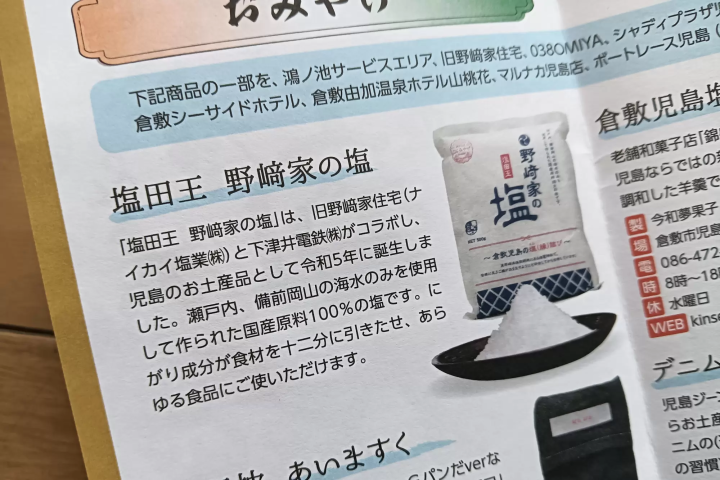
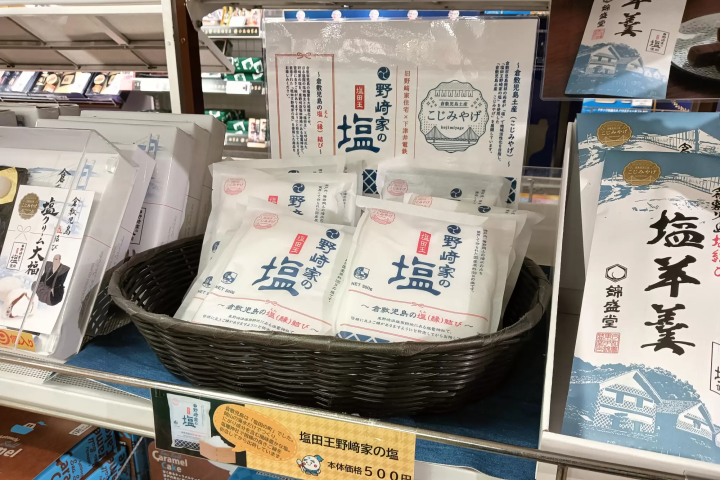
Year One: Project organizers collaborated with regional stakeholders across Kurashiki, Kojima, and greater Okayama Prefecture to develop primary retail products. This phase culminated in the launch of "Salt King Nozaki Family Salt," a private-brand product developed jointly by The Nozaki Family Historic Residence (managed by Naikai Salt Industry Co., Ltd.) and the Shimotsui Electric Railway.
Year Two (2024): Recognizing that retail goods alone could not compel travelers to linger in the region, organizers conceptualized Kojima Shio Ramen. The strategy was designed to force physical foot traffic into the town by making visitors travel to Kojima to experience the salt in its most dynamic culinary form.
Year Three (2025): The movement expanded its footprint, integrating local shopping streets—such as Kojima 7th Street—with new storefront openings like Kin’u RAMEN STELLAR EXPERIENCE operating mere minutes from major transit hubs.
Year Four (2026): Marking the current maturity of the project, the regional network has ballooned to nine officially recognized culinary partners, supported by major civic promotional campaigns and high-profile regional festivals.
Supporting Context & Metrics: The Architecture of a Regional Phenomenon
The success of the Kojima Shio Ramen initiative is not accidental; it is underpinned by a meticulous framework of civic cooperation, geographic accessibility, and strict culinary parameters.
The Core Rule and Creative Freedom
The operational philosophy of the project balances strict regional branding with unbridled culinary artistry. The single mandatory criterion for any establishment wishing to feature Kojima Shio Ramen on its menu is the mandatory incorporation of Salt King Nozaki Family Salt.
Beyond this baseline requirement, participating chefs retain total autonomy over broth composition, noodle hydration, tare formulation, and topping selection. This lack of uniformity transforms the dining experience from a predictable meal into an exploratory gauntlet. Food tourists are encouraged to embark on a comparative tasting tour across the town, noting how different kitchens interpret the same core mineral foundation.
The 2026 Participating Restaurant Roster
As of September 2026, the official network comprises nine diverse dining establishments, ranging from specialized ramen bars to highway service areas and traditional family restaurants:
Shiomen Mizuki
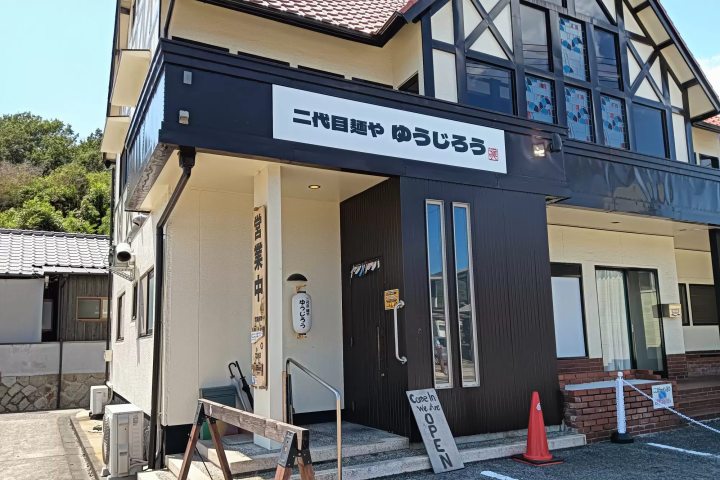
Nidaime Menya Yujiro
Konoike Service Area (Upbound)
Konoike Service Area (Downbound)
Soup Bar 8 by setoiro
Miyoshi Restaurant Kojima (Tenmaya Happytown Kojima)
Kin’u RAMEN STELLAR EXPERIENCE
Okonomiya
Setouchi no Aji Seika
Official Statements & Field Investigations
To evaluate the authenticity and execution of these culinary claims, regional journalists and project liaisons conducted interviews and field tests across key locations in the Kojima district.
Strategic Vision: The Kojima Chamber of Commerce and Industry
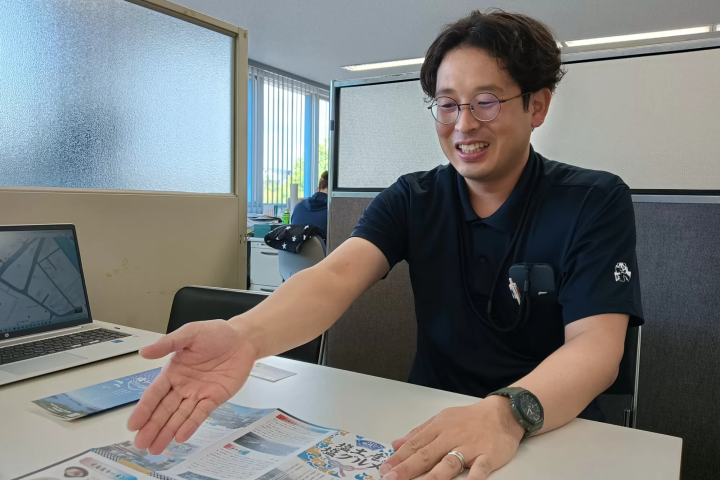
Speaking on the socioeconomic motivations behind the initiative, Mr. Tatsuya Komatsubara of the Kojima Chamber of Commerce and Industry detailed the structural challenges the region initially faced.
"Originally, Kojima suffered from a dearth of lightweight, easily portable souvenirs that visitors could casually purchase and gift," Komatsubara explained. “When the transit sector proposed leveraging our historical salt narrative, it unlocked a unified path forward. By moving from retail salts in year one to a destination-based ramen in year two, we successfully shifted Kojima from a drive-through commuter zone into a terminal culinary destination.”
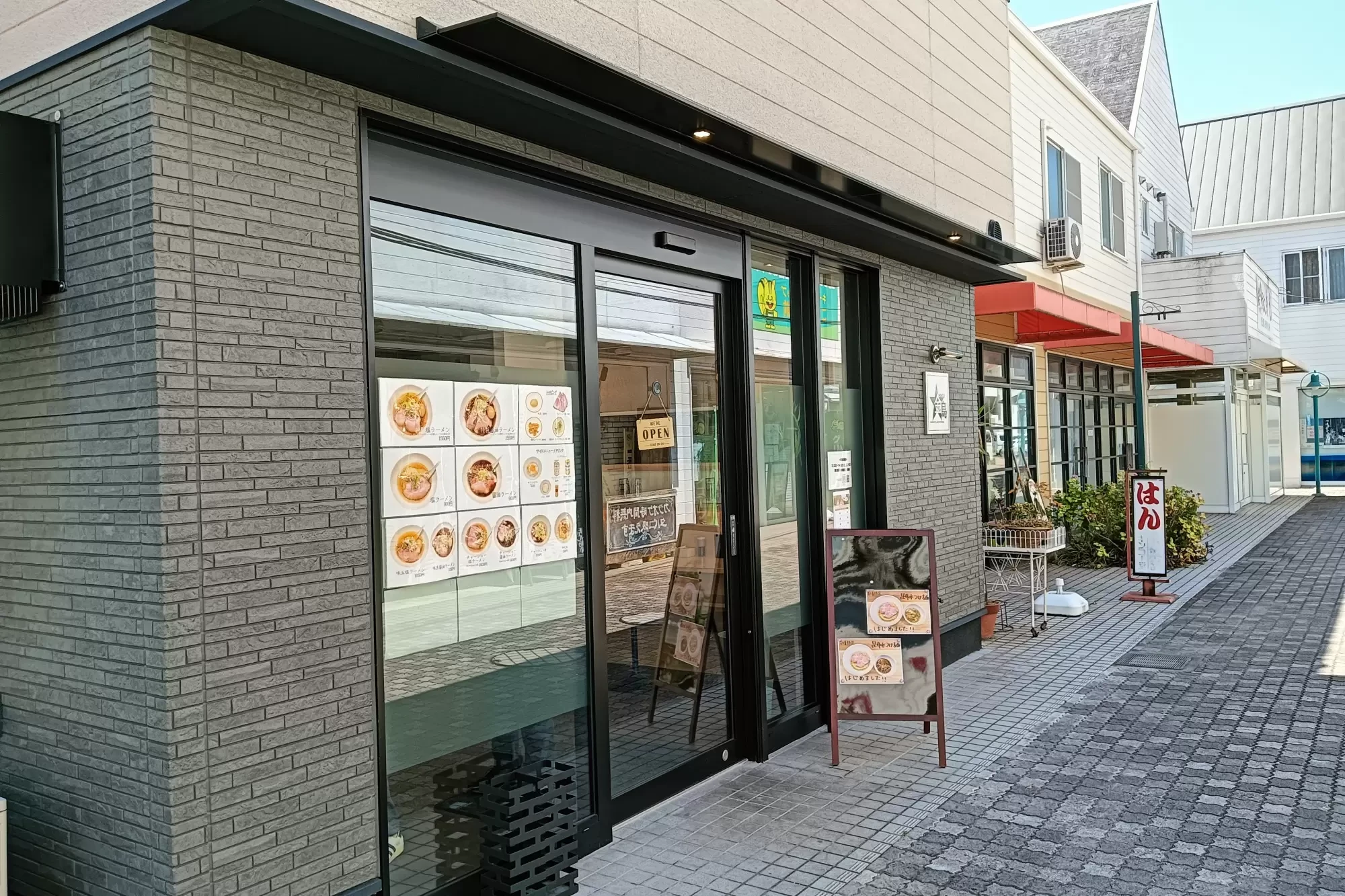
Field Dispatch 1: Kin’u RAMEN STELLAR EXPERIENCE
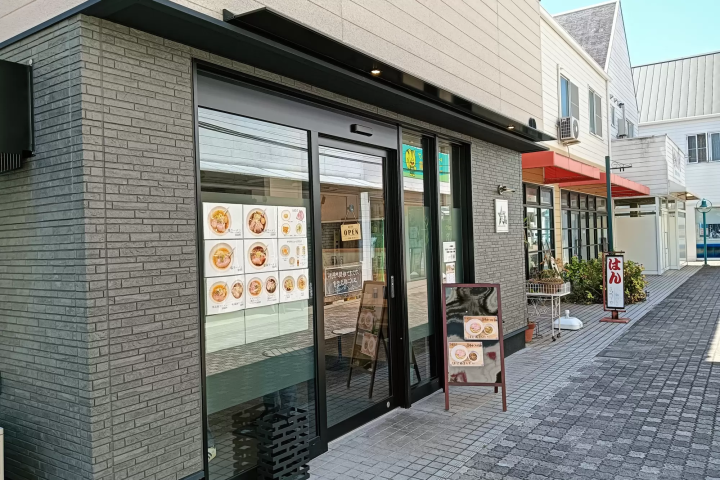
Location: Kojima 7th Street (5-minute walk from JR Kojima Station)
Price: ¥900
Operational Profile: Opened in late October 2025, this establishment serves as the ideal port of entry for rail travelers stepping off the JR line.
According to official project documentation, Kin’u champions a clean, elegant aesthetic:
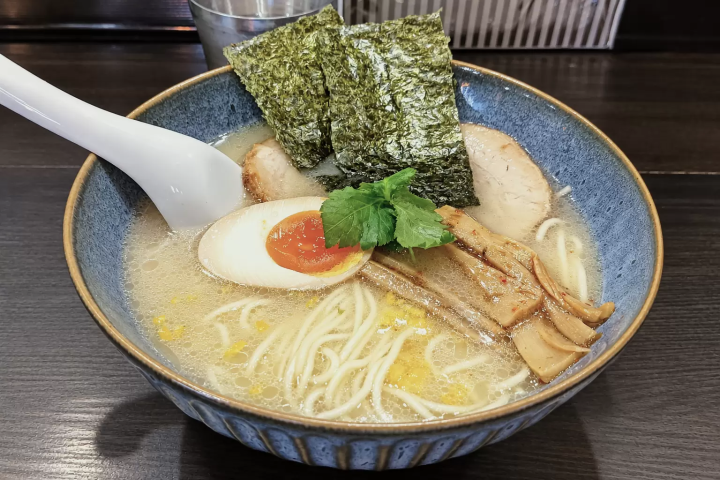
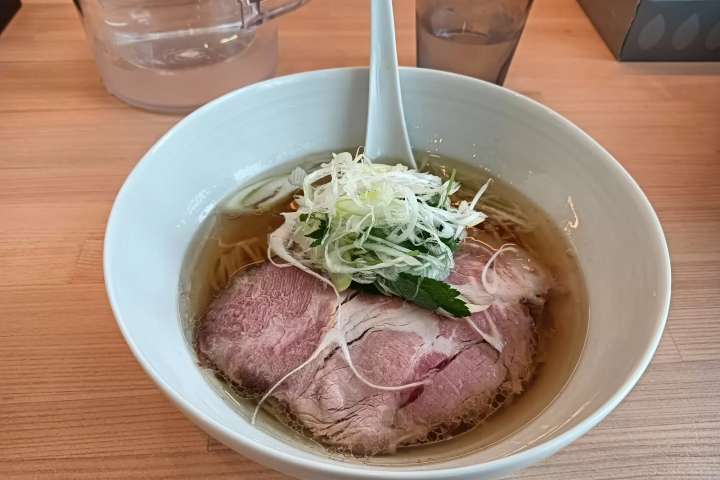
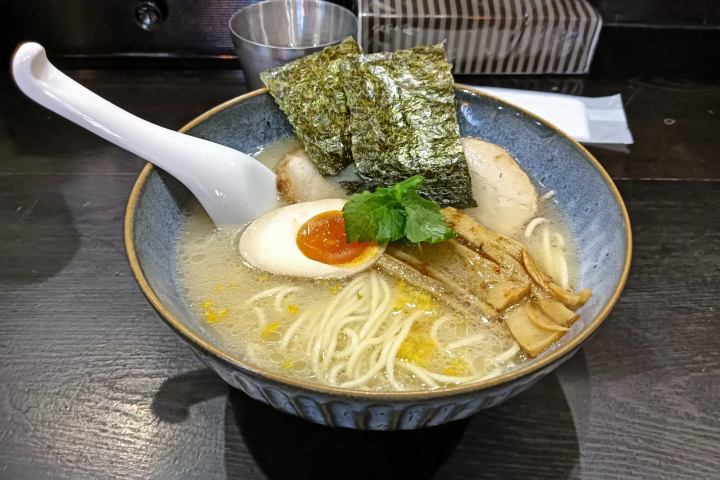
"Our restaurant prides itself on its homemade noodles and clean, elegant soup… Our salt ramen is a refined bowl that shines with a golden hue. It’s packed with the umami of the sea, using bonito flakes, horse mackerel flakes, and kelp. We use Kojima salt for the base salt sauce, and add sake, white wine, and white soy sauce to create a deep flavor. The aromatic oil, based on olive oil, has a gentle yet robust taste. The fragrant, thin, homemade noodles are perfectly coated in the soup."
Gastronomic Review: Upon consumption, the bowl reveals an extraordinary level of detail. The inclusion of chopped green onions and mitsuba (Japanese wild parsley) acts as a palate cleanser, cutting effortlessly through the residual oils. The protein component—vacuum low-temperature-cooked chashu—retains a remarkable tenderness, locking in pork juices without overwhelming the delicate marine base of the broth.
Field Dispatch 2: Nidaime Menya Yujiro
Location: Kojima district (accessible primarily via automotive transport)
Price: ¥1,020
Operational Profile: Famed primarily for its rich, pork-bone-based miso ramen varieties (spanning green, black, yellow, red, medium, and white miso profiles), this venue has elevated its Kojima Shio Ramen into a connoisseur-level offering.
Official project records describe the dish as follows:
"Amidst the rich umami of the pork bone broth, a refreshing taste and saltiness spread. Yuzu peel and Washu nori (seaweed from Shimotsui) play supporting roles that enhance the flavor. The chicken chashu also goes perfectly with the soup, and the tender chashu and boiled egg are a welcome bonus."
Gastronomic Review: Unlike lighter, fish-forward alternatives, Yujiro’s iteration leans into structural depth by blending pork-bone weight with citrus notes. Notably, the kitchen deliberately omits raw green onions, substituting mitsuba exclusively to prevent the sulfurous bite of alliums from overpowering the subtle interplay between the Kojima salt and grated yuzu peel. Every standard serving arrives pre-loaded with a fully integrated suite of toppings, including a perfectly cooked seasoned egg.
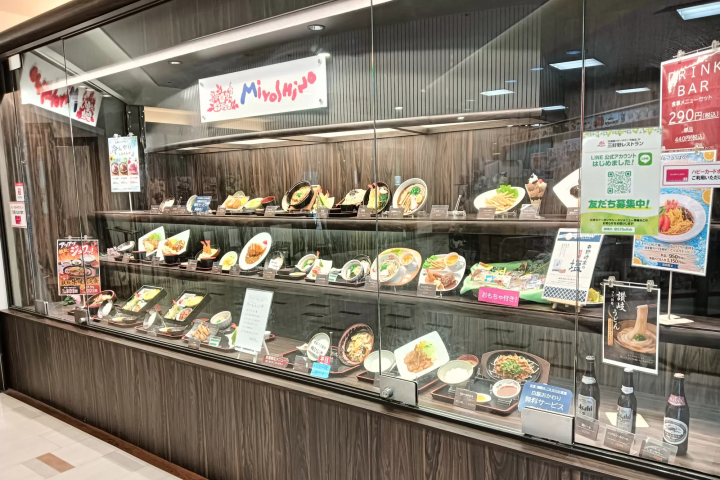
Field Dispatch 3: Miyoshi Restaurant Kojima
Location: 2nd Floor, Tenmaya Happytown Kojima
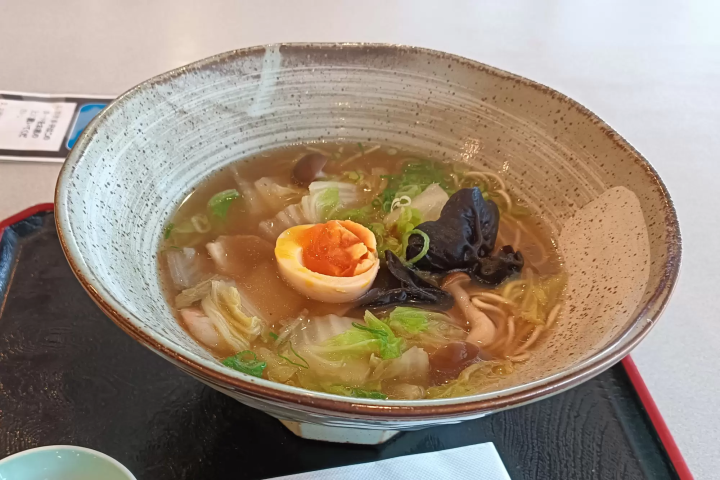
Price: ¥980 ("Chicken Salt Vegetable Ramen")
Operational Profile: Functioning as a multi-generational family restaurant—and historically tied to the legacy of the famous Matsuri-zushi ekiben of Okayama—Miyoshi caters to family units seeking broad culinary options.
Project documentation highlights its community-oriented design:
"The ‘Chicken Salt Vegetable Ramen’ was created with the idea of offering a dish that is uniquely Kojima. Topped with plenty of vegetables, chicken, shrimp, and a boiled egg, it’s a Kojima Shio Ramen similar to tanmen. The soup… has a gentle flavor with the sweetness and umami of seafood and vegetables blended into it."
Gastronomic Review: This bowl is a masterclass in hearty comfort. Functioning akin to a traditional tanmen, it arrives stacked high with sautéed produce, poultry, and seafood. Diners are provided with a side of yuzu-kosho (fermented yuzu and chili paste), allowing them to dynamically shift the flavor profile halfway through the meal from sweet and clean to sharp and warming.
Future Outlook: Festivals, Expansion, and the 2026 Roadmap
The trajectory of the Kurashiki Kojima Enmusubi Project indicates that local authorities have no intention of resting on their laurels. As the initiative enters its fourth operational year in late 2026, strategic emphasis is shifting toward immersive, experiential tourism that bridges historical education with modern leisure.
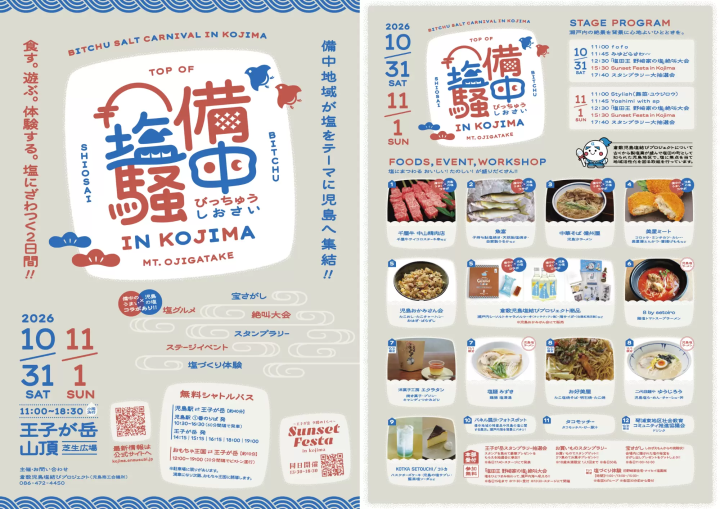
The "Bitchu Shiozai in Kojima" Festival
The marquee event for the 2026 calendar is scheduled for Saturday, October 31st, and Sunday, November 1st, 2026. Titled "Bitchu Shiozai in Kojima," the festival will occupy the panoramic grassy summit of Mt. Ojigatake (Oujigatake).
The event is engineered to provide a comprehensive, multi-sensory engagement with regional culture:
Pop-Up Dining: Attendees can consume freshly prepared bowls of Kojima Shio Ramen against the backdrop of Seto Inland Sea vistas.
Collaborative Gourmet Stalls: Specialized food vendors will debut experimental menu items pairing Kojima salt with other indigenous agricultural and marine products from the region.
Interactive Programming: The festival grounds will feature live stage performances, an expansive regional stamp rally, and family-oriented treasure hunts designed to drive foot traffic across geographical landmarks.
Retail Integration and Economic Sustainability
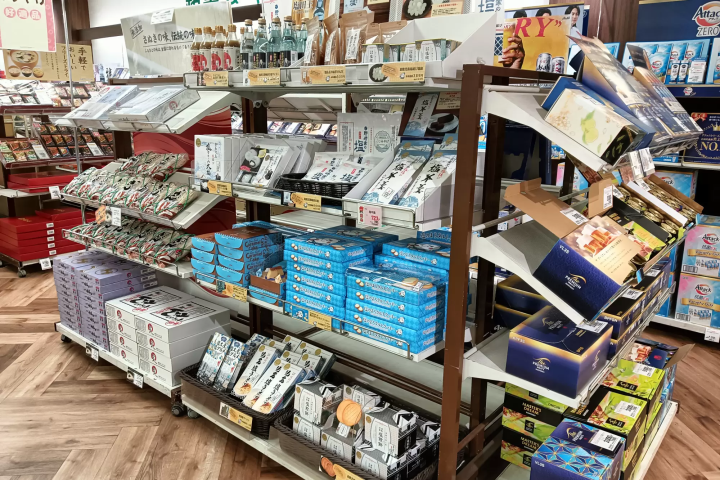
Beyond pop-up festivals, the project has successfully institutionalized its retail footprint. Visitors looking to recreate elements of the experience at home can purchase project-certified souvenirs—including specialized seasoning salts, packaged noodles, and commemorative goods—at the dedicated gift corner inside the Tenmaya Happytown Kojima store, as well as through partner hotels scattered across the Kojima peninsula.
Conclusion
Kojima Shio Ramen is far more than a passing gastronomic trend. It represents a textbook case study in regional revitalization, proving how a community can mine its historical archives to engineer a sustainable, contemporary economic engine. By wedding the ancient heritage of the "Salt King" Buzaemon Nozaki to the universal appeal of ramen, Kurashiki has transformed a humble mineral into a golden thread—stitching together local agriculture, small-business entrepreneurship, and international tourism into an unbreakable bond. For travelers willing to venture into the scenic southern reaches of Okayama Prefecture, the reward is a bowl of ramen that tastes quite literally of history itself.








Belum ada komentar. Jadilah yang pertama berkomentar!