As the crisp autumn air settles in and the inevitable march toward the holiday season begins—heralded by the distant, looming specter of overpriced chocolate selection tins and relentless festive cheer—a distinct subset of cinema enthusiasts knows that true salvation lies elsewhere. For the macabre connoisseur who vastly prefers the unholy delights of "Shocktober" to the tinsel-laden predictability of December, standard jump scares simply will not suffice. When the calendar flips to October, audiences do not crave polite chills; they demand chainsaws, boom sticks, and a total abandonment of narrative logic.
While mainstream horror often relies on polished formulas and predictable tropes, a parallel lineage within the genre thrives on unadulterated, boundary-pushing insanity. These are the films that throw convention out the window, offering head-scratching yet deeply mesmerizing thrills driven by unbridled auteur visions. From the flagrant, chaotic misuse of lawnmowers and telekinetic insects to the unmatched cinematic force of Nicolas Cage unleashed at full volume, the history of horror is littered with masterpieces of the delightfully bizarre.
This curated retrospective explores ten of the most unhinged, visually inventive, and utterly batsh*t crazy horror movies designed to transform any ordinary October evening into a hallucinogenic descent into cinematic madness.
Detailed Chronology & Retrospective Analysis
1. Basket Case (1982)
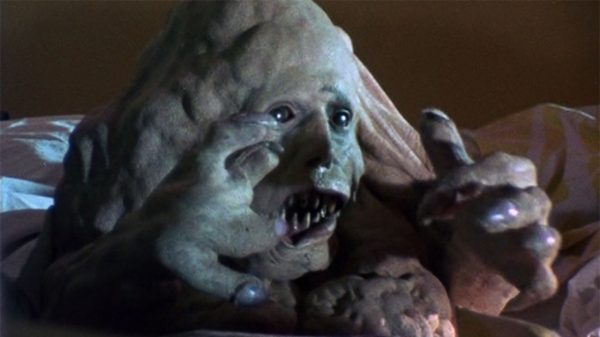
As far as low-rent, micro-budget trashy 1980s horror goes, few films possess the enduring, subversive cult legacy of Frank Henenlotter’s Basket Case. Operating on shoestring resources, the film introduces one of the most absurdly brilliant premises in genre history: a deformed, surgically separated conjoined twin—housed comfortably within a wicker picnic basket—who naturally embarks on a relentless murder spree through the streets of New York City.
While the concept sounds profoundly ridiculous, Henenlotter directs with his tongue firmly planted in his cheek. The slipshod, wonderfully tactile practical effects only add to the picture’s grimy, endearingly sleazy charm. A masterclass in maximizing limited resources through sheer creative audacity, Basket Case proudly paved the way for decades of midnight-movie madness and spawned two equally eccentric sequels.
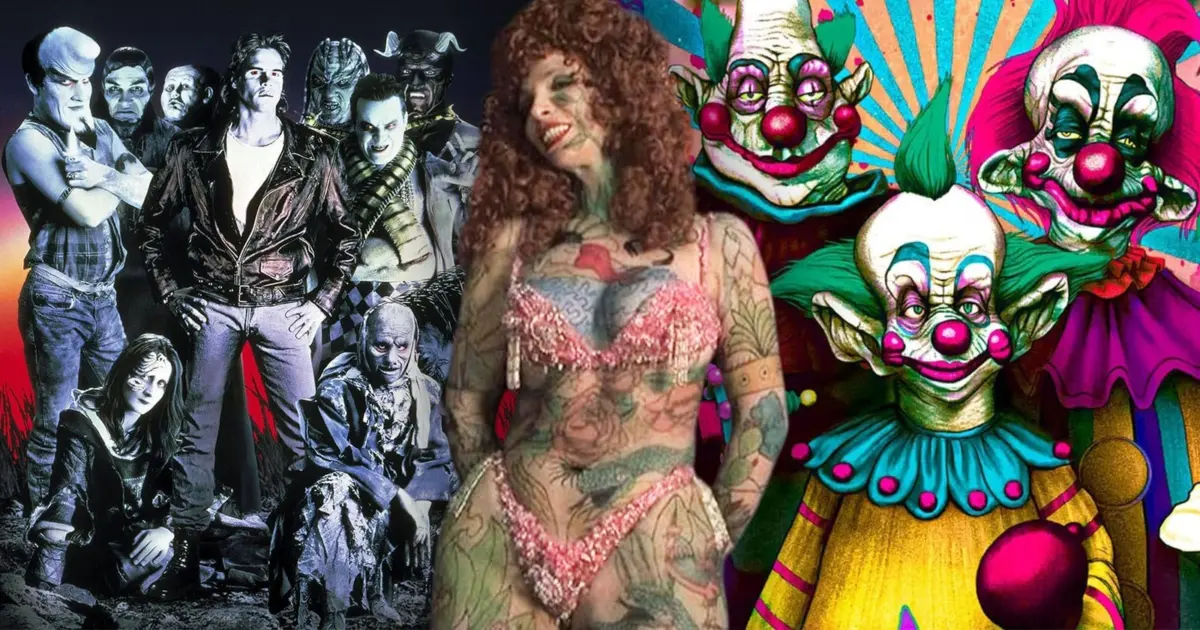
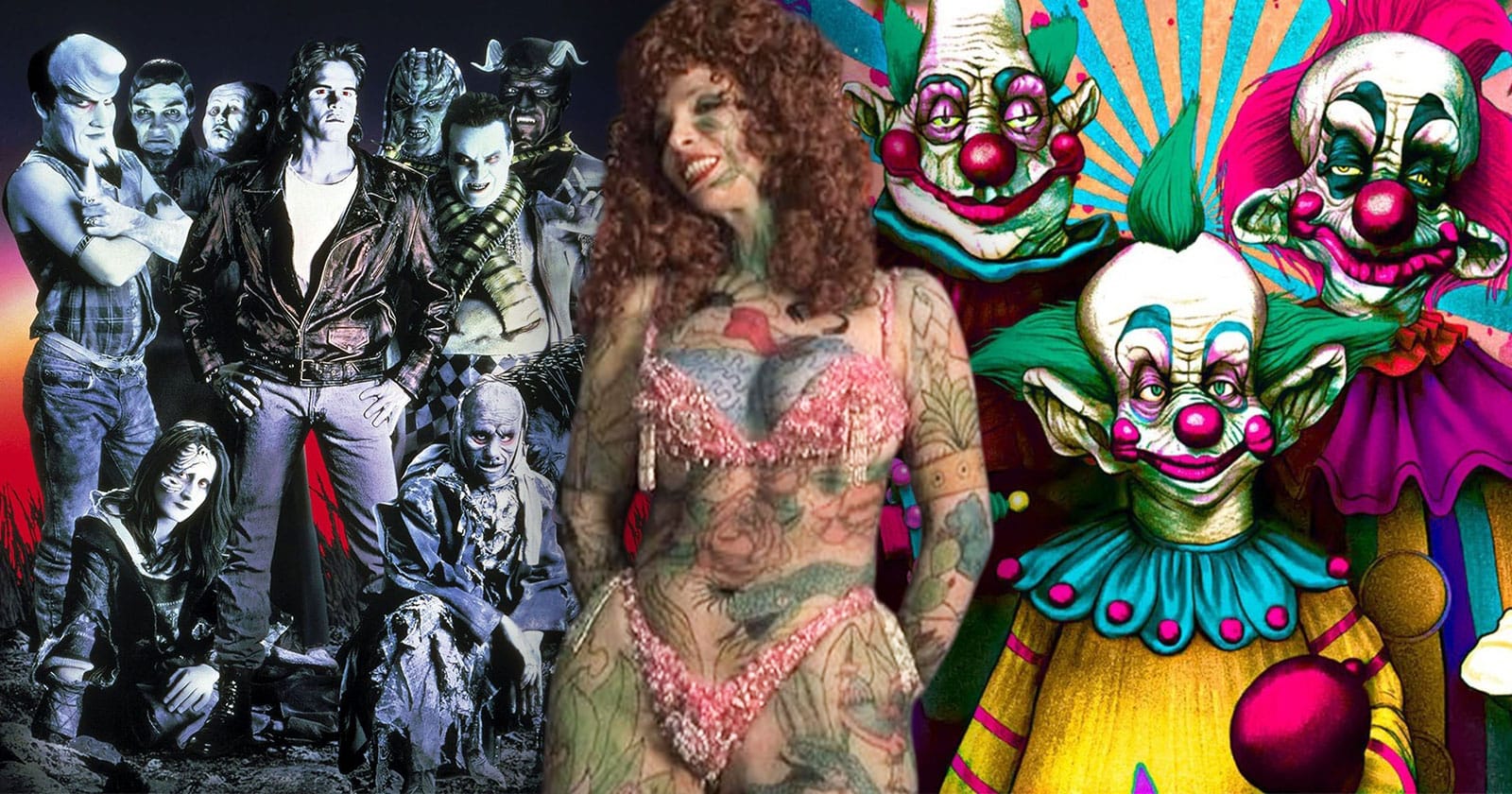
2. Killer Klowns from Outer Space (1988)
When an extra-terrestrial species bearing an uncanny resemblance to the circus performers of human nightmares touches down in a sleepy American town, the local population remains blissfully unaware of the impending slaughter. Brothers Stephen and Charles Chiodo brought their extensive background in special effects to the director’s chair, resulting in a creature-feature masterpiece that wears its absurdity as a badge of honor.
Populated by a ragtag assortment of monstrous "klowns"—complete with popcorn-gun firearms, balloon-animal tracking hounds, and a sinister propensity for wrapping their victims in cotton-candy cocoons—Killer Klowns from Outer Space treats its premise with deadpan sincerity. Despite persistent rumors of reboots and legacy sequels over the decades, the original standalone film remains a marvel of demented imagination and unmatched practical creature design.
3. Phenomena (1985)
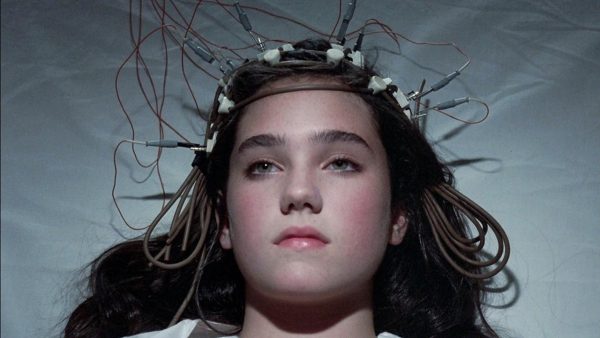
During the 1980s, the Italian horror landscape was overflowing with outrageous stylistic experiments as directors sought to move beyond traditional giallo narratives. Master of suspense Dario Argento decided to push his creative boundaries even further, crafting a phantasmagoric fever dream that proves uniquely baffling.
Phenomena follows a young Jennifer Connelly—giving an exceptional early performance—as a schoolgirl possessing a telekinetic link with insects, allowing her to witness grisly murders through the multifaceted eyes of bugs. If telekinetic entomology isn’t enough, the film also features horror veteran Donald Pleasence as a wheelchair-bound entomologist accompanied by a highly trained, deeply vengeful monkey butler. Backed by a high-octane rock soundtrack featuring Iron Maiden alongside eerie compositions by Goblin and Simon Boswell, Phenomena makes virtually no logical sense, yet stands as a monument to uninhibited cinematic style.
4. Santa Sangre (1989)
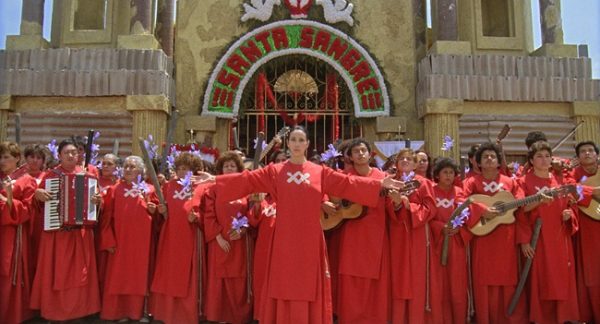
Co-scored by Simon Boswell, Alejandro Jodorowsky’s Santa Sangre is a delirious, deeply colorful fantasy-horror that defies easy categorization. The narrative centers on a troubled former circus artist who escapes a mental institution to reunite with his armless mother, the zealous leader of a bizarre religious cult. Operating as her surrogate limbs, he embarks on a surreal string of ritualistic murders.
Jodorowsky’s career as an arthouse auteur is legendary, defined as much by the monumental projects he never realized (such as his aborted adaptation of Dune) as by his celebrated hallucinogenic odysseys. Santa Sangre is an aesthetic triumph of grotesque imagery, originally earning an NC-17 rating for its transgressive violence. It is an experience that demands complete surrender; viewers will either ride its surreal wave or find themselves entirely lost in its nightmarish carnival.
5. Nightbreed (1990)
While smaller releases often fought for scraps in the home-video market, Clive Barker’s Nightbreed arrived with enormous expectations as the visionary author’s sizeable-budget follow-up to his landmark directorial debut, Hellraiser. Adapting his own novella Cabal, Barker sought to flip traditional horror tropes on their head by positioning the monstrous "Midian" inhabitants as an oppressed society of outcasts hunted down by humanity.
Upon its initial release, Nightbreed was met with mediocre reviews and an underwhelming box office performance, largely hampered by studio interference. However, Barker’s gonzo horror opus has since achieved legendary status, particularly following the restoration of its director’s cut. It remains an absolute triumph of practical special effects and intricate creature makeup, populated by sprawling sets, imaginative mutant designs, and a delightfully unhinged live-action villain performance by fellow horror icon David Cronenberg.
6. Braindead (1992)
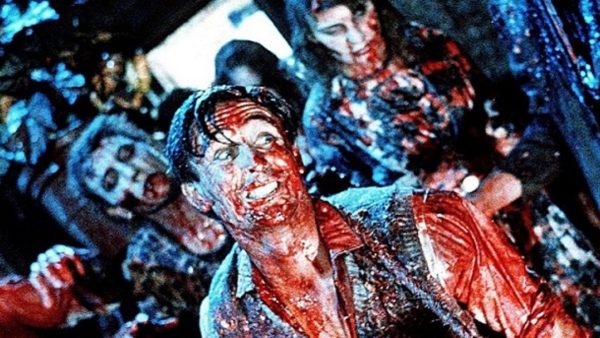
Long before taking audiences on sweeping journeys across Middle-earth, Peter Jackson cemented his status as an undisputed maestro of cinematic excess with Braindead (released internationally as Dead Alive). Tasked with making a gruesome zombie picture on a micro-budget, Jackson chose to spray every single penny of production value across the screen in a display of fiendishly anarchic, screwball horror-comedy.
The plot follows the hapless Lionel, a man caught between trying to satisfy his suffocatingly overbearing mother and fumbling a fragile romance with a local love interest, Paquita. Unfortunately, a bite from a cursed Sumatran rat-monkey triggers an escalating, flesh-eating plague. Featuring legendary displays of physical comedy, inventive gross-out set pieces, and quotable dialogue, the film culminates in a lawnmower-wielding finale that stands as an astonishing, blood-soaked monument to unadulterated cinematic barminess.
7. Highway to Hell (1992)
Ate De Jong’s under-the-radar gem deserves far more recognition than history has afforded it. Steeped in elaborate production design and inventive makeup effects, the narrative follows a menacing "Hellcop" who cruises the American Southwest, snatching young mortals and dragging them down a mystical subterranean highway to satisfy the Underworld. When his girlfriend is abducted, ordinary guy Chad must plunge straight into hell to bring her back.
Featuring early appearances by Ben and Jerry Stiller alongside Patrick Bergin and Kristy Swanson, the film anchors its manic energy on C.J. Graham’s towering, menacing performance as the primary antagonist. Hokey, quirky, and bursting with surreal visual gags, Highway to Hell is a delightful hidden treasure for fans of dark fantasy-horror mashups.
8. Tag (2015)
A deep dive into the strange corners of international horror would be incomplete without visiting Japan. While Nobuhiko Obayashi’s surreal classic House remains a towering achievement in pure psychedelic lunacy, Sion Sono proved himself an equally daring maestro of the cuckoo with his explosive 2015 thriller, Tag.
The film opens with a sequence of breathtaking, surreal violence that immediately stretches the boundaries of reality, following a young schoolgirl as her world collapses into a nightmarish gauntlet of farcical, high-velocity demises. Running at a blistering sub-90-minute pace, Tag operates like an experimental jazz performance played at maximum volume. Its frantic pacing and striking visual compositions make it abundantly clear why Sono was later tapped to direct Nicolas Cage in Prisoners of the Ghostland.
9. Mandy (2018)
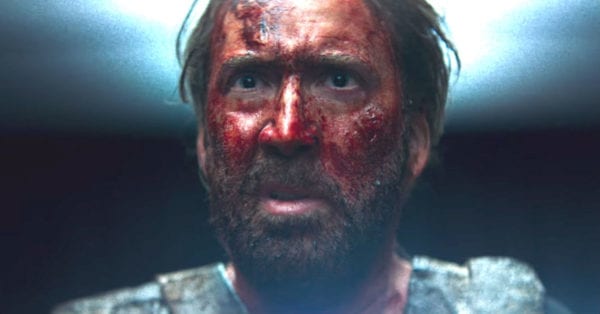
The cultural phenomenon of the "Cage-naissance" over the past decade found its explosive ignition point in Panos Cosmatos’s cult masterpiece, Mandy. Revenge thrillers set deep within secluded woodland cabins are hardly rare, but under Cosmatos’s psychedelic direction, the genre transforms into a full-blown, fantasmagorical nightmare.
Nicolas Cage delivers a masterclass in dialled-up intensity as Red Miller, a quiet logger whose idyllic life with his beloved partner Mandy (brutally brought to life by Andrea Riseborough) is shattered by a skin-crawling religious cult led by Linus Roache. Eschewing half-measures, the film shifts from a dreamy, cerebral descent into neon-drenched dread to an unmitigated bloodbath of roaring anguish. Mandy is undeniably divisive, but for appreciators of unapologetic cinematic weirdness, it stands as a towering achievement of modern cult horror.
10. The Substance (2024)
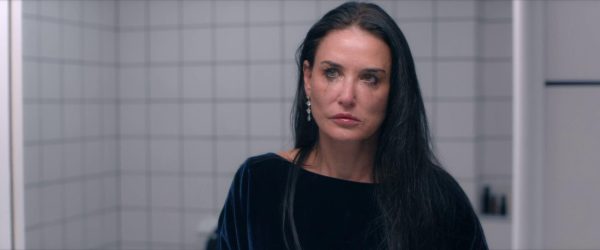
Bridging the gap between classical auteur control and body-horror excess, Coralie Fargeat’s The Substance arrived as a confident, unflinching vision of modern societal anxieties. Like Mandy, the film embarks on a calculated cinematic journey that begins in atmospheric intrigue and culminates in absolute, uncompromising bedlam.
Drawing early visual comparisons to the meticulous compositions of Stanley Kubrick and the clinical eeriness of David Cronenberg, the narrative eventually spirals outward into a chaotic, body-horror crescendo reminiscent of Peter Jackson’s Braindead. Demi Moore delivers a career-best, fiercely courageous performance, supported by brilliant turns from Margaret Qualley and a memorably grotesque Dennis Quaid. Dripping with sharp satirical subtext and anchored by flawless framing, The Substance represents the pinnacle of contemporary horror insanity.
Supporting Context & Metrics
The enduring popularity of unconventional, boundary-pushing horror during the autumn months is not merely a seasonal quirk; it represents a multi-million-dollar subsector of the global entertainment economy. According to recent box office analytics and streaming metrics from major genre platforms like Shudder and Arrow Video, October viewership spikes by upwards of 140% annually, with non-traditional and midnight-movie titles experiencing a staggering surge in digital rentals.
Film Title
Release Year
Primary Subgenre
Critical Reception / Cult Status
Basket Case
1982
Splatter / Comedy-Horror
Legendary independent midnight-movie status
Killer Klowns from Outer Space
1988
Sci-Fi / Horror-Comedy
Cherished pop-culture staple with massive merchandise legacy
Phenomena
1985
Italian Giallo / Supernatural
Polarizing cult classic celebrated for its sheer stylistic audacity
Santa Sangre
1989
Surrealist Art-House Horror
Critical darling championed by international film festivals
Nightbreed
1990
Dark Fantasy / Monster Feature
Re-evaluated masterpiece following extensive director’s cut restorations
Braindead
1992
Splatter Comedy / Zombie
Acclaimed benchmark for practical-effects physical comedy
Highway to Hell
1992
Supernatural Road Adventure
Underrated dark fantasy gem with a dedicated underground following
Tag
2015
Japanese Splatter / Surrealism
Celebrated festival hit lauded for its blistering, experimental pace
Mandy
2018
Psychedelic Revenge Thriller
Modern cult masterpiece driving the contemporary "Cage-naissance"
The Substance
2024
Satirical Body Horror
Critical heavyweight achieving massive global streaming and theatrical impact
Industry analysts note that modern audiences are increasingly suffering from "franchise fatigue," leading viewers away from predictable, long-running studio horror franchises in favor of bold, singular visions. Films that embrace hyper-stylized violence, surrealism, and dark humor—such as The Substance and Mandy—frequently outperform traditional mid-budget releases in terms of social media engagement and long-tail physical media sales.
Official Statements & Industry Perspectives
The creators behind these delirious cinematic odysseys have frequently spoken about the delicate balance required to make horror that transcends traditional frights and enters the realm of the absurd.
Reflecting on his approach to blending grotesque splatter with screwball comedy in Braindead, director Peter Jackson noted in retrospective interviews:
"When you’re working without a safety net and every dollar on screen has to be fought for, you stop worrying about polite boundaries. Horror comedy isn’t just about scaring people; it’s about pushing the audience past the point of terror straight into hysterical liberation. If they aren’t laughing while covered in industrial quantities of fake blood, you aren’t trying hard enough."
Similarly, auteur Panos Cosmatos discussed the hypnotic, unhinged visual language of Mandy, emphasizing the importance of emotional truth within wildly exaggerated cinematic landscapes:
"I wanted to create a film that felt like listening to a heavy metal album cover come to life. People often look at the neon lighting and the extreme violence and call it crazy, but to me, the heightened reality is just an emotional conduit. When characters are dealing with grief or rage of mythological proportions, normal rules simply don’t apply. You have to let the film become as unhinged as the internal states of the people inside it."
Future Outlook
As the horror genre continues to evolve in an increasingly saturated media ecosystem, the appetite for unapologetically unhinged cinema shows no signs of slowing down. With boutique physical media labels—such as Criterion, Arrow Video, Second Sight, and Vinegar Syndrome—working tirelessly to restore and re-release neglected midnight masterpieces in stunning 4K Ultra HD formats, classic entries like Nightbreed, Basket Case, and Highway to Hell are finding enthusiastic new generations of fans.
Concurrently, contemporary filmmakers are proving that high-concept surrealism and boundary-pushing body horror are commercially viable on a global scale. As major studios occasionally retreat into safe, focus-grouped formulas, the independent and international sectors continue to fill the void with visions that challenge, provoke, and thoroughly delight the macabre soul.
Whether you are revisiting the telekinetic insect realms of Dario Argento or witnessing Nicolas Cage carve a path of neon-soaked vengeance, one truth remains absolute: whenever the festive pressures of the holiday season loom too close, there is always a delightfully batsh*t crazy horror movie waiting in the dark to restore your sanity.










Belum ada komentar. Jadilah yang pertama berkomentar!