


Executive Overview
The intersection of true-crime broadcasting, societal voyeurism, and modern cinematic critique is set to undergo a profound transformation with the release of the upcoming feature film, provisionally titled Primetime (Japanese release スリラー・ストーカー・スリラー, distributed internationally as To Catch a Predator). Backed by the powerhouse indie studio A24 in collaboration with Happinet Phantom Studios, the film is scheduled for a theatrical release in Japan on January 22, 2027, via Toho.
This ambitious project dives headfirst into the turbulent cultural legacy of NBC’s groundbreaking, yet deeply controversial, reality-investigative news program, Dateline NBC and its infamous To Catch a Predator segment. Spearheaded by host Chris Hansen, the original broadcast ran from 2004 through 2007, capturing over a thousand targeted sting operations that exposed online predators. The show became an overnight pop-cultural phenomenon, merging high-stakes journalism with real-time public humiliation, internet memes, and a complex legal and ethical gray area.
Primetime sets out to dissect the psychological toll, the media frenzy, and the irreversible ripple effects left in the wake of the broadcast phenomenon. By blending A24’s distinct visual style—known for psychological unease, bold character studies, and atmospheric dread—with a sharp critique of modern media consumption, the film promises to be one of the most provocative cinematic releases of the decade.

Detailed Chronology: From Cable Television Phenomenon to Cinematic Deconstruction
To understand the cultural weight of A24’s Primetime, one must trace the timeline of the phenomenon it critiques.
Phase 1: The Genesis of Internet Vigilantism (Early 2000s)
At the dawn of widespread broadband internet, online chat rooms and instant messaging platforms became fertile ground for both connection and exploitation. In response to rising public anxiety surrounding online safety, civilian groups—most notably Perverted-Justice—began conducting independent sting operations. These civilian vigilantes posed as minors online, entrapped suspected predators, and published their transcripts and identifying information on public web forums.
Phase 2: The Dateline NBC Collaboration and Cultural Saturation (2004–2007)
Recognizing the explosive public appetite for real-time justice, NBC’s Dateline partnered with Perverted-Justice to legitimize and televise these stings under the banner To Catch a Predator. Hosted by Chris Hansen, the formula was instantly gripping: suspects walked into suburban homes rigged with hidden cameras, expecting to meet minors, only to be confronted by Hansen uttering his iconic line: "Why don’t you have a seat right over there?"

The segment was a ratings juggernaut. It created internet memes, launched catchphrases into the cultural lexicon, and positioned Hansen as a crusading folk hero. However, as the timeline progressed, severe ethical concerns emerged. Critics argued that the broadcasts constituted trial by media, violated the presumption of innocence, and occasionally led to tragic collateral damage, including the suicide of Texas prosecutor Louis Conradt Jr. after a botched sting operation.
Phase 3: The A24 Re-examination and 2027 Theatrical Launch
Nearly two decades after To Catch a Predator went off the air, A24 recognized the urgent need to re-evaluate the cultural scars left by the program. Announced for a January 22, 2027 release in Japan via Toho, Primetime represents the culmination of years of development. Directed by a visionary creative team and starring an ensemble of top-tier international talent, the film shifts the lens away from the spectacle of the capture and focuses inward on the psychological ecosystem inhabited by the hunters, the hunted, and the media machine profiting from it all.
Supporting Context & Metrics: The Anatomy of a Media Spectacle
The cultural impact of To Catch a Predator can be measured through various socio-legal, psychological, and media metrics that have been extensively documented by cultural critics, criminologists, and legal scholars.

Ratings Dominance and Viewer Psychology
During its peak broadcast years, Dateline NBC regularly pulled in millions of concurrent viewers during its Friday night time slots, rivaling prime-time entertainment juggernauts like LOST. The psychological appeal was multifaceted:
- The Thrill of Retributive Justice: Audiences experienced a visceral sense of moral closure as wrongdoers were publicly dismantled in real time.
- The Panopticon Effect: The show reinforced the terrifying reality of the digital panopticon—where private communications could be intercepted, recorded, and broadcasted to millions.
- The Blur Between Journalism and Entertainment: By packaging police-style stings as high-stakes reality television, NBC blurred the lines between objective investigative journalism and sensationalist bloodsport.
The Collateral Damage Metrics
While proponents lauded the show for taking predators off the street, researchers and legal experts have pointed to staggering collateral costs:
- Suicides and Systemic Failures: At least one high-profile suicide (Louis Conradt Jr.) directly tied to a sting operation sparked intense scrutiny regarding entrapment ethics and police coordination.
- The Erosion of Due Process: Suspects were frequently subjected to public shaming, loss of employment, and social ostracization long before they had their day in court. In several jurisdictions, arrests made under questionable investigative methods were later scrutinized or dismissed by defense attorneys.
- Digital Permanence: Unlike traditional news cycles, the internet immortalized the faces, confessions, and humiliation of those caught on camera, creating a perpetual digital purgatory that defied traditional rehabilitation models.
Official Statements and Production Insights
The production of Primetime has generated substantial buzz within the global film community. A24, known for curating boundary-pushing auteur cinema (ranging from Midsommar and Hereditary to The Zone of Interest and Civil War), has positioned this project as a cornerstone of its international distribution strategy in partnership with Happinet Phantom Studios.

While official plot details remain tightly under wraps, production notes indicate that the narrative centers on an ambitious television crew and an iconic investigative journalist (closely mirroring the Chris Hansen archetype) as they orchestrate a high-stakes sting operation. However, unlike the original broadcasts, the film deconstructs the psychological toll on all parties involved—examining the dark allure of moral righteousness, the mechanics of media manipulation, and the haunting aftermath of manufactured public justice.
Industry insiders note that the film utilizes a claustrophobic, tension-fueled aesthetic that places viewers directly inside the sting house, forcing an uncomfortable intimacy with the moral ambiguities of modern vigilantism.
Future Outlook: Why Primetime Matters in the Age of Digital Vigilantism
As we look toward the theatrical release of Primetime in January 2027, the themes explored in the film are more relevant than ever. In an era defined by cancel culture, online doxxing, viral accountability videos, and algorithmic outrage, the questions raised by To Catch a Predator have only multiplied.
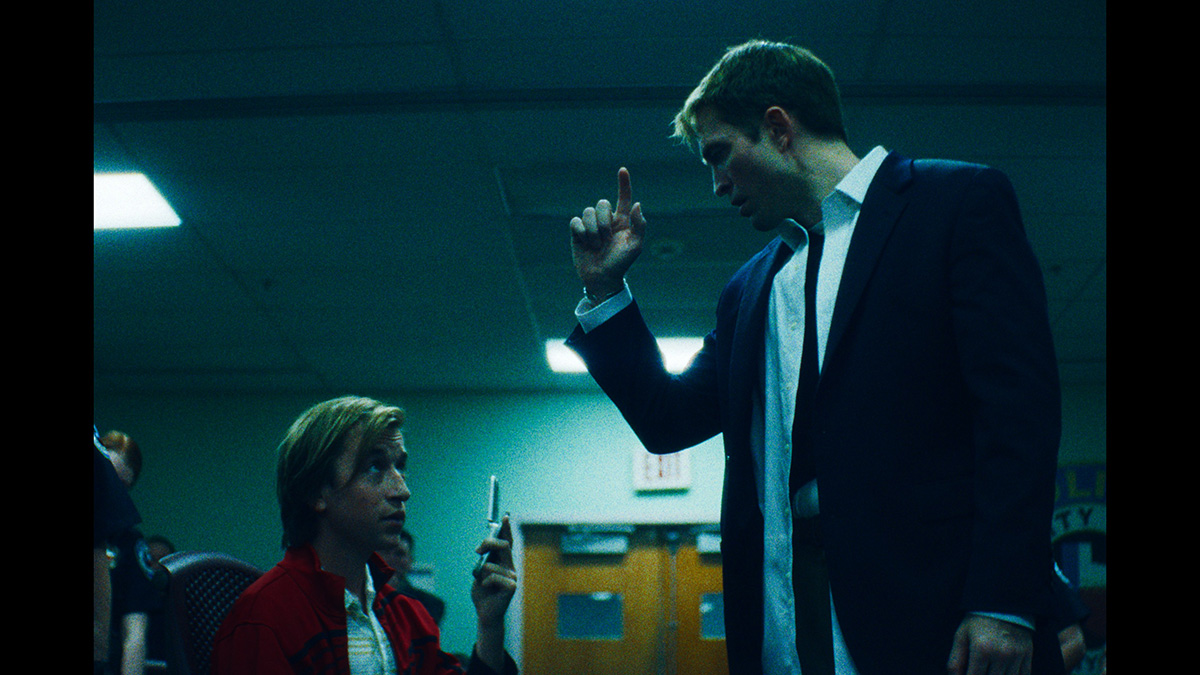
The film arrives at a critical juncture where society is increasingly forced to confront the weaponization of digital justice. By re-examining the foundational mythos of early 2000s reality-stings through a sophisticated cinematic lens, A24 and Happinet Phantom Studios are not merely revisiting history—they are holding up a mirror to our collective obsession with public punishment.
Audiences can expect Primetime to spark intense global discourse upon its release, challenging viewers to look beyond the edited broadcast, question the ethics of mediated spectacle, and consider the true cost of turning justice into entertainment.
© 2026 BLUEFIN TUNA RIGHTS LLC. ALL RIGHTS RESERVED. Distribution: A24 × Happinet Phantom Studios / Toho.









Belum ada komentar. Jadilah yang pertama berkomentar!