As the cinematic landscape continues its deep-dive fascination with the unsettling textures of folk horror and psychological unease, distributor Vertical has officially pulled back the curtain on Pendulum. Written and directed by acclaimed filmmaker Mark Heyman, the film promises to deliver an intoxicating blend of grief-stricken vulnerability and creeping dread. Headlined by a powerhouse cast featuring Joseph Gordon-Levitt (The Dark Knight Rises, Inception) and Phoebe Dynevor (Bridgerton, Fair Play), Pendulum transports audiences into the sun-scorched, isolating expanse of the New Mexico desert.
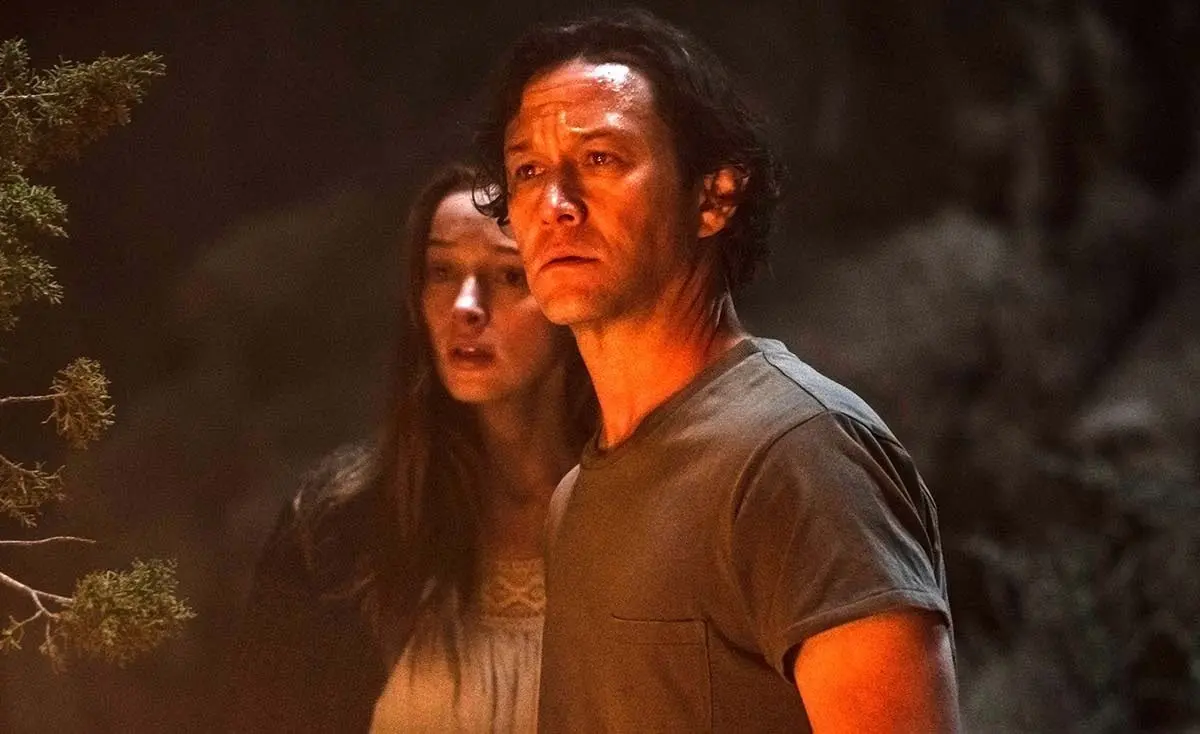
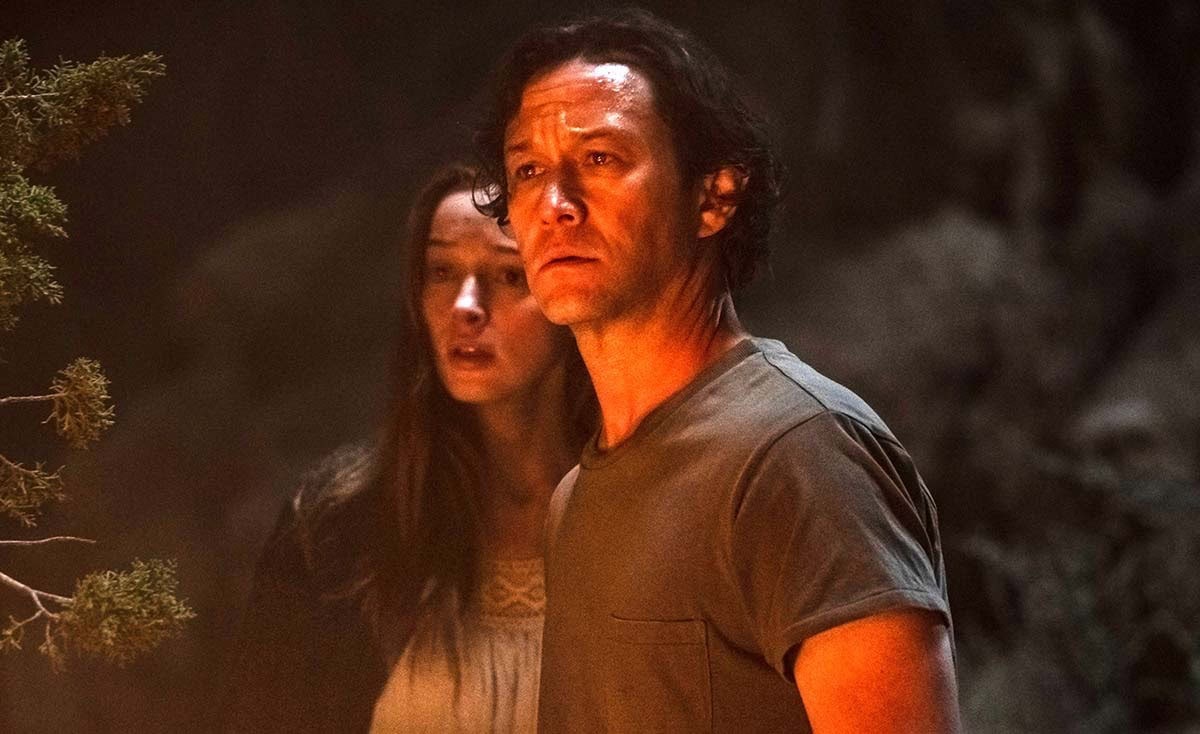
At its core, the narrative centers on Patrick (Gordon-Levitt) and Abigail (Dynevor), a couple attempting to mend the fractured pieces of their relationship following an unnameable, devastating tragedy. Seeking solace from their overwhelming grief, they enroll in an exclusive, secluded new-age retreat. However, what begins as a desperate bid for emotional rehabilitation quickly devolves into a waking nightmare. As Abigail becomes increasingly ensnared by the charismatic yet deeply unsettling leader of the commune—played by Academy Award nominee Jacki Weaver—Patrick finds himself plagued by mounting suspicions.
Is the retreat genuinely offering a path toward spiritual restoration, or are its inhabitants masking something ancient, predatory, and deeply sinister? More troublingly, as Patrick’s anxiety builds, audiences are forced to question whether he is uncovering a horrifying reality or simply losing his own grip on sanity. With a stellar supporting ensemble that includes Anna Deavere Smith, Jena Malone, and Norman Reedus, Pendulum is poised to be one of the most intellectually challenging and atmospheric genre releases of the early year. Vertical has slated the film for a theatrical and digital release on January 1st, positioning it as an immediate must-watch for aficionados of elevated horror.
Detailed Chronology: The Journey of Pendulum from Conception to Release
The path of Pendulum to the silver screen reflects a meticulous, deliberate creative process spearheaded by writer-director Mark Heyman. Best known for his razor-sharp narrative sensibilities—most notably demonstrated as a co-writer on Darren Aronofsky’s psychological masterpiece Black Swan—Heyman has long been fascinated by the fragility of the human psyche when pushed to its absolute limits.
Development and Casting
The project first gained serious industry traction when packages began circulating among top-tier talent agencies. Heyman’s script relied heavily on sustained tension, psychological ambiguity, and the claustrophobia of isolation. The casting process was critical; the film demanded two leads capable of conveying profound emotional devastation while retaining audience empathy as the narrative grows increasingly disorienting.
Joseph Gordon-Levitt boarded the project first, drawn to Patrick’s complex trajectory from a grieving partner desperately trying to save his wife to a man completely isolated by his own paranoia and the gaslighting architecture of a high-control group. Shortly thereafter, Phoebe Dynevor joined the production as Abigail. Fresh off critically acclaimed performances that showcased her dramatic range, Dynevor brought a haunting vulnerability to the role of a woman whose openness to healing leaves her tragically vulnerable to manipulation.
Principal photography kicked off against the striking, unforgiving backdrop of the New Mexico high desert. The location was not merely chosen for its aesthetic beauty; the vast, empty landscapes serve almost as an additional character in the film, amplifying the themes of detachment, exposure, and entrapment.
During the shoot, the production assembled a formidable supporting cast to flesh out the secretive members of the retreat. Veteran performers Anna Deavere Smith and Jacki Weaver—the latter stepping into the pivotal shoes of the group’s charismatic leader—brought an effortless gravity to the project. They were joined by Jena Malone and Norman Reedus, rounding out an ensemble designed to keep both the characters and the audience guessing about true allegiances and hidden motives.
Marketing Campaign and Trailer Drop
Following the completion of post-production, Vertical acquired distribution rights, recognizing the film’s potential to capture both mainstream audiences and the high-brow horror crowd. The marketing campaign officially shifted into high gear with the simultaneous release of the official movie poster and a striking, mood-setting trailer.
The promotional materials lean heavily into the psychological ambiguity of the plot. Visual motifs of circles, symmetry, and sweeping desert vistas are juxtaposed with jarring, fragmented edits hinting at violence and loss of control. The tagline—“Is he losing her to a cult, or losing his grip on reality?”—lays bare the central thematic question that has already sparked intense discourse across film forums and social media platforms ahead of the January 1st premiere.
Supporting Context & Metrics: The Rise of Elevated Folk Horror
To fully understand the cultural and commercial positioning of Pendulum, one must analyze the broader cinematic landscape and the measurable shifts in audience appetites over the past decade.
The Folk Horror Renaissance
Folk horror—traditionally characterized by an isolated rural or wilderness setting, a clash between modern sensibilities and ancient or fringe belief systems, and a pervasive sense of inescapable doom—has undergone a massive renaissance. Pioneered commercially by modern classics like Ari Aster’s Midsommar, Robert Eggers’ The Witch, and David Robert Mitchell’s work, the subgenre has proven that audiences crave horror rooted deeply in psychological trauma, grief, and sociological manipulation rather than simple jump-scares.
Mark Heyman’s involvement places Pendulum firmly within the lineage of cerebral horror. His past work on Black Swan explored the terrifying costs of perfectionism and identity dissolution; similarly, Pendulum uses the mechanics of a New Age cult or wellness retreat to investigate how grief can be weaponized by predatory organizations.
Demographic and Market Metrics
The "Elevated Horror" Demographic: Data from major box office analysts indicates that adult audiences (ages 18–49) increasingly favor psychological thrillers and atmospheric horror over traditional slasher franchises. Films that combine prestige acting talent with dark thematic elements routinely overperform on digital platforms and theatrical specialty runs.
The Streaming-Theatrical Hybrid Advantage: Vertical’s decision to drop Pendulum on January 1st capitalizes on a strategic calendar window. While the holiday blockbusters wind down, New Year’s Day historically attracts cinephiles looking for fresh, prestige-adjacent counter-programming. Furthermore, January has increasingly become a trusted incubator for breakout genre hits.
Talent-Driven Pull: The combination of Joseph Gordon-Levitt and Phoebe Dynevor bridges two distinct demographics. Gordon-Levitt commands a loyal fanbase established through decades of diverse blockbuster and indie projects, while Dynevor brings an influx of contemporary prestige-television viewers eager to see her tackle dark, complex cinematic material.
Official Statements and Creative Insights
While full press junkets and junket interviews are rolling out closer to the premiere, early promotional releases and statements from the creative team shed light on the rigorous artistic vision driving Pendulum.
Writer-director Mark Heyman has frequently spoken about his fascination with the intersection of modern wellness culture and ancient human anxieties. In early production notes, Heyman emphasized that the film is not merely a critique of fringe groups, but an exploration of how far human beings will go to rationalize comfort in the face of insurmountable pain.
"When people experience profound, world-shattering loss, the psychological landscape alters completely," notes the production’s thematic brief. "Patrick and Abigail are not looking to join a dangerous fringe organization; they are simply looking for permission to breathe again. The tragedy of the narrative lies in how easily desperation can be harvested by those who promise absolute certainty in an uncertain world."
Cast members have similarly echoed the intense psychological depths required for their respective roles. Phoebe Dynevor has noted in discussions surrounding her character’s trajectory that playing Abigail required walking a delicate tightrope between agency and surrender.
"Abigail isn’t naive; she’s exhausted," sources close to the production quote Dynevor as explaining during early table reads. "Her journey explores how emotional exhaustion can lower our psychological defenses, making the insidious feel safe, and the unfamiliar feel like home."
Meanwhile, Joseph Gordon-Levitt’s approach to Patrick anchors the film’s perspective. Trapped in a loop of trying to protect a wife who may not want protection—all while his own mind begins to fray at the edges—Gordon-Levitt anchors the narrative’s central tension. The psychological claustrophobia is designed to keep viewers locked entirely inside Patrick’s subjective viewpoint, forcing them to question every shadow, every whispered conversation, and every seemingly benign wellness exercise depicted at the New Mexico retreat.
Future Outlook: What Pendulum Means for the Start of the Cinematic Year
As the film industry prepares to close out the previous year and look toward the future, the arrival of Pendulum on January 1st serves as an important bellwether for the health of mid-budget, star-driven genre cinema.
Critical Reception and Award Season Potential
While January releases have historically been written off as a dumping ground by outdated industry metrics, the modern cinematic ecosystem—bolstered by specialized distributors like Vertical, A24, and Neon—has successfully rewritten this narrative. Critical anticipation for Pendulum is remarkably high, driven largely by Mark Heyman’s pedigree and the prestige nature of its ensemble cast. If the film successfully balances its high-concept folk horror trappings with the intimate, character-driven grief drama promised in its marketing, it could easily emerge as the first critical darling of the new calendar year.
The Trajectory of Its Stars
For Phoebe Dynevor, Pendulum represents a crucial stepping stone in solidifying her cinematic identity beyond television stardom, proving her ability to carry a dark, psychologically demanding narrative alongside seasoned heavyweights. For Joseph Gordon-Levitt, the film continues a career-long preference for challenging, morally ambiguous characters that subvert expectations.
Conclusion
Ultimately, Pendulum stands out not just because of its impressive roster of talent or its sun-bleached, terrifying aesthetic, but because of its willingness to probe uncomfortable truths about the human condition. By marrying the structural tropes of the folk horror genre with the painfully real emotions of trauma and isolation, Mark Heyman has crafted a cinematic experience that promises to linger long after the credits roll. As audiences settle into theaters and digital platforms on January 1st, they will find themselves swinging back and forth between two terrifying possibilities: Is Patrick rescuing his wife from a nightmare, or is he dragging her into one of his own making?









Belum ada komentar. Jadilah yang pertama berkomentar!