For travelers seeking a profound connection to Japan’s spiritual heritage, the ancient Shikoku Pilgrimage route stands as one of the world’s most enduring cultural journeys. Tracing the footsteps of the revered ninth-century Buddhist monk Kūkai—also widely known as Kōbo Daishi—the traditional full circuit requires walking roughly 1,200 kilometers around the perimeter of Shikoku island, an immersive physical and mental undertaking that typically spans six weeks on foot.
While the historical and cultural significance of the route is undeniable, modern travelers rarely possess the luxury of a month-and-a-half-long hiatus to complete the full 88-temple circuit. To bridge this gap between deep historical immersion and contemporary travel constraints, localized tourism initiatives have emerged across Shikoku. Among the most innovative is a curated 90-minute Pilgrimage Experience Guided Walk based in the historic city of Matsuyama, located within Ehime Prefecture.
This abbreviated excursion offers participants a rare, digestible glimpse into centuries-old traditions. By outfitting visitors in authentic pilgrimage attire—including the traditional white tunic, conical straw hat, and walking stick—and guiding them from the bustling hot spring district of Dogo Onsen to Ishiteji Temple (the 51st temple of the sacred circuit), the tour demystifies ancient customs. It transforms a formidable religious obligation into an accessible, deeply moving cultural exploration suitable for travelers of all backgrounds.
Detailed Chronology: A 90-Minute Journey Through Time and Tradition
Phase 1: Preparation and Attire at Dogo Shopping Street
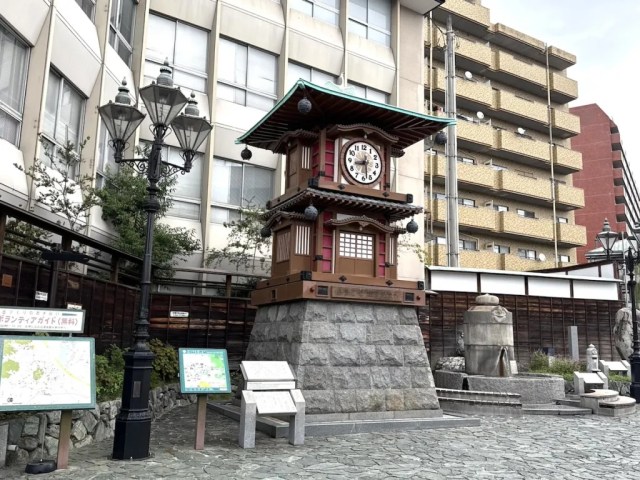
The expedition begins at a designated meeting point along Matsuyama’s vibrant Dogo Shopping Street, situated just a stone’s throw away from the legendary Dogo Onsen hot spring bathhouse—one of Japan’s oldest and most famous thermal retreats. Here, participants meet their local guide, who distributes the traditional vestments of the Shikoku pilgrim (henro).
Each participant is equipped with three quintessential items:
Hakue: A sleeveless white cloth tunic worn over regular clothing.
Sugegasa: A traditional conical straw hat.
Kongozue: A wooden walking stick (kanjin-tsue).
Donning these items immediately alters the psychological landscape of the participant. The sugegasa, in particular, proves surprisingly comfortable under field conditions. Unlike rigid Western-style caps or modern baseball hats that sit directly flush against the crown of the head, the traditional straw construction utilizes an inner suspension ring that allows for continuous air circulation, keeping the head cool during physical exertion under the sun.
However, the white hakue tunic carries a deeply sobering historical context. While modern hikers face no mortal perils on paved urban paths, centuries past presented genuine hazards. Travelers navigating isolated mountain passes faced the constant threat of illness, injury, and exposure, often without any means of rescue. According to Buddhist funeral rites in Japan, the deceased are traditionally wrapped in white garments prior to cremation. Consequently, the pilgrim’s tunic was intentionally dyed white so that if a traveler met an untimely demise along the remote paths of Shikoku, their body would already be properly dressed for traditional funeral rites.
Phase 2: The 20-Minute Neighborhood Stroll
Leaving behind the commercial clamor of the shopping street, the guided group embarks on a 20-minute walk toward Ishiteji Temple. This transitional route weaves through charming residential and historic neighborhoods that capture the unique cultural fabric of Matsuyama.
Along the pathway, participants encounter distinctive local landmarks:
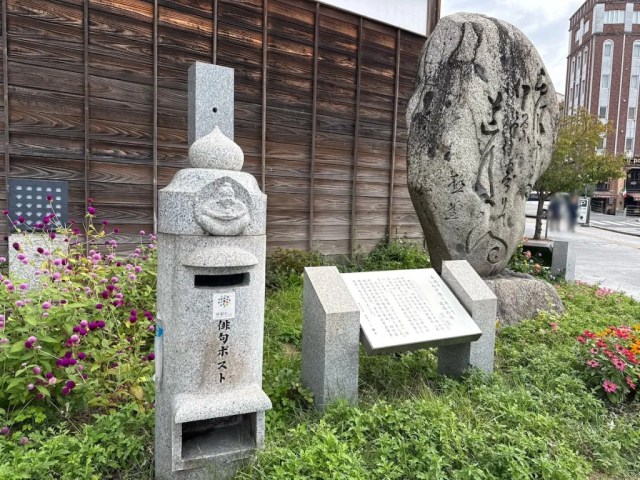
Haiku Mailboxes: A nod to Matsuyama’s status as a capital of Japanese poetry, these boxes invite anyone to submit original haiku compositions. A dedicated committee reviews the entries every three months, awarding prizes to the finest works.
Open-Air Foot Baths (Ashiyu): Spontaneous geothermal hot spring foot baths dot the neighborhood, offering pedestrians a chance to rest and soothe their feet.
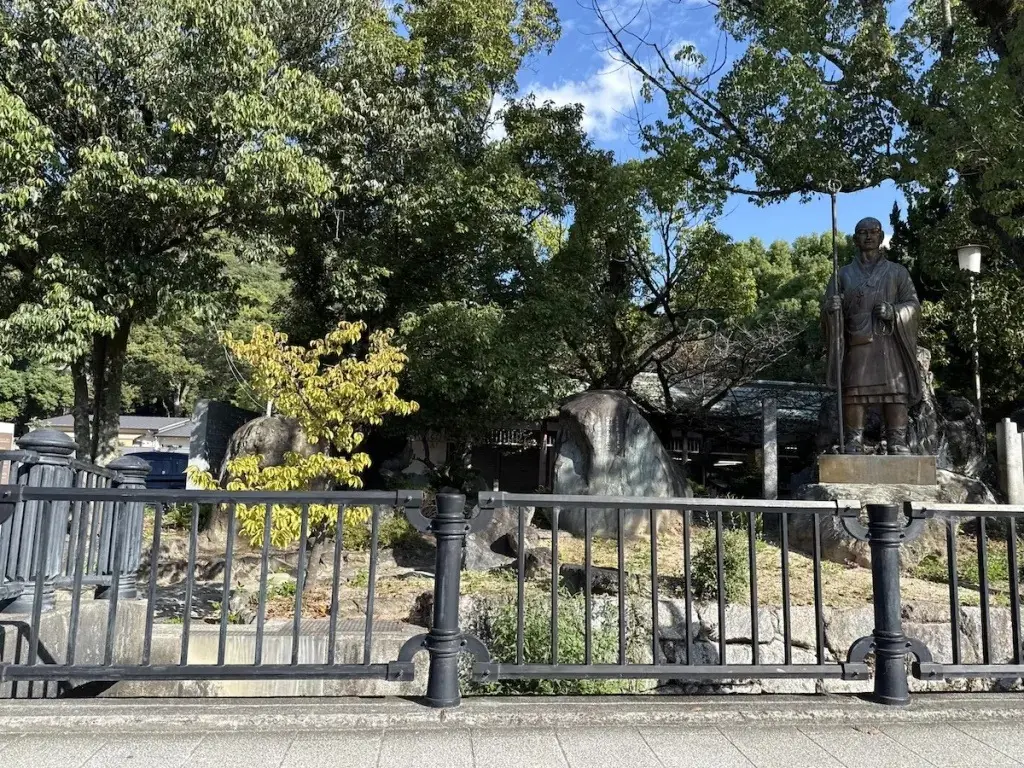
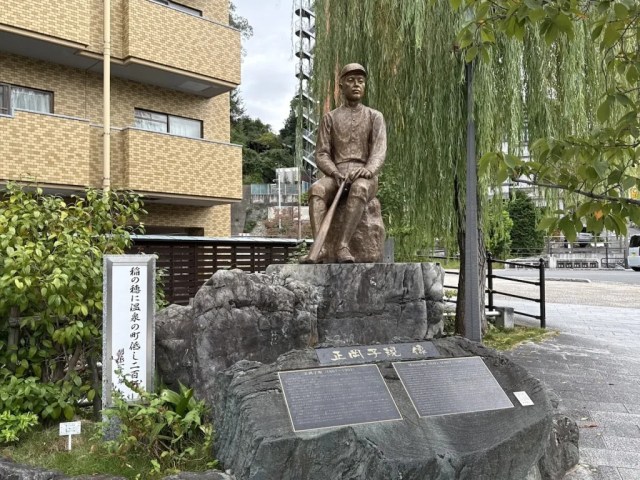
Monuments to Masaoka Shiki: Statues and plaques honor Matsuyama-born master haiku poet Masaoka Shiki, frequently highlighting his dual passions for poetry and the introduction of baseball to modern Japan.
As the group progresses further away from the tourist hub, a striking sociological phenomenon unfolds. Local residents, completely unaffiliated with the tour group, begin to offer unsolicited, warmhearted greetings. Passersby routinely call out "Ohayō gozaimasu" (Good morning) followed by words of encouragement such as "Ganbatte kudasai" (Hang in there).
When tour participants inquire whether these locals are acquaintances of the guide, the reality of Shikoku’s deep-rooted culture becomes apparent. The guide confirms he has never met these individuals. Because the pilgrimage route is woven into the collective identity of the island, residents maintain a longstanding, spontaneous custom of showing profound, affectionate respect to anyone wearing the white garb of the pilgrim, regardless of whether they are walking a single mile or the entire circuit.
Phase 3: Arrival at Ishiteji Temple (Temple No. 51)
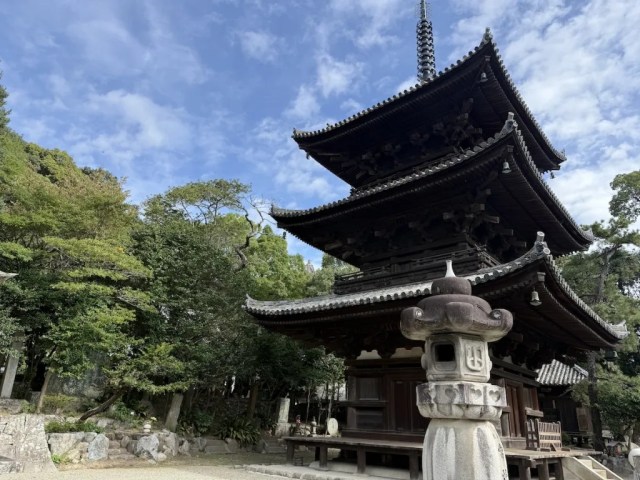
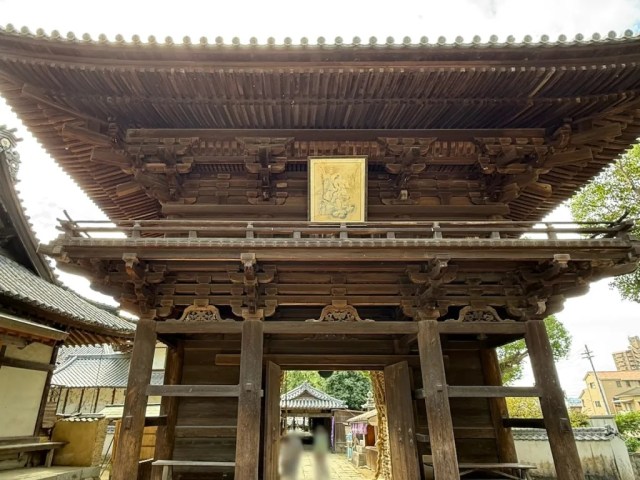
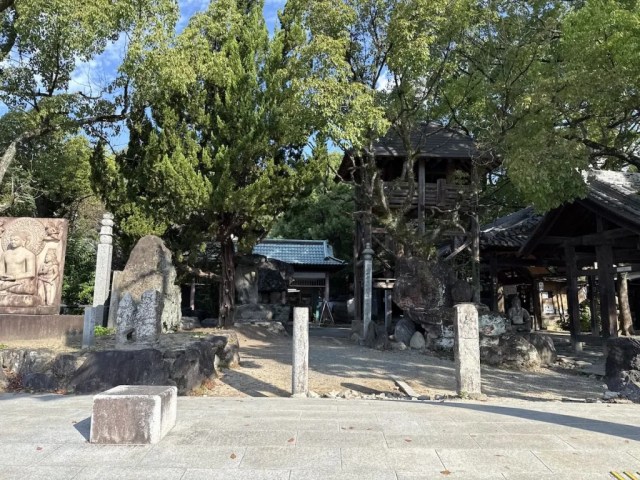
Upon reaching the sprawling grounds of Ishiteji Temple, the 51st stop on the 88-temple pilgrimage, the educational component of the tour intensifies.
The Bridge Protocol
Shortly after entering the temple threshold, the group encounters a traditional stone bridge. The guide immediately issues a strict instruction: participants must take care not to strike the surface of the bridge with the bottom of their wooden walking sticks (kongozue).
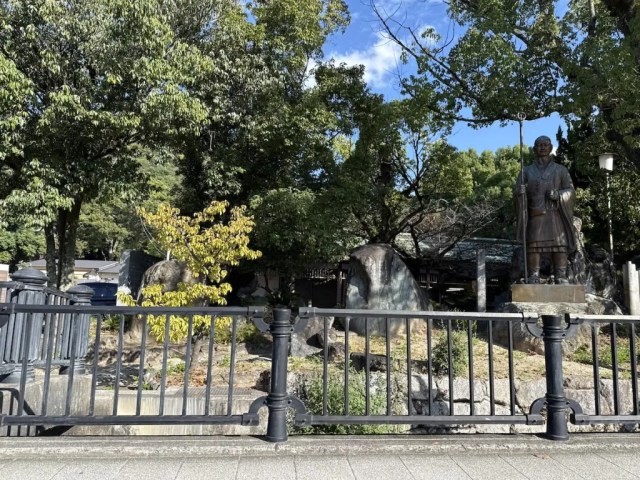
This specific prohibition deviates from standard temple etiquette across Japan and is rooted directly in the legend of Kūkai. During his pioneering ninth-century journey across Shikoku, structured hospitality networks and commercial inns were virtually nonexistent. Kūkai frequently found himself without shelter as night fell, often sleeping rough beneath the arches of stone and wooden bridges. Out of profound respect for the founding saint—who is viewed by followers as being perpetually alive and journeying alongside modern pilgrims—travelers refrain from tapping their staffs on bridge decks, symbolically ensuring they do not disturb the resting monk.
Incense, Candles, and Altruism
Inside the temple’s sacred halls, participants engage in the traditional acts of lighting candles and incense. Here, the guide imparts another lesson centered on communal harmony. Rather than placing offerings haphazardly, pilgrims are instructed to position their lit candles and incense sticks in the highest, furthest back, and most centrally aligned spaces available. This deliberate placement ensures that subsequent visitors can place their own offerings without passing their hands over pre-existing flames, minimizing the risk of burns and prioritizing the comfort of fellow travelers.
Historical Refreshment: Roasted Mochi and Green Tea
Concluding the devotional rituals, the tour pauses for a brief period of culinary heritage. Participants are treated to a pairing of freshly roasted mochi ( pounded rice cakes)—a local specialty associated with Ishiteji Temple for generations—served alongside a cup of hot green tea. Offered as a set for 600 yen (approximately $3.80 USD), this simple snack provides a tangible taste of the sustenance that has comforted weary travelers through the centuries.
Supporting Context & Metrics: The Shikoku Pilgrimage by the Numbers
To fully appreciate the weight of a 90-minute experiential walk, it is vital to examine the macro-level metrics of the complete Shikoku Pilgrimage (Shikoku Henro):
Total Distance: Approximately 1,200 kilometers (745 miles) looping entirely around Shikoku island.
Number of Sacred Sites: Exactly 88 official temples, interspersed with numerous bansho (auxiliary temples) and sacred peaks.
Historical Timeline: Established over 1,200 years ago during the early Heian period by the monk Kūkai (Kōbo Daishi).
Average Completion Time:
On Foot (Walking): 40 to 60 days.
By Bicycle: 14 to 20 days.
By Car or Tour Bus: 7 to 10 days.
Economic and Cultural Impact: The pilgrimage welcomes hundreds of thousands of visitors annually, serving as a pillar of regional tourism and spiritual preservation in Western Japan.
The Matsuyama mini-pilgrimage represents precisely 1/88th of the physical journey, yet tourism analysts note that it captures nearly 100% of the cultural essence, making it an ideal entry point for international travelers with tight itineraries.
Official Perspectives and Cultural Philosophy
Local cultural authorities and tourism organizers emphasize that the Shikoku Pilgrimage has never required strict adherence to dogmatic religious creeds. Historically, the route has welcomed people from all walks of life—including samurai, merchants, peasants, and outcasts—irrespective of their strict sectarian affiliations within Buddhism.
A representative from regional tourism promotion initiatives notes:
"The beauty of the Shikoku Pilgrimage lies in its inclusivity. You do not need to be an initiated Buddhist monk, nor even a devout practitioner, to experience its benefits. The path is designed to strip away the noise of daily life through physical motion, shared community kindness, and quiet reflection. Whether you walk for six weeks or ninety minutes, the transformative core of the tradition remains entirely intact."
Tourists frequently report that the absence of severe solemnity creates a surprisingly welcoming atmosphere. Monks and local guides encourage quiet contemplation balanced with lighthearted camaraderie, ensuring that foreign visitors feel invited rather than intimidated by complex rituals.
Future Outlook: Micro-Tourism and Heritage Preservation
As global travel trends shift toward sustainable, culturally enriching, and time-efficient experiences, heritage walks like the Matsuyama Pilgrimage Experience are positioned for significant growth.
Heavy tourism pressures in Japan’s primary urban centers—such as Kyoto and Tokyo—have driven national and regional destination marketing organizations (DMOs) to promote regional, off-the-beaten-path destinations. Shikoku, historically isolated from the high-speed bullet train (shinkansen) network across its entirety, has increasingly leaned into experiential, slow-travel tourism products to attract discerning international visitors.
Industry experts project that guided micro-pilgrimages will serve as a vital funnel, introducing modern travelers to rural Japanese culture and encouraging longer stays in secondary cities like Matsuyama. By lowering the barrier to entry, these programs ensure that ancient traditions like the footsteps of Kūkai continue to resonate with new generations, securing the cultural and economic viability of the 88-temple route for centuries to come.
For travelers inspired to experience this unique blend of history, community warmth, and mindful walking, reservations for the Matsuyama guided walk can be secured directly through the official tourism portal of the Matsuyama Haiku tour provider website.










Belum ada komentar. Jadilah yang pertama berkomentar!