Japan’s hospitality landscape is defined by an intricate balance between deep-rooted historical preservation and ultra-refined modern luxury. Among the most influential custodians of this heritage is Seibu Prince Hotels & Resorts, a hospitality titan whose institutional roots trace back to post-war Japan. By acquiring, preserving, and reimagining former private estates, imperial properties, and aristocratic lands, the brand has spent decades transforming cultural treasures into world-class destinations.
From the honeymoon hideaway of Hollywood legends Marilyn Monroe and Joe DiMaggio at the historic Kawana Hotel to the alpine cradle of Japanese winter culture at the Naeba Prince Hotel, Seibu Prince properties do more than offer lodging. They serve as living museums of Japanese leisure history. This comprehensive examination explores how a post-war real estate strategy evolved into a cornerstone of global luxury tourism, detailing the architectural triumphs, cultural milestones, and heritage estates that continue to define the Seibu Prince portfolio today.
Detailed Chronology: The Evolution of an Empire
The institutional trajectory of Seibu Prince Hotels & Resorts is closely tied to the socioeconomic shifts of 20th-century Japan. The brand’s genesis is rooted in the aftermath of World War II, a period of radical redistribution of wealth and land that left former imperial family members and nobility struggling to maintain their expansive estates.
[1947] ── Inaugural Prince Hotel opens in Karuizawa (Former Prince Asaka Estate)
  │
[1953] ── Grand Prince Hotel Takanawa established on former Takeda-no-miya grounds
  │
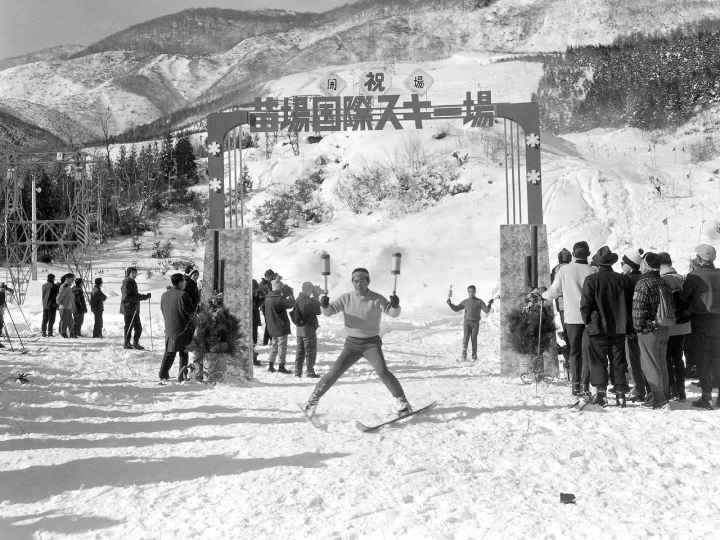
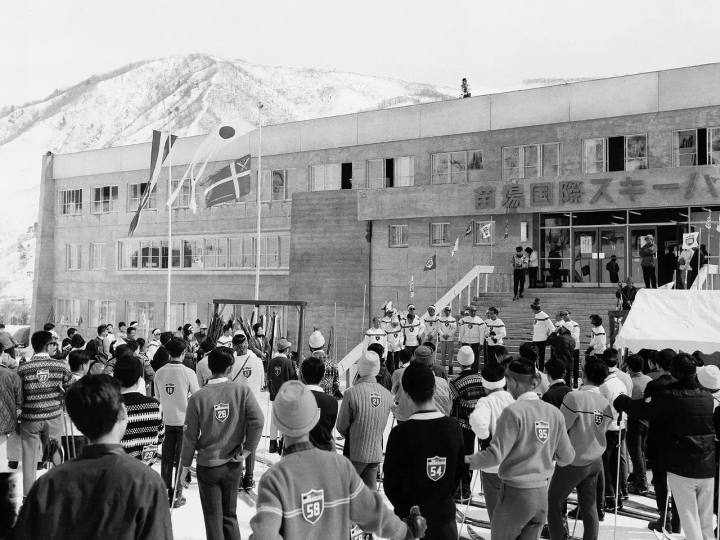
[1961-72] ── Expansion into winter sports: Naeba Kokusai Ski Resort transforms into Naeba Prince Hotel
  │
[1978] ── Togo Murano designs eco-conscious Hakone Prince Hotel (Lake Ashinoko)
  │
[2002-15] ── Acquisition of Kawana Hotel; Portfolio-wide rebranding under Seibu Group
1. The Post-War Genesis and the Birth of Karuizawa (1947)
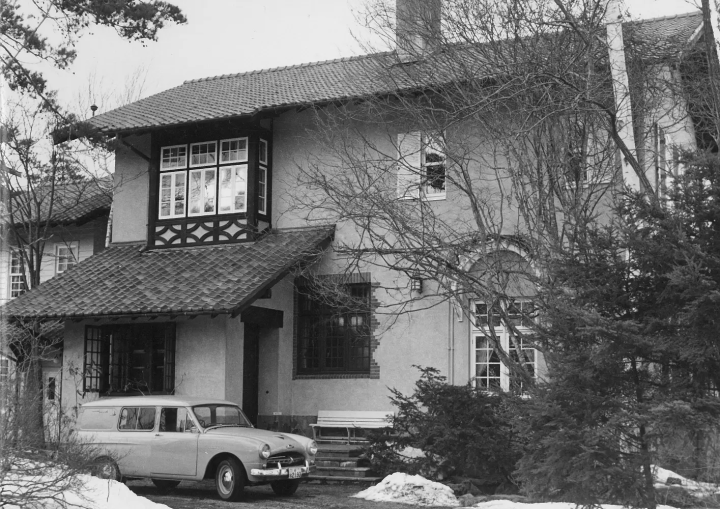
The legacy of Prince Hotels began in 1947 with the opening of the original Prince Hotel inside a meticulously renovated estate in Karuizawa, formerly owned by Prince Asaka of the Japanese Imperial Family. Recognizing the historical and architectural value of these noble lands, the Seibu Group intervened to protect them from fragmentation. This strategic move established a corporate ethos: to preserve Japan’s cultural heritage while introducing modern luxury infrastructure.
Over the decades, the Karuizawa property expanded. In 1973, it underwent a complete structural reconstruction to emerge as the Karuizawa Prince Hotel. The integration of premier golf courses and expansive ski slopes successfully transformed the mountain enclave into Japan’s first truly integrated, year-round resort destination. The evolution continued in 1995 with the opening of the Karuizawa Prince Shopping Plaza on a reclaimed former golf course adjacent to the resort, cementing the town’s status as a premier domestic escape.
2. Post-War Urban Regeneration: Grand Prince Hotel Takanawa (1953)
Shifting focus to the capital, the Seibu Group established an urban footprint in Tokyo with the opening of the Shinagawa Prince Hotel in 1953, later designated as the Takanawa Prince Hotel. Situated on the former grounds of the Takeda-no-miya imperial residence just minutes from Shinagawa Station, the property became an urban sanctuary. In the 1970s, the resort unveiled its masterwork: a sprawling, 20,000-square-meter Japanese garden designed by Teiji Kusuoka, the celebrated landscape architect behind the Tokyo Imperial Palace grounds. Rebranded as the Grand Prince Hotel Takanawa in 2007, the property seamlessly bridges imperial legacy with contemporary urban hospitality.
3. Pioneering Winter Sports Culture: Naeba Prince Hotel (1961–1972)
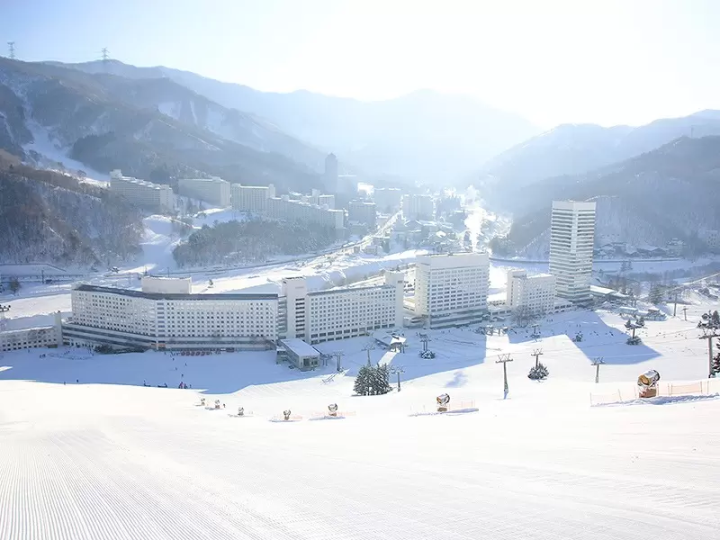
Long before international ski enthusiasts discovered Japan’s legendary powder snow, domestic winter sports culture was cultivated in Niigata Prefecture. The Naeba estate opened in 1961 as the Naeba Kokusai Ski Resort, followed closely by the Naeba Ski House. Officially renamed the Naeba Prince Hotel in 1972, the property achieved global prestige by hosting Japan’s inaugural FIS Alpine Ski World Cup in 1973. During Japan’s bubble economy of the 1980s and 1990s, the hotel attained legendary cultural status, serving as the backdrop for Yumi Matsutoya’s iconic annual "SURF & SNOW" winter concerts and later providing a permanent summer home for the world-famous Fuji Rock Festival.
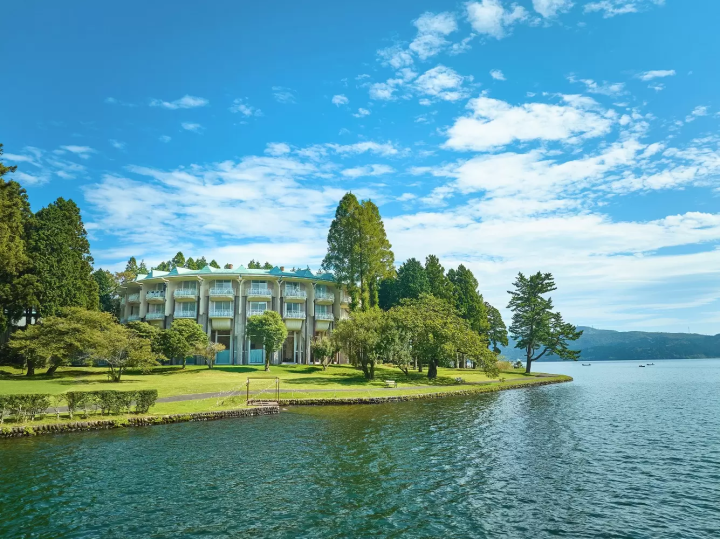
4. Eco-Conscious Architectural Mastery: The Prince Hakone Lake Ashinoko (1978)
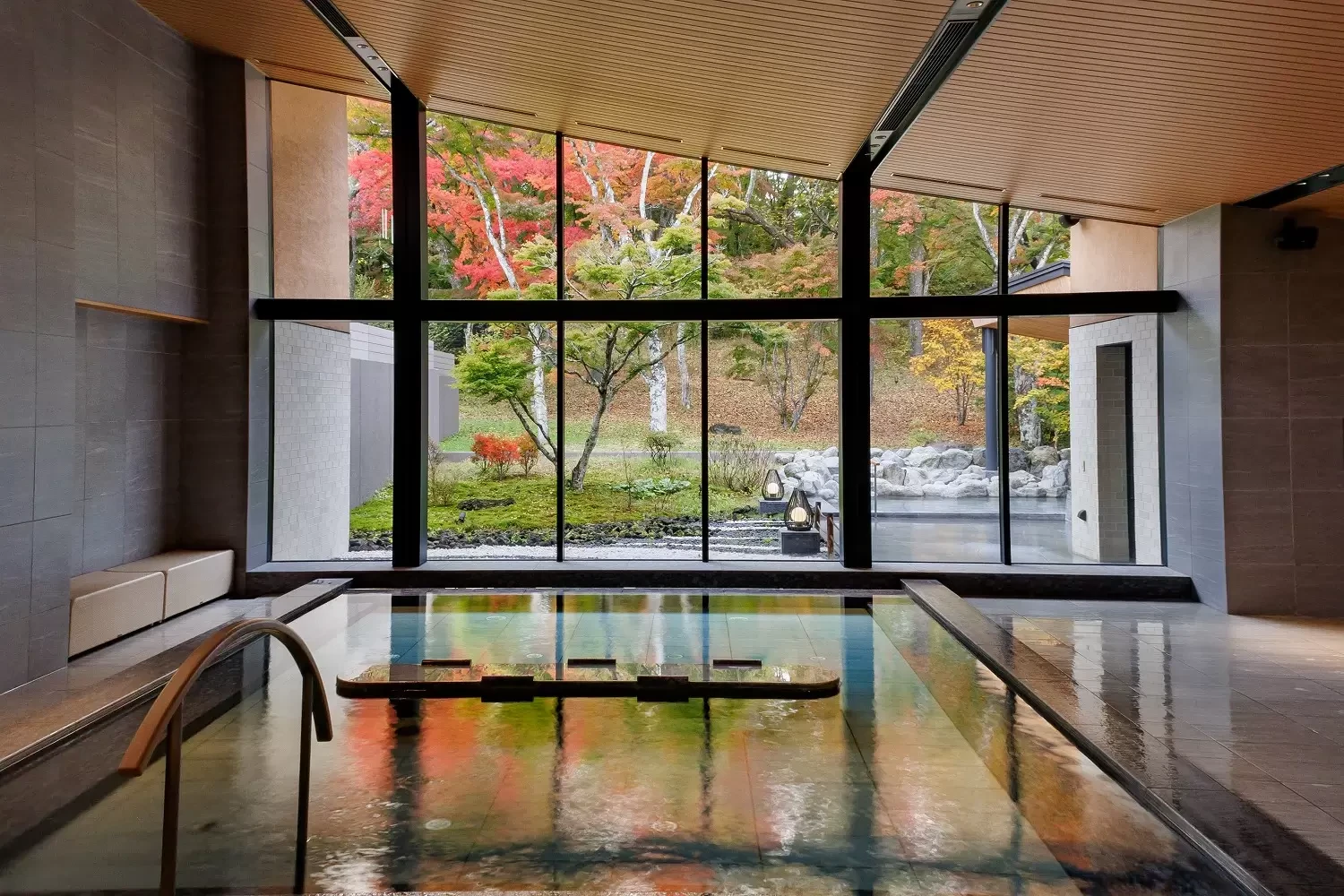
In Hakone—a region internationally celebrated for thermal hot springs and dramatic mountain topography—the Seibu Group established the Hakone International Village in 1956. This laid the groundwork for the 1978 opening of the Hakone Prince Hotel. Designed by master architect Togo Murano, the property was constructed using radical eco-conscious methods: not a single mature tree or foundational stone was displaced during its development. Renamed The Prince Hakone Lake Ashinoko in 2015, the hotel stands as an architectural triumph that honors its pristine lakeside environment.
5. A Century of Classic Luxury: Kawana Hotel (2002–Present)
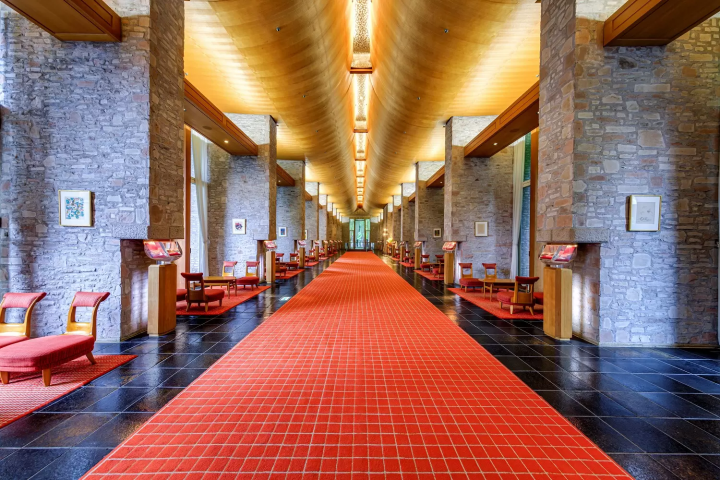
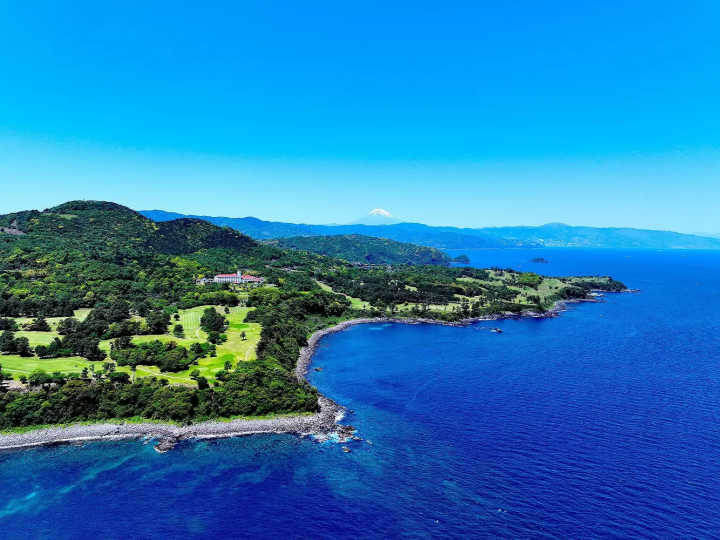
Originally constructed in the late 1920s as a private estate for Baron Kishichiro Okura, the Kawana Hotel on the Izu Peninsula features architecture inspired by classical British castles and officially opened as a hotel in 1936. Famed for its oceanfront championship golf courses, the property has hosted a pantheon of global dignitaries, cultural icons, and heads of state. Most famously, Hollywood icons Marilyn Monroe and Joe DiMaggio spent their honeymoon here in 1954. Following its integration into the Seibu Group portfolio in 2002, the Kawana Hotel has safeguarded its 1930s grandeur while offering modern luxury amenities.
Supporting Context & Metrics: The Architecture of Modern Leisure
To fully understand the scale and cultural impact of Seibu Prince Hotels & Resorts, one must examine the metrics of its development and the unique architectural methodologies employed across its signature properties.
Geographic Reach & Diversity: The portfolio spans from ultra-dense metropolitan hubs (Tokyo) to remote alpine sanctuaries (Niigata, Karuizawa) and coastal retreats (Izu, Hakone), offering diverse accommodation types ranging from alpine lodges and classic European-style country houses to traditional Japanese sukiya-style ryokans.
Land Stewardship: Over 50% of the properties sit on historically protected estates or feature massive, dedicated green spaces—exemplified by the 20,000-square-meter imperial garden at Grand Prince Hotel Takanawa and the untouched forest integration at The Prince Hakone Lake Ashinoko.
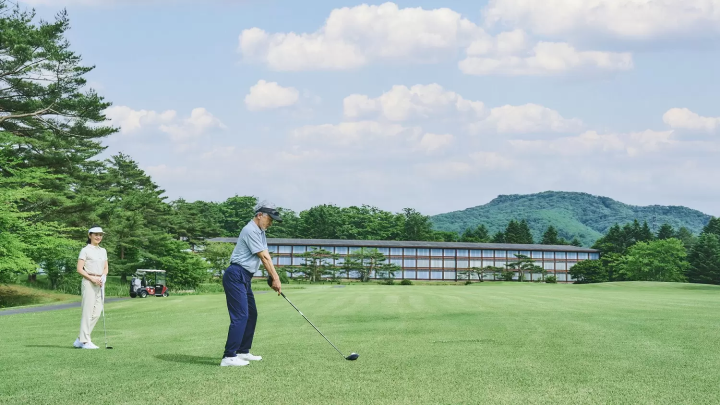
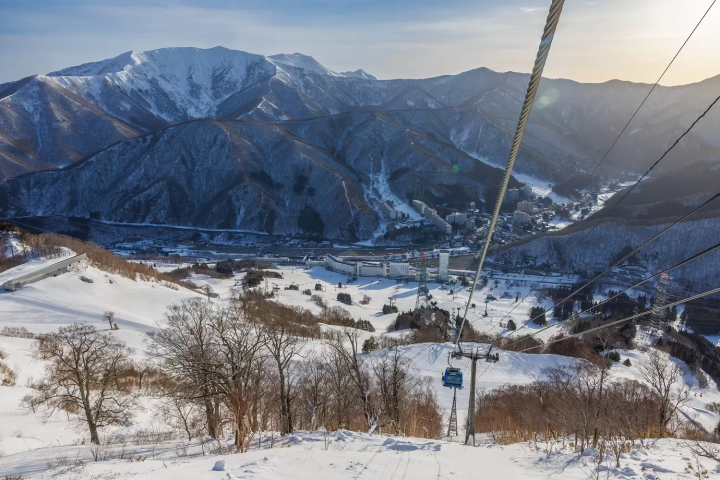
Recreational Infrastructure: Seibu Prince properties account for some of Japan’s most significant leisure infrastructure, including championship golf courses designed to international tournament standards, ski-in/ski-out alpine networks, and engineering feats like the Dragondola at Naeba—Japan’s longest ropeway, spanning 5,481 meters.
Official Statements & Brand Philosophy
Corporate leadership at Seibu Prince Hotels & Resorts has consistently emphasized that the brand’s primary mission extends far beyond commercial hospitality into the realm of cultural stewardship.
"Our foundational mandate has always been the preservation of historical integrity paired with the creation of modern value," notes a spokesperson for Seibu Prince Hotels & Resorts. "When guests step onto these properties—whether it is walking the halls of the Kawana Hotel where history was written, or strolling through the imperial gardens of Takanawa—they are not merely renting a room. They are participating in a living legacy. We act as stewards of Japan’s aristocratic and cultural history, ensuring that future generations can experience the authentic grace of these storied estates."
This philosophy dictates that every renovation, upgrade, and expansion must respect the ecological and historical DNA of the land. By employing master architects like Togo Murano and landscape visionaries like Teiji Kusuoka, the brand ensures that structural additions enhance rather than eclipse the natural and historical landscape.
Future Outlook: Heritage Hospitality in the 21st Century
As global tourism to Japan reaches unprecedented heights, international travelers are increasingly seeking destinations that offer cultural authenticity alongside uncompromised comfort. Seibu Prince Hotels & Resorts is uniquely positioned to capture this discerning demographic.
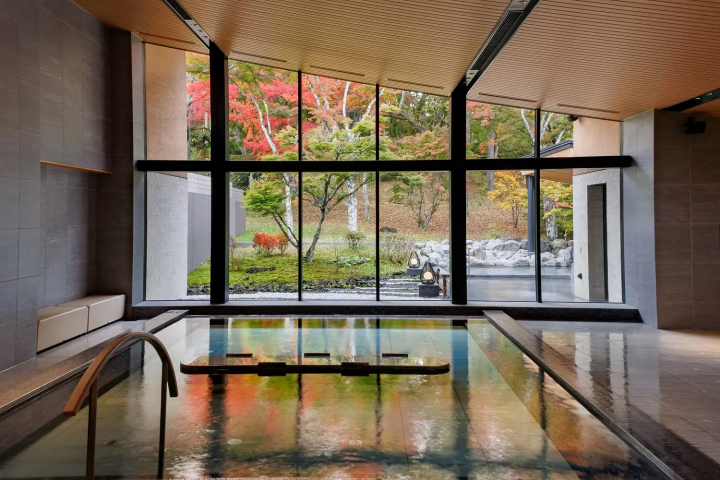
Future strategic initiatives focus on sustainable luxury, upgrading eco-infrastructure across mountain and lake resorts, and curating hyper-local cultural programming that highlights regional Japanese craftsmanship, heritage gastronomy, and wellness tourism centered around traditional onsen (hot spring) culture.
Properties such as Sanyo-so (an authentic sukiya-style inn in Izu-Nagaoka Onsen), The Prince Kyoto Takaragaike, and The Prince Gallery Tokyo Kioicho illustrate the brand’s capacity to innovate while honoring historical roots. By continuously bridging Japan’s storied past with forward-thinking hospitality standards, Seibu Prince Hotels & Resorts ensures that the golden age of Japanese resort culture is not merely remembered, but continuously relived.










Belum ada komentar. Jadilah yang pertama berkomentar!