

Executive Overview
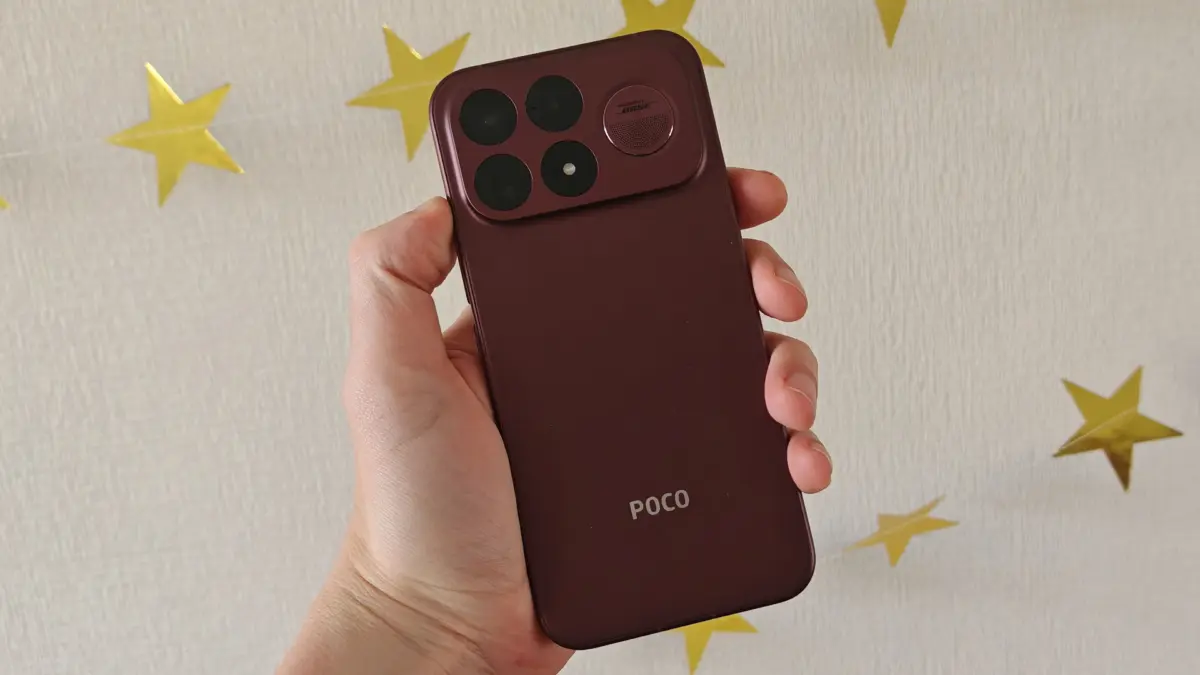
Xiaomi sub-brand Poco has formally launched its latest flagship smartphone, the Poco F9 Ultra, marking an ambitious bid to capture market share from established luxury contenders like the Samsung Galaxy S25 Ultra and the iPhone 17 Pro Max. Earning an authoritative 8/10 rating in comprehensive hardware evaluations, the F9 Ultra builds on the foundation laid by its predecessor, the F8 Ultra, delivering high-end computing power, long-lasting power systems, and specialized gaming features at a competitive price point.
Equipped with Qualcomm’s Snapdragon 8 Elite Gen 5 processor, a class-leading 185Hz AMOLED display, an unprecedented 8,050 mAh battery, and an integrated Bose audio system, the device challenges traditional flagship price-to-performance ratios. While minor thermal ramp-up hiccups and aggressive image post-processing slightly dampen its execution, the F9 Ultra stands out as a compelling, high-utility alternative for power users and mobile gaming enthusiasts.
Detailed Chronology: From Budget Disruptor to Flagship Contender
Poco’s strategic shift toward true flagship tiering began in earnest in 2025 with the release of the Poco F8 Ultra. That device demonstrated that Xiaomi’s sub-brand could transcend its mid-range roots, offering premium glass-and-metal builds alongside top-tier silicon without forcing consumers into four-figure price tags.

| Timeline / Phase | Strategic Milestone | Key Hardware / Operational Focus |
|---|---|---|
| 2025 Era | F8 Ultra Launch | Entry into premium tier; introduction of alternative back-plate materials (e.g., denim textures); aggressive pricing undercutting standard flagships. |
| Q1 2026 | Platform Development | Integration of Qualcomm Snapdragon 8 Elite Gen 5; engineering partnership with Bose for specialized micro-subwoofer architecture; implementation of 185Hz display panels. |
| Q3 2026 | Global Market Deployment | Simultaneous availability across the US, UK, and European Union; launch of HyperOS based on Android 16 with a 4-year OS update roadmap. |
| Testing Period | 7-Day Intensive Hardware Audit | Multi-scenario stress testing using Honkai: Star Rail and PUBG Mobile, acoustic profiling, 100W/50W charging cycles, and real-world optics evaluation. |
During a seven-day testing regimen, the device was subjected to continuous stress benchmarks, heavy multimedia consumption, real-world camera deployments, and fast-charging trials to evaluate its structural, thermal, and electronic durability.
Supporting Context & Metrics: Hardware Benchmarks and Performance Analysis
Silicon, Thermals, and High-Refresh Display Dynamics
At the core of the Poco F9 Ultra is the Snapdragon 8 Elite Gen 5 chipset, paired with up to 16GB of LPDDR5X RAM and up to 1TB of internal storage. Raw compute benchmarks align closely with specialized gaming handhelds and phones, such as the REDMAGIC 11 Pro.
During stress tests featuring graphically intensive titles—specifically Honkai: Star Rail and PUBG Mobile set to maximum graphic profiles—the device delivered stable frame rates. However, testing identified a distinct behavioral pattern:

- Initial Warm-up Phase: During the first five minutes of high-load gaming sessions, minor micro-stutters were observed.
- Sustained Performance Phase: Beyond the five-minute mark, frame rendering stabilized completely, sustaining near-peak FPS without thermal throttling.
- Thermal Management: Xiaomi’s proprietary LiquidCool Technology kept surface temperatures constrained. Even under continuous one-hour gaming sessions or massive game assets downloads, chassis thermals remained strictly within lukewarm thresholds (under 41°C), outperforming several dedicated gaming devices that suffer from aggressive thermal spikes.
[Power On / Game Boot]
       │
       ▼
(0 - 5 Mins)  ──► Transient Micro-Stuttering (Thermal/Clock Calibration)
       │
       ▼
(5 - 60+ Mins) ──► LiquidCool Activation ──► Stable Peak Frame Rates (Lukewarm Thermals)
The device features a 6.9-inch 185Hz AMOLED panel (2,608 x 1,200 resolution). While the 185Hz refresh rate provides fluid visual output in supported competitive titles like Call of Duty: Mobile, its utility outside high-frame-rate mobile gaming remains limited by standard Android application frame caps.
Power Systems: Battery Capacity and Fast-Charging Metrics
The inclusion of an 8,050 mAh battery represents a major hardware step forward for non-rugged flagships. Real-world usage data reveals high power efficiency:
- Heavy Gaming Consumption: Sustained load draws between 10% and 15% battery per hour, translating to an estimated 5 to 6 continuous hours of intensive gaming on a single charge.
- Wired Charging: Utilizing a 100W fast-charging brick, the device recharges from 0% to 100% capacity in under 60 minutes.
- Wireless Charging: Wireless charging speeds reach 50W, exceeding the wired charging throughput of established market competitors, including the iPhone 17 Pro Max (capped at 40W).
Optics & Acoustic Engineering
    ┌─────────────────────────────────────────────────────────┐
    │                Poco F9 Ultra Camera System              │
    └────────────────────────────┬────────────────────────────┘
                                 │
         ┌───────────────────────┼───────────────────────┐
         ▼                       ▼                       ▼
 200MP Main Lens         50MP Telephoto           50MP Ultra-Wide
 (High detail, slight     (Periscope optic,       (Broad field-of-view
  over-processing)        requires adjustment)     for landscapes)
The rear camera housing integrates a triple-sensor array led by a 200MP primary sensor, supplemented by a 50MP periscope telephoto lens and a 50MP ultra-wide sensor.

- Primary Sensor Analysis: Image captures reveal sharp detail recovery, edge clarity, and accurate ambient light mapping. However, Xiaomi’s image signal processor (ISP) exhibits aggressive software processing. In close-up subject testing (such as animal fur), algorithms tend to alter original color tones, applying a silvery hue over natural shades.
- Telephoto and Ultra-Wide Capabilities: High-contrast landscape scenes yield vibrant colors and balanced dynamic range. The 50MP periscope lens offers strong optical reach, though interface adjustments are required to optimize focus modes.
- Front Camera: A 32MP sensor delivers clean facial detail, though color saturation trails slightly behind Apple and Samsung alternatives.
A key hardware feature of the F9 Ultra is its acoustic collaboration with Bose. The unit incorporates dual stereo speakers alongside an internal Bose micro-subwoofer. The resulting audio delivers deep bass resonance and clear spatial separation, significantly boosting immersion in action games and cinematic video playback without requiring external audio hardware.
Pricing and Specifications Breakdown
The Poco F9 Ultra is available in two finish variants—Dark Cherry and Black—across three global storage tiers:
Global Pricing Structure
| Model Configuration | MSRP (USD) | MSRP (GBP) | MSRP (EUR) |
|---|---|---|---|
| 12GB RAM + 256GB Storage | $799.00 | £899.00 | €1,099.99 |
| 16GB RAM + 512GB Storage | $949.00 | £999.00 | €1,199.99 |
| 16GB RAM + 1TB Storage (Reviewed) | $1,199.00 | £1,119.00 | €1,399.99 |
Full Technical Specifications Matrix
| Feature | Specification |
|---|---|
| Processor | Qualcomm Snapdragon 8 Elite Gen 5 |
| Operating System | Xiaomi HyperOS (built on Android 16) |
| Update Commitment | 4 Android OS upgrades |
| Display | 6.9-inch AMOLED, 185Hz Refresh Rate, 2,608 x 1,200 Resolution |
| Primary Camera Array | 200MP Main + 50MP Periscope Telephoto + 50MP Ultra-Wide |
| Selfie Camera | 32MP Front-facing |
| Battery & Charging | 8,050 mAh; 100W Wired Fast-Charge, 50W Wireless |
| Audio | Bose Dual Speakers with Integrated Bose Subwoofer |
| Build & Protection | IP68 Dust/Water Resistance, Corning Gorilla Glass Front |
| Dimensions & Weight | 163.49 mm x 77.94 mm x 8.74 mm; 235 grams |
Official Statements and Expert Verdict
Analyses from technology reviewers highlight both the strengths and trade-offs of Xiaomi’s flagship strategy.

"The Poco F9 Ultra is an affordable flagship that doesn’t feel cheap. It offers reliable performance, fantastic battery life, and a screen that rivals the better gaming phones on the market," notes hardware reviewer commentary from Pocket Tactics. "It’s not perfect, with its cameras a bit heavy on processing and the odd gaming hiccup, but for the price, it’s a really impressive alternative to the latest Samsung and Apple flagships."
System-level evaluation confirms that Xiaomi HyperOS (Android 16) offers a cleaner UI experience than earlier MIUI software iterations. Unnecessary pre-installed software (bloatware) has been trimmed down.
AI capabilities, marketed under Xiaomi HyperAI, are consolidated within the system settings menu rather than pushed aggressively onto the user home screen. This suite includes generative text assistance, dynamic AI wallpaper generation, and post-capture image editing.

       ┌────────────────────────────────────────────────────────┐
       │              Xiaomi HyperOS Software Suite             │
       └───────────────────────────┬────────────────────────────┘
                                   │
         ┌─────────────────────────┴─────────────────────────┐
         ▼                                                   ▼
┌─────────────────────────────────┐                 ┌─────────────────────────────────┐
│        HyperAI (Opt-In)         │                 │      Game Turbo Utility         │
├─────────────────────────────────┤                 ├─────────────────────────────────┤
│ • Image editing suite           │                 │ • Real-time FPS monitoring      │
│ • Contextual writing assistance │                 │ • Performance tuning toggles    │
│ • Dynamic wallpaper generation  │                 │ • Acoustic EQ management        │
└─────────────────────────────────┘                 └─────────────────────────────────┘
Software updates are set at four major Android OS upgrades, which falls short of the seven-year support windows offered by Samsung and Google, but remains competitive for high-performance enthusiast phones.
Future Outlook: The Shifting Landscape of Premium Smartphones
The release of the Poco F9 Ultra creates a complex competitive dynamic both within the broader market and inside Xiaomi’s own lineup:
- Pressure on Dedicated Gaming Phones: By incorporating a 185Hz display, advanced thermal management, and dedicated Bose audio, the F9 Ultra directly challenges specialized gaming devices like the REDMAGIC series. It offers similar gaming utility while maintaining a sleek, everyday design and an IP68 durability rating.
- Internal Competition with Xiaomi 17T Pro: The F9 Ultra competes closely with its sister model, the Xiaomi 17T Pro. While the 17T Pro targets camera enthusiasts with more natural image processing at a slightly lower price point, the F9 Ultra stands out as the superior pick for power users focused on raw performance, battery size, and gaming display features.
- Challenge to Traditional Premium Brands: As top-tier flagships from Apple and Samsung push past the $1,200 mark for baseline models, Poco’s ability to offer a 1TB storage configuration with top-end silicon at $1,199 forces mainstream manufacturers to re-evaluate their entry-level flagship pricing strategy.
Despite a small price increase over the F8 Ultra and minor image processing flaws, the Poco F9 Ultra confirms Poco’s transition from a budget-focused brand to a key player in the high-performance flagship market.







Belum ada komentar. Jadilah yang pertama berkomentar!