

Executive Overview
In the fast-paced ecosystem of digital content creation, few currencies are as valuable—or as fiercely contested—as the verification badge. For creators, this small digital insignia serves as a badge of honor, a marker of authority, and a vital shield against the pervasive threat of impersonation. In September 2019, video-sharing giant YouTube discovered just how delicate this ecosystem of trust truly is.
Following a sweeping, unilateral announcement that sought to overhaul its verification criteria and strip thousands of established creators of their hard-earned checkmarks, YouTube triggered a massive community uproar. The backlash was swift, vocal, and unified, forcing the platform into a rare and humiliating public retreat.
Within 24 hours of its initial policy rollout, YouTube executive leadership executed a complete U-turn, issuing a formal apology and shelving the most controversial aspects of the update. This incident serves as a fascinating case study in platform governance, illustrating the profound friction that occurs when Silicon Valley tech giants attempt to unilaterally restructure community standards without adequate consultation. This report examines the chronological unfolding of the 2019 YouTube verification crisis, the data and rationale driving the platform’s initial decisions, the anatomy of the creator backlash, and the long-term implications for digital identity management.
Detailed Chronology: A 24-Hour Policy Disaster
To understand the magnitude of the 2019 YouTube verification controversy, one must examine the timeline of events that transformed a routine platform policy update into a full-scale public relations crisis.
Day One: The Unheralded Announcement
On September 19, 2019, YouTube published a blog post outlining comprehensive changes to its channel verification program. The stated goals were twofold: to protect creators from rampant impersonation and to eliminate widespread user confusion regarding what the verification badge actually meant.
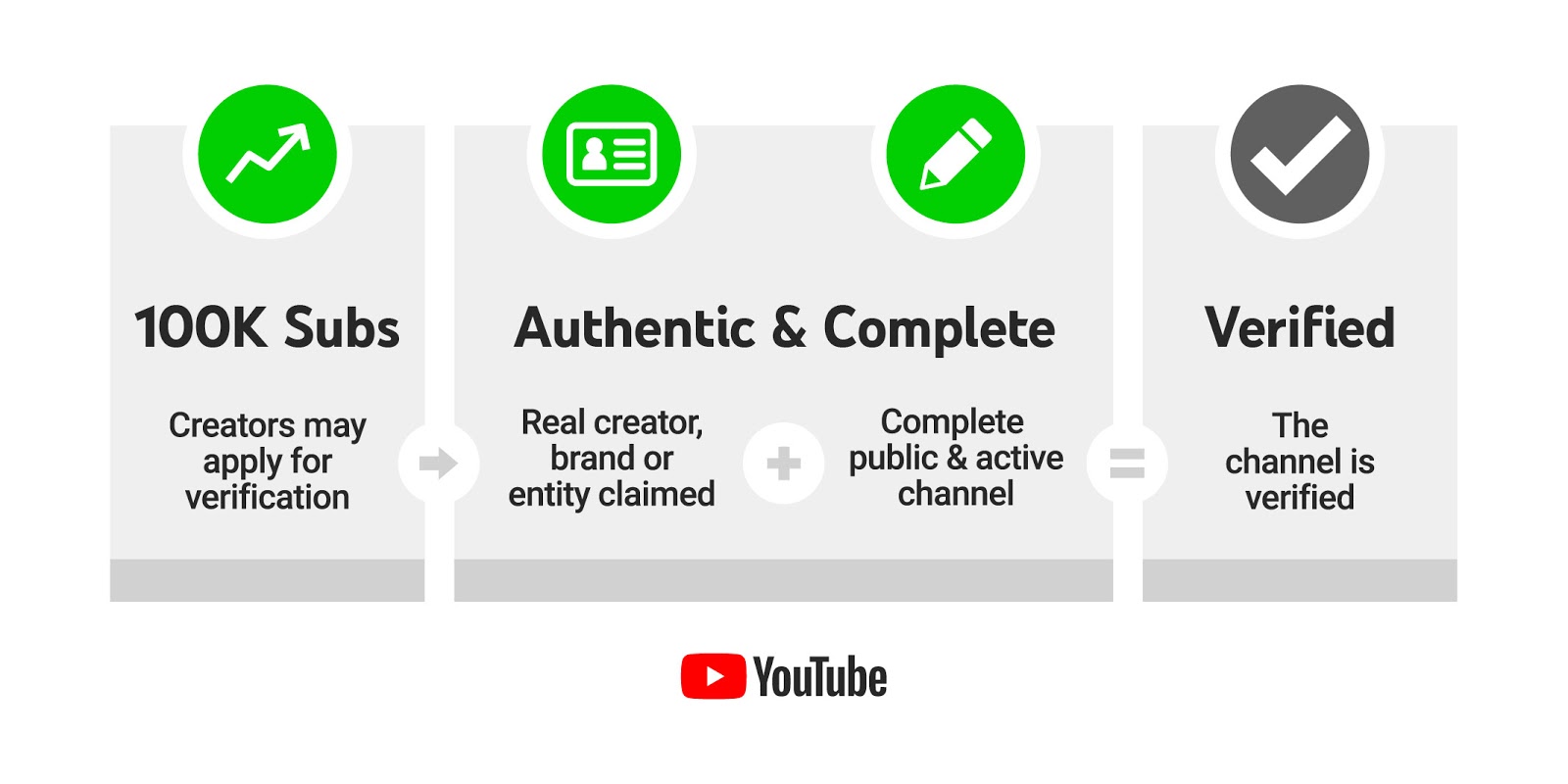
Under the old rules, any channel that crossed the milestone of 100,000 subscribers was eligible to apply for and receive verification. YouTube argued that this threshold, while effective in the platform’s early days, had become obsolete as the ecosystem expanded and grew increasingly complex. The platform announced a complete overhaul, which included:
- Stricter Eligibility Criteria: Shifting away from a pure subscriber-count model to a nebulous assessment of "prominence" and "authenticity need."
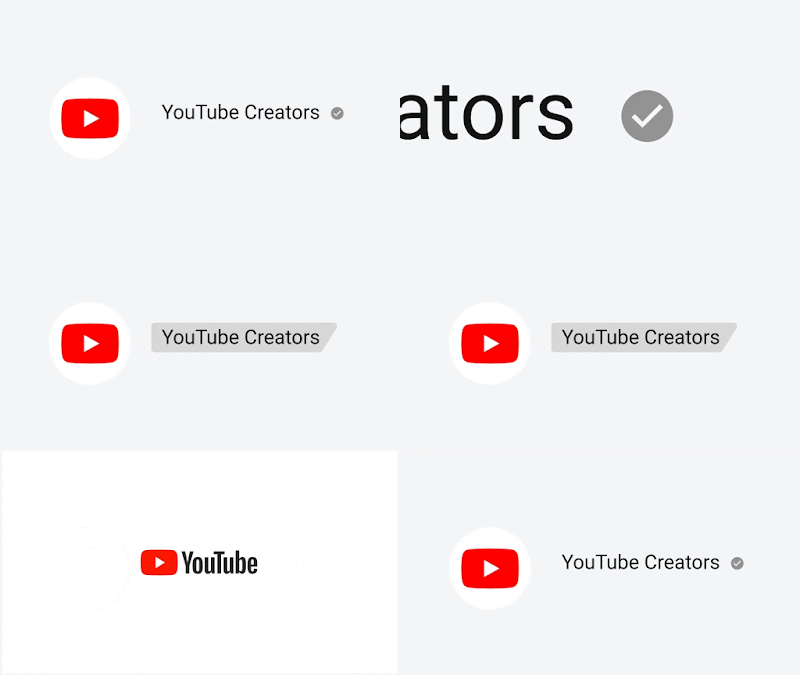
- A Redesigned Badge: Replacing the classic checkmark with a new visual design that would roll out across the platform. Critically, thousands of existing verified channels—many with millions of subscribers—faced the prospect of losing their status under the new retroactive rules, requiring them to wait for a reassessment under opaque new guidelines.
The Immediate Backlash
The reaction from the creator community was instantaneous and explosive. Creators large and small took to Twitter, Reddit, and, ironically, YouTube itself to voice their outrage. Creators pointed out that losing their verification status would not only damage their professional standing with brands and sponsors, but it would also leave their audiences vulnerable to scammers and copycat channels capitalizing on the sudden vacuum of authority.
Tech journalists and digital rights advocates amplified the criticism, characterizing YouTube’s move as tone-deaf, arbitrary, and dismissive of the very creators who built the platform’s multi-billion-dollar economy. The hashtag #YouTubeIsOver and variations regarding the verification update trended globally as frustration boiled over.
Day Two: The Apology and Policy Reversal
Realizing the depth of the anger and the potential long-term damage to creator relations, YouTube’s leadership acted with unusual speed. At 3:00 p.m. on September 20, 2019, the platform published an emergency update to its original post.
The tone was markedly different—conciliatory, transparent, and direct. YouTube acknowledged that, in its attempt to roll out program improvements, it had "completely missed the mark." The platform formally apologized for the frustration caused and outlined an immediate series of corrective measures:
- Grandfathering Existing Badges: Channels that already possessed a verification badge were allowed to keep it. They were spared the anxiety of appealing or facing retroactive demotion.
- Preserving the 100,000-Subscriber Threshold: YouTube reaffirmed that channels crossing the 100,000-subscriber mark would remain eligible to apply for verification when the process reopened in late October.
- Delaying the Visual Redesign: Due to the sweeping nature of the changes and the community pushback, the rollout of the new badge design was pushed back to the following year.
Supporting Context & Metrics: Why YouTube Tried to Change
While YouTube’s execution was disastrous, the platform’s underlying motivations were rooted in genuine structural challenges that plagued the site as it scaled into a global media behemoth. To evaluate the crisis fairly, one must analyze the data and metrics that prompted YouTube to attempt the overhaul in the first place.
The Scourge of Impersonation
Impersonation is a pervasive menace in modern digital media. Bad actors frequently create duplicate channels—often using identical profile pictures, handles, and branding—to deceive viewers, spread misinformation, or scam unsuspecting fans through fraudulent cryptocurrency giveaways and phishing links.
According to internal metrics cited by YouTube during the 2019 policy rollout, the platform received tens of thousands of complaints every year from creators struggling with identity theft and impersonation. For mid-tier and niche creators, these attacks could severely damage their reputations and siphon off valuable audience engagement. YouTube leadership genuinely believed that tightening verification standards would allow them to focus resources on authenticating creators who genuinely needed protection against bad actors.
The Misunderstanding of the Checkmark
Perhaps the most compelling argument YouTube made regarding the old system stemmed from user perception studies. Prior to the overhaul, internal research revealed a startling statistic: nearly a third of YouTube users misunderstood the meaning of the verification badge.
While creators and platform administrators understood the checkmark strictly as an indicator of identity (confirming that a channel belonged to the specific person or entity it claimed to represent), everyday viewers frequently interpreted it as an endorsement of content.
When a channel with a checkmark uploaded controversial, misleading, or offensive videos, viewers frequently blamed YouTube itself, assuming the platform was endorsing the material simply because of the gray checkmark next to the creator’s name. This semantic confusion created a significant moderation and liability headache for YouTube, motivating the platform to redesign both the criteria and the visual appearance of the badge to separate identity verification from content approval.
Official Statements and Institutional Reflection
The 2019 crisis prompted rare public introspection from YouTube executives. In their emergency retraction statement, platform representatives offered a candid assessment of their institutional missteps.
"Yesterday, we announced changes to the verification badge… While rolling out improvements to this program, we completely missed the mark. We’re sorry for the frustration that this caused and we have a few updates to share. First, we heard loud and clear how much the badge means to you."
This statement highlighted a persistent blind spot in Big Tech governance: the tendency to view creator metrics purely as data points rather than as deeply personal symbols of professional achievement and digital identity. For a YouTube creator, a verification badge is not merely a user interface element; it is professional validation earned through years of grueling content production, audience building, and creative labor.
By treating the badge as a disposable UI asset that could be revoked overnight via a generic blog post, YouTube fundamentally underestimated the emotional and professional capital invested in its verification system. The subsequent retreat demonstrated a vital lesson in platform economics: digital infrastructure cannot be managed effectively without deep, continuous empathy for the communities that inhabit it.
Future Outlook: The Evolution of Digital Trust
The fallout from the September 2019 verification debacle left a lasting imprint on how YouTube—and indeed the broader social media landscape—approaches digital identity verification.
Moving Toward a Balanced Approach
In the wake of the crisis, YouTube refined its verification process to strike a delicate balance between security and accessibility. The platform ultimately maintained its core pathway for creators crossing the 100,000-subscriber threshold while simultaneously introducing automated verification reviews designed to catch bad actors before they could exploit new accounts.
Furthermore, the platform recognized that identity verification cannot be a static, one-time event. As digital ecosystems evolve into multi-platform webs spanning short-form video (Shorts), live streaming, and community posts, maintaining consistent, spoof-proof trust indicators remains an ongoing engineering challenge.
The Broader Implications for Platform Governance
The 2019 YouTube controversy also serves as a bellwether for the creator economy at large. As platforms like Meta (Instagram and Facebook), X (formerly Twitter), TikTok, and YouTube wrestle with monetization, authentication, and the rise of generative AI-fueled deepfakes, the stakes for accurate digital verification have never been higher.
The introduction of paid verification models on other platforms in the years following the YouTube incident has only complicated the landscape, blurring the lines between authentication and subscription perks. However, YouTube’s ultimate decision to listen to its user base, honor existing credentials, and preserve accessibility for rising creators stands as a landmark moment in platform accountability.
Conclusion
YouTube’s attempted overhaul of its verification program in September 2019 will long be remembered as a masterclass in how not to manage community relations in the digital age. Driven by legitimate concerns over impersonation and widespread user confusion, the platform’s heavy-handed, retroactive policy changes threatened to alienate the very creators who power its global empire.
Yet, the rapid and transparent reversal that followed demonstrated the vital power of collective creator advocacy. By forcing YouTube to walk back its most punitive measures, the creator community preserved its hard-won trust markers and forced a major technology corporation to respect the human element behind the screen. As digital platforms continue to grapple with identity, authenticity, and security in an increasingly complex media landscape, the lessons of those turbulent 48 hours in September 2019 remain as relevant today as ever.





Belum ada komentar. Jadilah yang pertama berkomentar!