

Executive Overview
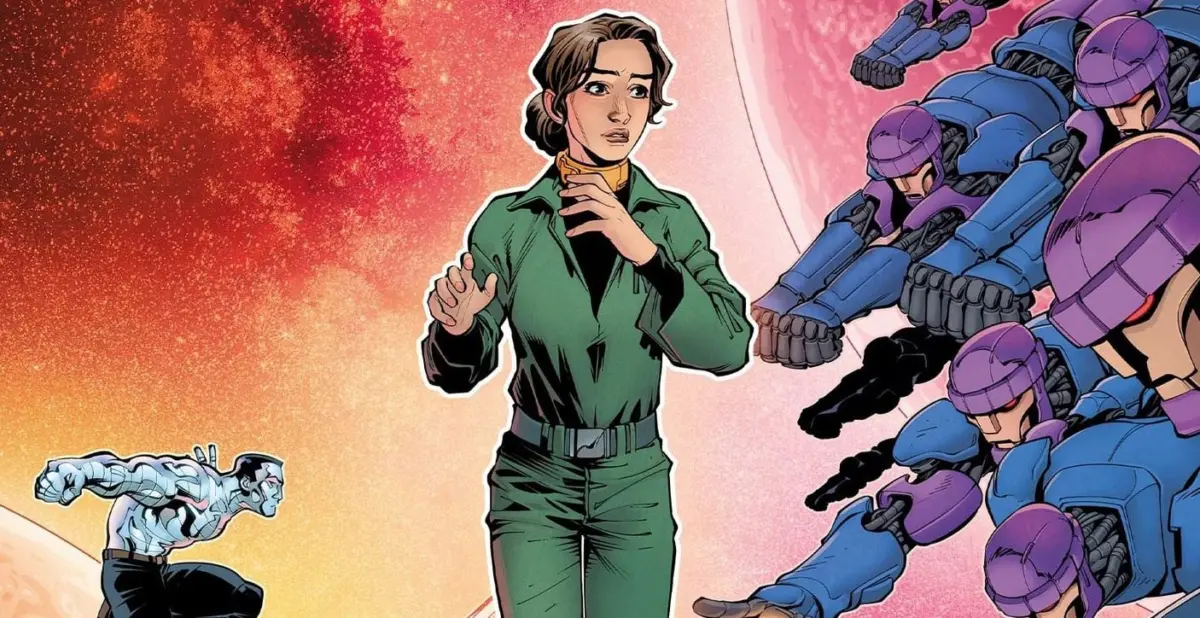
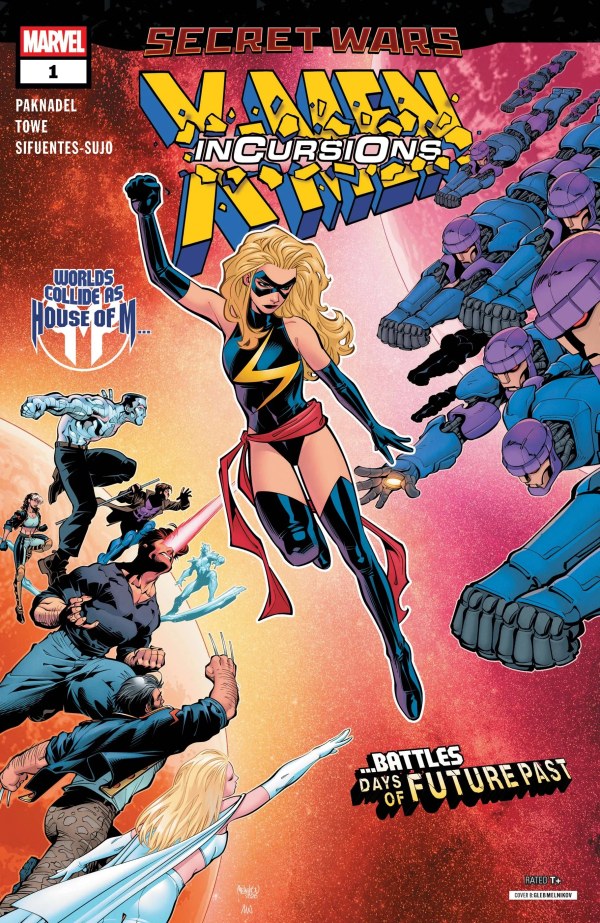
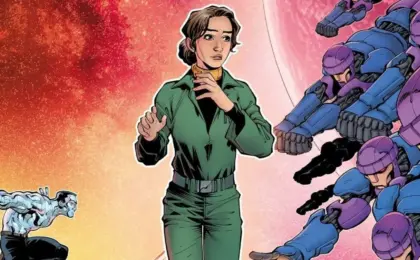
As Marvel Comics prepares to roll out its latest milestone publication, the intersection of two of the publisher’s most iconic alternate-reality storylines takes center stage. X-Men: Incursions #1, scheduled for release on Wednesday, November 18, 2026, marks the explosive kickoff of an ambitious five-part one-shot series. This narrative event bridges the gap between two defining paradigms in modern comic book history: the mutant-ascendent dominion of House of M and the dystopian, sentinel-ruled nightmare of Days of Future Past.
Set against the apocalyptic backdrop of the "time running out" era that preceded Jonathan Hickman’s monumental Secret Wars (2015), the book places a harrowing burden on the shoulders of Kate Pryde. With the clock ticking down to zero, two entire realities are on a collision course, leaving a catastrophic dilemma: orchestrate the survival of only one world at the cost of the other, or allow both to face absolute annihilation.
This analytical report explores the narrative anatomy of X-Men: Incursions #1, examining its thematic weight, its connection to Marvel’s broader multiversal lore, the narrative mechanics of the incursion event, and what this high-stakes storytelling means for the future of the X-Men franchise.
Detailed Chronology: The Road to Incursion
To understand the immense gravity of X-Men: Incursions #1, one must trace the winding historical trajectory of Marvel’s multiversal mechanics, specifically the catastrophic events leading up to the 2015 Secret Wars event. During that period, the multiverse was suffering from a terminal decay known as "incursions"—planetary bodies from parallel dimensions occupying the exact same space in the space-time continuum, with Earth acting as the focal point of destruction. If either Earth was not destroyed within an eight-hour window, both universes would collapse into nothingness.
While much of the original Time Runs Out storyline focused heavily on the Avengers, the Illuminati, and the ultimate fate of Earth-616 and the Ultimate Universe (Earth-1610), vast corners of the multiverse faced their own agonizing countdowns away from the main narrative spotlight. X-Men: Incursions #1 dives deep into one of these forgotten, high-stakes sectors.
In this specific narrative window, the world of House of M—where mutants reign supreme over a subjugated baseline humanity—collides physically and temporally with the apocalyptic wasteland of Days of Future Past, where mutants are hunted, interned, and slaughtered by monolithic Sentinels. The collision is not merely political or ideological; it is a literal spatial overlap that threatens to erase both starkly opposing paradigms.
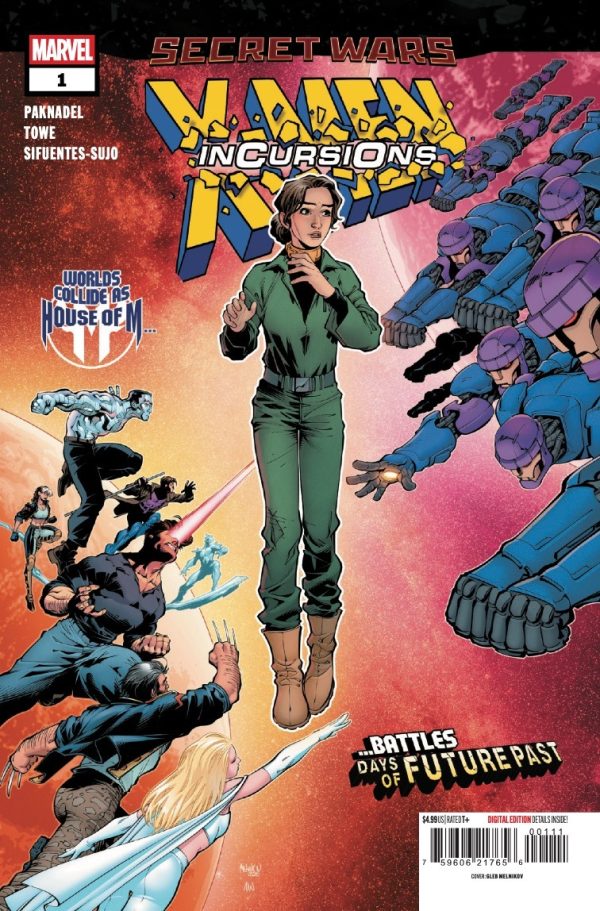
At the center of this convergence is Kate Pryde. Burdened with temporal awareness and seasoned by survival in a bleak future, Pryde finds herself designated as the ultimate arbiter. With merely eight hours remaining before the two realities violently merge and mutually implode, she must navigate the conflicting demands of Magneto’s mutant-dominant utopia and the resistance fighters of a ruined future. The clock is ticking, and every second brings the universes closer to terminal velocity.
Supporting Context & Metrics: The Anatomy of a Crossover Event
Event publishing in the comic book industry relies on a delicate balance of nostalgia, high-concept stakes, and character-driven drama. X-Men: Incursions #1 leverages intellectual properties that have defined decades of Marvel storytelling.
The Pillars of the Crossover
- House of M (2005): Written by Brian Michael Bendis with art by Olivier Coipel, this landmark storyline explored a world reshaped by the Scarlet Witch, where mutants formed the ruling class and Magneto sat atop a global empire. It remains one of the defining psychological explorations of mutant supremacy and societal stratification.
- Days of Future Past (1981): Crafted by legendary creative team Chris Claremont and John Byrne, this classic Uncanny X-Men arc introduced readers to a dystopian 2013 where Sentinels controlled North America and mutants lived in concentration camps. Kate Pryde’s consciousness was sent back in time to avert the assassination that triggered the timeline, cementing her legacy as a linchpin of mutant survival.
Multiversal Mechanics and Editorial Strategy
By marrying these two distinct intellectual properties through the lens of the "incursion" mechanic, Marvel editorial achieves several distinct creative goals:
- Revisiting Fan-Favorite Alternate Realities: Fans often clamor to see what happened to beloved alternate timelines after their initial stories concluded. This one-shot series serves as a narrative post-mortem and final test for these isolated worlds.
- Elevating Kate Pryde: While Kitty Pryde/Shadowcat/Captain Kate has long been a foundational member of the X-Men, positioning her as the ultimate moral judge over the survival of entire realities places her in rare narrative company alongside cosmic entities and omnipotent architects.
- Expanding the Secret Wars Tapestry: By filling in the "lost days" of the universal collapse, Marvel deepens the lore of one of its most commercially and critically successful modern crossovers, giving completists and modern readers fresh lenses through which to view the prelude to Battleworld.
Official Statements and Creative Insights
While publishing details for X-Men: Incursions #1 emphasize the visceral tension of the eight-hour countdown, promotional materials released by Marvel Comics underscore the psychological toll placed upon Kate Pryde.
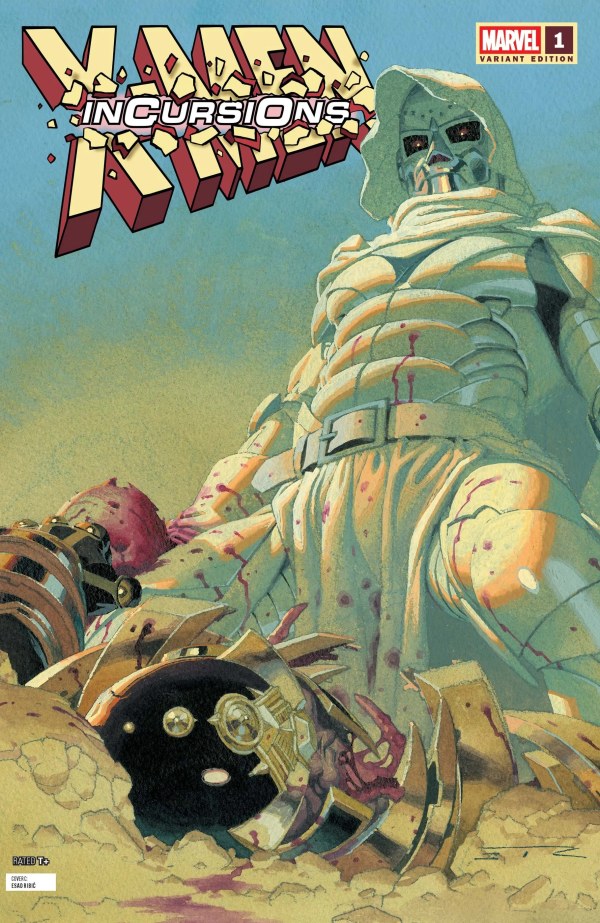
Editorial briefs highlight the overarching theme of the issue: “When time ran out, catastrophes unfolded across the cosmos. But not every story of those dark days has yet been revealed.” The publisher frames the five-part one-shot event as an unflinching look at hard choices, forcing characters from disparate realities to confront the finite nature of existence.
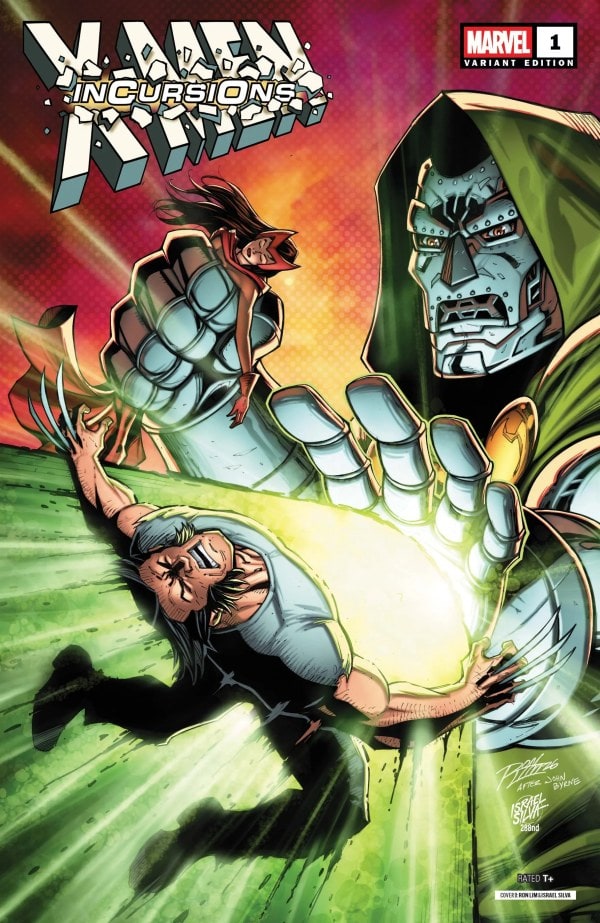
In promotional copy distributed ahead of the release, Marvel noted the unique friction generated by bringing the House of M paradigm—built on aggressive mutant dominance and unbridled power—into direct conflict with the desperate, survivalist ethos of the Days of Future Past era. Rather than relying solely on action set-pieces, the narrative hinges on the philosophical debate of which society, if either, possesses the moral right to exist when resources and space are reduced to zero.
Future Outlook: The Ripple Effects on the X-Men Universe
As the comic book industry continues to evolve in the mid-2020s, anthology miniseries and nostalgic one-shots play an increasingly vital role in maintaining fan engagement. X-Men: Incursions #1 is not merely a nostalgic exercise in fan service; it serves as a masterclass in how to mine established continuity for fresh emotional resonance.
The implications of this five-part publishing initiative extend far beyond a single week’s sales figures. By exploring how different iterations of the mutant race handle existential dread and ultimate extinction, creators are given a sandbox to dissect the core tenets of the X-Men mythos: coexistence, survival, sacrifice, and the enduring nature of hope against insurmountable odds.
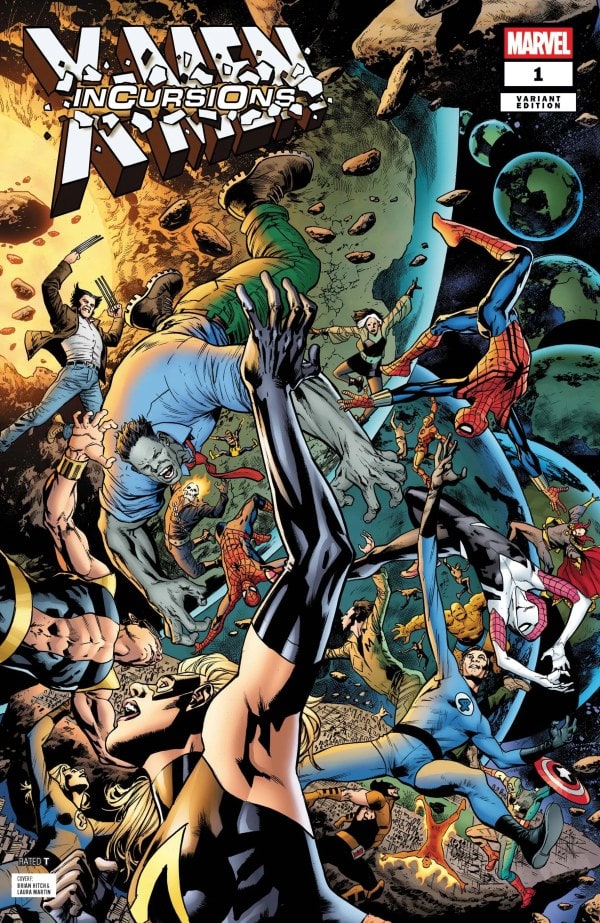
As readers dive into the digital and physical editions following its November 18, 2026 launch, the primary question remaining for collectors and enthusiasts is how the remaining four one-shots will expand upon this framework. If X-Men: Incursions #1 is any indication, Marvel’s exploration of the multiversal apocalypse will continue to challenge its heroes in ways that test the absolute limits of their morality and resolve.
X-Men: Incursions #1 is available in comic book shops and via digital storefronts such as Amazon Kindle and ComiXology starting Wednesday, November 18, 2026.







Belum ada komentar. Jadilah yang pertama berkomentar!