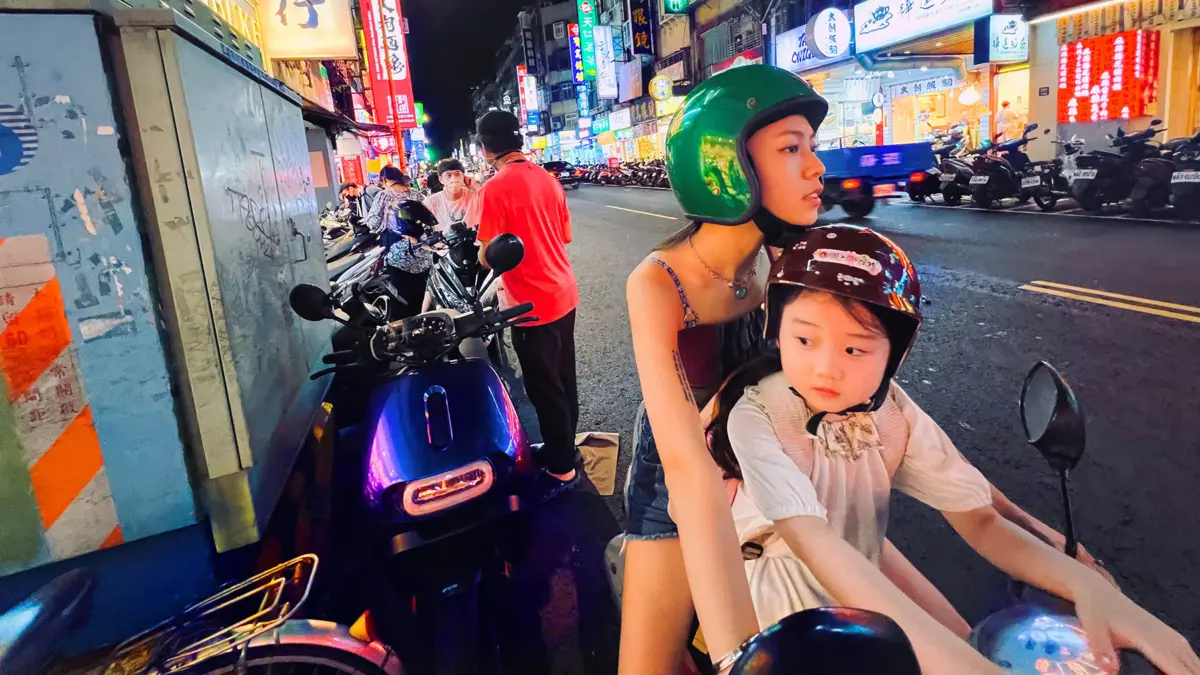
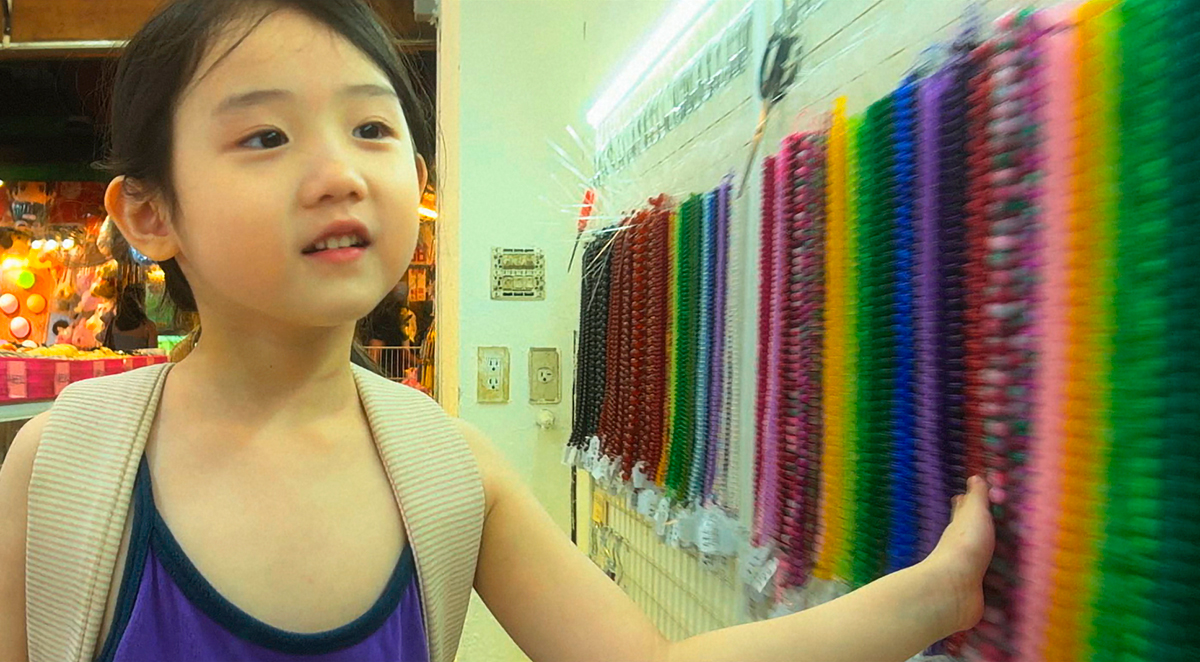
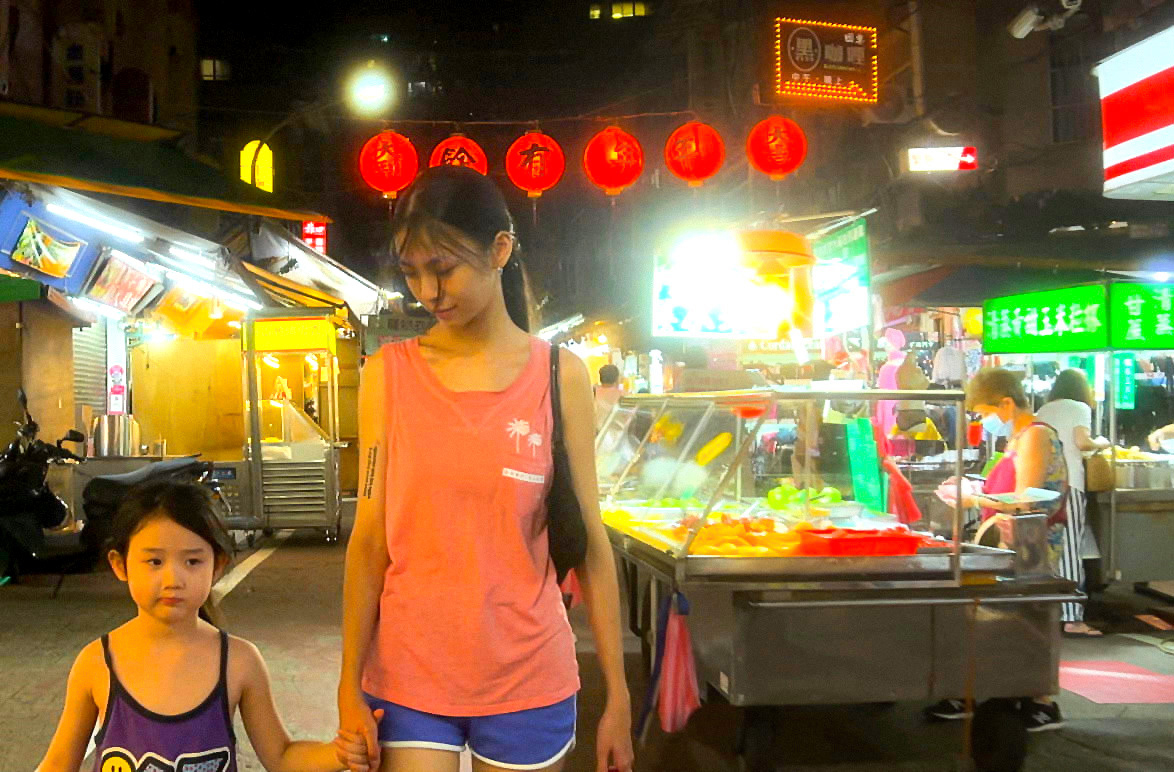
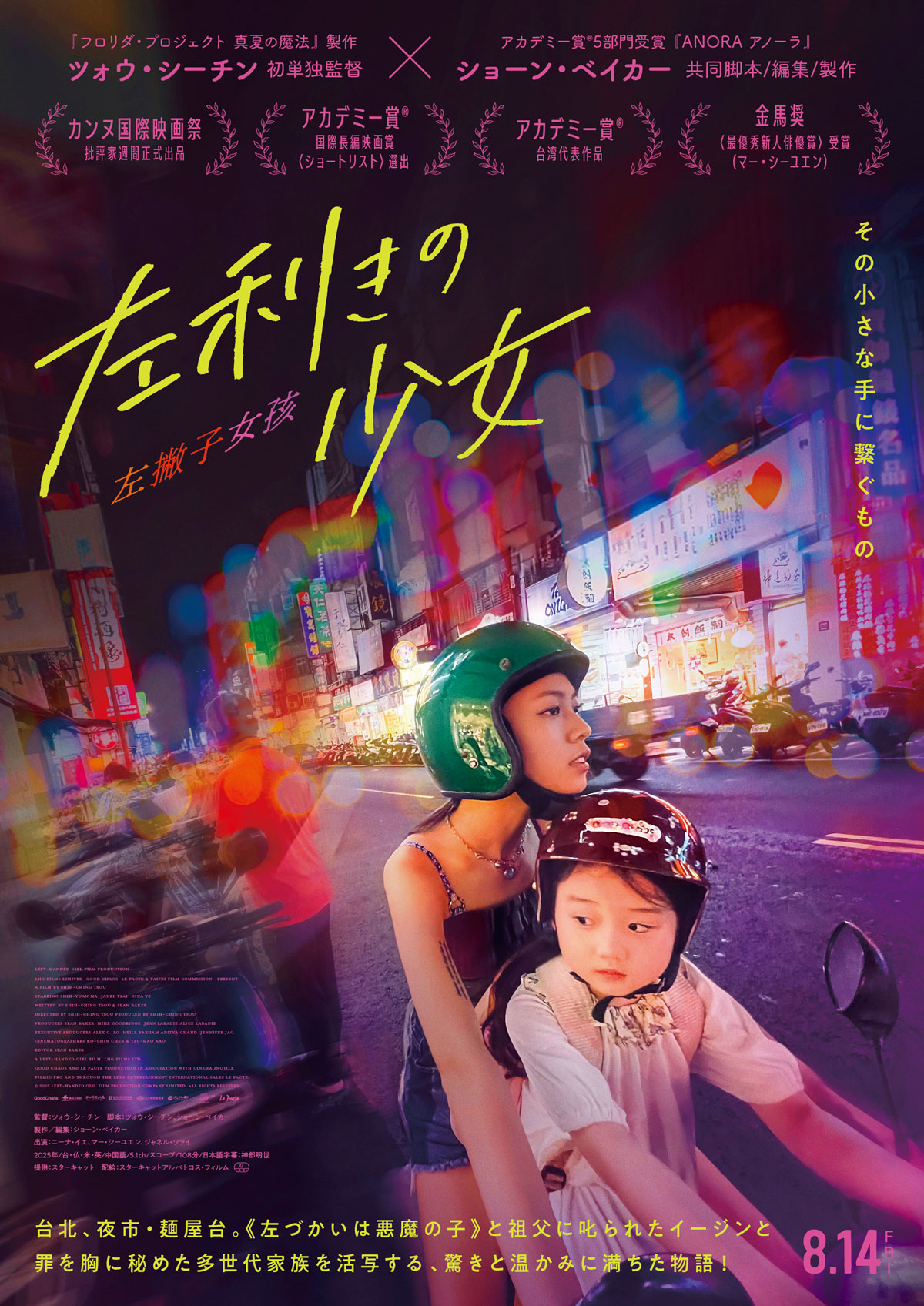
In the rapidly evolving landscape of contemporary independent cinema, the emergence of a truly radical project often redefines what is technologically and artistically possible on a micro-budget. The latest cinematic venture from director and producer Shih-Ching Tsou—internationally celebrated for her collaboration with Sean Baker on landmark independent films such as Tangerine (2015), The Florida Project (2017), and Red Rocket (2021)—presents a profound paradigm shift. Entitled Left-Handed Girl (production company: Left-Handed Girl Film Production Company Limited), this compelling feature-length narrative has captured critical attention not only for its raw, unfiltered dramatic intensity but also for its pioneering technical framework: it was shot entirely using Apple’s iPhone 13.
As the motion picture industry continues to grapple with the economic democratization of digital tools, Left-Handed Girl stands as a watershed moment. This comprehensive feature explores the anatomy of the production, the artistic motivations of Shih-Ching Tsou, the technical methodologies behind capturing a cinematic masterpiece on a consumer-grade smartphone, and the broader cultural implications for independent filmmaking globally.
Detailed Chronology & Production History
From Concept to Mobile Integration: The Genesis of Left-Handed Girl
The conceptual foundations of Left-Handed Girl trace back through Shih-Ching Tsou’s extensive career in independent filmmaking. Having served as a producer alongside Sean Baker since 2004, Tsou has cultivated an auteur-driven methodology defined by deep sociological observation, empathetic portrayals of marginalized communities, and rigorous adherence to authentic locations.
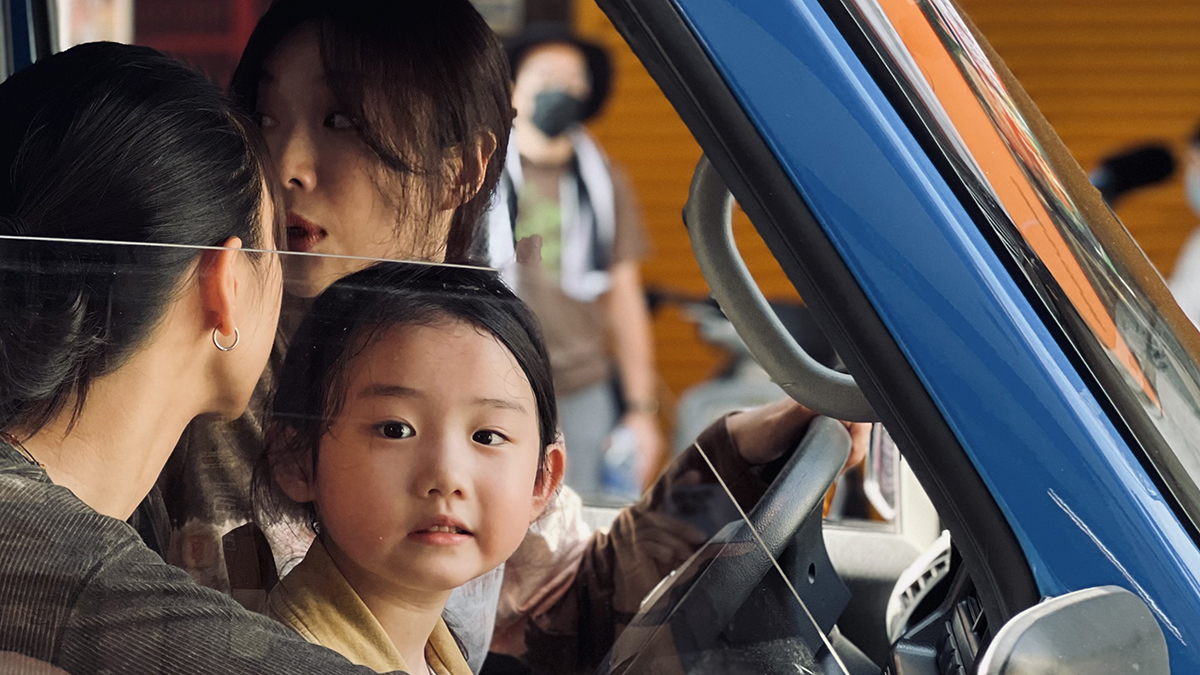
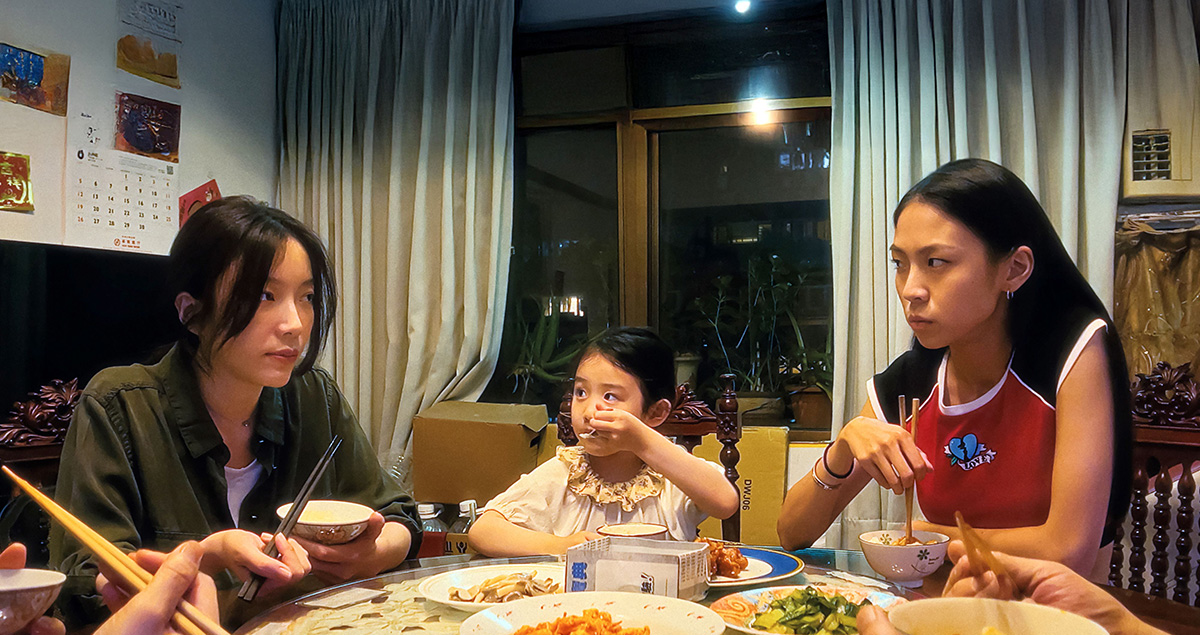
When Tsou initially conceived Left-Handed Girl, the objective was clear: to bypass the bureaucratic and financial gatekeepers of traditional studio financing by utilizing lightweight, highly mobile equipment. By choosing the iPhone 13 as the primary capture device, the production eliminated the heavy footprints of traditional cinema cameras, grips, and lighting packages. This deliberate choice allowed the crew to navigate dense urban environments—specifically focusing on intimate, claustrophobic domestic spaces—with unprecedented agility.
Production Milestones and On-Set Methodology
The shooting schedule for Left-Handed Girl unfolded across several intense weeks in targeted urban locations. Because the primary capture devices were consumer smartphones rather than bulky ARRI or RED systems, the dynamic between actors and crew fundamentally shifted.
Intimacy and Non-Intrusive Capture: Traditional film sets often induce anxiety among non-professional actors or people filmed in real-world environments. The physical presence of a massive cinema rig can alter human behavior. By substituting standard cameras with iPhones equipped with stabilization gimbals and anamorphic lens adapters, the production minimized self-consciousness, allowing performers to inhabit their characters naturally.
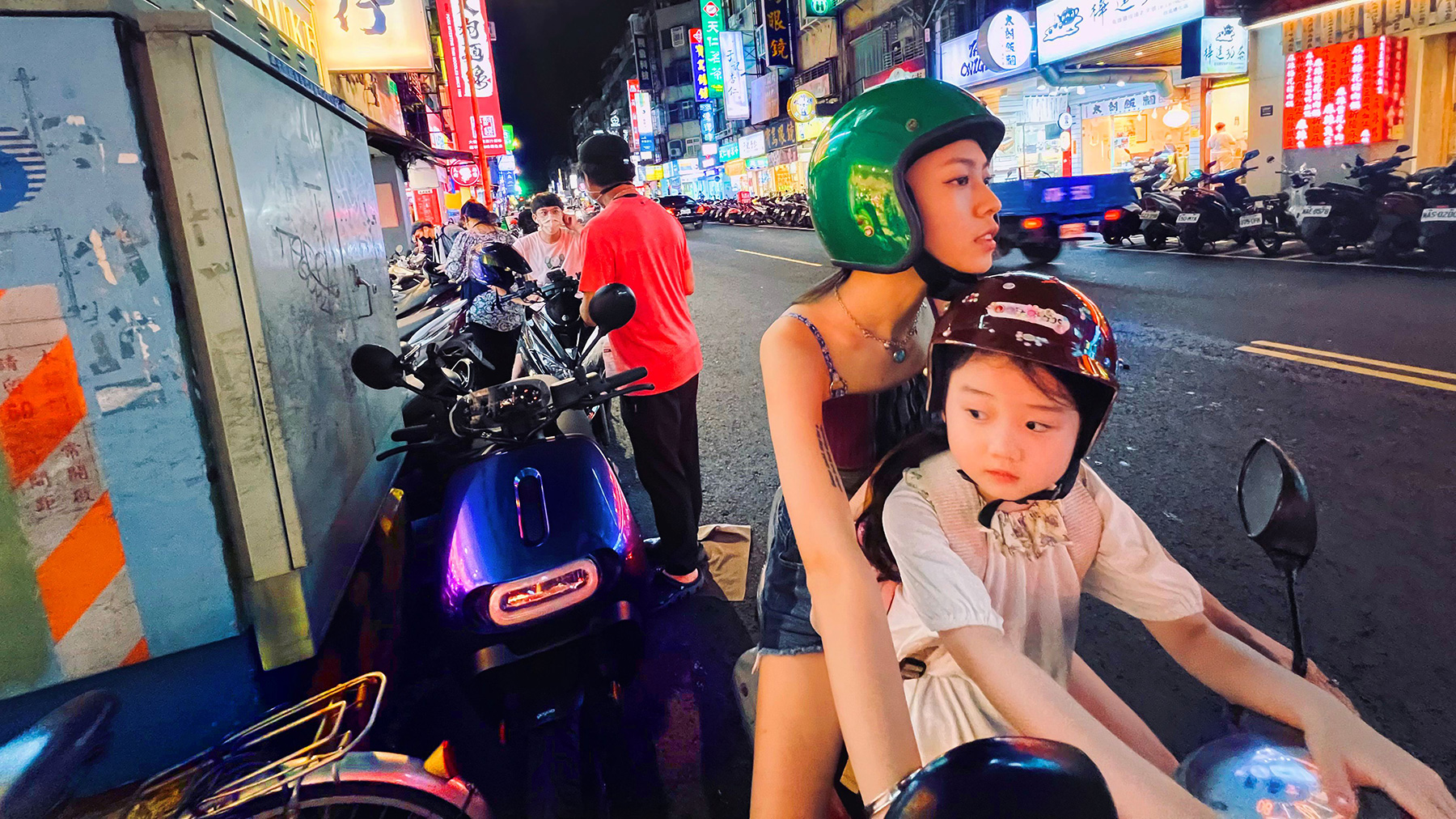
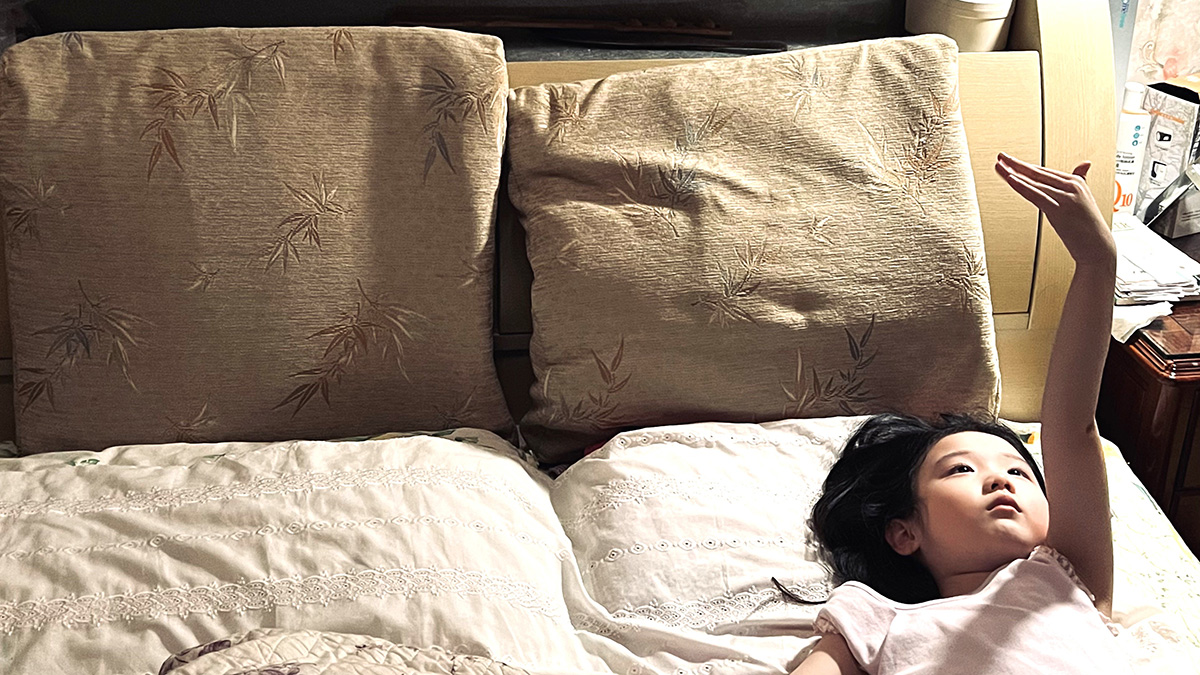
Lighting and Spatial Adaptation: Shooting on mobile devices historically presented severe limitations regarding low-light performance and dynamic range. However, advancements in computational photography, sensor size, and software stabilization enabled Tsou’s cinematography team to leverage ambient light sources, minimizing the need for heavy HMI or LED lighting arrays.
Sound Design Integration: In micro-budget mobile filmmaking, audio is frequently the most vulnerable element. Left-Handed Girl integrated professional-grade lavalier and shotgun microphones paired directly with external recording hardware, ensuring that the sonic landscape matched the visual fidelity of the high-resolution mobile footage.
Supporting Context & Metrics: The Evolution of Smartphone Cinema
A Historical Trajectory: From Tangerine to Left-Handed Girl
The use of consumer electronics in feature filmmaking is no longer an isolated novelty; it represents a mature, critically validated movement. In 2015, Sean Baker’s Tangerine famously utilized three modified iPhone 5S smartphones running the FiLMiC Pro application. At the time, the release was met with skepticism from traditionalists who viewed the medium as a technological gimmick rather than a legitimate artistic format.
However, the subsequent decade witnessed a radical democratization of the moving image. Directors such as Steven Soderbergh (Unsane, High Flying Bird) and major international festival programmers began embracing mobile-shot features not merely as experiments, but as aesthetically liberated works of art. Left-Handed Girl builds directly upon this legacy, pushing the boundaries of what iPhone cinema can achieve in terms of color grading, depth of field manipulation, and narrative cohesion.
Technical Specifications and Quantitative Metrics
To understand the production footprint of Left-Handed Girl, one must examine the specific technical ecosystem deployed on set:
Primary Capture Devices: Apple iPhone 13 (utilized across multiple units for redundancy and multi-angle coverage).
Optics & Lenses: Integration of mobile anamorphic adapters (such as Moment and Beastgrip lenses) to achieve cinematic aspect ratios and authentic bokeh.
Stabilization Systems: 3-axis motorized gimbals (DJI OM series and Zhiyun Smooth series) paired with handheld cages to ensure buttery-smooth tracking shots without heavy mechanical steadycam rigs.
Post-Production Workflow: Editing executed via industry-standard non-linear editing (NLE) suites, with color grading pipelines specifically calibrated to handle the compressed color spaces native to Apple’s ProRes and Dolby Vision recording formats.
Official Statements and Industry Perspectives
Shih-Ching Tsou on the Philosophy of Mobile Filmmaking
In various press conferences and industry panels surrounding the release of Left-Handed Girl, director Shih-Ching Tsou emphasized that the choice of technology was entirely subservient to the story:
"We didn’t choose the iPhone to make a political statement about technology. We chose it because it was the right tool for these characters and these spaces. When you remove the barrier of a massive crew and equipment truck, the actors relax. You capture moments of genuine vulnerability that would be impossible on a conventional studio set."
Tsou’s perspective highlights a growing consensus among modern indie auteurs: technology should empower intimacy rather than dictate production scale. By stripping away the financial pressures associated with multi-million-dollar budgets, filmmakers can take bolder artistic risks, prioritize character-driven narratives, and explore complex social dynamics with unprecedented freedom.
Industry Reception and Critical Analysis
Film critics and festival curators have noted that Left-Handed Girl represents a maturing of the "smartphone cinema" genre. While early iterations of mobile filmmaking often suffered from digital artifacting, unstable exposures, and subpar audio, Left-Handed Girl showcases a refined technical mastery.
Industry analysts point out that the financial model of the film could serve as a blueprint for independent producers worldwide. By drastically cutting capital expenditure on hardware rentals and crew sizes, the production company has positioned itself to achieve profitability at a much lower box office threshold compared to traditional mid-budget dramas.
Future Outlook: The Horizon of Micro-Budget Auteurism
Democratization vs. Professionalization
As mobile sensors continue to improve—incorporating larger pixels, advanced computational photography algorithms, and native LOG recording profiles—the quality gap between consumer smartphones and high-end cinema cameras narrows further. However, Left-Handed Girl proves that technology alone does not make a film compelling. The true brilliance of the project lies in Shih-Ching Tsou’s directorial vision, the nuanced performances of the cast, and the meticulous attention to script development and spatial geography.
Predictions for Independent Cinema in the Late 2020s
Proliferation of Mobile-First Financing: Investors are increasingly willing to fund projects that demonstrate fiscal responsibility through mobile production methodologies, reducing financial risk while maintaining high artistic standards.
Evolving Guild and Union Standards: As directors of photography and camera operators adapt to mobile workflows, professional guilds are establishing new frameworks for credentialing and crediting crew members working in non-traditional digital formats.
The Rise of Hyper-Localized Narratives: With the ability to shoot discreetly in public spaces without drawing regulatory scrutiny or permits, filmmakers can explore sensitive, hyper-localized social issues with greater immediacy and authenticity.
Conclusion
Left-Handed Girl is far more than a technical experiment; it is a masterclass in independent filmmaking discipline. By wedding the narrative agility of mobile capture with the sophisticated storytelling sensibilities of Shih-Ching Tsou and her collaborators, the film transcends its medium to deliver a powerful, emotionally resonant cinematic experience. As the industry looks toward the future, Left-Handed Girl will undoubtedly be remembered as a pivotal milestone—a project that proved cinematic artistry belongs not to the size of the camera package, but to the depth of the human vision behind it.
Production Credits & Specifications Overview
Left-Handed Girl
Production Company: LEFT-HANDED GIRL FILM PRODUCTION COMPANY LIMITED
Director: Shih-Ching Tsou
Producers: Shih-Ching Tsou, Sean Baker (and associated production team)
Primary Capture Format: Apple iPhone 13 (ProRes / Dolby Vision)
Distribution & Festival Circuit: International Film Festival premieres and independent theatrical rollouts (2025–2026).








Belum ada komentar. Jadilah yang pertama berkomentar!