Kagamino, Okayama Prefecture — Nestled within the rolling, lush topography of northern Okayama Prefecture lies Kagamino Town, a municipality defined by its pristine waterways, sprawling agricultural estates, and crisp mountain air. It is an environment where nature dictates the rhythm of rural life. Yet, far from remaining a quiet sanctuary of agricultural production, Kagamino has become the epicenter of a quiet gastronomic revolution.
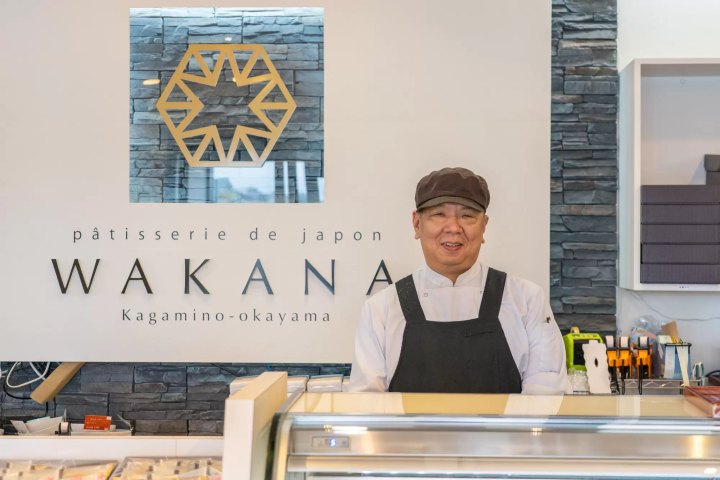
At the heart of this movement is WAKANA, an artisanal Western-style confectionery shop founded and helmed by master patissier Yoshiyuki Otsuka. More than just a retail establishment, WAKANA functions as a cultural archive, a laboratory for agricultural collaboration, and an ambassador for regional pride. By intertwining high-end patisserie techniques acquired in culinary hubs like Kobe with deeply localized ingredients—ranging from heritage chili peppers to historically recovered chocolate recipes—WAKANA has redefined what it means for a regional sweet shop to achieve both national acclaim and international resonance.
Executive Overview: A Symphony of Terroir and Technical Precision
In the hyper-competitive landscape of Japanese patisserie, regional shops often struggle to differentiate themselves beyond seasonal novelties. WAKANA has bypassed this hurdle by anchoring its entire operational philosophy in terroir—the complete natural environment in which a particular wine or food is produced, including factors such as the soil, topography, and climate.
Under the direction of Otsuka, who established the patisserie in 2010 after extensive training and wholesale experience, WAKANA has forged direct alliances with local farmers, historians, and even pop-culture icons. The results are award-winning confections that transcend traditional baking. Whether it is a baked white peach cake selected for Japan Airlines (JAL) domestic first-class in-flight service, a five-time gold medalist chocolate cookie featured on All Nippon Airways (ANA) flights, or chocolates flavored with Edo-period historical recipes and ancient chili varieties, WAKANA demonstrates that rural confectionery can operate at the absolute pinnacle of culinary artistry.
This in-depth investigative feature explores the architecture of WAKANA’s success, analyzing its supply-chain philosophies, its award-winning signature products, its cultural integration with the Mimasaka region, and the master craftsman whose vision brought it all to life.
Detailed Chronology: From Kobe Training to Kagamino Innovation
To understand the sophisticated palate underlying WAKANA’s offerings, one must trace the professional trajectory of its founder, Yoshiyuki Otsuka.
Age 25: Yoshiyuki Otsuka formally entered the world of Western-style confectionery, embarking on an intensive, half-decade journey of culinary apprenticeship in Kobe—a city historically celebrated as one of Japan’s premier gateways for Western baking and culinary innovation.
The Wholesale Transition: Following his rigorous tenure in Kobe, Otsuka returned to the regional ecosystem by joining a wholesale enterprise specializing in both Japanese (wagashi) and Western (yogashi) confectionery, run by his predecessor. This phase provided him with invaluable logistics, scaling, and market-demand insights across Okayama Prefecture.
October 2010: Capitalizing on decades of technical refinement and deep-seated local relationships, Otsuka took the definitive entrepreneurial leap. He returned to his home territory of Kagamino Town to establish his independent flagship patisserie, WAKANA.
The Ascension to National Prominence (2010–Present)
Upon opening its doors, WAKANA rapidly evolved from a local neighborhood bakery into a destination stop for culinary tourists and gift-seekers alike.
2017 Breakthrough: The patisserie’s signature melt-in-the-mouth chocolate cookie, Kagamino Horori, achieved widespread national recognition when it was selected for in-flight sales on ANA domestic routes. This marked a turning point, signaling that a rural shop in northern Okayama could manufacture goods meeting the rigorous logistical and sensory standards of major commercial aviation.
The OMOTENASHI Selection Streak:Kagamino Horori went on to secure the prestigious gold medal in the OMOTENASHI Selection project for five consecutive years. This initiative evaluates products for their embodiment of Japanese hospitality (omotenashi), design excellence, and global accessibility.
Media and Institutional Validation: Signature items such as the White Peach Cake transitioned from local souvenirs to high-status corporate gifts, frequently chosen as "business gifts" by incumbent government secretaries and selected as a featured tea snack for JAL domestic first-class passengers.
Supporting Context & Metrics: The Anatomy of WAKANA’s Masterpieces
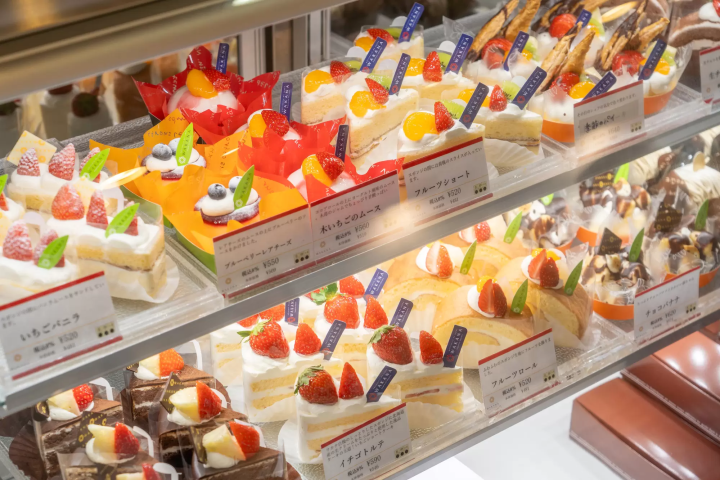
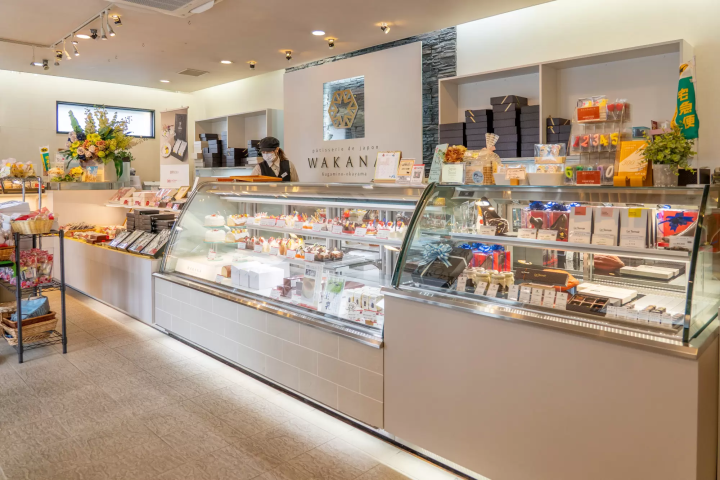
WAKANA’s catalog is vast, encompassing approximately 15 varieties of fresh, seasonal fruit cakes in its display cases daily, alongside an extensive line of shelf-stable baked goods, jellies, and artisanal chocolates. Each product category is defined by rigorous ingredient curation and technical innovation.
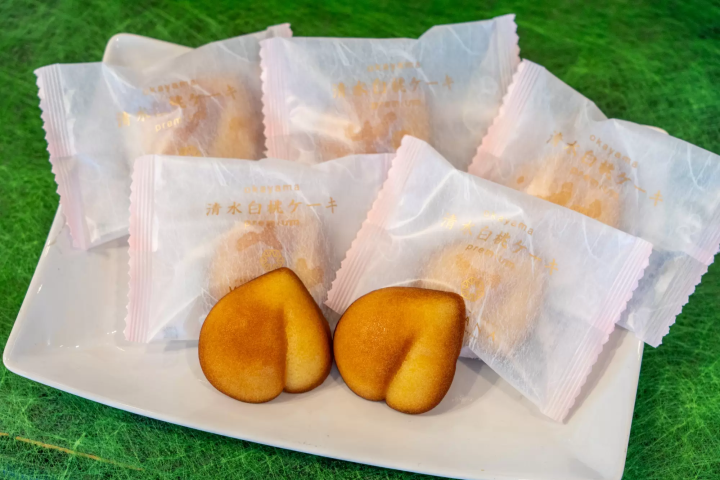
1. The White Peach Cake: A Masterclass in Fruit Preservation
Core Ingredients: Okayama Prefecture-grown wheat variety "Tsuyama no Hohoemi" and premium puree derived from Okayama’s prized Shimizu White Peach.
Sensory Profile: Defying the convention that baked goods lose fresh fruit profiles during thermal processing, this cake delivers an immediate burst of fresh peach flavor upon the first bite, balanced by an exceptionally moist crumb structure and an elegant aromatic finish.
Accolades: Featured on prominent national information programs, utilized as an official secretary-tier business gift, and served in JAL domestic first-class cabins.
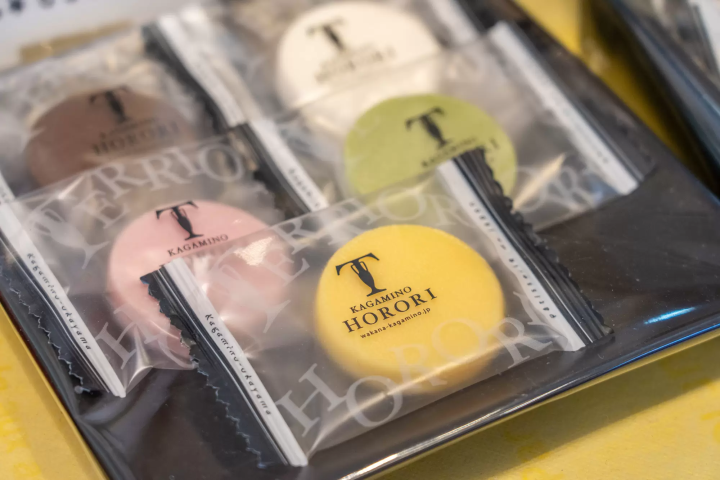
2. Kagamino Horori: Engineering the Melt-in-the-Mouth Cookie
Core Ingredients: Local Tsuyama no Hohoemi wheat paired with imported Belgian couverture chocolate.
Flavors: Sweet, White Milk, Strawberry, Mango, and Matcha.
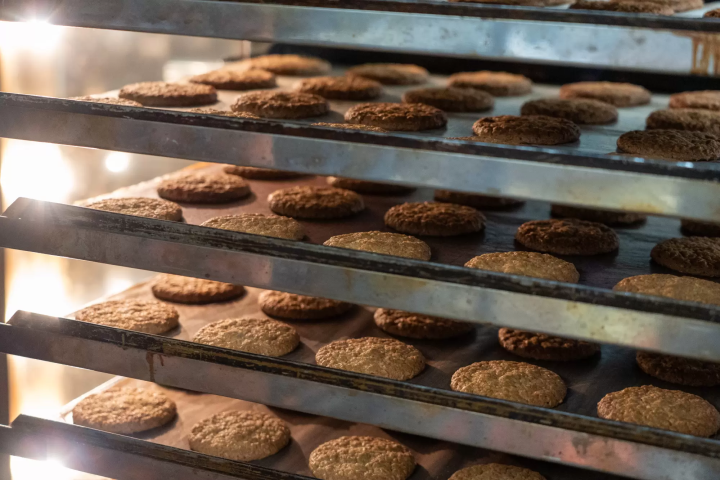
Texture & Technique: The term horori denotes a crumbly, delicate texture that dissolves instantaneously on the palate. Achieving this without structural failure during transport required meticulous calibration of fat-to-flour ratios and precise baking temperature curves.
3. Niwaka ni Koi & Le Terroir: The Heritage Spice and Honey Interplay
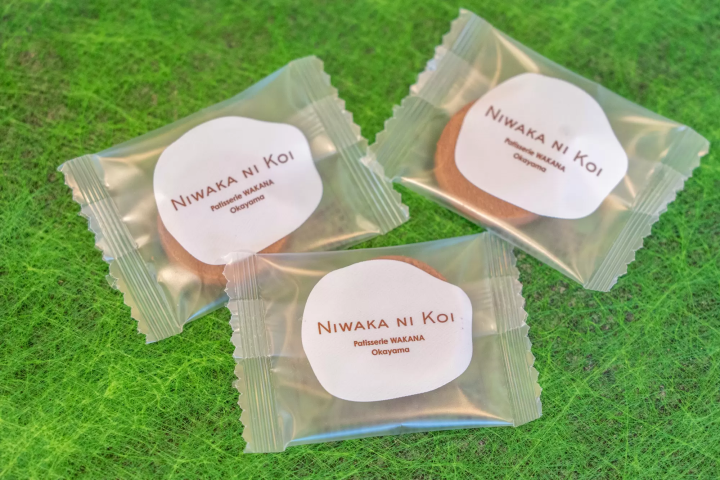
Niwaka ni Koi: A chocolate cookie incorporating Hime Togarashi—an ancient, rare Japanese chili pepper cultivated in the Okutsu district of Kagamino Town for centuries. The confection relies on a calculated sensory transition: the initial delivery of mellow chocolate sweetness is smoothly overtaken by the lingering, gentle warmth of the heritage pepper.
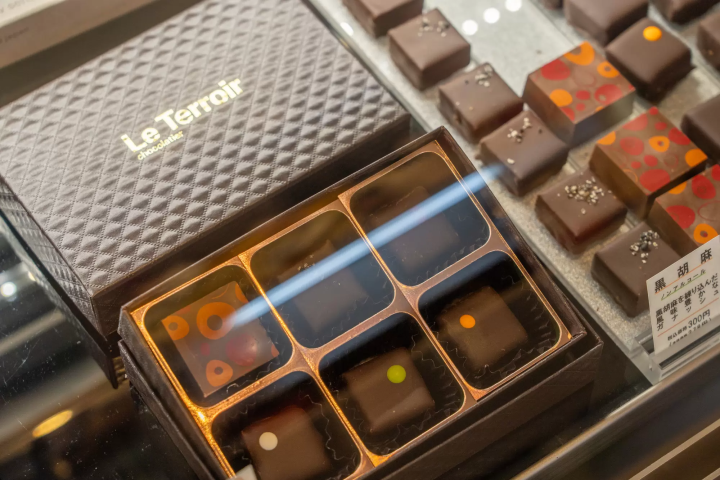
Le Terroir: Designed as a chocolate tribute to the regional geography of northern Okayama. It bridges disparate local products—such as wildflower honey and yuzu from Tsuyama City, Misaki ginger from Misaki Town, and the aforementioned Hime Togarashi—transforming them into jewel-like bonbons that mirror the seasonal climate and cultural heritage of the Mimasaka region.
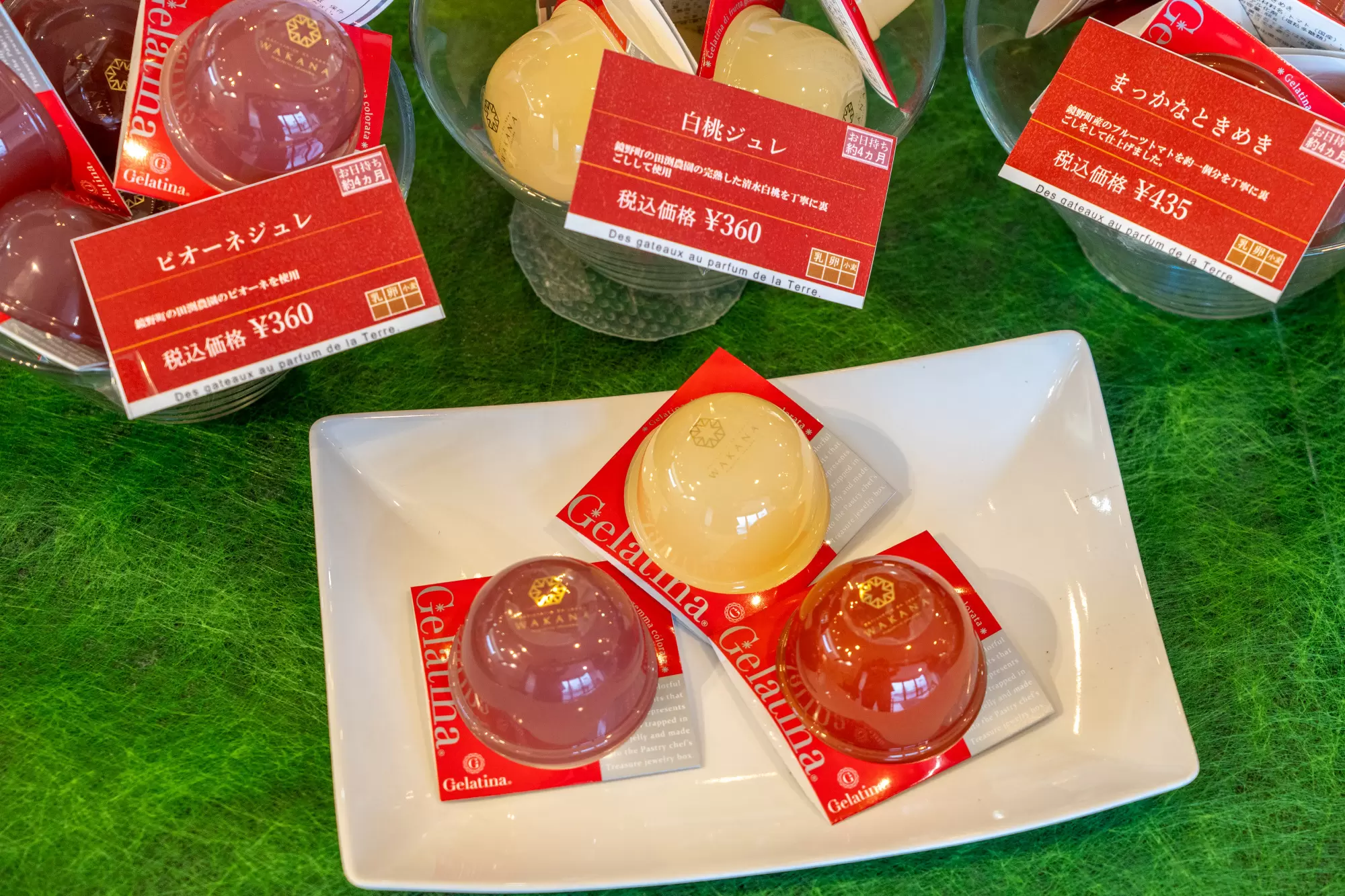
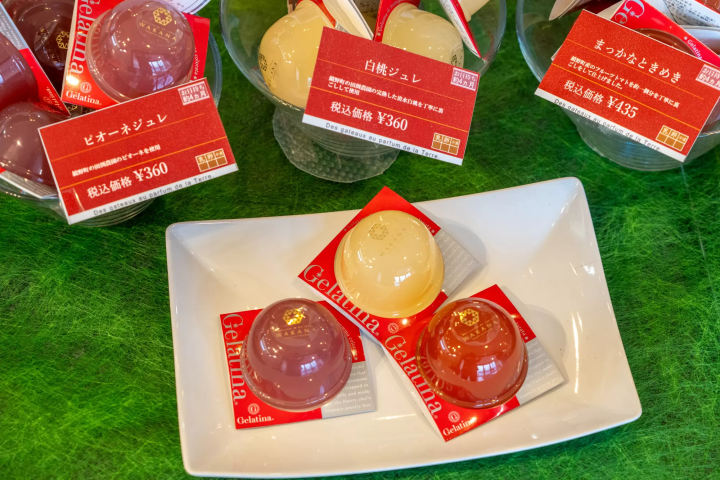
4. Gelatinna: Direct-from-Farm Fruit Jellies
Core Ingredients: Shimizu White Peach, Pione Grapes, and specialty fruit tomatoes sourced exclusively from Kagamino Town farmers.
Philosophy: Operating on a strict farm-to-table traceability model, WAKANA partners directly with growers whose identities and farming practices are fully known. Gelatinna preserves the distinct pulp textures and natural acidity of these raw agricultural assets within a silky, highly clarified jelly matrix.
5. Fresh Milk Pudding and Okayama Ring Donuts
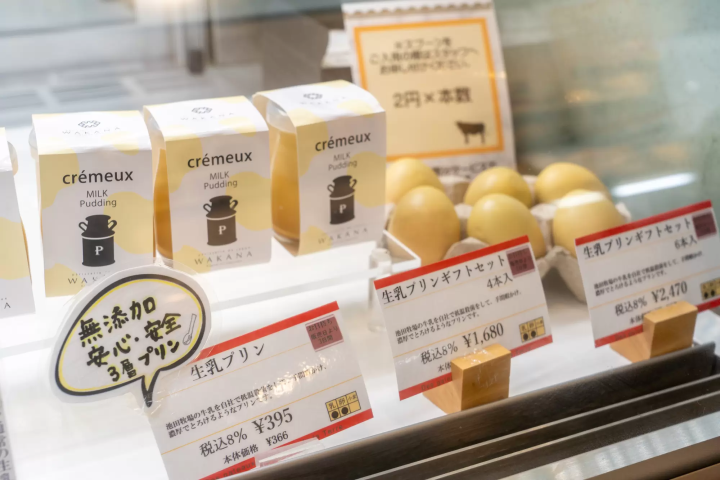
Fresh Milk Pudding: Sourced directly from nearby Ikeda Farm, raw milk is collected and pasteurized at low temperatures directly within WAKANA’s kitchen. This preserves the milk’s natural enzymes and volatile aromatics, yielding a pudding characterized by a refreshing, clean finish and gentle sweetness. The same milk is integrated into the shop’s signature sponge cakes.
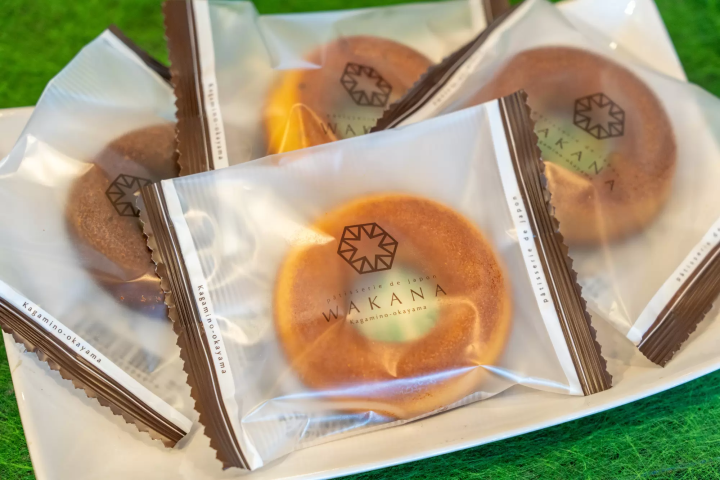
Okayama Ring: A line of 100% Tsuyama no Hohoemi wheat baked donuts boasting an airy, cloud-like crumb. Available in Plain, Mocha, Sesame, and Almond Chocolate variants.
6. Cultural Collaborations: NARUTO and Edo-Period Science
WAKANA’s commitment to regional identity extends deep into Japanese popular culture and historical recreation:
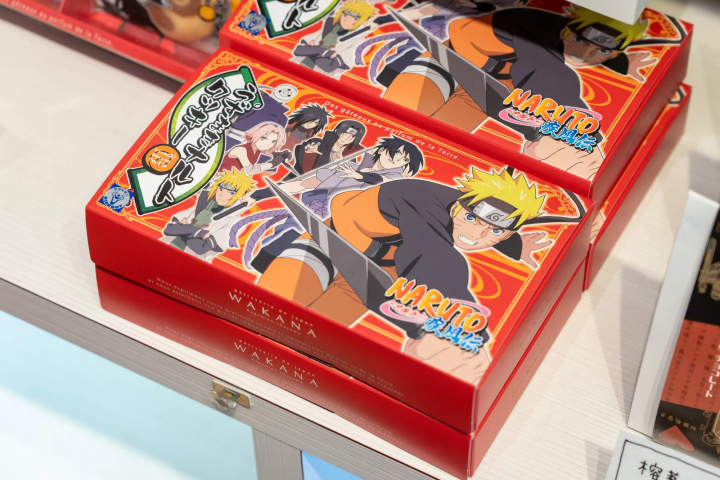
The NARUTO Collaboration: A swirling cookie directly inspired by the iconic imagery of Naruto, developed in tribute to manga creator Masashi Kishimoto, who hails from neighboring Nagi Town, Okayama Prefecture.
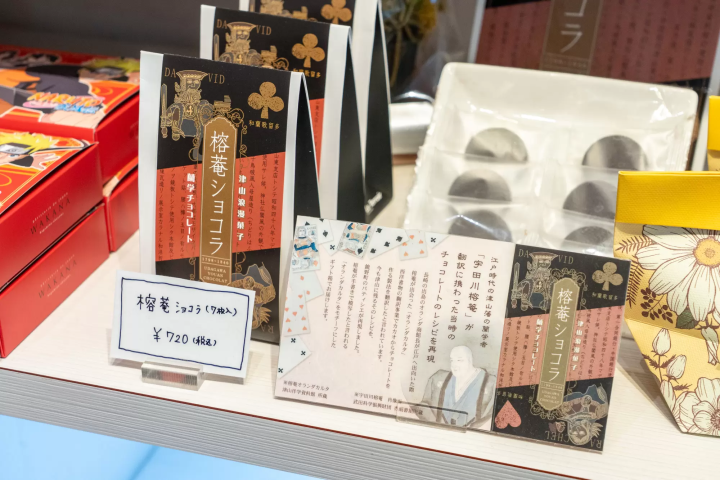
Yūan Chocolat: A remarkable historical reconstruction based on translated Western texts by Udagawa Yūan—a pioneering scholar of Western learning (Rangaku) in the Tsuyama Domain during the late Edo period. WAKANA recreated Yūan’s original historical recipes for processing raw cacao beans into chocolate, bridging early Japanese scientific inquiry with modern confectionery.
Official Statements & Operational Philosophy
The driving force behind WAKANA’s multi-layered product lineup is its founder’s unwavering belief in human connection.
"My work does not begin in the kitchen; it begins in the fields, the archives, and the local community," reflects Yoshiyuki Otsuka. "When you sit down with a farmer who has dedicated forty years to cultivating Shimizu White Peach, or when you study a botanical text written by a Tsuyama scholar two centuries ago, the ingredients stop being commodities. They become stories. Our job as patissiers is simply to translate those stories into a language that everyone can understand through taste."
This philosophy has fostered deep economic symbiosis within northern Okayama. By paying fair market value for hyper-local agricultural outputs—often absorbing the higher production costs associated with small-batch farming—WAKANA guarantees its clientele an uncompromised level of freshness while stabilizing the livelihoods of regional growers.
Future Outlook: Sustaining Tradition in a Globalized Market
As WAKANA looks toward the latter half of the 2020s, the establishment faces the classic challenge of artisanal scalability: how to expand its footprint without diluting the handmade integrity that built its reputation.
Current strategic directions indicate a dual focus:
Digital Infrastructure and Direct-to-Consumer Reach: Enhancing the patisserie’s official e-commerce platforms to allow domestic and international connoisseurs secure access to shelf-stable items like Kagamino Horori and the White Peach Cake.
Deepening Agrarian Partnerships: Expanding joint development projects with agricultural cooperatives in Kagamino, Tsuyama, and Misaki to unearth forgotten heirloom crops, heritage fruits, and wild botanicals suitable for future chocolate and pastry formulations.
In an era dominated by mass-produced, highly homogenized confectionery, Patisserie WAKANA stands as a compelling counter-narrative. It proves that remote rural regions, when armed with agricultural richness, historical depth, and uncompromising culinary craftsmanship, can command the attention of the nation—one exquisite, locally rooted bite at a time.
Patisserie WAKANA: Essential Visitor Information
Establishment Name: WAKANA (Wakana Confectionery)
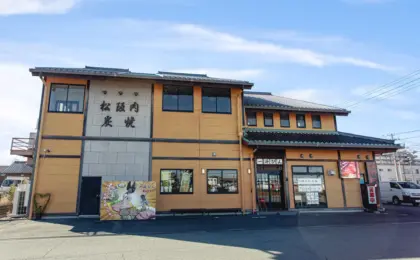
Address: 695-2 Yoshihara, Tomata County, Kagamino Town, Okayama Prefecture 703-0211
Telephone: 0868-54-3721
Operating Hours:
Monday, Wednesday–Saturday: 10:00 AM – 7:00 PM
Sundays and Public Holidays: 10:00 AM – 6:00 PM
Regular Closing Day: Every Tuesday
Facility Amenities: Dedicated customer parking available on-site








Belum ada komentar. Jadilah yang pertama berkomentar!