When travelers speak of Hokkaido Prefecture—Japan’s northernmost frontier—their conversations almost invariably drift toward a familiar pantheon of world-class gastronomy. Images of ruby-red salmon roe (ikura), buttery sea urchin (uni), snow crab, rich miso ramen, aromatic soup curry, and artisanal dairy products dominate global culinary tourism. Yet, beyond these mainstream staples lies an extraordinary, under-explored culinary landscape rooted deeply in the heritage of the Ainu, the indigenous people of northern Japan.
Recent culinary expeditions into the heart of Hokkaido reveal that some of the most memorable, historically rich, and culturally significant dishes remain largely unknown to the broader public. Venturing to cultural preservation enclaves like Akanko Ainu Kotan, situated near the mist-shrouded shores of Lake Akanko, offers adventurous diners a rare opportunity to step past conventional Japanese cuisine and experience the ancient flavors of the Ainu.
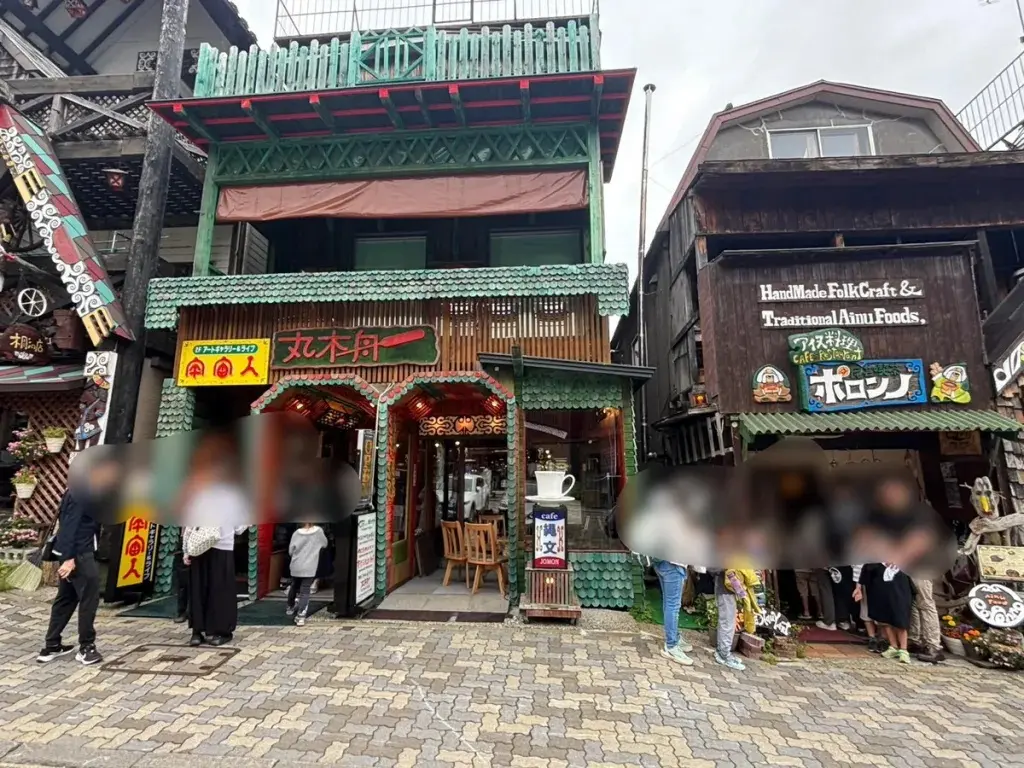
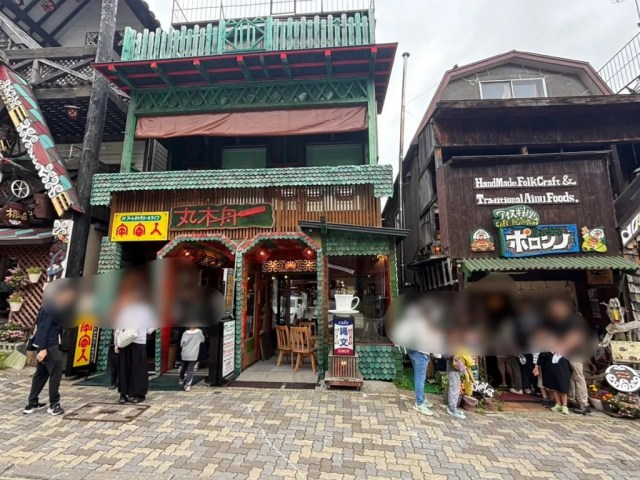
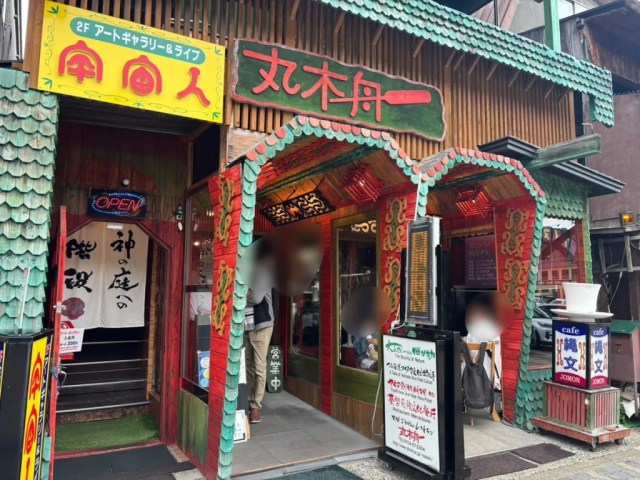
At local establishments such as the traditional eatery Marukibune, dishes like ohaw (a nutrient-dense, savory stew), ruibe (frozen sashimi), and pocche (fermented preserved potatoes) tell a profound story of resilience, ingenuity, and a harmonious relationship with northern Japan’s punishing climate. Far from being mere historical artifacts preserved in amber, these ingredients and preparations offer a living, breathing connection to a culture that learned to thrive in the sub-zero extremes of the northern wilderness long before modern infrastructure reached the island.
Detailed Chronology: A Day of Cultural and Culinary Immersion
Morning Arrival and Cultural Orientation at Akanko Ainu Kotan
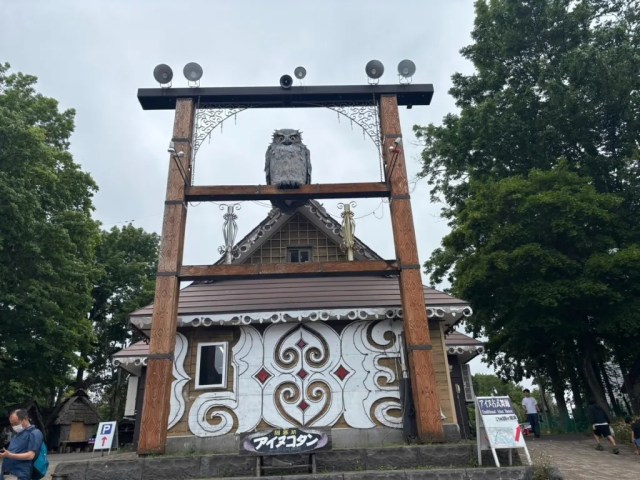
The journey into Ainu gastronomy begins on the shores of Lake Akanko within Kushiro, Hokkaido. Akanko Ainu Kotan is not merely a tourist attraction; it is a vital, living community dedicated to safeguarding and propagating Ainu customs, arts, and traditions. Upon arrival, visitors are immediately struck by the intricate wood carvings adorning traditional storefronts, the melodic rhythm of traditional instruments drifting through the crisp mountain air, and the palpable sense of a distinct cultural identity preserved against centuries of assimilation pressures.
For cultural preservationists, centers like Akanko Ainu Kotan serve as indispensable anchors. While Hokkaido’s indigenous population was historically marginalized following the island’s formal incorporation into the Japanese state during the Meiji era, modern cultural revival efforts have successfully created spaces where the Ainu voice can be heard, seen, and tasted. Visitors navigate a labyrinth of artisan shops offering hand-carved wooden wildlife figures, traditional embroidered textiles (attus), and informational kiosks detailing the animistic spiritual worldview of the Ainu, where kamuy (deities or spiritual forces) reside in every element of nature—from bears and owls to fire, water, and plants.
The Midday Meal at Marukibune: Stepping Beyond the Ordinary Menu
By lunchtime, the sensory exploration naturally leads toward the restaurant scene lining the Kotan. Seeking an authentic culinary encounter, investigators bypassed standard modern Japanese concessions like soy-sauce ramen and curry rice—though available for less adventurous diners—and settled into Marukibune, a rustic, welcoming dining establishment steeped in indigenous aesthetics.
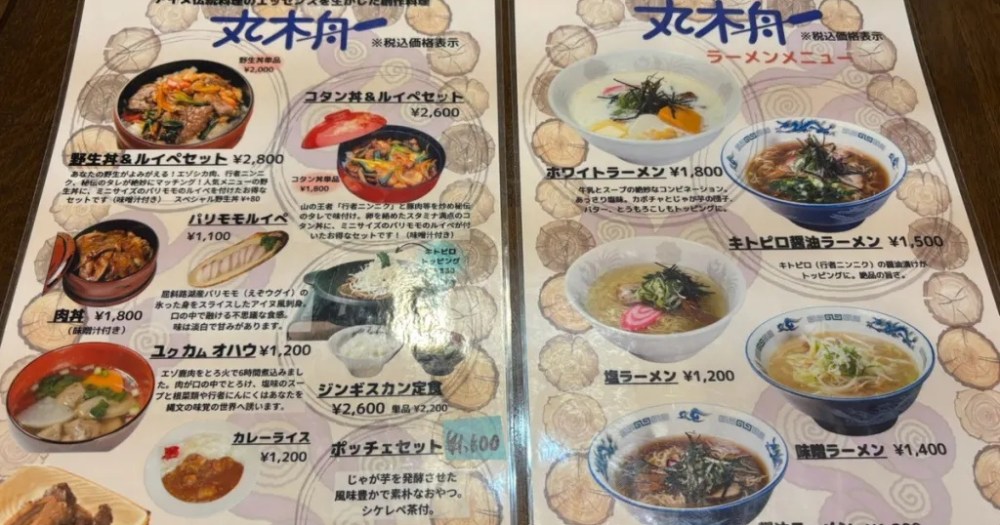
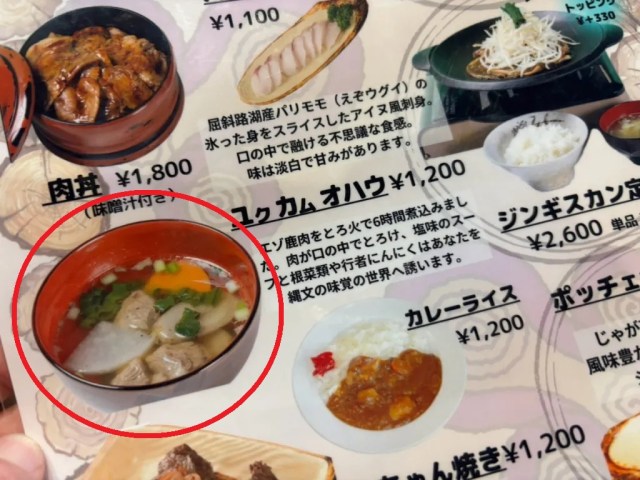
Upon opening the menu, the culinary landscape shifts dramatically. Dishes bearing unfamiliar linguistic roots dominate the pages: yuk kam ohaw, parimomo ruibe, kotandon, and pocche. Each selection represents a masterclass in ancestral resource management, where every component of the harvest—whether hunted, foraged, or preserved—is utilized with absolute reverence.
1. Yuk Kam Ohaw: The Comforting Heart of Ainu Stews
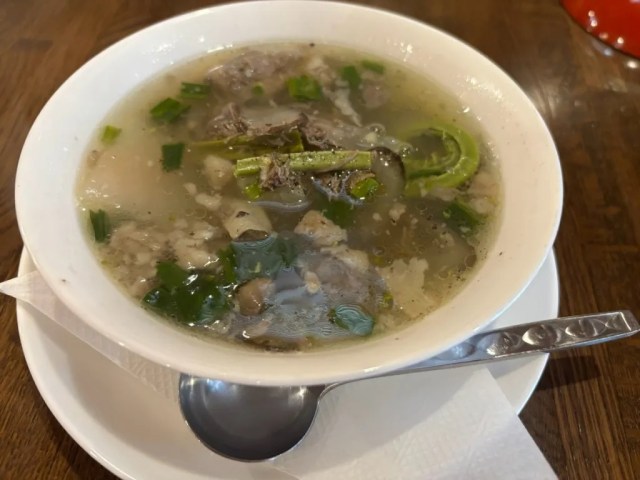
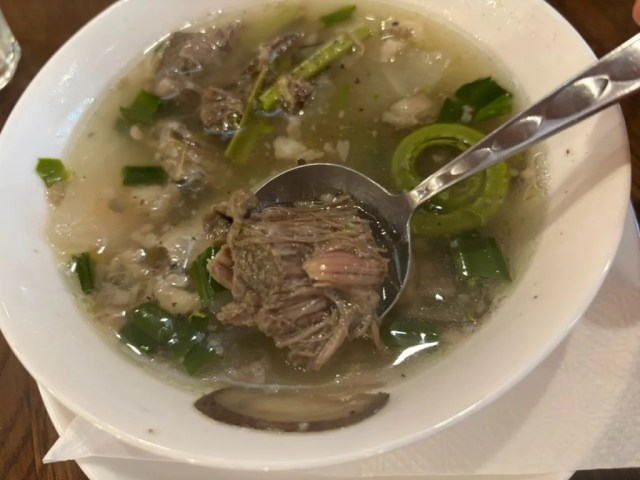
The first exploration into this uncharted culinary territory was the yuk kam ohaw. Linguistically dissected, ohaw refers to a traditional Ainu stew or soup traditionally built upon a concentrated base of animal or fish stock simmered with wild kelp. The prefix kam signifies the inclusion of meat, while yuk specifically designates venison.
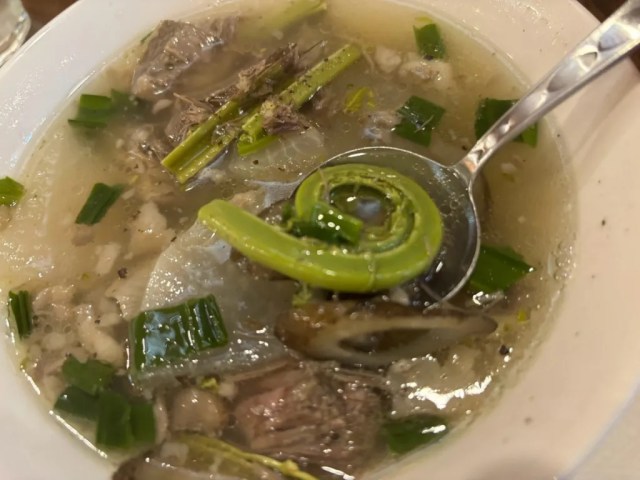
Served bubbling hot, this robust preparation also featured a medley of locally foraged root vegetables and wild garlic (pukusa). Standard Japanese soups—such as clear dashi-based clear broths or miso soups—rely on subtle, umami-driven profiles designed to accent seafood or fermented soy. In stark contrast, ohaw presented a strikingly different visual and aromatic profile.
Initial apprehension regarding potential gamey flavors or unfamiliar herb pairings vanished with the very first spoonful. Despite the generous cuts of tender venison, the broth possessed zero gaminess. Instead, the flavor profile was remarkably fortifying, clean, and profoundly comforting. The earthy depth of the root vegetables married seamlessly with the pungent, aromatic kick of the wild garlic and the rich stock. It is a dish engineered specifically to restore warmth and vitality to the human body during Hokkaido’s unforgiving winters, establishing itself instantly as a memorable comfort food.
2. Parimomo Ruibe: The Art of Frozen Freshwater Sashimi
Following the stew, the table was presented with parimomo ruibe. While ruibe shares a conceptual kinship with mainstream Japanese sashimi (raw fish sliced for consumption), it diverges in two revolutionary ways:
It is meticulously prepared, stored, and served completely frozen.
It embraces freshwater fish alongside marine varieties.
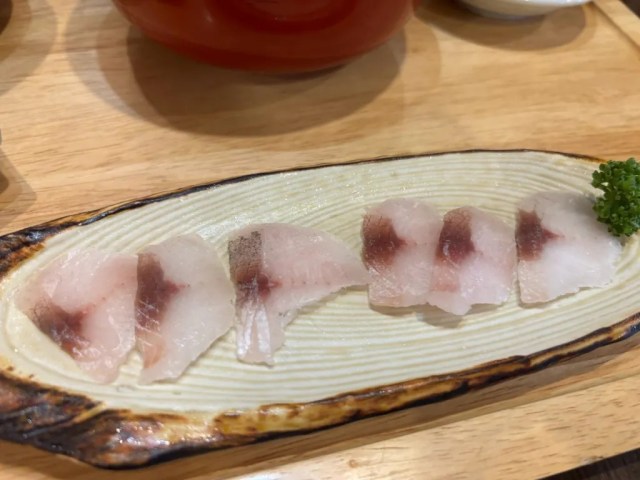
In this instance, parimomo is the Ainu designation for Ezo ugui (Pseudaspius sachalinensis), a relative of the freshwater minnow indigenous to the region’s pristine waterways. Marukibune sources its Ezo ugui directly from the nearby waters of Lake Kussharoko, ensuring absolute freshness.
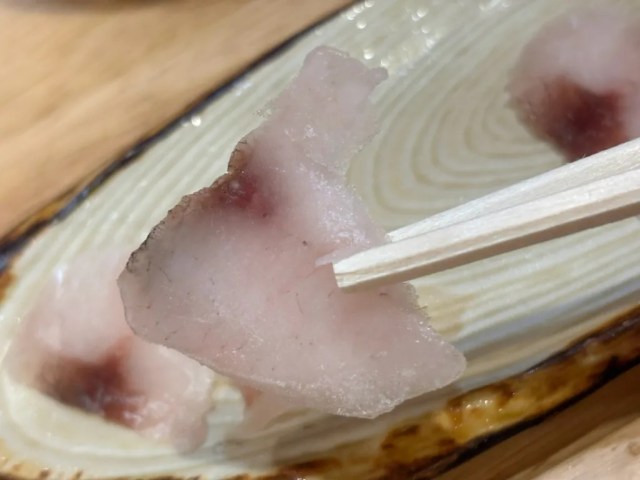
The presentation features wafer-thin slices of frozen fish that deliver a clean, naturally sweet finish. The sensory experience of eating ruibe is uniquely cognitive: the initial bite presents a crisp, frozen mouthfeel that slowly and seamlessly transforms into a tender, silky texture as the body heat of the mouth thaws the fish in real-time. While initially jarring to diners accustomed to room-temperature raw seafood, the sensory progression offers an exhilarating and deeply satisfying alternative to conventional sashimi.
3. Kotandon: A Modern Fusion Nod
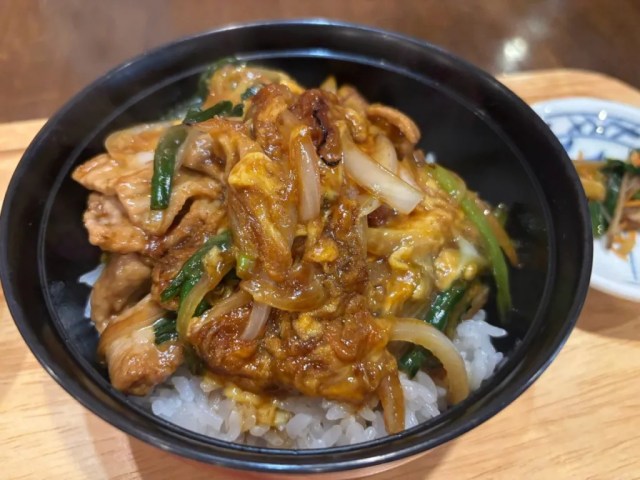
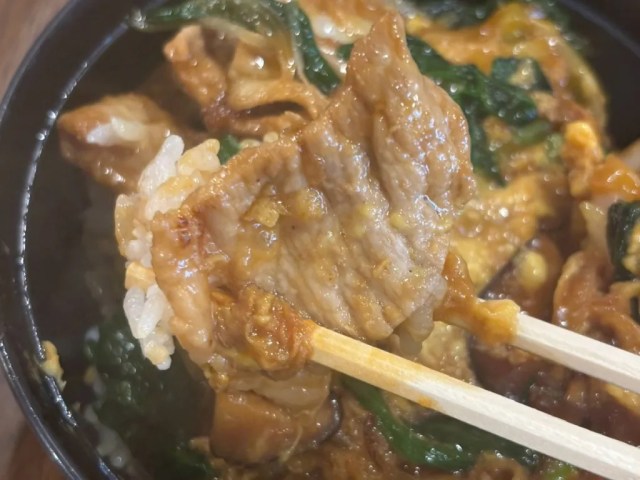
To round out the savory selections, the table ordered a kotandon. This dish consists of a classic donburi (rice bowl) featuring strips of grilled pork, wild garlic, onions, and egg, all united by a savory-sweet soy-based glaze.
Etymologically, kotan forms the root of Akanko Ainu Kotan, signifying a village or communal settlement. However, food historians and cultural guides note that kotandon represents a modern culinary concession—a bridge between traditional Ainu ingredients and contemporary Japanese comfort food designed for visitors seeking a familiar format with an indigenous twist. While less historically ancient than ohaw or ruibe, the dish succeeds brilliantly on flavor merits alone, delivering a savory, satisfying rice bowl that appeals universally to all palates.
4. Pocche Set: The Ingenious Preservation of Fermented Potatoes
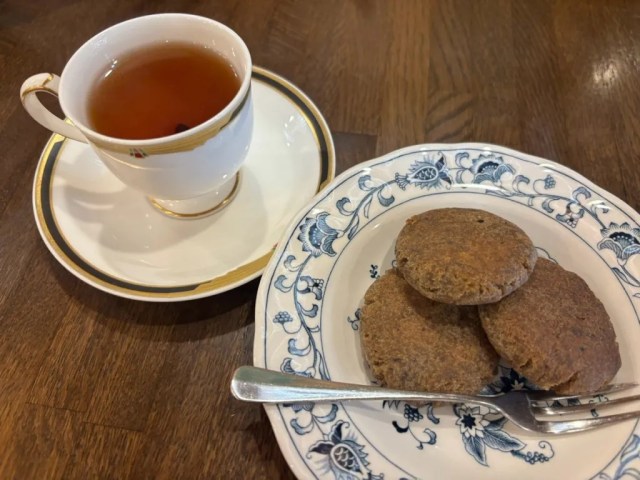
The meal concluded with the pocche set, served alongside traditional tea. Visually resembling a humble plate of baked cookies or rustic cakes, pocche is actually a historical masterwork of food preservation born out of extreme necessity.
Hokkaido’s winters are notoriously severe, historically threatening communities with starvation if food stores spoiled or ran low. Pocche is traditionally crafted by leaving harvested potatoes outside exposed to repeated cycles of sub-zero freezing and natural thawing. Through this deliberate process of weathering and subsequent natural fermentation, the potatoes transform structurally.
Rather than functioning as a sweet dessert, pocche was historically a survival food designed to guarantee that the entirety of the potato harvest could be stored and consumed safely over the long winter months. The resulting texture is distinctively chewy, while the flavor profile retains the earthy, unadorned notes of a standard potato without added sugars. While not engineered to win modern global dessert competitions, pocche provides an extraordinary, hands-on historical lesson in how Ainu culture successfully weaponized the harshest environmental constraints of the northern wilderness into a sustainable lifestyle.
Supporting Context & Metrics: Economics and Cultural Preservation
Experiencing authentic indigenous cuisine in a dedicated cultural tourism hub involves distinct economic realities. Below is an itemized breakdown of the dishes sampled at Marukibune, reflecting standard pricing structures at the establishment:
Dish Name
Description / Key Ingredients
Price (Japanese Yen)
Approximate USD Equivalent
Yuk Kam Ohaw
Venison, root vegetable, and wild garlic soup stock
¥1,200
~$7.50
Parimomo Ruibe
Frozen freshwater minnow (Ezo ugui) sashimi
¥1,100
~$6.90
Kotandon
Grilled pork, wild garlic, and egg rice bowl (includes side of ruibe)
¥2,600
~$16.25
Pocche Set
Fermented, freeze-weathered potato cakes with tea
¥1,100
~$6.90
While these price points sit slightly higher than standard casual dining options when factoring in portion sizes, cultural experts and culinary travelers agree that the expenditure represents exceptional value. Diners are not merely paying for sustenance; they are directly supporting indigenous entrepreneurship, cultural preservation initiatives, and the continuation of ancestral culinary arts that face constant pressures from globalization and modern mass food production.
Official Statements and Cultural Significance
Preservationists and local community leaders at Lake Akanko emphasize that food is one of the most powerful vectors for cross-cultural empathy and education.
"When visitors sit down at our tables and taste ohaw or ruibe, they are tasting our history, our adaptation to the land, and our spiritual philosophy," notes an administrator at the Akanko Ainu Kotan cultural association. "Language can be lost, and clothing changes with the eras, but the taste of the land and the shared experience around a communal meal bridges divides faster than any textbook ever could."
Beyond the dining room, this holistic approach to cultural sharing extends directly into the performing arts. Following the midday meal, visitors are strongly encouraged to attend performances at the nearby Ikor Theater, which stages traditional storytelling dance programs throughout the day.
Without requiring advance reservations, visitors can experience the Ainu Ancient Ceremonial Dance program—a UNESCO-recognized Intangible Cultural Heritage asset. The performance highlights the inaw, a sacred ceremonial carved wooden ritual tool designed to establish an unbroken spiritual bridge between human performers and the kamuy (gods). Seated in an intimate theater illuminated by the flickering warmth of open-flame torches, audiences are treated to hypnotic, rhythmic chants and grounded, earthy choreography that transports observers back centuries in time during a mesmerizing 30-minute presentation.
Future Outlook: The Growing Appeal of Indigenous Gastronomic Tourism
As global tourism trends shift rapidly away from passive sightseeing toward immersive, meaningful, and ethical travel experiences, the future of Ainu cultural tourism in Hokkaido appears increasingly bright. Modern travelers are placing a higher premium on authenticity, sustainability, and supporting marginalized or indigenous economies.
The culinary frontier represented by dishes like yuk kam ohaw, parimomo ruibe, and pocche proves that Hokkaido’s gastronomic identity extends far beyond seafood markets and dairy farms. By actively seeking out establishments like Marukibune and engaging respectfully with cultural sanctuaries like Akanko Ainu Kotan, visitors can expand not only their personal culinary palates but also their deep appreciation for one of Japan’s most resilient and spiritually rich indigenous cultures.
For travelers planning a journey through northern Japan, allocating time to explore Lake Akanko and taste the ancestral flavors of the Ainu is no longer merely a recommended detour—it is an essential pilgrimage for any serious global foodie or cultural historian.
Operating Hours: 11:00 AM – 9:30 PM (Note: Irregular operating hours may occur during deep winter and severe cold-weather months; advance reservations are highly recommended during off-peak seasons).









Belum ada komentar. Jadilah yang pertama berkomentar!