In the fast-evolving landscape of contemporary electronic music, few artists possess the restless, genre-defying curiosity of Keigo Oyamada, universally known by his moniker Cornelius. Across a career spanning over three decades, Oyamada has consistently refused to anchor his artistic identity to a single harbor. From his foundational role in the 1990s Shibuya-kei movement to his intricate, spatial audio experiments on acclaimed full-lengths like Mellow Waves (2017) and Dream In Space (2023), Cornelius has defined a legacy of meticulous sound design, analog-digital synthesis, and playful subversion.
Today, that legacy faces its most fascinating paradigm shift yet with the release of his latest studio album, Refractions.
Arriving as a masterclass in modern electronic composition, Refractions sits at the dangerous and thrilling intersection of human craftsmanship and Artificial Intelligence. Rather than treating AI as a mere novelty or an existential threat to musicianship, Cornelius has embraced generative algorithms, machine learning models, and text-to-audio frameworks as active collaborators. By folding artificial intelligence into his established workflow of sampling, looping, and multi-layered production, he has constructed a sonic palette that feels simultaneously nostalgic and radically futuristic.
This comprehensive report explores the genesis of Refractions, dissects its complex collaborative matrix—featuring luminaries such as Sean Ono Lennon, Arto Lindsay, and Bid of The Monochrome Set—and evaluates how Cornelius is charting a courageous new path for electronic music in the age of generative models.
Detailed Chronology: From Shibuya-Kei to Generative Soundscapes
The Evolution of an Icon
To understand the conceptual weight of Refractions, one must trace the trajectory of Keigo Oyamada’s career. Born in Tokyo in 1969, Oyamada initially made waves as a founding member of the seminal indie-pop band Flipper’s Guitar, a group that essentially laid the architectural blueprints for the Shibuya-kei genre. Characterized by an encyclopedic pastiche of 1960s pop, French new wave, bossa nova, and indie rock, Shibuya-kei celebrated the art of high-end pastiche long before the internet made sample-based culture ubiquitous.
Following the dissolution of Flipper’s Guitar in 1991, Oyamada launched his solo project, Cornelius, with the 1993 release The First Question Award. He internationalized his footprint with landmark albums like Fantasma (1997)—often hailed as the "Pet Sounds" of the digital age—and Point (2001), an album celebrated for its pristine acoustic clarity, looping precision, and immersive spatialization.
Throughout the 2000s and 2010s, Oyamada continually refined his methodology, balancing solo artistry with high-profile collaborations, production work, and membership in the short-lived supergroup METAFIVE. Yet, by the time he delivered Mellow Waves in 2017 and subsequent smaller projects, listeners and critics alike wondered where an artist defined by absolute sonic perfectionism could go next.
The Genesis of Refractions
The groundwork for Refractions began to take shape during the post-pandemic cultural reckoning. As machine learning tools rapidly transitioned from Silicon Valley laboratories into the hands of independent creators, the music industry found itself paralyzed by a binary debate: total rejection of AI out of fear of copyright erosion, or uncritical adoption resulting in homogeneous, algorithmically flattened pop.
Cornelius chose a third path—curiosity paired with strict curatorial oversight.
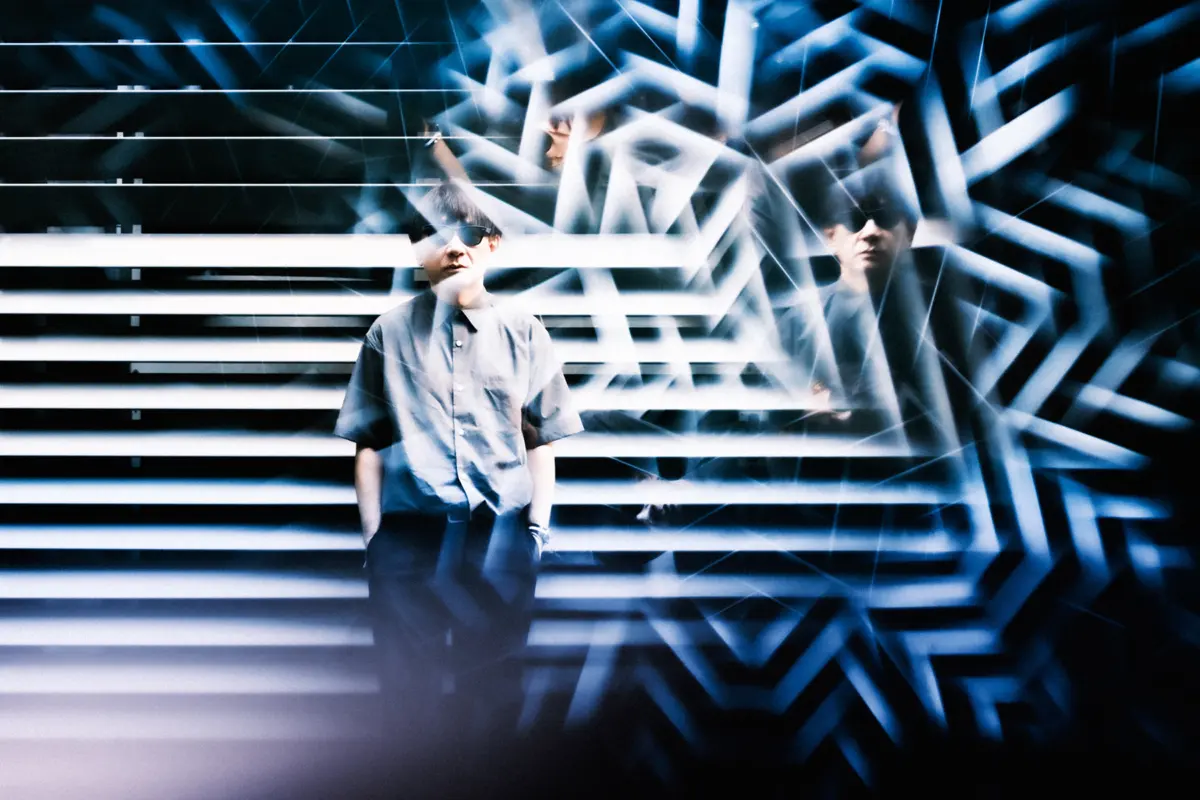
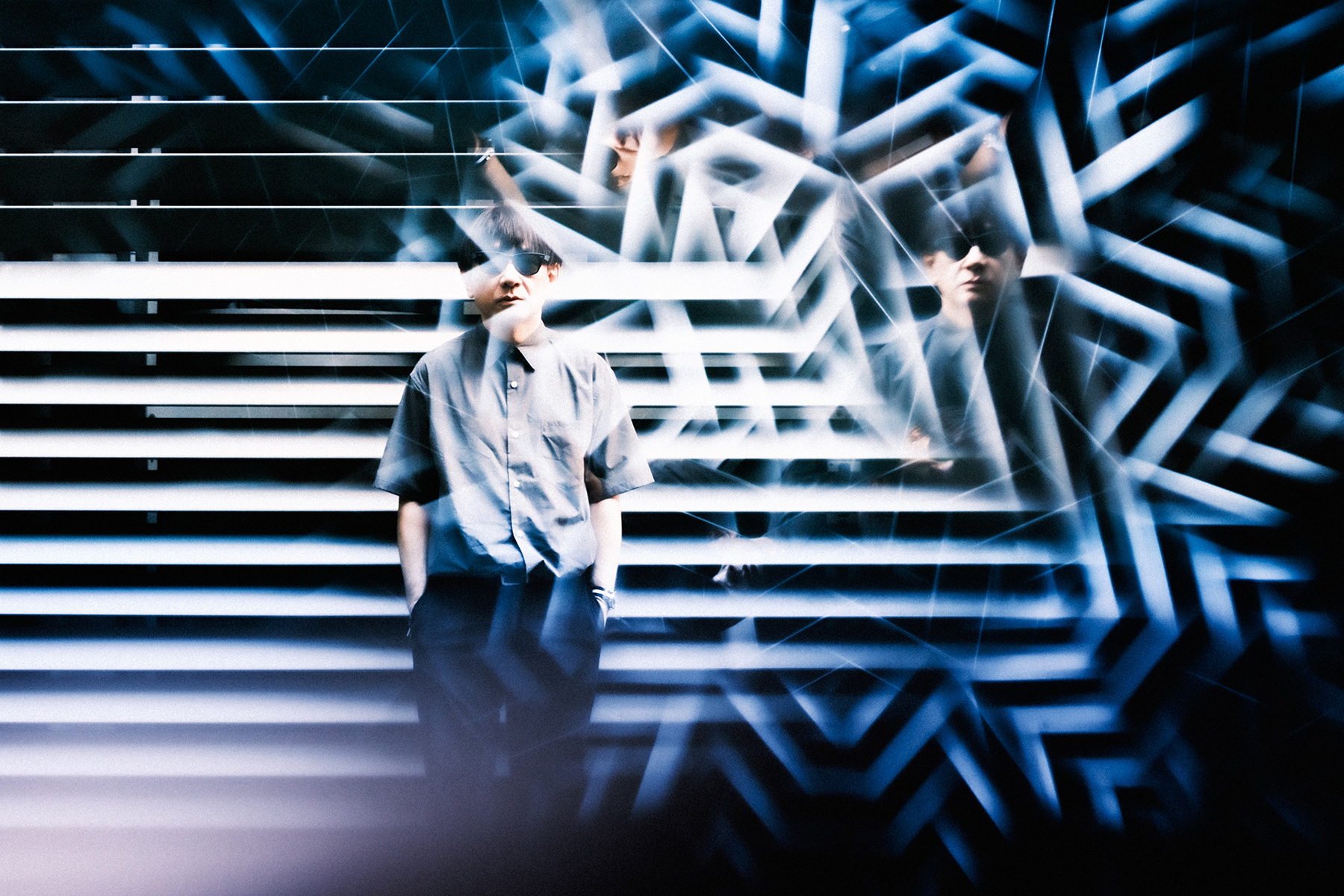
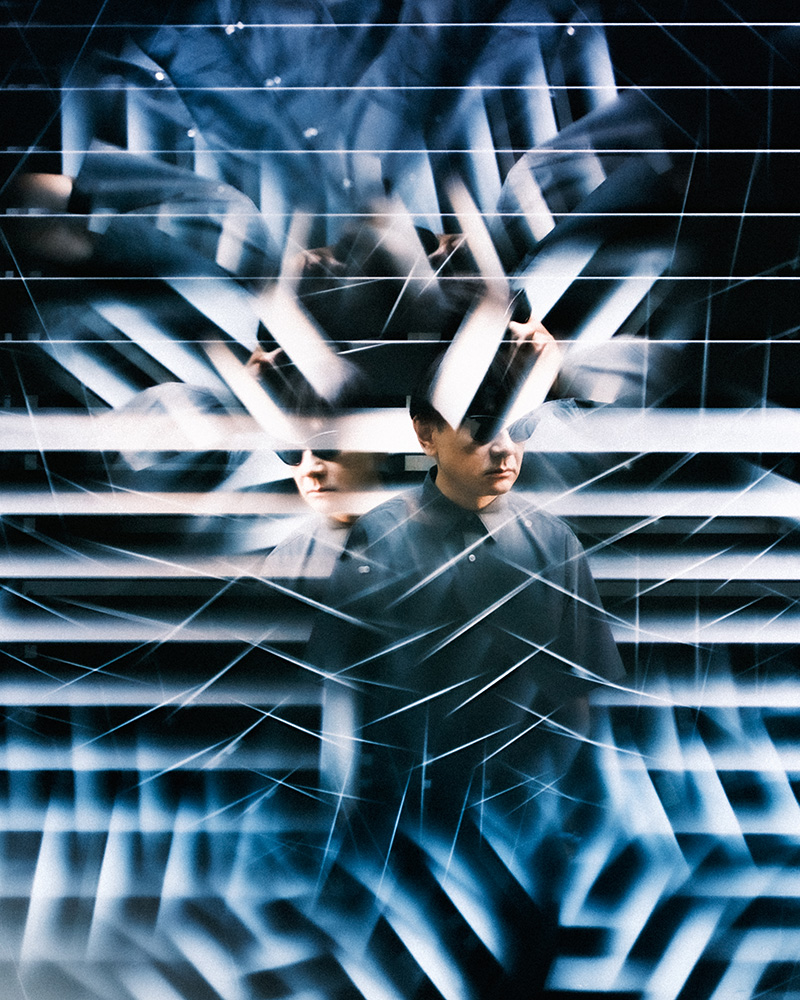
Rather than letting AI generate entire tracks unchecked, Oyamada utilized generative models as hyper-advanced texture generators, stochastic rhythm boxes, and harmonic mirrors. He treated AI not as a replacement for human emotion, but as an uncontrollable acoustic prism. By feeding his own meticulously recorded analog instruments, vintage drum machines, and vocal snippets through custom-trained neural networks, he allowed the software to refract, bend, and splinter his source material.
The resulting 10-track album, released via Warner Music Japan on August 19, 2026, acts as a masterclass in how human authorship can guide machine chaos.
Supporting Context & Metrics: The Architecture of Refractions
Tracklist Breakdown
The tracklist of Refractions reads like a map of modern electronic cross-pollination, blending solo compositions with high-profile collaborative experiments:
Refractions
Mazaranai (mazaranai / まざらない)
You Make me Cyborg (Cornelius × Bid)
Aeons (Cornelius × Sean Ono Lennon)
Mirrors
Bad Advice (Cornelius × Arto Lindsay)
Yumenemi (yumenemi / 夢見眠)
Mind Train
Twisting & Glistening
Dissolving Line (tokaikaisen / 溶解線)
Analyzing the Sound: Between Analog Warmth and Algorithmic Glitch
Musically, Refractions expands upon the sonic template of Point and Mellow Waves while introducing a dizzying array of textures. The opening title track sets an ambient, aqueous tone, utilizing granular synthesis to smear vocal murmurs across a wide stereo field.
Tracks like "Mazaranai" and "Yumenemi" lean heavily into rhythmic polyrhythms, recalling the experimental electronic touchstones of legendary Japanese techno-pop pioneers like Yellow Magic Orchestra (YMO) and EP-4, yet filtered through contemporary software plugins. The interplay between physical instrumentation—such as Oyamada’s signature clean guitar picking—and generative stutter-edits creates a disorienting yet deeply pleasing aesthetic tension.
Official Statements and Artistic Philosophy
Embracing the Glitch
In interviews surrounding the rollout of Refractions, Oyamada has maintained a remarkably pragmatic, non-dogmatic stance on technology.
"AI is just another tool," Oyamada explains. "Much like the sampler, the synthesizer, or the digital audio workstation (DAW) when they first appeared, it offers a new way to process thought. The question isn’t whether we should use AI, but how we use it to express something uniquely human."
This philosophy is palpable across the record. While many contemporary artists use AI to bypass the labor of songwriting, Cornelius uses it to introduce friction. He deliberately deploys algorithms that misunderstand prompts, mispronounce lyrics, or misinterpret rhythmic cues, capturing the "happy accidents" that define classic analog production.
The Collaborative Matrix
What elevates Refractions above a mere technical experiment is its human core. Oyamada enlisted a stellar cast of international collaborators, each bringing their own distinct sensibility to the algorithmic framework:
Sean Ono Lennon on "Aeons": A long-time creative compatriot, Lennon lends his kaleidoscopic vocal harmonies and psychedelic guitar work to a track that sounds like a lost Syd Barrett demo re-imagined inside a quantum computer.
Arto Lindsay on "Bad Advice": The no-wave icon injects his signature avant-garde jitter into the track, his deconstructed guitar styling clashing brilliantly against pristine, AI-generated string arrangements.
Bid (The Monochrome Set) on "You Make Me Cyborg": Merging post-punk lyricism with robotic detachment, this collaboration positions Bid as a sci-fi narrator reflecting on digital transhumanism.
Future Outlook: Redefining Electronic Music Production
The Post-AI Paradigm
As the music industry grapples with the copyright implications and cultural saturation of generative AI, Refractions serves as a crucial blueprint for future artists. It proves that technological advancement does not have to result in the erosion of artistic individuality.
By asserting absolute curatorial control over machine-generated outputs, Cornelius has transformed AI from a threat into an instrument. The album suggests a future where human composers act more like film directors or orchestral conductors, guiding sprawling webs of artificial intelligence to generate raw material, which is then painstakingly sculpted by human hands.
Critical Reception and Legacy
Early critical responses to Refractions have been overwhelmingly positive, with outlets praising Oyamada’s ability to remain fiercely relevant over 30 years into his career. Where other 90s indie icons have settled into comfortable nostalgia, Cornelius continues to push forward, using every tool at his disposal to fracture, bend, and rebuild pop music into new shapes.
Ultimately, Refractions is more than an album title—it is a methodology. It reminds us that every piece of art is a refraction of the creator’s environment, history, and tools. In an era where technology threatens to homogenize culture, Cornelius has used that very technology to make his vision sharper, stranger, and more beautifully human than ever before.












Belum ada komentar. Jadilah yang pertama berkomentar!