

Executive Overview
As the long days of summer draw to a close, millions of children and adolescents across the globe face a profound psychological transition. For many, the impending return to school is not met with excitement, but with dread, anxiety, and a debilitating sense of isolation. In Japan, this seasonal shift—traditionally culminating around September 1, a date historically associated with spikes in youth distress and truancy—has prompted a sweeping, multi-faceted cultural response.
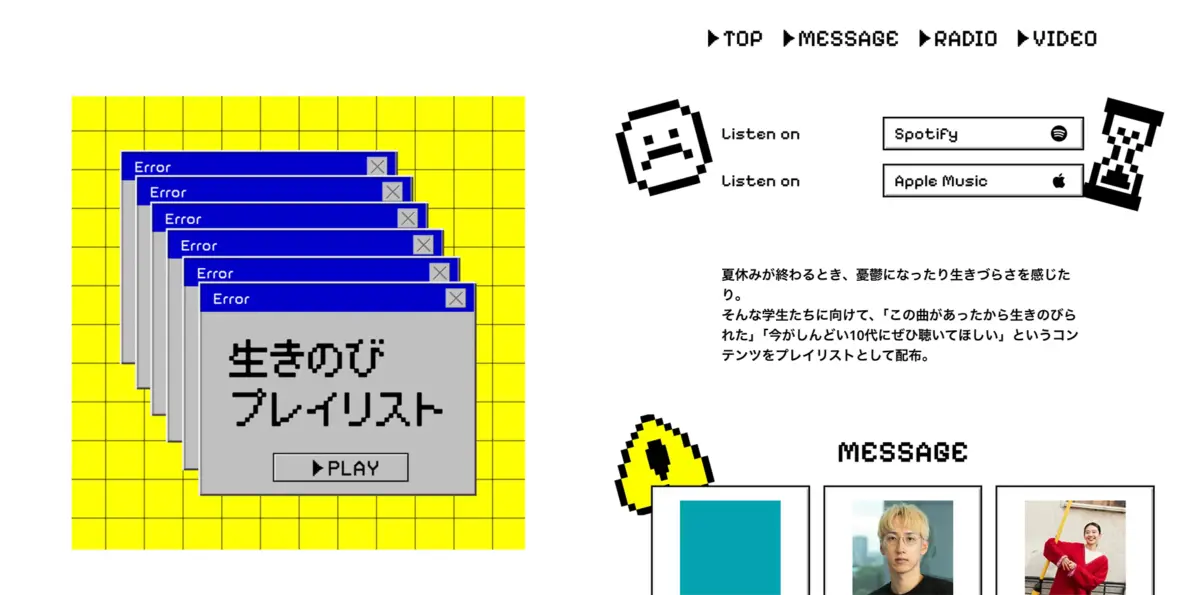
At the forefront of this year’s preventive initiatives is a unique collaborative project released on August 24: the "Ikinobi Playlist" (Surviving/Living Playlist). Curated by prominent figures in Japan’s contemporary music, arts, and literary landscapes—including artists Ryohu, Ayana Wada, and a diverse collective of cultural creators—this initiative seeks to offer a sonic lifeline to teenagers navigating the complexities of modern youth.
The project arrives against a backdrop of deeply concerning national statistics. In recent years, youth mental health crises in Japan have reached unprecedented levels, prompting government agencies, educational institutions, and independent creators to rethink how society reaches out to vulnerable adolescents. By merging the intimacy of podcast culture with the universal resonance of music, the Ikinobi Playlist represents a paradigm shift in preventive mental health outreach—moving away from clinical detachment and toward peer-adjacent, empathetic digital engagement.
Detailed Chronology: The September 1 Crisis and the Genesis of the Initiative
The Anatomy of the September 1 Phenomenon
For decades, the transition from summer vacation to the second school term has been recognized by educators, sociologists, and public health officials as one of the most perilous times of the year for youth mental health. In Japan, where the academic and social pressures of school life can be intense, the end of August carries immense psychological weight.
According to data compiled by the Ministry of Health, Labour and Welfare and the Ministry of Education, Culture, Sports, Science and Technology (MEXT), the total number of suicides among elementary, junior high, and high school students reached 532—the highest recorded figure since comparable tracking began in 1980. More alarmingly, youth suicide rates have remained stubbornly high for over two decades, defying standard institutional interventions.
Statistically, the spike in youth distress does not merely coincide with the start of the school term; it heavily concentrates around September 1. On this single day, the volume of distress calls received by youth hotlines, text-based counseling services, and child welfare organizations surges dramatically. Recognizing this predictable yet devastating annual trend, public and private sectors have increasingly focused their efforts on late-August preventive campaigns.
The Evolution of the Ikinobi Playlist
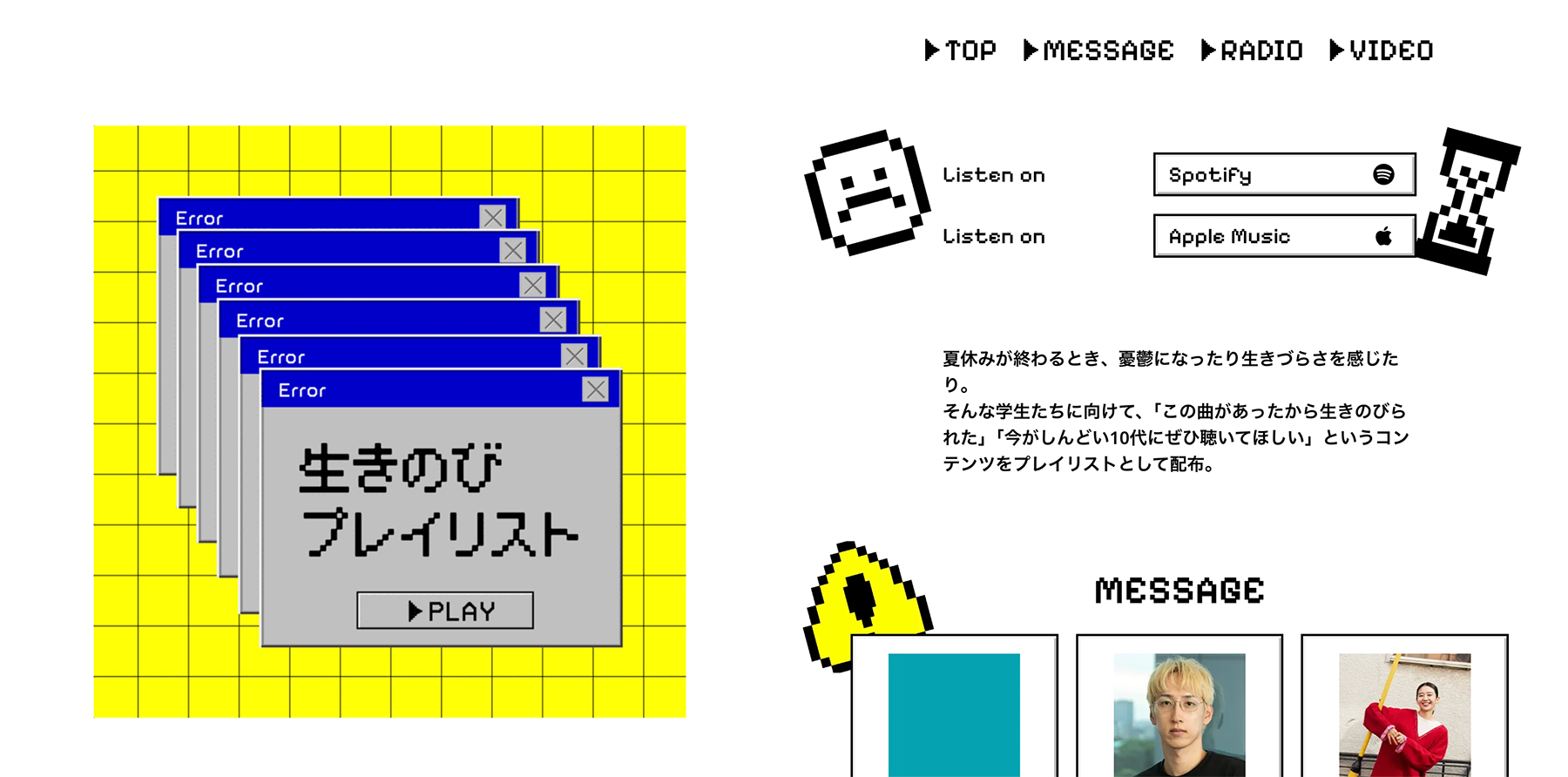
In response to this persistent crisis, cultural creators, podcasters, and mental health advocates have sought innovative avenues to reach adolescents who might otherwise reject traditional, institutional help. Recognizing that modern teenagers consume information, emotion, and solace primarily through digital channels—particularly YouTube and specialized audio streaming platforms—creators launched the second iteration of the "Ikinobi Playlist" project in late August.
The initiative is designed to bridge the gap between clinical support and youth culture. By curating songs and companion audio commentaries that speak directly to the anxieties of growing up, the project provides a low-barrier, highly accessible form of emotional first aid. Rather than lecturing young people on resilience, the playlist meets them where they are: in their bedrooms, through their headphones, listening to the artists and public figures they already admire.
Supporting Context & Metrics: Youth Mental Health in the 2020s
To fully understand the significance of the Ikinobi Playlist, one must examine the broader socio-cultural ecosystem surrounding 21st-century youth in Japan.
The Digital Generation and Parasocial Support
Today’s teenagers are the first generation to grow up entirely immersed in hyper-connected, algorithm-driven digital environments. While this connectivity offers unprecedented access to global culture, it also exposes youth to relentless social comparison, cyberbullying, and digital isolation. Traditional support systems—such as school counselors or family units—frequently fail to bridge the generational divide, leaving adolescents feeling misunderstood.
Podcasts and curated music platforms have thus emerged as vital sources of parasocial comfort. Studies in adolescent psychology indicate that young people often find solace in the voices of cultural figures who discuss vulnerability, mental health, and personal struggles openly. The Ikinobi Playlist leverages this dynamic, transforming passive music consumption into an active, comforting dialogue between artists and listeners.
A Multidisciplinary Cultural Coalition
The strength of the Ikinobi Playlist lies in its diverse roster of curators. The project brings together a cross-section of Japan’s most respected musicians, writers, directors, and cultural critics, ensuring that the musical selections resonate across varied tastes and emotional states.
Among the notable curators contributing to the project are:
- RHYMESTER (Hip-hop group)
- Ryohu
- Ayana Wada
- haru. (Editor of HIGH(er) magazine)
- Wienners (represented by Tamaya 2060%)
- Chara
- Rachel (from ohayoumadayarou)
- Along with a broad array of novelists, filmmakers, poets, and multidisciplinary artists.
Each contributor brings a distinct sonic perspective, ranging from high-energy alternative rock to introspective ambient compositions and lyrical hip-hop tracks that directly address the trials of growing up.
Official Statements and Curatorial Philosophy
The ethos of the Ikinobi Playlist is rooted in radical empathy and destigmatization. In statements released alongside the project launch, the organizing committee emphasized that the playlist is not intended as a medical cure, but as a companion piece for moments of heavy emotional weather.
"We wanted to create something that doesn’t tell teenagers to ‘hang in there’ or ‘try harder,’ because those phrases can sometimes feel like a heavy burden when you’re already exhausted," a representative from the production committee stated. "Instead, we wanted to curate a space where they can feel seen, where the music itself acts as a quiet companion in the room. If this playlist can help someone breathe a little easier on the night of August 31, then it has served its purpose."
The collaborative nature of the project also highlights a growing movement within Japan’s creative industries: artists stepping forward to use their platforms for grassroots mental health advocacy. By sharing their own past experiences with adolescent alienation, burnout, and existential dread, the curators dismantle the illusion of perfection often projected by public figures.
Future Outlook: Redefining Preventive Care Through Culture
As the Ikinobi Playlist gains momentum across streaming services and social media platforms, its release marks a critical turning point in how society approaches youth suicide prevention and mental health awareness.
Moving Beyond Institutional Boundaries
While clinical interventions, school-based counseling, and governmental crisis hotlines remain essential pillars of public safety, the success of cultural initiatives like the Ikinobi Playlist underscores the necessity of decentralized, community-driven care. By embedding mental health awareness into everyday cultural consumption—music, podcasts, and digital art—society can reach young people before they reach a crisis point.
The Road Ahead
Experts suggest that future iterations of preventive campaigns must continue to evolve alongside youth culture. As algorithms and digital platforms shift, maintaining spaces of genuine human connection and artistic empathy will remain paramount.
The Ikinobi Playlist serves as a powerful reminder that art has the capacity to heal, validate, and sustain. For a teenager sitting in a quiet room on the eve of a new school term, pressing play on a curated sequence of songs may not solve every problem, but it offers an essential, life-affirming message: You are not alone, and your survival matters.





Belum ada komentar. Jadilah yang pertama berkomentar!