

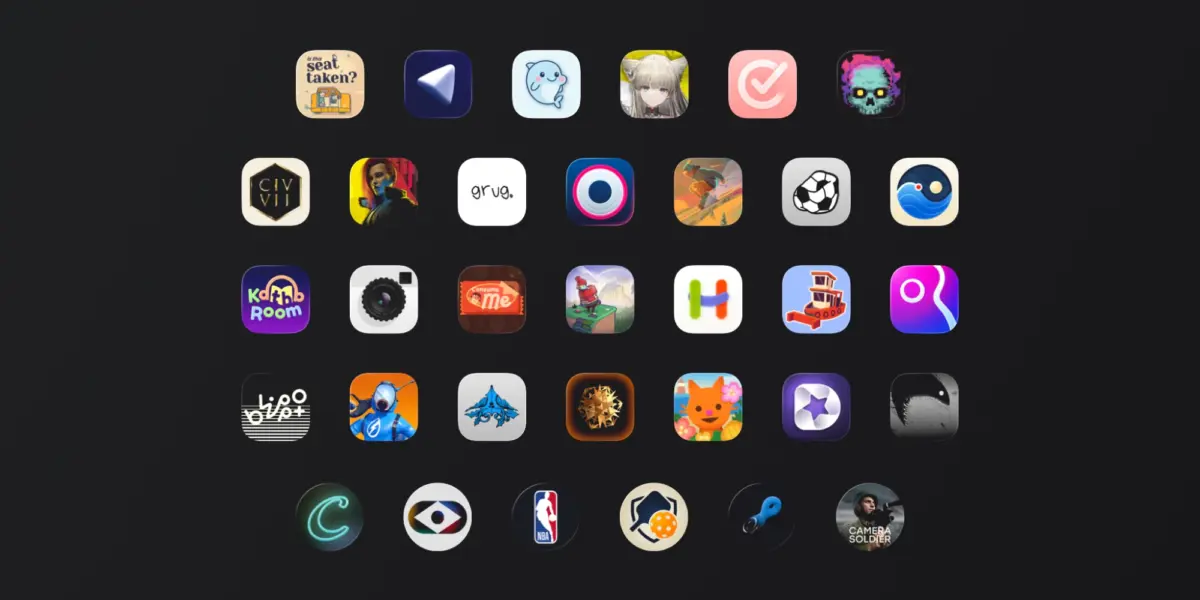
As the technology sector trains its collective gaze on Cupertino in anticipation of Worldwide Developers Conference (WWDC) 2026, Apple has officially kicked off the festivities by sending out press invitations for the flagship keynote. Alongside the scheduling confirmation, Apple has pulled back the curtain on one of the developer community’s most prestigious accolades: the finalists for the Apple Design Awards (ADAs) 2026.
Highlighting the pinnacle of craftsmanship, ingenuity, and technical capability across the App Store ecosystem, this year’s shortlist features a remarkable cohort of applications and games. Spanning six distinct categories, the finalists represent the bleeding edge of what is possible on iOS, iPadOS, macOS, watchOS, and tvOS.
Executive Overview
The Apple Design Awards have long served as a bellwether for where software design and engineering are heading. Each year, Apple honors developers who turn complex technical frameworks into intuitive, visually breathtaking, and culturally resonant digital experiences.
For the 2026 cycle, Apple has curated a competitive pool comprising 36 total finalist slots distributed evenly across six core categories: Delight and Fun, Inclusivity, Innovation, Interaction, Social Impact, and Visuals and Graphics. Each category is split evenly, highlighting three standout apps and three standout games. Because a select few multi-faceted titles have earned nominations across multiple categories, the actual unique count of finalist applications is slightly below the 36-slot maximum, reflecting software that excels on multiple fronts simultaneously.
With the official winners slated to be announced in the coming weeks leading up to the WWDC keynote, the unveiling of these finalists offers an invaluable window into the design philosophies currently shaping the Apple ecosystem—from advanced machine learning integrations and spatial computing adaptations to profound accessibility breakthroughs.

Detailed Chronology: The Road to the 2026 Apple Design Awards
To understand the weight of an Apple Design Award nomination, it helps to contextualize the rigorous journey developers undertake to reach this stage. The timeline leading up to the announcement of the 2026 finalists illustrates Apple’s careful, multi-tiered curation process:
- Late Autumn / Early Winter: Developers across the global ecosystem put the final polish on updates designed to leverage Apple’s latest silicon capabilities, operating system frameworks (such as iOS 19 feature sets), and hardware interfaces.
- Spring Submissions: Apple’s App Store editorial and design teams conduct exhaustive reviews of platform performance, user engagement, visual fidelity, and technical architecture. Thousands of applications are evaluated against strict criteria.
- Mid-May 2026: Apple officially dispatches press invites for the WWDC keynote event, signaling the formal countdown to the conference.
- Immediate Post-Invite Reveal: Coinciding with the keynote announcement, Apple publishes the official list of ADA finalists via the Apple Developer portal, instantly thrusting the nominated indie studios and enterprise developers into the global spotlight.
- Pre-WWDC Winner Announcement: In the weeks leading up to the keynote, Apple will quietly or ceremoniously crown the category winners, culminating in digital celebrations and tangible hardware trophy presentations during the conference week.
Supporting Context & Metrics: Decoding the ADA Categories
The Apple Design Awards are not merely popularity contests based on download numbers or revenue charts. Instead, they are deep structural evaluations of software engineering. Every finalist is judged on how effectively they harness Apple technologies, respect user privacy, implement inclusive design, and deliver seamless performance.
To appreciate the scope of this year’s selection, let us break down the core pillars evaluated across the six official categories:
1. Delight and Fun
- The Criteria: Finalists in this category provide memorable, engaging, and satisfying experiences enhanced by Apple technologies.
- The Context: Whether through haptic feedback integration, spatial audio utilization, or whimsical animations, these apps and games transform routine interactions into moments of joy. They prove that utility and entertainment are not mutually exclusive.
2. Inclusivity
- The Criteria: Finalists in this category provide a great experience for all by reflecting a variety of backgrounds, abilities, and languages.
- The Context: Accessibility is a core tenet of Apple’s design philosophy. Nominees in this bracket excel at implementing VoiceOver, Dynamic Type, custom switch controls, and localization frameworks to ensure that users of all abilities and walks of life can participate fully in the digital experience.
3. Innovation
- The Criteria: Finalists in this category provide a state-of-the-art experience through a novel use of Apple technologies that sets them apart in their genre.
- The Context: This category frequently highlights early adopters of groundbreaking frameworks—ranging from advanced computer vision APIs and Metal graphics optimizations to seamless cross-device Continuity workflows. These apps redefine what an iPhone, iPad, or Mac is capable of doing.
4. Interaction
- The Criteria: Finalists in this category deliver intuitive interfaces and effortless controls that are perfectly tailored to their platform.
- The Context: Great interaction design often goes unnoticed because it feels entirely natural. The finalists here have mastered touch targets, gesture navigation, keyboard shortcuts, and pointer precision, ensuring that the software gets out of the way and lets the user focus on their intent.
5. Social Impact
- The Criteria: Finalists in this category improve lives in a meaningful way and shine a light on crucial issues.
- The Context: Software has the power to change society. This category recognizes developers tackling climate change, mental health, education, civic engagement, and community building, proving that code can be a powerful instrument for social good.
6. Visuals and Graphics
- The Criteria: Finalists in this category feature stunning imagery, skillfully drawn interfaces, and high-quality animations with a distinctive and cohesive theme.
- The Context: From minimalist utility apps with gorgeous typography to hyper-detailed 3D gaming environments powered by Apple Silicon, this category celebrates artistic vision paired with flawless technical execution.
Official Perspectives and Industry Impact
While Apple maintains a rigorous, objective evaluation standard managed internally by its design evangelism and App Store teams, the cultural ripple effect of an ADA nomination cannot be overstated. For independent developers and small studio teams, securing a finalist spot—let alone winning the physical aluminum-and-glass ADA cube—can completely alter a company’s trajectory.
Historically, Apple Design Award winners experience a dramatic surge in visibility, earning prominent placement on the App Store’s Today tab, increased user trust, and heightened interest from venture capitalists and publishers. More importantly, it validates years of painstaking design iterations, late-night bug fixes, and tireless advocacy for user-centric design principles.

Industry analysts note that the 2026 finalist pool heavily reflects a maturing ecosystem where cross-platform cohesion, privacy-first data handling, and sophisticated machine learning models are no longer considered "bonus features"—they are the baseline expectations for world-class software.
Future Outlook: Looking Beyond WWDC 2026
As the technology world prepares for the WWDC 2026 keynote, the spotlight on these 36 finalists serves as a powerful reminder of the human element driving hardware innovation forward. Apple can manufacture the most advanced silicon chips and design the sleekest displays, but it is the third-party developer community that breathes life into these machines.
Over the coming weeks, as the ultimate ADA winners are revealed and developers descend upon Cupertino (both in-person and virtually), the industry will look ahead to the next generation of software paradigms. With rumors swirling regarding major updates to Apple’s operating systems and hardware ecosystems, the software engineering masterclasses demonstrated by these 2026 Design Award finalists offer a clear glimpse into the future of digital interaction.
Stay tuned for comprehensive coverage of the WWDC 2026 keynote, complete breakdowns of the operating system announcements, and the final revelation of this year’s Apple Design Award winners.








Belum ada komentar. Jadilah yang pertama berkomentar!