

Executive Overview
Nearly a year after the grand gates of the 2025 World Expo swung shut, the echoes of Osaka’s massive international showcase continue to reverberate through Japanese pop culture, urban development, and civic debate. At the epicenter of this lingering cultural footprint is Myaku-Myaku, the official mascot whose polarizing, gooey, multi-eyed humanoid design once sparked equal parts internet fascination and nightmarish bewilderment. Rather than fading into the obscure archives of past world fairs, Myaku-Myaku has achieved an extraordinary, trans-generational cult status.
Now, this legacy stands to be carved into the very geography of Osaka. In a breathtaking display of late-in-life philanthropy, 85-year-old business owner Keihachi Fukunishi and his wife, Akiyo Fukunishi, have gifted a staggering 400 million yen (approximately $2.5 million USD) directly to the City of Osaka—contributing 200 million yen each. The couple’s donation is tied to a distinct, highly visible condition: the erection of a permanent, monumental statue of Myaku-Myaku on the original Expo site.
This multi-million-dollar gesture has ignited a fiery public discourse. Proponents view it as a visionary artistic investment destined to mirror the historic triumph of Taro Okamoto’s iconic Tower of the Sun from the 1970 Osaka Expo. Conversely, critics and local taxpayers have raised concerns regarding municipal transparency, long-term maintenance liabilities, and political rhetoric. As Osaka Mayor Hideyuki Yokoyama navigates the delicate interplay between honoring major benefactors and managing urban development—namely the upcoming transition of the site into Japan’s first integrated resort and casino—the fate of the Myaku-Myaku monument remains a high-stakes question of modern Japanese municipal governance.
Detailed Chronology: From Nightmare Fuel to National Icon
To fully grasp the magnitude of a $2.5 million public art request centered on Myaku-Myaku, one must trace the improbable evolution of the character itself.
1. The 2022 Genesis and Initial Backlash
When Myaku-Myaku was first unveiled to the public in the spring of 2022 as the official face of the then-upcoming 2025 Osaka-Kansai Expo, the reception was decidedly mixed. Designed around the core concepts of "Connecting Lives" and the flow of water and cellular regeneration, the mascot features a bright blue, liquid-like lower body topped by a pulsing red, ring-encircled cluster of eyeball-like appendages.
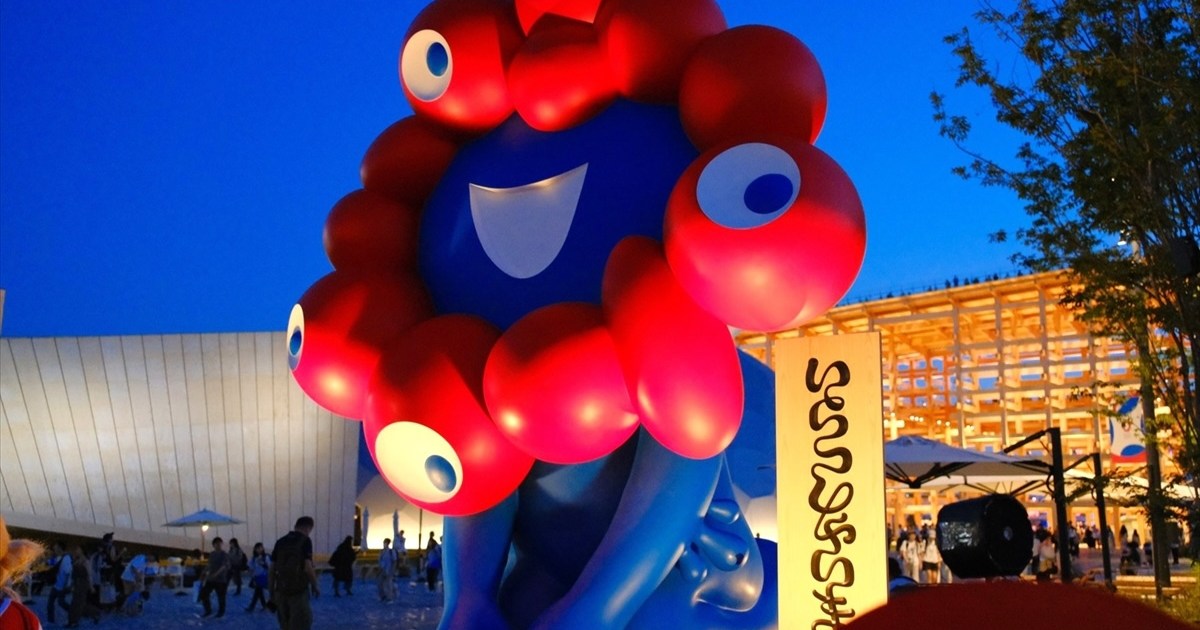
Social media erupted with a wave of dark humor and genuine unease. Commentators dubbed the creation "nightmare fuel," noting its uncanny resemblance to biological tissue, organic anomalies, and visceral entities found more frequently in psychological horror than family-friendly promotional campaigns. Early fan art leaned heavily into its grotesque nature, portraying it as a surreal cryptid. Yet, beneath the initial shock value lay brilliant character design: its contrasting colors, asymmetrical features, and expressive, wide-mouthed smile quickly transitioned from deeply unsettling to strangely endearing.
2. The 2025 World Expo and Cultural Integration
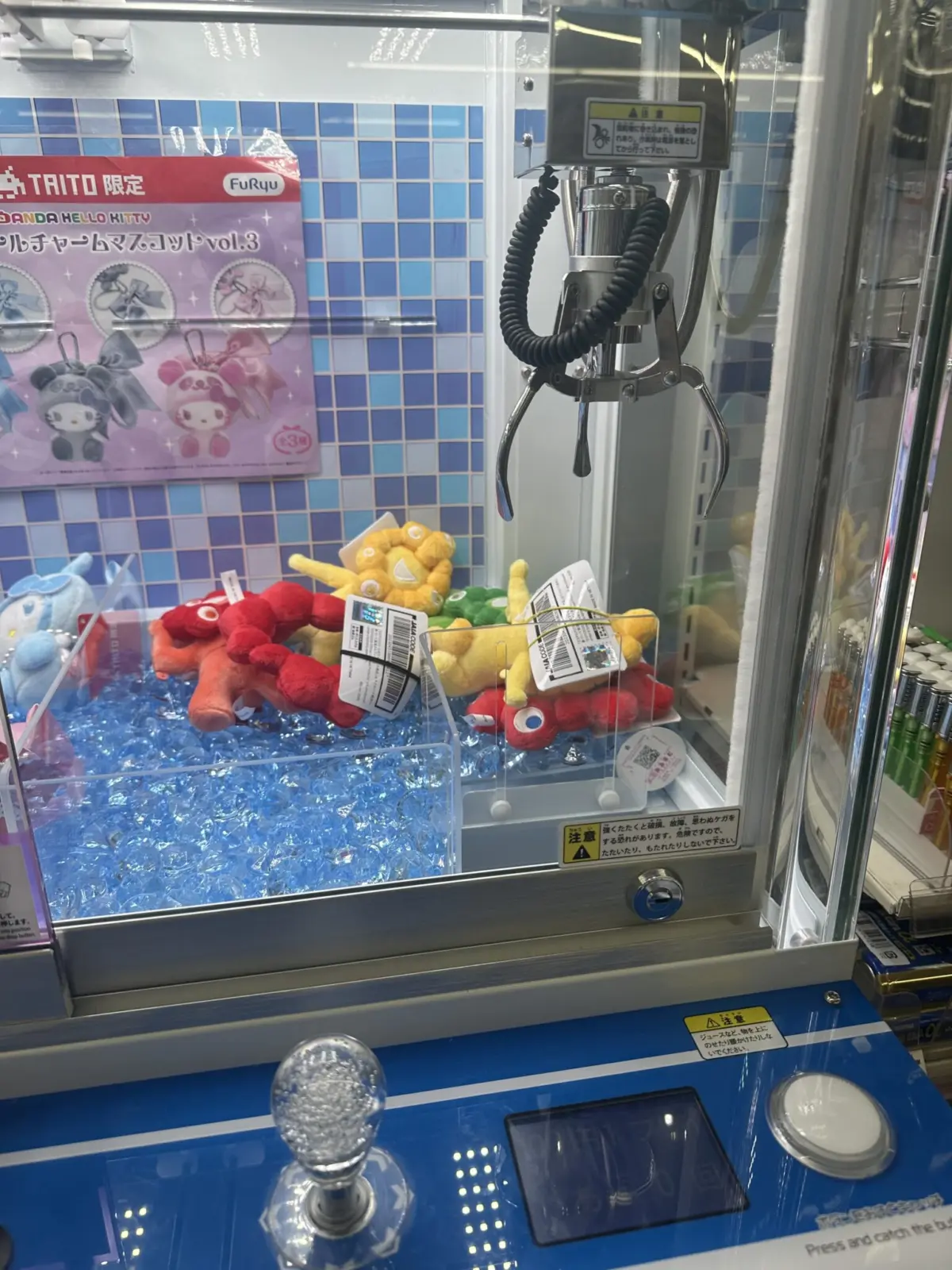
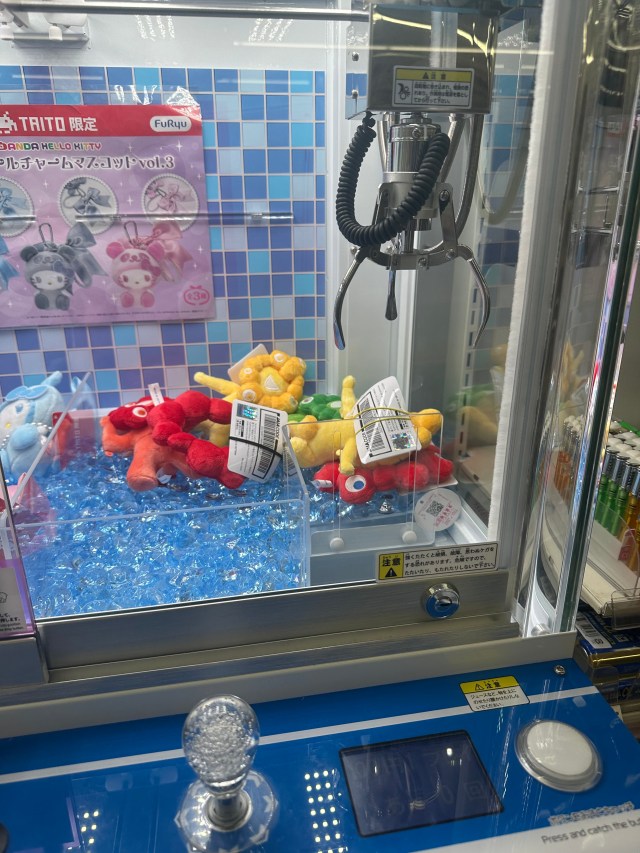
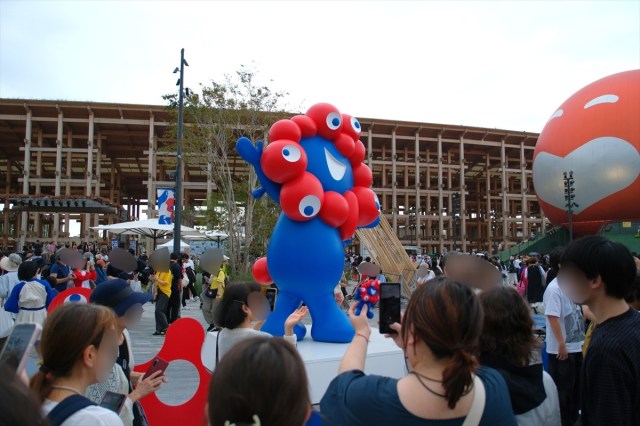
By the time the Osaka-Kansai Expo officially opened its doors, Myaku-Myaku was no longer a punchline; it was a bona fide merchandising juggernaut. Visitors queued for hours to purchase limited-edition goods, while arcade crane games across the country remained perpetually stocked with plush iterations of the character.
Even after the Expo’s closure, the mascot refused to exit stage left. Myaku-Myaku’s post-event commercial life expanded into increasingly adventurous territories, most notably punctuated by the release of a "tastefully erotic photo book" that pushed the boundaries of mascot marketing. By transcending the temporal limits of the six-month exhibition, Myaku-Myaku cemented itself in the upper echelon of Japan’s fiercely competitive yuru-chara (mascot) landscape.
3. The Fukunishi Donation and the Call for Permanence
The climax of this cultural persistence arrived with the Fukunishi family’s historic announcement. Keihachi and Akiyo Fukunishi, both established octogenarians within the business community, formalized their affection for the Expo by transferring a combined 400 million yen to municipal coffers.
During the official press event where the couple was presented with letters of municipal appreciation, Keihachi Fukunishi articulated his vision with striking historical clarity. Comparing the mascot to the legendary Tower of the Sun, Fukunishi declared that Myaku-Myaku serves as the definitive cultural anchor for the 2025 iteration, just as Okamoto’s towering, tribalistic monolith defined the Senri Expo Park of 1970. The condition of their gift is simple yet profound: transform the ephemeral magic of the Expo into a tangible, permanent landmark that future generations cannot ignore.
Supporting Context & Metrics: Parallels to 1970 and Urban Redevelopment
To understand why the Fukunishis’ donation carries such rhetorical weight, financial analysts and cultural historians are looking back half a century to the Osaka Expo of 1970.
+---------------------------------------------------------------------------------+
|                         HISTORICAL PARALLELS: OSAKA EXPOS                       |
+---------------------------+-----------------------------------------------------+
| Metric / Feature          | 1970 Osaka Expo (Senri)   | 2025 Osaka-Kansai Expo    |
+---------------------------+-----------------------------------------------------+
| Core Monument             | Tower of the Sun          | Grand Ring / (Proposed) |
|                           | (Taro Okamoto)            | Myaku-Myaku Statue      |
+---------------------------+-----------------------------------------------------+
| Initial Public Reception  | Polarizing, avant-garde,  | Unsettling, organic,    |
|                           | viewed with skepticism    | "nightmare fuel" debut  |
+---------------------------+-----------------------------------------------------+
| Current Status / Fate     | Designated National Tangible| Subject of municipal  |
|                           | Cultural Property         | deliberation & debate   |
+---------------------------+-----------------------------------------------------+
The Shadow of the Tower of the Sun
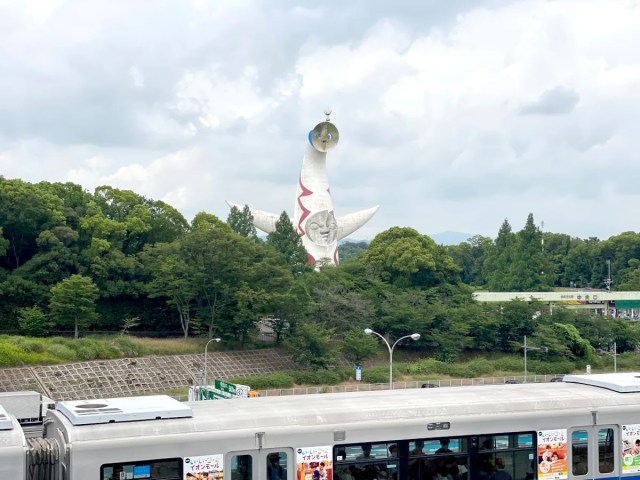
When artist Taro Okamoto unveiled the Tower of the Sun for the 1970 exposition, it was met with fierce controversy. Commissioned during an era fixated on the space race, lunar landings, and sleek technological futurism, Okamoto’s creation subverted expectations by embracing raw, organic, tribalistic, and chaotic imagery. Critics at the time questioned its appropriateness for a celebration of modern human achievement.
Yet, decades later, the Tower of the Sun is universally lauded as an architectural and artistic masterpiece, holding the prestigious status of a National Tangible Cultural Property. It remains a beloved fixture of Osaka’s skyline. The Fukunishis appear to recognize this exact developmental trajectory in Myaku-Myaku: an initially shocking, organically grotesque entity that possesses the profound cultural resonance required to define an era.
The Changing Landscape of Yumeshima
The proposed site for the statue—the former Expo grounds on Yumeshima Island—is currently undergoing a radical structural metamorphosis. One of the crown jewels of the 2025 Expo was the Grand Ring, a colossal wooden structure measuring approximately two kilometers in circumference that enveloped the venue.
Under current municipal plans, the vast majority of the Grand Ring is slated for demolition—leaving only a 200-meter preserved stretch—to clear the way for Japan’s very first integrated resort and casino complex. This multibillion-dollar tourism project will stand adjacent to a newly established commemorative park honoring the Expo. Introducing a permanent, monumental Myaku-Myaku statue into this mixed-use commercial and memorial zone represents an aggressive effort to retain the soulful identity of the fair amidst rampant corporate and casino-driven real estate development.
Official Statements and Political Reactions
The announcement of the 400-million-yen injection immediately triggered formal responses from municipal leaders, highlighting both gratitude and the cautious bureaucratic maneuvers typical of Japanese politics.
Mayor Hideyuki Yokoyama’s Response
Osaka Mayor Hideyuki Yokoyama accepted the donation with visible enthusiasm, though his phrasing has since become a flashpoint for public scrutiny. Addressing reporters following the transfer of funds, Mayor Yokoyama stated:
"I would like to accelerate deliberation so that Myaku-Myaku can take its place alongside the Grand Ring as a new symbol of this site."
While intended as an expression of proactive administrative interest, the specific phrase employed by the mayor—kento wo kasoku ("accelerate deliberation")—is a classic political idiom. In the lexicon of Japanese governance, it is frequently interpreted by the citizenry as a polite euphemism for stalling, deferring responsibility, or entering an indefinite holding pattern without making a binding commitment.
Future Outlook: Public Sentiment, Tax Strategy, and Civic Debate
The intersection of private wealth, public art, and municipal administration has divided opinion across Japan. Online forums, local news comment sections, and social media platforms have buzzed with vigorous debates regarding the wisdom of the Fukunishis’ gift and the city’s handling of it.
The Tax Strategy Hypothesis
A dominant theory among financial observers centers on the demographic reality of the donors. At 85 years old, Keihachi and Akiyo Fukunishi belong to a generation holding substantial private capital. Commentators have pointed out that substantial cash reserves left unallocated face aggressive inheritance taxation upon the passing of the holders. By executing a monumental philanthropic donation during their lifetimes, the couple effectively circumvents heavy tax penalties while actively curating their public legacy. As one internet user astutely observed:
"They probably decided to donate the money while they’re still alive rather than just have it taken in inheritance taxes. That’s a wonderful idea."
Criticisms and Operational Concerns
Not all reactions, however, are supportive. A significant faction of taxpayers has voiced pointed criticisms regarding municipal priorities and fiscal common sense:
- Maintenance Liabilities: Skeptics question whether the 400 million yen covers the long-term structural maintenance of a giant outdoor monument exposed to harsh coastal weather conditions, or if taxpayers will ultimately foot the bill for upkeep.
- Misallocated Public Infrastructure: Critics argue that municipal funds and administrative energy would be better directed toward crumbling civic infrastructure, such as updating deteriorating drainage pumps in the southern wards of the city, rather than erecting monuments to fictional mascots.
- Corporate-Style Quid Pro Quo: Some citizens expressed unease over tying a specific civic demand to a massive financial contribution, drawing uncomfortable parallels to corporate lobbying or conditional favors.
- Bureaucratic Inertia: Frustration with Mayor Yokoyama’s "accelerated deliberation" remains high, with many demanding immediate, transparent action so that the elderly donors can witness the realization of their vision within their lifetimes.
Conclusion
As Osaka looks toward its casino-fueled future, the debate over the Myaku-Myaku statue transcends mere pop-culture fandom. It touches upon the core of how a city chooses to remember its cultural moments, balance private generosity with public accountability, and preserve its identity against the tides of commercialization. Whether Myaku-Myaku ultimately takes its place alongside the Grand Ring as a permanent guardian of Yumeshima Island or becomes another cautionary tale of municipal hesitation, the 400-million-yen donation ensures that Osaka’s gooey, multi-eyed icon will remain a fixture of public consciousness for decades to come.


Belum ada komentar. Jadilah yang pertama berkomentar!