

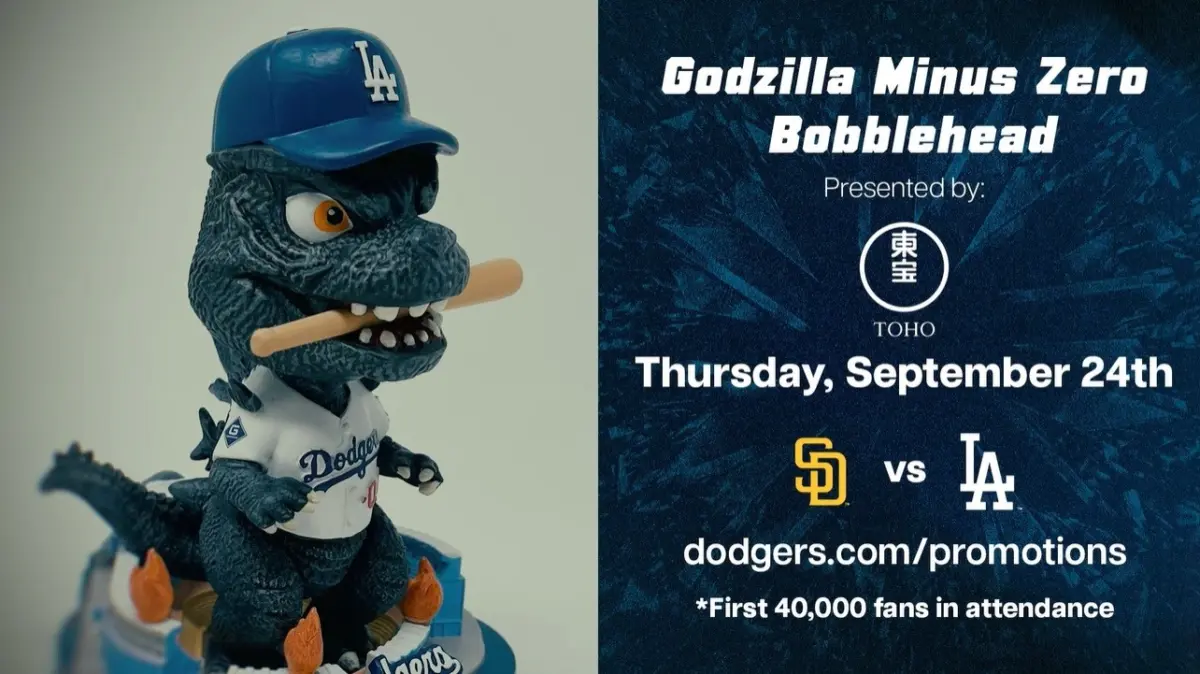
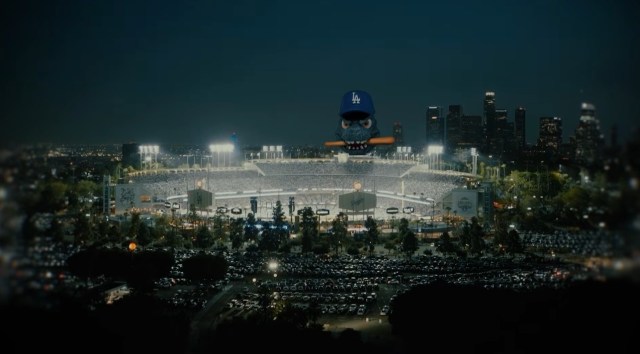
On September 24, 2026, the intersection of pop culture and Major League Baseball reached an unprecedented magnitude when the Los Angeles Dodgers hosted "Godzilla Minus Zero Night" at Dodger Stadium. Traditionally known for emerging from Tokyo Bay to reduce Japanese urban centers to rubble, cinema’s most famous kaiju traded his classic stomping grounds for the iconic topography of Chavez Ravine. Rather than razing the venue with his signature atomic breath, the King of the Monsters adopted a benevolent, if imposing, stance as an honorary sports fan.
The high-profile promotional event served as a major cross-promotional launchpad for Godzilla Minus Zero, the highly anticipated sequel to the Academy Award-winning Godzilla Minus One. With the global film community eagerly awaiting the sequel’s world premiere at the New York Film Festival on September 26, followed by a theatrical rollout in Japan this November, Toho Co., Ltd. and the Los Angeles Dodgers engineered a cross-cultural spectacle. The evening featured special guest appearances, exclusive memorabilia, and a ceremonial first pitch delivered by the franchise’s leading man, Ryunosuke Kamiki. Despite a disappointing 4-2 loss for the home team against their division rivals, the San Diego Padres, the event cemented itself as one of the most memorable themed promotional nights in recent baseball history.
Detailed Chronology of the Event
Pre-Game Anticipation and the Great Queue
The excitement surrounding Godzilla Minus Zero Night began long before the first pitch was thrown. Driven by the immense popularity of the franchise and the scarcity of the evening’s promotional giveaway, dedicated fans began lining up outside the gates of Dodger Stadium a remarkable five hours before the game started.
By mid-afternoon, serpentine queues wrapped around the stadium perimeter. The primary catalyst for this early mobilization was a highly coveted stadium giveaway: a super-deformed, chibi-style Godzilla bobblehead figure depicting the terrifying behemoth clad in a custom Los Angeles Dodgers uniform.
Toho and the Dodgers organization arranged for the figures to be distributed to the first 40,000 ticketholders entering the stadium. Given that Dodger Stadium boasts a maximum seating capacity of approximately 56,000, the supply was finite, creating an urgent race among attendees to secure their spot in line. Collectors and die-hard kaiju fans flooded the entry plazas hours ahead of schedule, turning the concrete concourses into a vibrant crossover community of baseball enthusiasts and monster movie buffs.
Ceremonial First Pitch and Pre-Game Festivities
As the stadium filled to near-capacity, the atmosphere shifted from anticipatory buzz to cinematic celebration. The stadium’s JumboTron and LED ribbon boards lit up with co-branded graphics welcoming the King of the Monsters to Los Angeles.
The ceremonial first pitch brought a touch of cinematic authenticity to the diamond. Ryunosuke Kamiki, the acclaimed lead actor who anchors the emotional and narrative core of both Godzilla Minus One and its upcoming sequel, stepped onto the pitcher’s mound. Dressed in a Dodgers jersey, Kamiki delivered a clean, well-received pitch that drew loud cheers from the crowd.
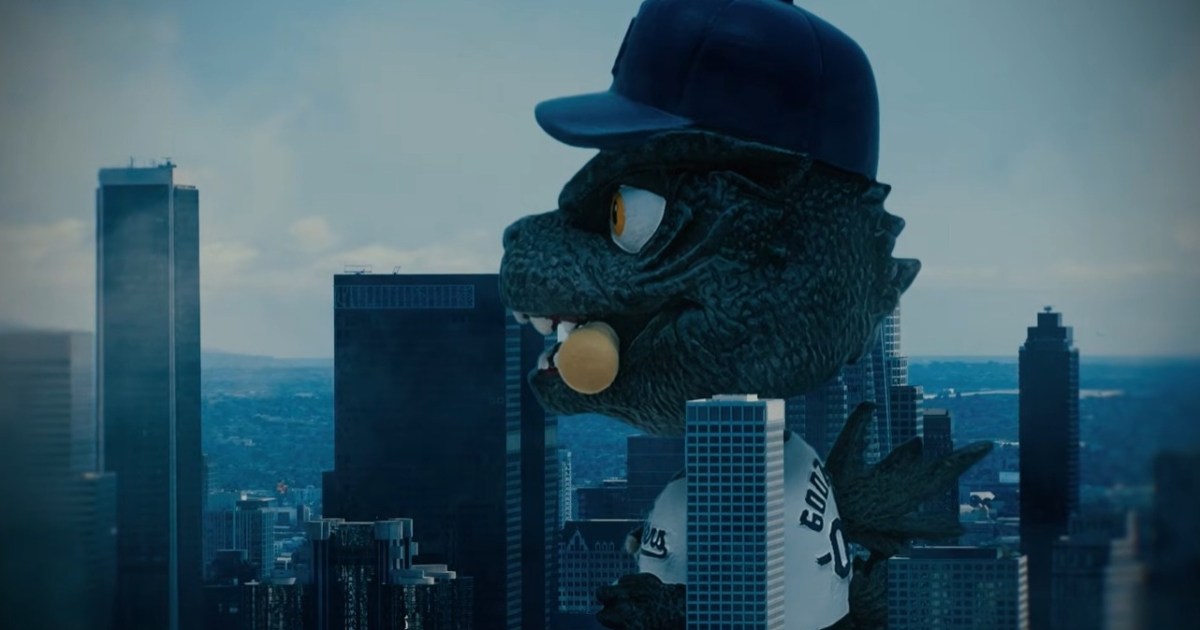
Following the pitch, costumed iterations of Godzilla made appearances around the warning track and concourses. The juxtaposition of a towering, scaly reptilian titan interacting with stadium staff and posing with fans offered a surreal visual spectacle that encapsulated the playful yet grandiose nature of the crossover.
The Game and On-Field Action
As the ceremonial pageantry concluded, athletic competition took center stage as the Dodgers faced off against the San Diego Padres. For the home crowd, the evening offered a chance to witness baseball excellence from a back-to-back World Series-winning franchise.
However, the baseball gods proved as unpredictable as cinematic monsters. Despite holding strong support from the stands—and an honorary monster backing their dugout—the Dodgers struggled to generate consistent offense against the Padres’ pitching staff. Ultimately, San Diego managed to secure a 4-2 victory, spoiling the party for the home faithful.
While the loss was a minor damper on an otherwise electric evening, the presence of Godzilla loomed large over the proceedings. Speculation playfully arose online and among sports commentators as to whether manager Dave Roberts might need to draft alternative pop culture icons—such as Pikachu, who previously made a splash at the MLB Tokyo Dome opener—to jump-start the team’s bats, or if he should simply unleash Godzilla on the opposing roster to avenge the defeat.
Supporting Context & Metrics
The Legacy of Godzilla Minus One and the Rise of Minus Zero
To fully understand the cultural weight of Godzilla Minus Zero Night, one must examine the unprecedented global success of its predecessor. Godzilla Minus One, directed by Takashi Yamazaki, achieved a historic milestone for the 70-year-old franchise by winning the Academy Award for Best Visual Effects at the 96th Academy Awards. It marked the first time a Godzilla film won an Oscar, proving that the character’s appeal extends far beyond creature-feature B-movie roots into the realm of poignant, critically acclaimed historical drama.
Building upon that momentum, Godzilla Minus Zero arrives with stratospheric expectations. The world premiere is scheduled for September 26 at the prestigious New York Film Festival—a testament to the franchise’s elevated artistic standing—before landing in Japanese theaters this November. By aligning the film’s promotional runway with a high-profile MLB venue, Toho has executed a masterclass in modern international marketing, bridging the gap between niche fandom and mainstream pop-culture dominance.
Dodger Stadium Giveaways as Economic and Cultural Drivers
Dodger Stadium is widely recognized within Major League Baseball for hosting some of the most elaborate and sought-after promotional giveaway nights in the sport. Bobblehead nights, in particular, command massive attendance spikes and secondary-market trading value.
- Attendance Impact: Promotional nights featuring high-profile intellectual properties regularly push single-game attendance toward capacity limits, drawing casual fans who might not otherwise attend a mid-season game.
- The 40,000-Unit Threshold: Distributing 40,000 units represents a substantial logistical and financial investment by the ball club and its corporate partners. For Godzilla Minus Zero Night, this threshold created an artificial scarcity that successfully incentivized early stadium arrival, boosting concession sales and pre-game foot traffic.
- Cross-Branding Success: The fusion of sports memorabilia and cinematic icons highlights an evolving trend in sports marketing: leveraging global entertainment brands to capture younger, digitally native demographics who cross-identify as both sports fans and pop-culture consumers.
Official Statements and Industry Reactions
The collaboration between Toho and the Los Angeles Dodgers generated substantial digital engagement across official channels and social media platforms.
The Los Angeles Dodgers organization utilized their official X (formerly Twitter) account to document the evening, sharing high-engagement posts that welcomed the studio partner. One notable post proclaimed: "It’s Godzilla Minus Zero Night presented by TOHO!" accompanied by footage of the stadium’s immersive branding. Another playful post poked fun at the character’s dual identity, asking, "Will the real Zilla please stand up?" alongside imagery of the costumed kaiju navigating the stadium grounds.
Major entertainment media outlets also monitored the crossover closely. DiscussingFilm highlighted the international appeal of the event, broadcasting footage of Ryunosuke Kamiki’s appearance with the caption: “‘GODZILLA MINUS ZERO’ star Ryunosuke Kamiki threw the first pitch at tonight’s Dodger game in LA.”
Fan reaction across platforms like Dodgers Nation and various baseball forums emphasized the sheer dedication of the fanbase. Coverage of supporters queuing up five hours prior to the gates opening underscored the potent pulling power of the Godzilla brand when paired with exclusive sports merchandise. Industry analysts pointed to the event as a benchmark for future cross-promotional campaigns between major Hollywood/international studios and professional sports leagues.
Future Outlook
The success of Godzilla Minus Zero Night at Dodger Stadium points toward an increasingly interconnected future for sports entertainment and cinematic marketing. As studios look for innovative ways to cut through the digital noise and engage audiences in physical spaces, high-concept stadium takeovers are proving to be remarkably effective.
For Toho, the event served as a high-visibility launching pad leading directly into the world premiere of Godzilla Minus Zero at the New York Film Festival and its subsequent theatrical release in Japan. The goodwill generated among American fans in Los Angeles—combined with viral social media traction—ensures that international awareness for the franchise remains at an all-time high.
Looking ahead, sports franchises and entertainment conglomerates are expected to expand these partnerships. Whether through unique merchandise collaborations, immersive in-stadium augmented reality experiences, or celebrity appearances by international icons, the blueprint established at Dodger Stadium demonstrates that the King of the Monsters can conquer any arena he chooses—even if he leaves the atomic breath at home.









Belum ada komentar. Jadilah yang pertama berkomentar!