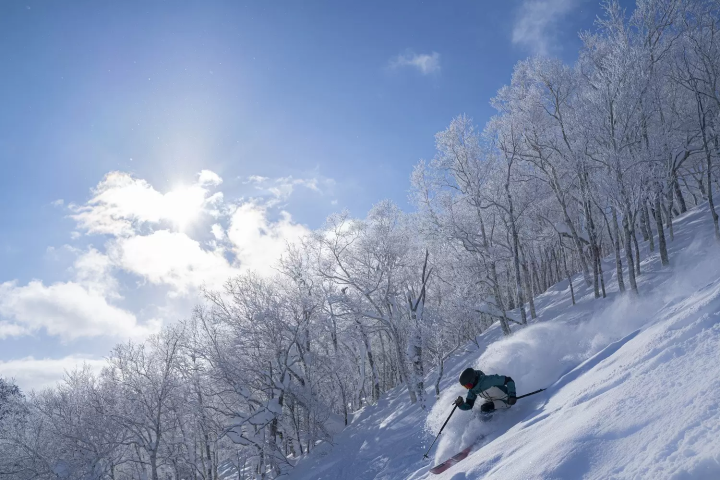
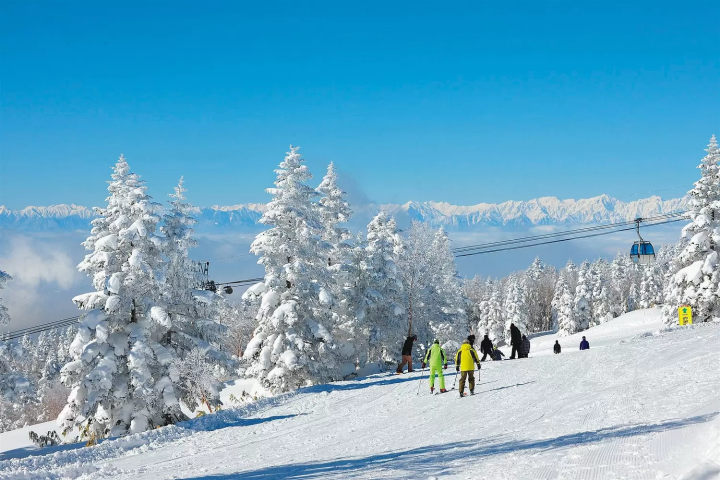
For decades, the global snowsports community has whispered tales of a meteorological phenomenon unique to the Japanese archipelago: "Japow." Characterized by an ultra-light, dry texture with an exceptionally high snow-to-water ratio, this legendary powder snow is born when freezing Siberian winds pick up moisture as they cross the Sea of Japan, dropping colossal amounts of fresh powder daily across northern and central Honshu and Hokkaido.
While the snow itself is a primary draw, the logistics of a winter alpine holiday can often detract from the sheer joy of the descent. Navigating crowded shuttle buses, hauling heavy gear through icy streets, and timing lift schedules can transform an otherwise idyllic vacation into a logistical marathon. Enter the ski-in/ski-out hotel—the gold standard of mountain hospitality. By seamlessly integrating direct slope access, world-class gear rentals, diverse culinary programs, and restorative geothermal hot springs (onsen) under a single roof, these properties maximize every waking moment on the mountain.
This report examines six premier ski-in/ski-out properties across Japan managed by Seibu Prince Hotels & Resorts. Spanning from the northern powder meccas of Hokkaido to the accessible alpine valleys of Nagano, Niigata, Iwate, and Gunma, these destinations offer a masterclass in how to combine high-performance alpine athletics with legendary Japanese hospitality, wellness, and culture.
Detailed Chronology and Destination Profiles: The Six Premier Alpine Escapes
1. Shin Furano Prince Hotel: Carving Hokkaido’s World-Class Powder
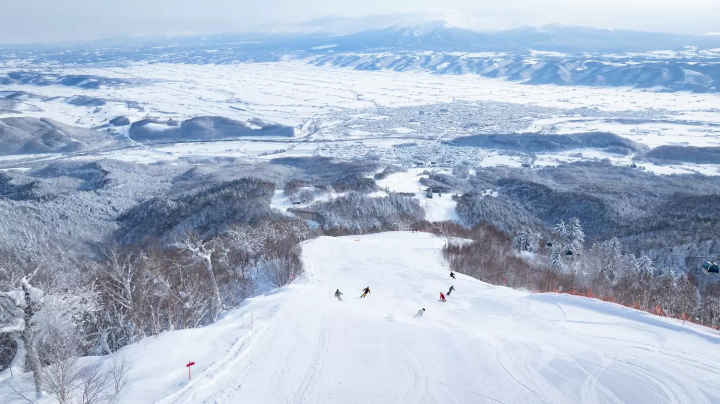
In the heart of Hokkaido lies the inland Furano Basin, a microclimate protected by the towering Tokachi Mountain Range. This geographical shield captures moisture before it reaches the valley, producing what connoisseurs call "Furano bonchi powder"—exceptionally low-density, fluffy snow that allows skiers to experience the sensation of weightless gliding.
Split into two distinct sectors—Furano and Kitanomine—the Furano Ski Resort boasts 28 meticulously maintained trails distributed across a balanced spectrum: 40% beginner, 40% intermediate, and 20% advanced. Thrill-seekers can test their mettle on steep, groomed cruisers that have historically hosted FIS World Cup races, or venture into challenging, ungroomed powder bowls.
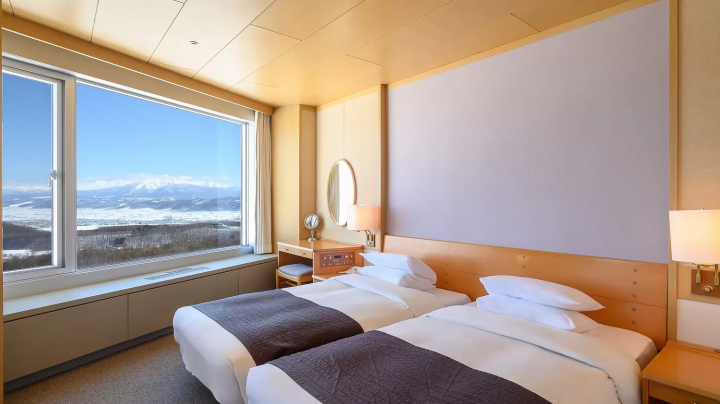
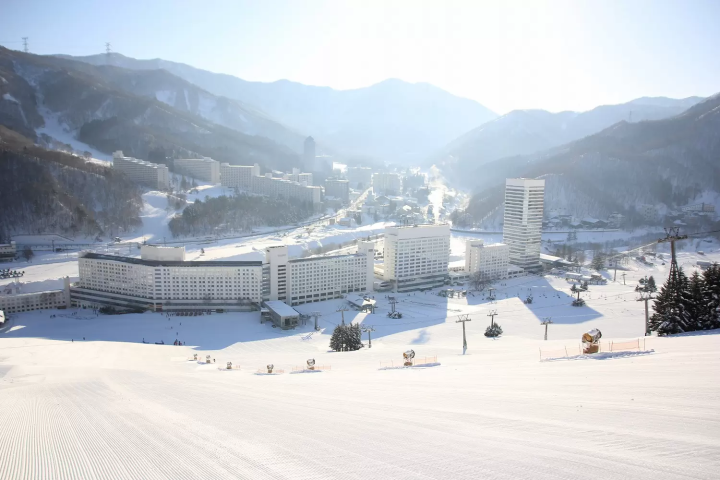
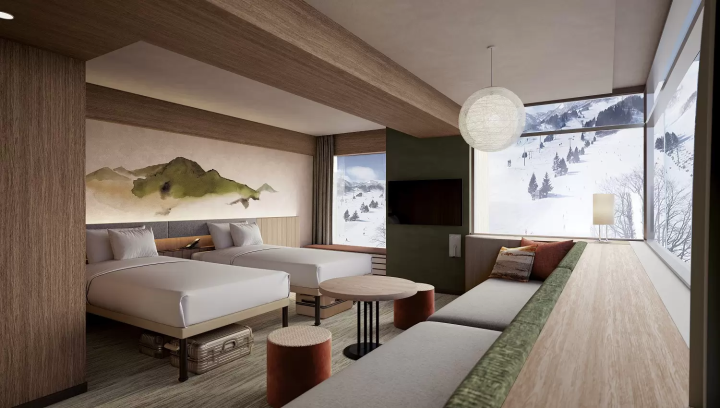
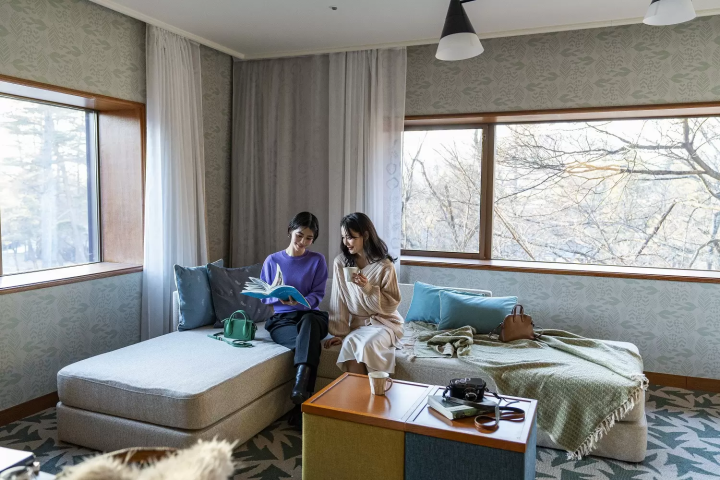
Slope-Side Integration: The Shin Furano Prince Hotel sits directly on the mountain, offering immediate ski-in/ski-out access. With five distinct room configurations tailored to solo travelers, families, and private groups, accommodations feature panoramic views of the slopes and the snow-draped Tokachi peaks.
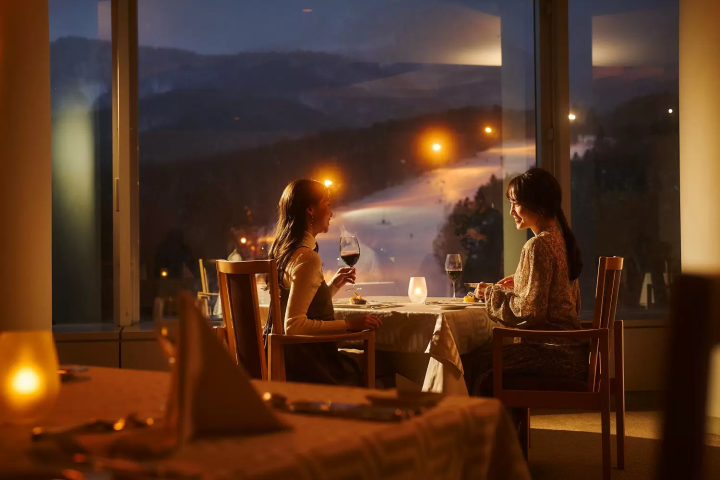
Gastronomy and Apres-Ski: The resort houses 12 dining options on-site, ranging from casual cafes and artisan bakeries to sophisticated buffets and specialized Japanese, Italian, and Western restaurants.
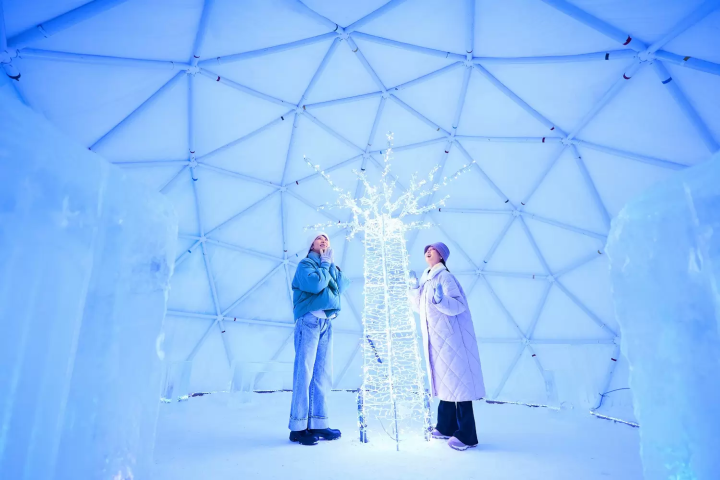
Immersive Winter Attractions: Beyond the slopes, the hotel serves as a gateway to the Snow Night Fantasy (Furano Kan Kan Mura), an illuminated ice-and-snow village offering dog sledding and snow rafting. Families can also explore Furano Snowland, while advanced skiers can book exclusive First Tracks passes for private morning sessions on untouched snow before the general public arrives.
Regional Accessibility: Located centrally in Hokkaido, the hotel acts as an ideal base for broader winter exploration, sitting 45 minutes from Biei’s iconic Shirogane Blue Pond and 80 minutes from Asahikawa.
2. Naeba Prince Hotel: Seamless Alpine Access Close to Tokyo
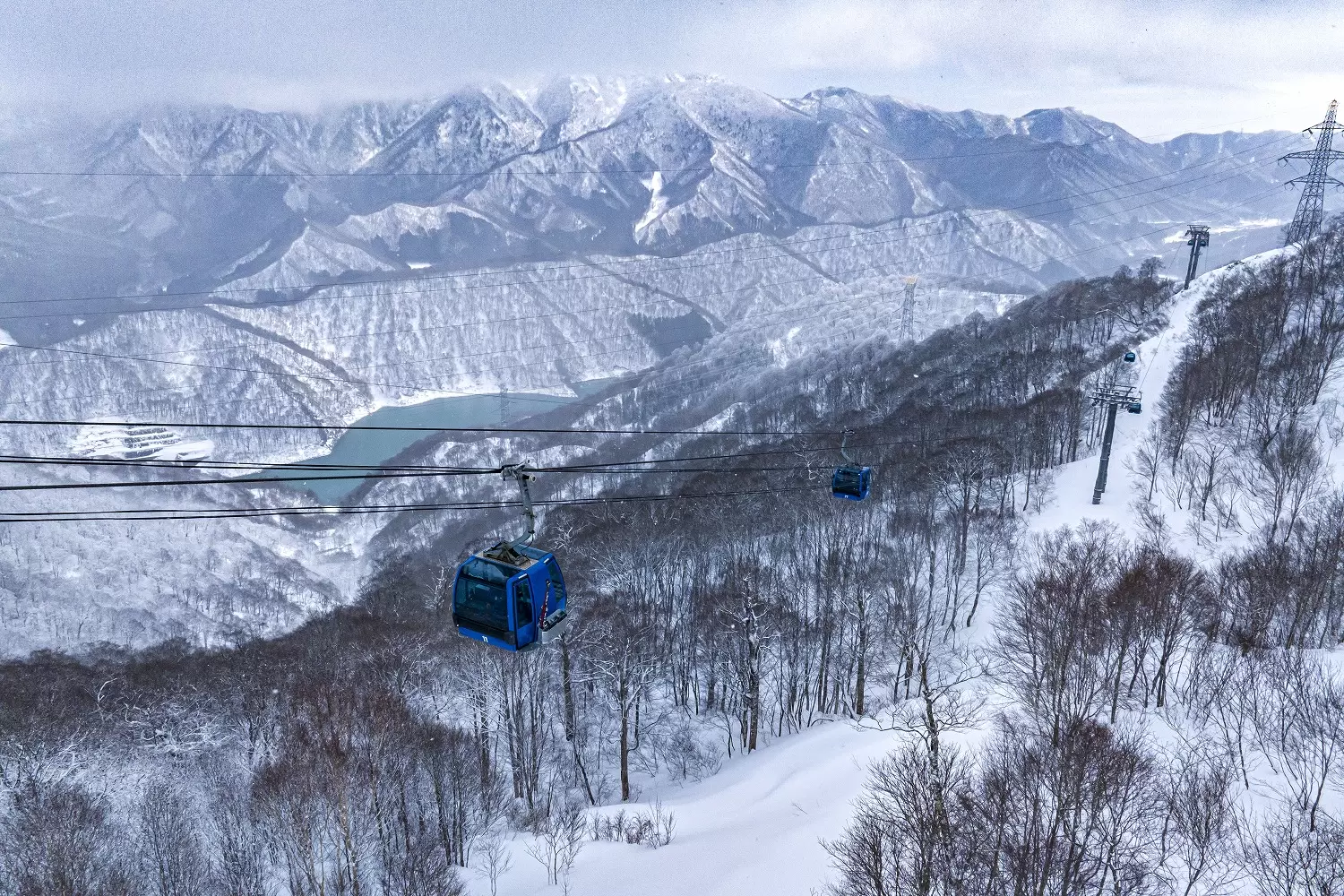
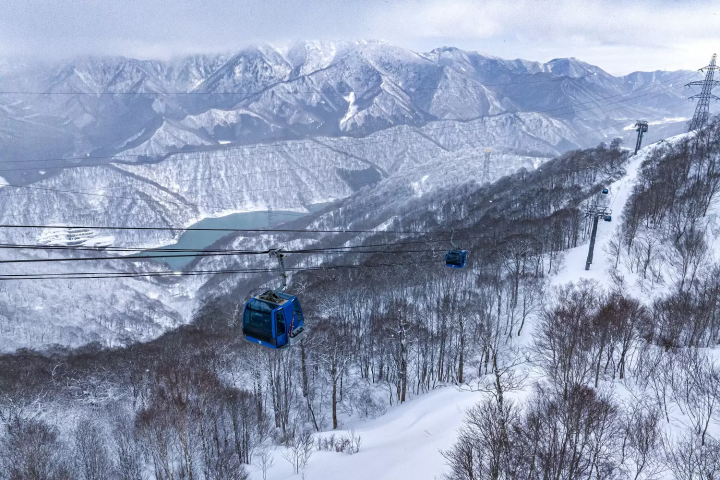
Located just 2.5 hours from the heart of Tokyo via the Shinkansen bullet train or highway, Naeba Ski Resort in Niigata Prefecture is an accessible powerhouse for both domestic and international travelers. Naeba is physically linked to the neighboring Kagura Ski Resort via the Dragondola, reigning supreme as Japan’s longest gondola ride at a breathtaking 5.5 kilometers.
Terrain and Facilities: Naeba features 24 dynamic trails, with half of its summit-area runs specifically curated for advanced skiers. Night skiing is fully supported by illuminated tracks directly in front of the massive Naeba Prince Hotel, which comprises approximately 1,200 rooms across four dedicated towers.
Family & Adventure Programming: Non-skiers are well catered to via the Family Snowland (offering snow tubing and snowmobiling) and the Sherpa Adventure Center, which leads guided ecological winter tours across Mt. Naeba.
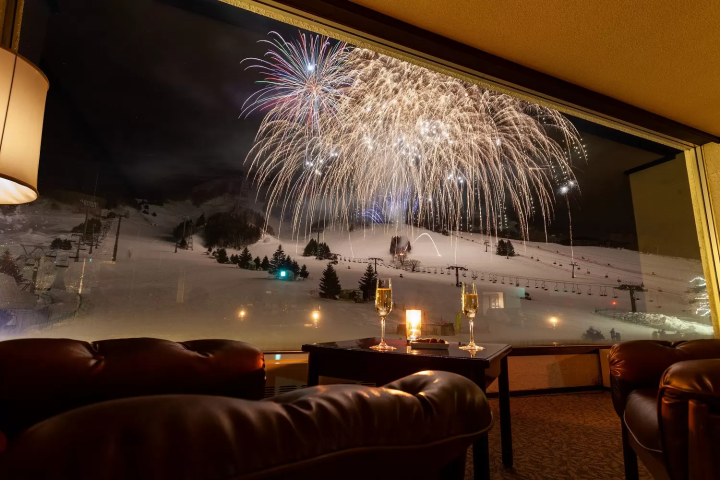
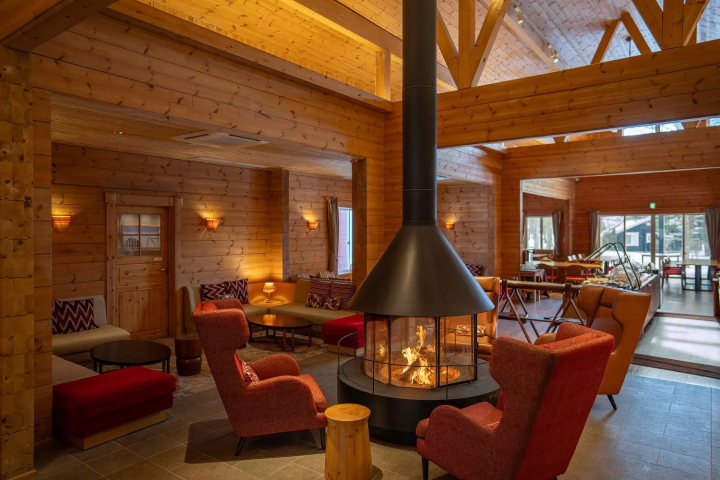
Culinary and Social Spaces: With 18 winter-exclusive restaurants and a central food court, dining choices span authentic sushi, Chinese, Korean barbecue, and classic alpine comfort food. Evenings center around the club lounge fireplace, where guests can unwind with craft beverages overlooking the lit-up night slopes.
3. Prince Grand Resort Karuizawa: High-Speed Access to Nagano’s Slopes
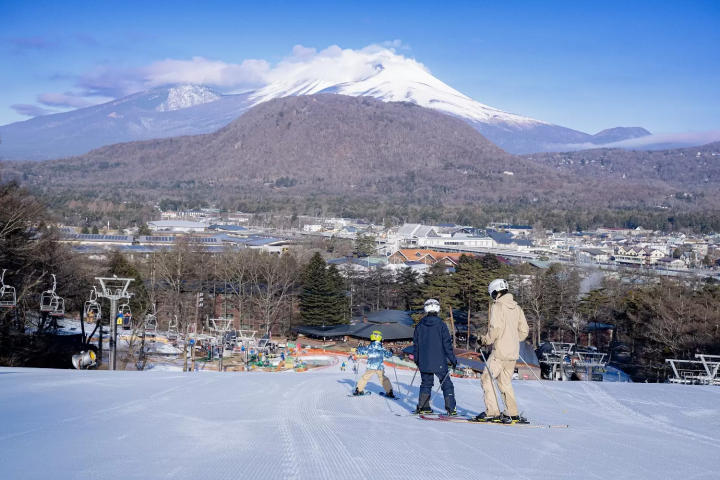
For travelers seeking a frictionless transition from urban metropolis to alpine wonderland, the Karuizawa Prince Hotel Ski Resort in Nagano offers an unbeatable value proposition. Situated adjacent to JR Karuizawa Station, the resort is reached in a mere one hour from Tokyo Station via the Hokuriku Shinkansen.
Early-Season Reliability: Boasting 14 diverse trails (eight beginner, three intermediate, three advanced), Karuizawa utilizes advanced artificial snowmaking technology, allowing it to open reliably around November 1—making it one of the earliest operational ski resorts in the country each winter.
Accommodations: Guests can choose between the peaceful corner twin rooms at Karuizawa Prince Hotel East or the secluded luxury of The Prince Villa Karuizawa, which features one- and two-story woodland rental cottages.
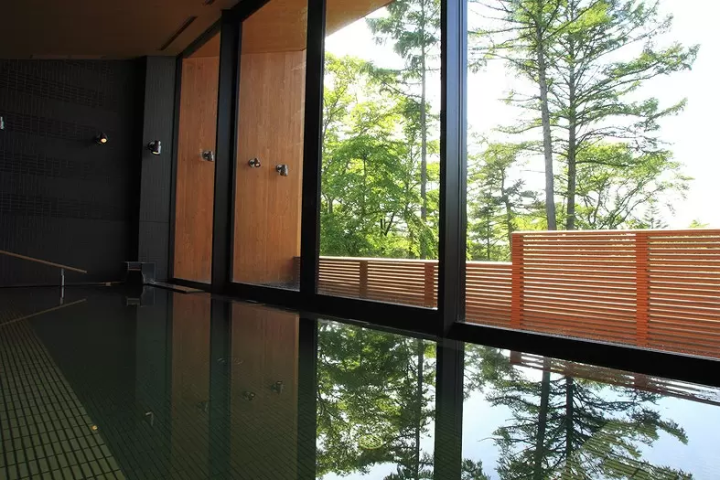
The Forest Hot Spring: A standout feature of this resort complex is the Forest Hot Spring, a dedicated thermal complex fed directly by natural mineral waters pumped from deep within the hotel grounds, complete with indoor baths, expansive open-air rotenburo, and steam saunas.
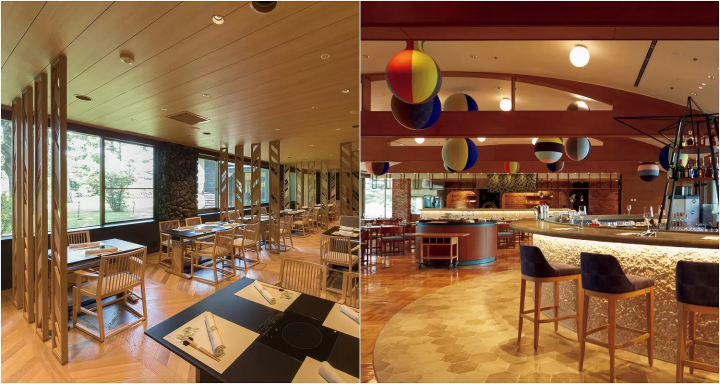
Fine Dining: Alongside five casual slope-side eateries, Karuizawa Prince Hotel East hosts high-end culinary destinations specializing in regional sukiyaki, teppanyaki, and contemporary grill dining.
4. Shiga Kogen Prince Hotel: Conquering Japan’s Largest Ski Domain
For the dedicated winter sports enthusiast, Shiga Kogen in Nagano represents the pinnacle of Japanese alpine scale. As the largest interconnected ski area in Japan, it features 18 distinct resorts accessible via a single all-mountain lift pass, encompassing nearly 80 individual trails.
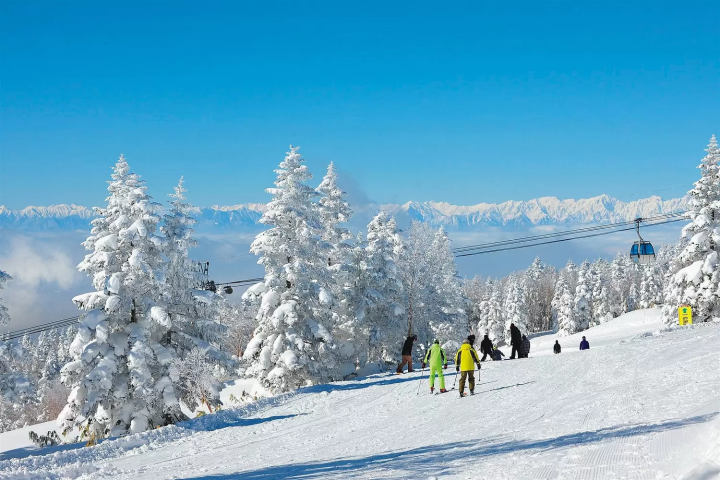
Yakebitaiyama Sector: Sitting at elevations exceeding 2,000 meters, Shiga Kogen guarantees ultra-dry powder conditions. Its crown jewel is Yakebitaiyama, featuring 20 runs, including a 2,430-meter cruiser and steep FIS-caliber slopes. Non-ski alternatives include e-snow bike tours, snowshoeing, and a dedicated family snow park.
Tri-Wing Hotel Complex: The Shiga Kogen Prince Hotel provides true ski-in/ski-out convenience through three distinct architectural wings:
East Building: A high-end sanctuary offering premium service and sweeping valley vistas.
South Building: Geared toward active riders, offering direct threshold access to the No. 2 Gondola.
West Building: Budget-friendly, self-contained accommodations optimized for families and groups.
Cultural Excursions: In addition to its seven distinct dining venues showcasing Nagano’s agricultural heritage, the hotel is situated moments away from the world-famous Jigokudani Monkey Park, where wild Japanese macaques bathe in natural thermal springs.
5. Shizukuishi Prince Hotel: Iwate’s Hidden Powder Sanctuary
Far from the bustling commercial ski hubs, Shizukuishi Ski Resort in Iwate Prefecture offers an exclusive, crowd-free alternative framed by the dramatic volcanic profile of Mt. Iwate.
Advanced Terrain & CAT Skiing: The resort features 20 immaculately groomed trails, including an official FIS downhill course and three terrain parks. For true powder hounds, Shizukuishi runs an exclusive Powder CAT Tour, transporting guests via tracked snow vehicles to untouched high-alpine powder fields.
Takakura Onsen: The slope-side Shizukuishi Prince Hotel places guests right against the mountain while offering immersion in Takakura Onsen, an officially recognized Hot Spring Heritage site.
Regional Flavors: Dining rooms highlight local Iwate gastronomy, prominently featuring regional delicacies such as Morioka’s legendary "Three Great Noodles" and locally sourced premium roast beef.
6. Manza Prince Hotel: Therapeutic Waters Meet High-Altitude Powder
Perched at an impressive altitude of 1,800 meters in Gunma Prefecture, Manza Onsen Ski Resort merges high-elevation powder skiing with legendary therapeutic wellness. Accessible via a direct Shinkansen ride to Karuizawa followed by a seasonal resort shuttle, Manza delivers 14 high-altitude trails catering to all ability levels.
The Manza Prince Hotel Experience: Offering seamless ski-in/ski-out entry, the hotel provides a dual lodging experience featuring classic Western hotel rooms alongside traditional tatami rooms with authentic Japanese futon bedding.
Healing Thermal Springs: Manza Onsen is celebrated across Japan for its milky-white, highly concentrated sulfurous mineral waters. The hotel features multiple bathing environments—ranging from quiet indoor sanctuaries to sprawling open-air mixed and gender-separated baths—known for their restorative and skin-beautifying properties.
To assist travelers in selecting the ideal destination based on travel time, terrain preference, and amenities, the following metrics summarize the Seibu Prince Hotels & Resorts winter portfolio:
Resort Name
Prefecture
Distance from Tokyo
Total Trails
Key Highlight / Feature
Shin Furano Prince Hotel
Hokkaido
Flight to Asahikawa / Chitose
28
World-class "Japow" powder; Snow Night Village
Naeba Prince Hotel
Niigata
~2.5 Hours (Shinkansen/Car)
24
Connected to Kagura via Japan’s longest gondola
Karuizawa Prince Hotel
Nagano
~1 Hour (Hokuriku Shinkansen)
14
Earliest seasonal opening; Forest Hot Springs
Shiga Kogen Prince Hotel
Nagano
~2.5 – 3 Hours (Shinkansen + Bus)
~80 (Interconnected)
Japan’s largest ski area; Access to Snow Monkeys
Shizukuishi Prince Hotel
Iwate
~3 Hours (Tohoku Shinkansen)
20
Uncrowded slopes; Guided Powder CAT tours
Manza Prince Hotel
Gunma
~2.5 Hours (Shinkansen + Shuttle)
14
1,800m altitude; Renowned milky sulfur hot springs
Official Statements and Industry Insights
According to hospitality executives at Seibu Prince Hotels & Resorts, the modern winter traveler demands more than just basic slope access.
"The contemporary global skier is no longer satisfied with simply finding a snowy mountain. They are seeking an ecosystem of efficiency, cultural authenticity, and deep recovery," notes a spokesperson for the hospitality group. "By uniting true ski-in/ski-out infrastructure with centuries-old Japanese bathing traditions (onsen) and internationally diverse culinary programs, our properties remove every point of friction between the guest and their vacation."
Industry analysts have noted a significant structural shift in post-pandemic tourism toward integrated resort models. Properties that successfully eliminate transit bottlenecks—such as the Shinkansen connectivity of Karuizawa and Naeba, or the localized snow-cat operations in Shizukuishi—consistently outperform standalone hotels in guest satisfaction scores.
Future Outlook: The Evolution of Japanese Alpine Tourism
As international demand for Japanese ski destinations reaches unprecedented highs, the future of alpine tourism in the region hinges on sustainable infrastructure development and diversified guest experiences.
Moving forward, major resort operators are heavily investing in digital concierge systems to streamline equipment rentals and lift pass acquisitions directly from hotel mobile applications. Furthermore, environmental sustainability initiatives—such as energy-efficient snowmaking technologies, waste reduction in resort kitchens, and the preservation of surrounding national park ecosystems—are becoming central to operational strategies in fragile alpine zones like Shiga Kogen and Furano.
For international travelers looking to trade conventional winter routines for legendary powder snow, world-class gastronomy, and restorative thermal wellness, Japan’s ski-in/ski-out network sets a benchmark for modern winter travel. By seamlessly blending high-alpine sport with refined cultural hospitality, these destinations ensure that the magic of "Japow" remains accessible, comfortable, and profoundly rejuvenating for generations to come.








Belum ada komentar. Jadilah yang pertama berkomentar!