In the contemporary landscape of international cinema, few works manage to marry narrative intimacy with profound existential scope quite like the upcoming cinematic release, A List for Tomorrow (known in Japanese as 『ハピネス・バッド・リスト』). Slated for a nationwide theatrical release across Japan on February 5, 2027, distributed by Asmik Ace, this poignant masterwork arrives with immense cultural anticipation.
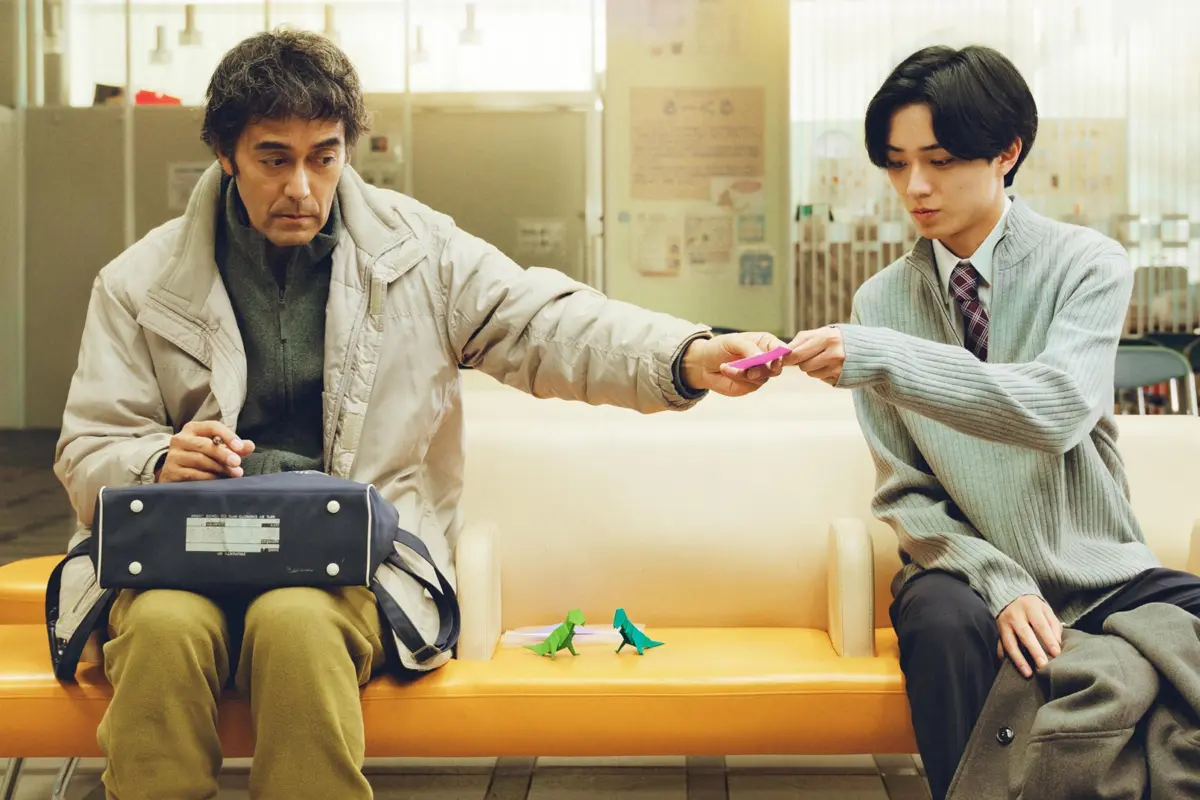
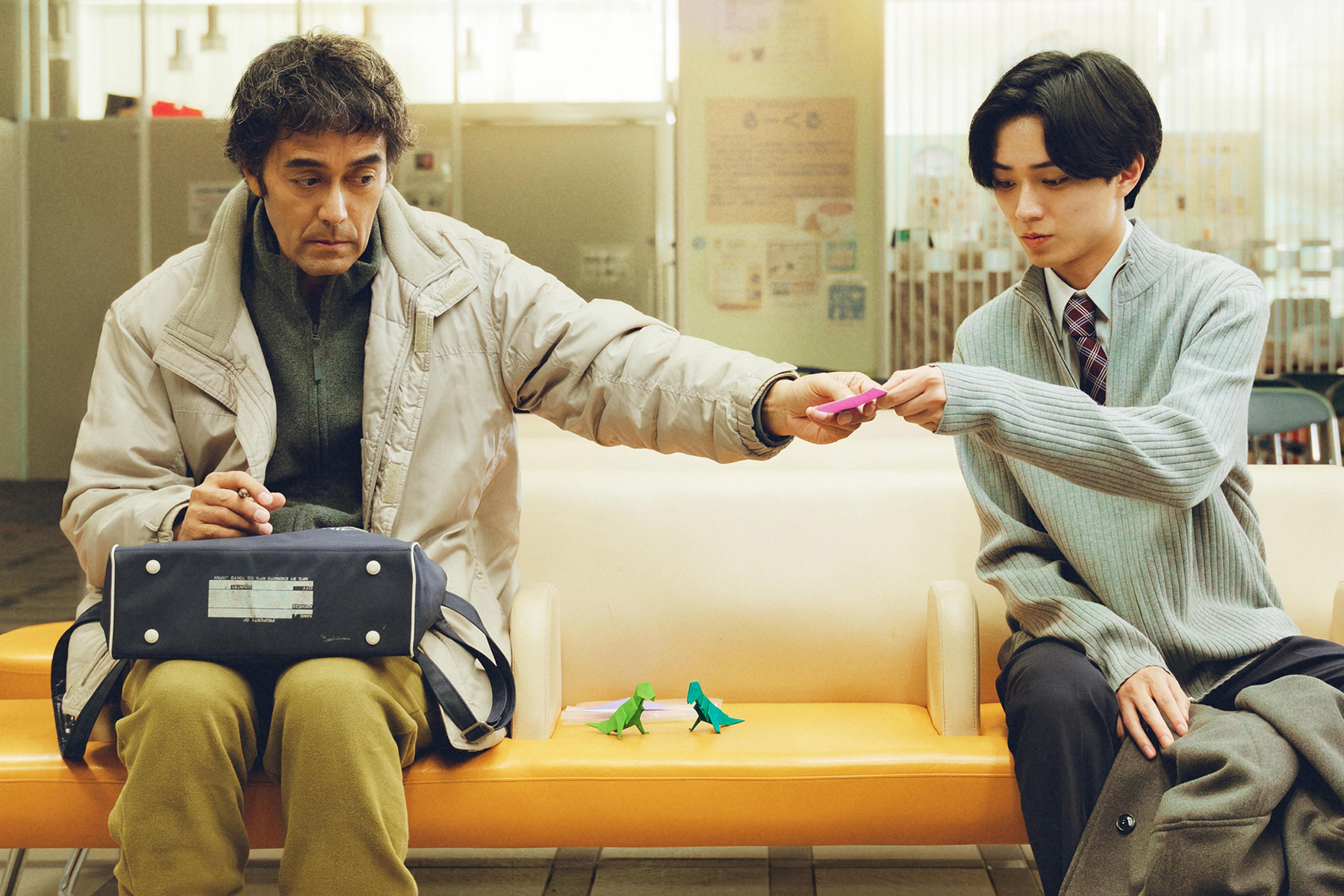
At its core, A List for Tomorrow explores the delicate, often complicated machinery of human relationships across generational divides. The narrative centers on a poignant collision between two distinct souls: a 59-year-old man navigating the twilight of his active career—portrayed through a masterful lens of quiet resignation and hidden yearnings—and a 24-year-old contemporary youth whose unvarnished idealism, raw vulnerability, and forward-looking anxieties challenge the older protagonist’s deeply ingrained worldview.
This meticulously structured film asks a deceptively simple yet universally resonant question: What do we leave behind when the final curtain falls? By examining the unspoken friction, generational misunderstandings, and ultimate emotional reconciliations between these two figures, the production functions less as a traditional narrative feature and more as an expansive, deeply human mirror. It captures the essence of contemporary anxieties while honoring the timeless pursuit of meaning, legacy, and connection.
As the industry counts down to its premiere, this report offers an exhaustive exploration of A List for Tomorrow, examining its narrative framework, the creative forces behind its production, its thematic weight within the current cultural zeitgeist, and the comprehensive production metrics that position it as one of the most vital cinematic events of 2027.
Detailed Chronology of Production & Release
The journey of A List for Tomorrow from conceptual development to its imminent theatrical launch is a testament to rigorous artistic vision and deliberate pacing. While principal photography and early casting announcements remained tightly guarded secrets during the initial development phases, the project’s trajectory solidified notably through late 2026 and early 2027.
Key Milestones and Timeline
Early Development & Pre-Production: Conceived as an intimate character study, the project spent years in script refinement, focusing heavily on authentic generational dialogue and nuanced emotional pacing. The filmmakers deliberately avoided melodramatic tropes in favor of a grounded, naturalistic style.
Late 2026 – Casting & Early Announcements: As production wrapped, official announcements began to trickle through industry trades. The casting pairing—juxtaposing seasoned veteran performers with rising young talent—generated immediate industry chatter, signaling a project of substantial emotional gravity.
November 6, 2026 – Official Teaser & Musical Partnership Unveiled: In a major promotional milestone, the production team partnered with the acclaimed musical outfit odol, releasing a thematic teaser titled "慍るらむ" (Uzururamu). This partnership instantly elevated the film’s profile, merging its visual language with odol’s signature melancholic yet uplifting sonic landscape.
January – February 2027 – Promotional Ramp-Up: Following the release of the official trailer (available via Asmik Ace’s promotional channels), anticipation reached a fever pitch. Special screening announcements, press junkets, and critical preview features began dominating Japanese cultural media.
February 5, 2027 – Nationwide Theatrical Release: Distributed by Asmik Ace and supported by comprehensive nationwide exhibition partnerships, A List for Tomorrow officially opens in theaters across Japan, welcoming audiences into its reflective world.
Supporting Context & Metrics: The Architecture of a Masterpiece
To fully appreciate A List for Tomorrow, one must examine the institutional framework, creative personnel, and logistical metrics that brought the film to life. Produced under the corporate banner of the "A List for Tomorrow" Film Partners, the project represents a collaborative triumph of Japanese cinematic production, marshaling top-tier talent both in front of and behind the camera.
Original Concept & Direction: The film’s visionary direction stems from a meticulous creative team dedicated to exploring psychological realism. The directorial approach prioritizes long takes, natural lighting, and unhurried emotional beats, allowing the actors’ chemistry to dictate the scene’s rhythm.
Screenplay & Narrative Structure: Written with a focus on contemporary social structures, the script addresses the unspoken burdens carried by older generations while validating the precarious realities faced by youth in the mid-2020s.
Cinematography & Visual Design: The visual language of A List for Tomorrow relies heavily on stark contrasts between urban isolation and quiet, domestic intimacy. Cinematographers utilized modern digital capture techniques framed with classic composition rules to evoke both timelessness and immediacy.
Musical Score & Theme: As noted, the collaboration with odol provides an essential emotional anchor. The musical arrangements act almost as a third character, breathing space into the silent pauses between dialogue exchanges.
Exhibition & Distribution: Distributed via Asmik Ace, the film benefits from a robust theatrical rollout designed to capture both metropolitan art-house crowds and broader demographics seeking thoughtful, character-driven cinema.
Official Statements and Artistic Vision
In promotional statements released ahead of the premiere, the creative team behind A List for Tomorrow emphasized the film’s intent to serve as a bridge across generational divides. Rather than offering easy answers or neatly packaged moral lessons, the project invites viewers to sit comfortably with ambiguity.
"We live in an era where speed is prioritized over reflection," notes a producer statement from the Film Partners collective. "With this film, we wanted to construct a space where time slows down—where a 40-year age gap is not a barrier to understanding, but an invitation to listen. The ‘list’ in the title is not merely a physical ledger of tasks or regrets; it is a manifestation of our shared human desire to matter, to be remembered, and to pass the torch with grace."
The inclusion of the musical track by odol further underscores this philosophy. The band members expressed deep alignment with the film’s thematic exploration of quiet resilience, noting that their composition "慍るらむ" was written to mirror the internal landscapes of individuals who carry heavy emotional histories without asking for applause.
Future Outlook and Cultural Impact
As A List for Tomorrow prepares for its February 5, 2027 theatrical launch, industry analysts are already projecting strong word-of-mouth momentum. In an era dominated by high-octane franchise spectacles and rapid-fire streaming content, a deliberate, character-driven drama of this caliber occupies a vital space in the cultural ecosystem.
Anticipated Reception and Legacy
Critical Resonance: Early trade screenings suggest the film will be a strong contender for domestic critics’ awards, particularly highlighting the nuanced central performances and the delicate handling of generational trauma and reconciliation.
International Appeal: Given its universal themes of aging, mentorship, and the search for purpose, A List for Tomorrow is well-positioned for an extended festival run following its domestic theatrical window, appealing to global art-house audiences.
Cultural Dialogue: By putting the lived experiences of a 59-year-old man and a 24-year-old youth into direct dialogue, the film opens a much-needed cultural conversation regarding how modern society values wisdom versus innovation, permanence versus impermanence.
In conclusion, A List for Tomorrow transcends the traditional boundaries of narrative cinema. It stands as a patient, beautifully crafted monument to human vulnerability—a reminder that no matter where we find ourselves on life’s timeline, the capacity to listen, adapt, and connect remains our most enduring trait.












Belum ada komentar. Jadilah yang pertama berkomentar!