

Executive Overview
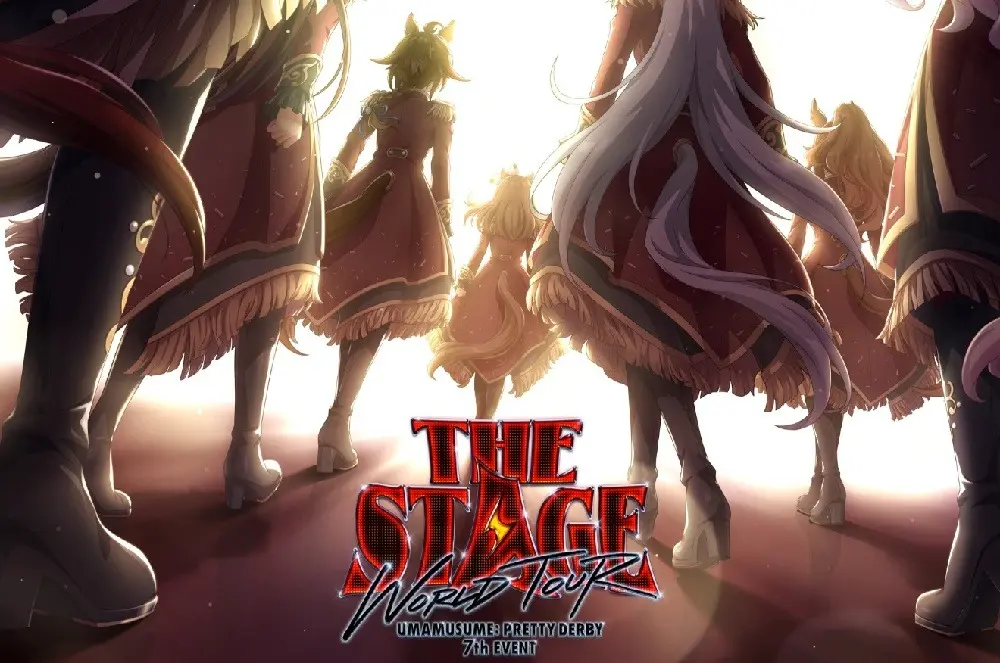
For the global legions of Umamusume: Pretty Derby fans—affectionately known within the fandom as "Trainers"—October 22 and 23, 2026, were meant to be historic red-letter dates. The multimedia juggernaut, which blends horse racing history with anthropomorphized anime icons, had scheduled its first-ever American live performances. Set against the backdrop of the prestigious Peacock Theater in Los Angeles, California, these back-to-back concerts represented a monumental milestone in the franchise’s aggressive international expansion strategy.
Instead of a triumphant cross-cultural celebration, the event has devolved into a logistical and operational nightmare. In a stunning eleventh-hour announcement delivered just days before the curtain was set to rise, organizers confirmed that both Los Angeles shows had been completely cancelled.
The culprit? An intractable administrative wall: the failure to secure the necessary U.S. entry visas for the performing vocal cast and support crew. Despite organizers initiating the bureaucratic process more than half a year prior—and enlisting the aid of specialized legal counsel and domestic promoters—the paperwork remained unprocessed or unapproved as the hard logistical deadlines arrived.
While full refunds have been promised for both in-person tickets and virtual live-streams, the cancellation has triggered a cascade of secondary crises. International and domestic travelers face unrecoverable out-of-pocket expenses for non-refundable flights, premium hotel accommodations, and taken vacation time. As industry analysts pore over the fallout, questions are mounting regarding the efficiency of U.S. professional immigration processing, the preparedness of event production giants, and the future viability of ambitious global touring schedules for Japanese entertainment properties.
Detailed Chronology of a Crisis
To understand how a high-profile international entertainment event collapses just days before opening night, one must examine the compressed timeline of panic, administrative exhaustion, and final resignation that defined the mid-October crisis.
Six Months of Preparation Meet a Bureaucratic Dead End
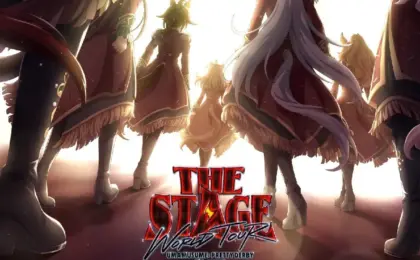
The genesis of the Umamusume: Pretty Derby – 7th Event: The Stage in Los Angeles dates back months, with rights-holder Cygames, Inc. and production partner Bandai Namco Music Live Inc. laying the groundwork for what was supposed to be the crown jewel of their world tour. Recognizing the complexities of moving dozens of Japanese nationals across international borders for commercial performance purposes, organizers reportedly began coordinating with U.S.-based legal teams and promoters over six months in advance.
Under normal circumstances, a six-to-seven-month window is considered more than sufficient for standard business or tourist travel authorizations. However, professional performance visas (such as P or O category visas required for foreign artists, musicians, and their essential support personnel) are notoriously subject to rigorous adjudication standards, extensive documentation requirements, and notoriously unpredictable government processing backlogs.
The October 18 Warning: A Race Against Time
The first public indication that something was deeply amiss emerged late in the evening on October 18, Los Angeles time. The official Umamusume website and associated social media channels released an emergency bulletin. The statement shocked the fanbase by revealing that the Los Angeles concerts were in serious jeopardy.
The root cause was starkly transparent: the required entry visas had not yet been approved by U.S. authorities. Organizers found themselves trapped in a classic bureaucratic purgatory. They had run out of runway. With international flights needing to be boarded, equipment freighted, and on-site technical rehearsals and sound checks scheduled to begin at the Peacock Theater, the window for a miracle was measured in hours, not days.
The emergency advisory established a firm internal deadline, noting that a final, binding decision would have to be reached by the following night.
The Final Blow: October 19 Cancellation Notice
That inevitable, painful decision arrived on the evening of October 19. Faced with the reality of empty passports and unresponsive consular channels, organizers pulled the plug. The official cancellation notice read, in part:
"It is with heavy hearts that we must announce the cancellation of the Umamusume: Pretty Derby–7th Event: The Stage in Los Angeles concerts planned for Oct 22–23, 2026. Although we have coordinated repeatedly with all parties concerned and explored every possible option in our efforts to make this event happen, we were unable to obtain the necessary visas for entry into the US, so we have come to the painful conclusion that holding the concerts is no longer possible."
With those few paragraphs, months of anticipation evaporated, leaving thousands of fans stranded in a logistical vacuum just 72 hours before the first scheduled performance.
Supporting Context, Logistics, and Economic Metrics
The human and financial toll of the Umamusume L.A. cancellation extends far beyond the ledger of ticket sales. To accurately gauge the impact, one must evaluate the sheer scale of the production, the nature of U.S. immigration hurdles, and the economic ripple effects felt by the fandom.
The Scale of the Production
The Umamusume franchise is not a low-budget indie venture; it is a multi-million-dollar multi-platform phenomenon managed by Cygames, a titan in the Japanese mobile gaming and digital entertainment space. The Los Angeles concerts were designed to be fully realized spectacles, featuring:
- A Massive Vocal Cast: Exactly 17 distinct voice actresses were slated to take the Peacock Theater stage, performing complex vocal routines synchronized with high-energy choreography.
- Support Infrastructure: Traveling alongside the performers was an undisclosed, yet substantial, contingent of administrative staff, costumers, choreographers, audio-visual technicians, and management personnel.
- Complex Logistics: The total number of individual visa applications required for the enterprise likely numbered in the dozens.
The Visa Quagmire: Tourists vs. Professionals
A common point of confusion among casual observers is why citizens of close U.S. allies like Japan—who frequently travel to America with relative ease using the online ESTA (Electronic System for Travel Authorization) system—could face such catastrophic delays.
The distinction lies entirely in the legal classification of the trip. While leisure travelers can complete an ESTA application online and secure authorization within days, performing artists traveling to earn revenue, promote commercial products, or execute professional contracts cannot legally enter on tourist waivers. They require petition-based work visas.
U.S. Citizenship and Immigration Services (USCIS) and Department of State consular offices handle these petitions through stringent vetting processes. These applications require extensive proof of extraordinary ability, contractual obligations, itinerary verifications, and labor union consultations. Historically, processing times for these categories are notoriously sluggish, prone to arbitrary delays, requests for evidence (RFEs), and systemic backlogs.
Crucially, the organizers never explicitly confirmed whether the visa applications were outright rejected or simply left pending past the point of viability. This distinction is vital; it suggests that the paperwork may not have been denied on legal or moral grounds, but rather strangled by the agonizingly slow wheels of federal bureaucracy.
The Heavy Burden on "Trainers"
While ticket buyers are guaranteed full refunds for both in-person admissions and digital live-stream passes, the financial safety net stops abruptly at the box office.
- Unrecoverable Travel Expenses: Fans who viewed this as a once-in-a-lifetime opportunity booked non-refundable airline tickets, prepaid hotel rooms in downtown Los Angeles, and car rentals weeks or months in advance. Securing full cash refunds on short-notice travel packages is notoriously difficult.
- Professional Sacrifice: Because the concerts were scheduled for a Thursday and Friday (October 22–23), attendees had to burn valuable vacation days, rearrange work schedules, or take unpaid leave to make the trip.
- The Emotional Toll: Within the Umamusume community, fan identity is closely tied to the role of the "Trainer" who nurtures and supports the digital athletes. The sudden yank of an event they rallied behind has created widespread frustration and disillusionment.
Recognizing the gravity of these secondary losses, the organizers included a cautious acknowledgment in their statement, noting that they are “looking into possible responses to Trainers who were planning to attend the concert in person” while warning that formulating a fair remediation strategy “will take some time.”
Official Statements and Industry Accountability
Pinpointing responsibility in a multi-national entertainment disaster of this magnitude is a delicate exercise. When a project collapses due to legal and governmental friction, the lines between corporate miscalculation and systemic failure blur.
Cygames and Bandai Namco Under Scrutiny
Cygames, Inc. holds the intellectual property rights to Umamusume, but the production of the live events was spearheaded by Bandai Namco Music Live Inc.
As a division of Bandai Namco—arguably one of the most powerful anime promoters, merchandisers, and event coordinators in the global entertainment industry—the company possesses decades of institutional knowledge regarding international talent dispatch. Bandai Namco is not a novice trying to figure out overseas promotions for the first time. They have successfully moved Japanese musical acts, voice casts, and pop idols across borders countless times.
The fact that an organization of Bandai Namco’s caliber ran aground on U.S. visa requirements has led industry analysts to two stark conclusions:
- Unprecedented Bureaucratic Friction: Either the U.S. immigration system’s current processing delays have reached an all-time high of unpredictability, rendering even six-month planning windows insufficient for large group petitions; or
- Internal Administrative Missteps: Specific miscommunications, delayed filings, or documentation errors within the multi-tiered corporate hierarchy created a fatal bottleneck that legal counsel could not clear in time.
Given corporate communication policies, a transparent post-mortem detailing the exact point of failure will likely never be made public.
Future Outlook: Can the World Tour Recover?
The cancellation of the Los Angeles stops leaves a gaping hole in the Umamusume 7th Event World Tour: The Stage. Beyond the United States, the tour’s itinerary includes planned stops in London and Seoul, before culminating in a grand finale in Yokohama, Japan.
The Shadow Over International Expansion
As it stands, none of the upcoming international dates in London or Seoul have been assigned firm calendar dates or official venues. The catastrophic failure of the L.A. leg casts a long, ominous shadow over these remaining international ambitions.
If foreign promoters and rights-holders cannot reliably guarantee visa acquisition for the United States—a country with a relatively stable, albeit slow, legal framework—questions naturally arise regarding the feasibility of navigating immigration hurdles in the United Kingdom, South Korea, or other prospective global markets. Each nation maintains its own distinct, complex set of temporary work permit regulations, athlete/artist visa quotas, and consular interview backlogs.
Prospects for a U.S. Return
Is a rescheduled American tour date entirely out of the question? Not necessarily.
The massive turnout demand and enthusiastic fan base demonstrated that a viable, lucrative market exists for Umamusume in North America. However, the logistical chain reaction triggered by the L.A. cancellation suggests that any attempt to remount a U.S. concert series would require an immense reset period.
Given that the original visa applications required more than half a year of prep work to ultimately stall out, industry insiders suggest that a realistic timetable for a rescheduled U.S. event would not materialize for at least another six to twelve months—assuming organizers are willing to risk capital and fan goodwill on another attempt.
For now, the "horse girls" remain locked in the starting gate, and Trainers across America are left nursing their uncashed plane tickets, wondering when—or if—the franchise will ever successfully clear the final regulatory hurdle to run on U.S. soil.

Belum ada komentar. Jadilah yang pertama berkomentar!