

Executive Overview
For over four decades, the towering silhouette of Optimus Prime has stood as the gold standard of heroic leadership in popular culture. Much of that enduring legacy is inextricably linked to the legendary vocal stylings of Peter Cullen, whose resonant, gravel-and-honey timbre breathed life, dignity, and absolute moral clarity into the leader of the Autobots across multiple generations of films, television series, and video games.
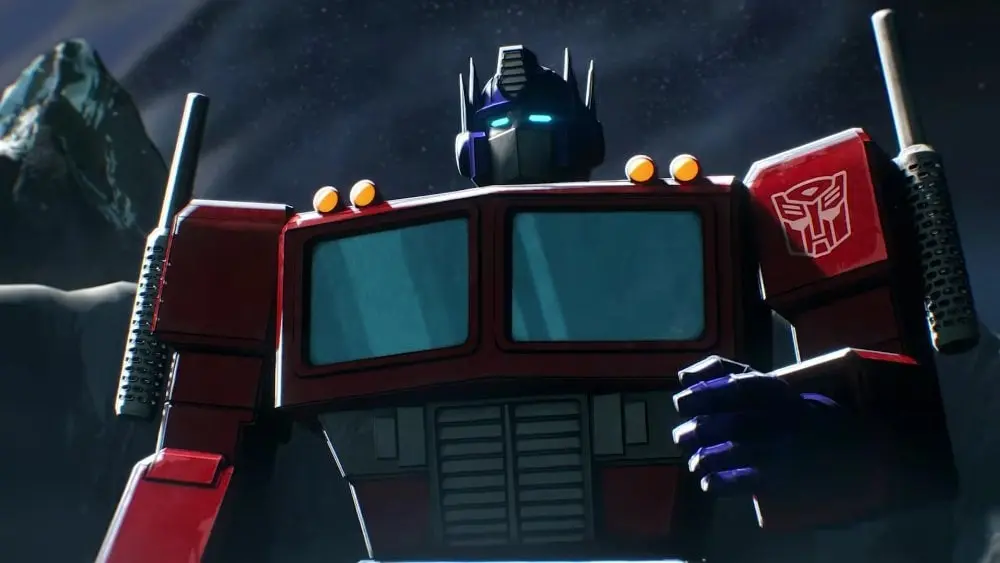
Now, with the release of the 2026 animated short film Optimus Prime: Awakening, directed by Joshua Wassung, the Transformers universe faces a monumental and bittersweet milestone. Arriving coincidentally amid the 40th-anniversary celebrations of the seminal The Transformers: The Movie (1986) and Hasbro’s multi-city retrospective initiatives, Awakening serves as the final recorded performance of Peter Cullen in his signature role. Following Cullen’s recent passing, this brief yet emotionally charged narrative has transformed from a routine franchise side-project into an accidental elegy—a profound, resonant curtain call for a voice actor who defined childhoods across the globe.
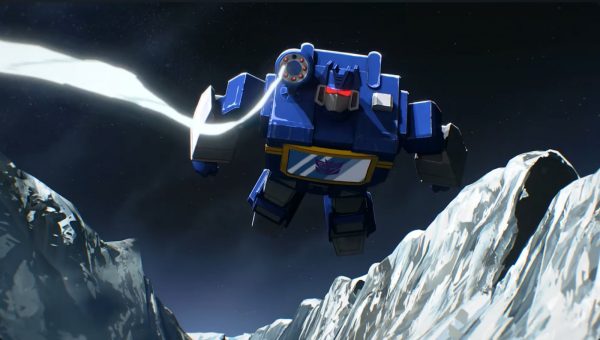
Set in the immediate aftermath of a fatal confrontation, Awakening strands its titular hero in an uncanny, metaphysical realm, tasking him with literally fighting his way back from the brink of oblivion. Featuring stunning animation courtesy of visual effects powerhouse The Third Floor, and bolstered by the iconic return of Frank Welker as both Megatron and Soundwave, the short offers fans a deeply introspective look at the philosophy of the last Cybertronian prime. While the narrative suffers from minor pacing ambiguities and a frustratingly open-ended sequel hook, its emotional core is bulletproof. This review and retrospective examine the artistic achievements, thematic weight, and historical resonance of Optimus Prime: Awakening, exploring how it permanently etches the final chapter of Cullen’s unmatched legacy.
Detailed Chronology: The Journey to Awakening
To understand the weight of Optimus Prime: Awakening, one must trace the evolutionary path of the character and the media landscape that birthed this 2026 short.

[1984: Generation 1 Launch]
       │
       ▼
[1986: The Transformers: The Movie (Cullen's Iconic Prime Death)]
       │
       ▼
[2007-2023: Live-Action Renaissance & Multi-Platform Expansion]
       │
       ▼
[2026: Optimus Prime: Awakening & Peter Cullen's Final Performance]
1984–1986: The Birth of a Legend
When Hasbro and Marvel Productions launched the Transformers toy line and cartoon in 1984, Peter Cullen based his iconic voice for Optimus Prime on his brother, Larry Cullen, a Vietnam War veteran. Larry’s calm, reassuring demeanor under pressure gave the alien robot a deeply human soul. When Optimus fell in battle during 1986’s theatrical animated film, it caused widespread trauma among a generation of young viewers, permanently sealing the character’s Christ-like archetype of self-sacrifice.
The Modern Era and the Genesis of Awakening
Fast-forward nearly forty years, and the franchise had expanded into a multi-billion-dollar global juggernaut encompassing live-action blockbusters, prestige streaming series, and deep-dive lore expansions. Conceptualized as a spiritual vignette focusing on the internal landscape of the Autobot leader, Optimus Prime: Awakening entered production with a clear mandate: to strip away the grand scale of galactic war and focus entirely on the psychological and spiritual endurance of Optimus Prime.
Director Joshua Wassung and the team at The Third Floor utilized state-of-the-art cinematic tools to construct a visual poem about mortality. Rather than relying solely on high-octane explosions, the short leans into a metaphorical purgatory—a stark departure from standard Transformers fare. When tragedy struck the fandom with the passing of Peter Cullen, the production took on a haunting historical weight. The dialogue, which centers heavily on themes of letting go, fighting for purpose, and the ultimate cost of duty, suddenly mirrored reality in a way no one involved could have anticipated.
Supporting Context & Metrics: Production and Performance Analysis
The Cast and Crew
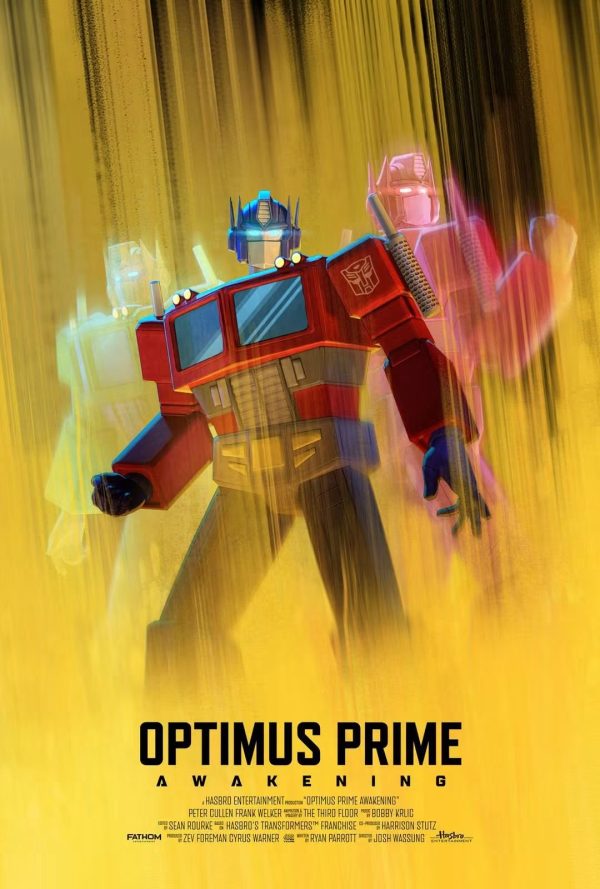
While Peter Cullen anchors the production with what many critics are calling one of the finest vocal performances of his career, he is supported by a robust ensemble cast.
| Role / Character | Voice Talent | Notes |
|---|---|---|
| Optimus Prime | Peter Cullen | Final career performance; career-best emotional delivery. |
| Megatron / Soundwave | Frank Welker | Iconic reunion with Cullen; definitive villainous counterweight. |
| Supporting Cybertronians | Simon Henderson | Adds depth to the surrounding atmospheric narrative. |
| Ensemble Voice Cast | Jarret Lemaster, Mathieu Bourassa, Scott Law, Gary Powell | Completes the rich sonic soundscape of the Cybertronian realm. |
Visuals and Animation Excellence
Handled by the acclaimed previsualization and animation studio The Third Floor, the visual presentation of Awakening is nothing short of breathtaking. The studio leans heavily into expressionistic design principles during the purgatory sequences.
- Color Theory: The physical world transitions from bruised purples and deep obsidian blacks to piercing, radiant flashes of Autobot blue and crimson.
- Choreography: The action sequences avoid the visual clutter that sometimes plagues modern CGI blockbusters, opting instead for clean, heavy, weighty impacts that remind the audience that these characters are made of living metal.
- Generation One Nostalgia: Eagle-eyed fans will spot numerous Easter eggs and structural design nods to the 1984 Generation 1 aesthetic, seamlessly blended with modern mechanical detailing.
Script and Thematic Depth
The script provides Cullen with meatier, more philosophical dialogue than standard franchise entries usually permit. Instead of trading in generic battle cries, Optimus is forced to ruminate on the value of life, the burden of leadership, and whether a protector ever truly earns the right to rest. This internal interrogation elevates the short film above a mere promotional piece, turning it into a legitimate character study.
Official Statements & Creative Insights
While formal press tours for the short were curtailed by shifting industry schedules, production notes and behind-the-scenes reflections from the creative team shed light on the ambition driving Awakening.
Director Joshua Wassung noted in early promotional briefs that the core goal of the project was to explore the "quiet spaces" of the Transformers universe:
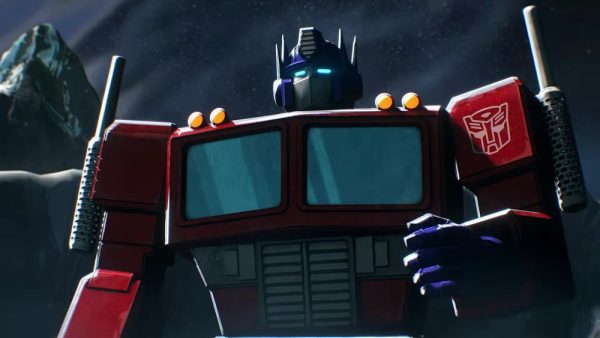
"We wanted to look at the man behind the truck, so to speak. When you strip away the Matrix of Leadership, the Autobots, and the war on Earth, what drives Optimus Prime forward? Is it duty, or is it love for his family? Answering that question required us to take him to the absolute edge of existence."
Industry analysts and long-time franchise writers have similarly praised the production’s willingness to embrace existential themes. By placing Optimus in a liminal space between life and death, the creative team honored the character’s legacy of self-sacrifice while offering a metatextual nod to the finite nature of life itself.
Furthermore, the reunion of Peter Cullen and Frank Welker—the undisputed yin and yang of the Transformers vocal landscape—provides a poetic symmetry. Hearing their adversarial yet deeply respectful chemistry one last time anchors the short in a comforting nostalgia while pushing the characters into unfamiliar psychological territory.
Future Outlook: The Legacy of Cullen and the Franchise Ahead
Navigating a Post-Cullen Era
The release of Optimus Prime: Awakening marks the definitive end of an era. For four decades, Peter Cullen was Optimus Prime. His voice taught millions of children that true strength is not found in the capacity to destroy, but in having the courage to be gentle.
As Hasbro and Paramount look toward the future of the Transformers intellectual property, the shadow of Peter Cullen will loom large. While new voice actors will inevitably step into the role for future iterations—just as other legendary voice roles have been passed down through generations—filling these cybernetic shoes will be an insurmountable task. Awakening acts as a transitional anchor, reminding the audience of the high-water mark set by Cullen.
Narrative Implications of Awakening
From a storytelling perspective, the short leaves viewers on a knife-edge. The conclusion is decidedly anti-climactic, featuring an open-ended resolution that hints heavily at a larger narrative arc or a potential sequel.
- The Sequel Dilemma: Whether plans existed prior to Cullen’s passing to expand Awakening into a longer feature or multi-part series remains unconfirmed.
- Interpretive Closure: Because of this unresolved hook, the ending forces the audience to project their own conclusions onto the narrative. In hindsight, this ambiguity works in the short’s favor; it leaves Optimus Prime suspended in a state of eternal vigilance, perfectly mirroring the timeless nature of his cultural footprint.
Final Verdict
Optimus Prime: Awakening is more than just a 2026 animated short film. It is a masterclass in economy of storytelling, a visual triumph by The Third Floor, and, above all, a sacred monument to the career of Peter Cullen. Flawed only slightly by its abrupt, sequel-teasing finale, it succeeds brilliantly as an emotional crucible. For Transformers fans, watching Awakening is an essential, if tear-inducing, rite of passage—a final opportunity to hear the voice that taught a generation what it truly means to be a hero.
“Till all are one.”








Belum ada komentar. Jadilah yang pertama berkomentar!