

As Apple TV+’s critically acclaimed espionage thriller Slow Horses barrels toward its explosive season-ending climax, the penultimate episode of Season 6 delivers a masterclass in tension, narrative convergence, and high-stakes tradecraft. Reviewing the penultimate installment, critic Chris Connor notes that the intricate narrative puzzle pieces finally slot into place, setting the stage for what promises to be a devastating and chaotic finale.
From breathless vehicle hijackings on grey urban streets to cold, calculating geopolitical chess matches set against the backdrop of a children’s ballet, Season 6 continues to subvert expectations. While this season has taken notably broader creative liberties with Mick Herron’s source material than its predecessors, it successfully retains the cynical, darkly humorous, and structurally tight spirit of the novels.
At the center of the storm is Jackson Lamb—played with shambolic, razor-sharp brilliance by Gary Oldman—and his roster of MI5’s discarded rejects at Slough House. As loyalties are tested, dark secrets are unearthed, and long-standing mysteries are unmasked, the narrative trajectory points toward a bloody showdown in the remote expanses of Suffolk. With the lives of River Cartwright, Sid Baker, and Diana Taverner hanging in the balance, the penultimate episode confirms that no character is safe as the crosshairs align.
Detailed Chronology: The Road to Suffolk
The Pursuit and the Pawn: River and Sid’s Ordeal
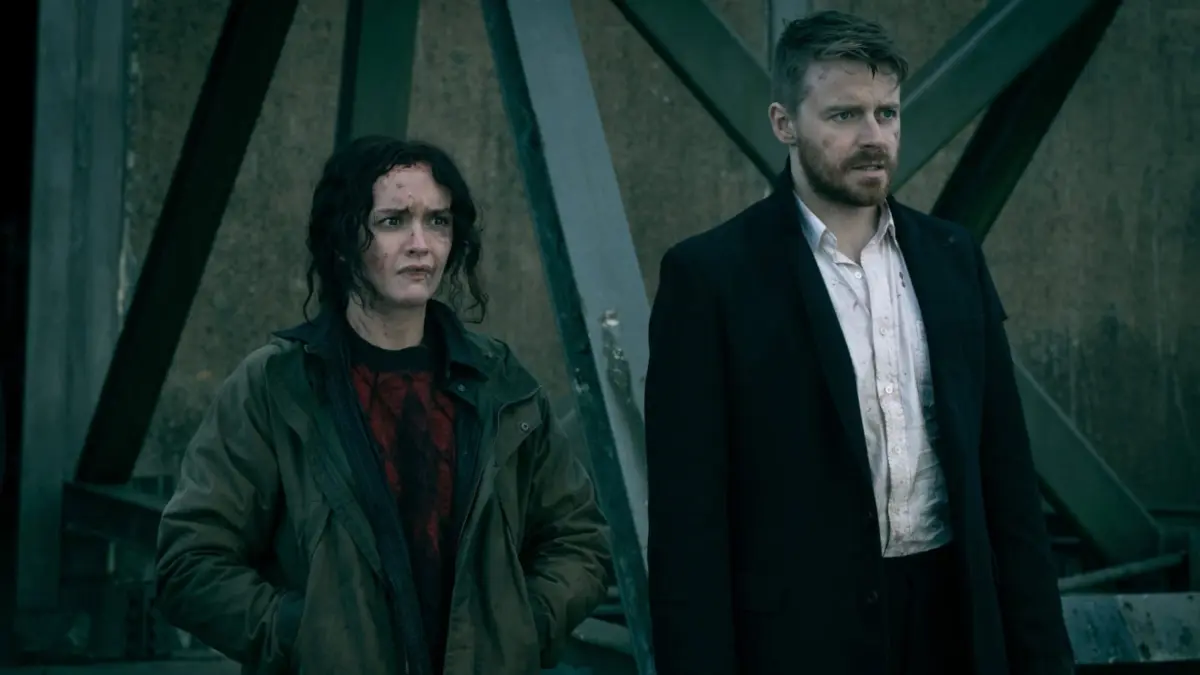
The episode opens with a jolt of adrenaline that immediately establishes a breakneck pace. Following Sid’s capture by Russian operatives, River Cartwright—ever the impulsive, emotionally driven agent—is forced into desperate measures, hijacking a civilian vehicle to give chase. What follows is a brutal, relentless sequence mirroring the kinetic choreography of high-octane action franchises like John Wick.
The sequence pushes both Sid and River to their absolute physical limits. By the time the dust settles, both sides are battered, bruised, and bleeding. Yet, true to form for River Cartwright, surviving the initial onslaught does not mean he is out of the woods. The pursuit exposes the terrifying reach of their adversaries and highlights the personal toll exacted by MI5’s systemic indifference toward its field assets.

Corporate Complicity and the Ballet of Spies
Parallel to the physical carnage, Jackson Lamb and his cohort zero in on Damien Cantor, exposing him as a compromised Russian stooge eager to expand his predatory media empire regardless of the moral or national security implications.
One of the standout narrative highlights of the episode is the introductory cat-and-mouse dynamic between Lamb and his institutional opposite, Natasha. The choice of a children’s ballet as the neutral ground for their covert meeting injects a rich, old-school spy aesthetic into the proceedings. Against the delicate, whimsical movements of young dancers on stage, Lamb and Natasha trade verbal barbs laden with subtext and veiled threats.
Furthermore, viewers are treated to another masterclass in screen interplay between Gary Oldman and Kristin Scott Thomas (as Diana Taverner). Their scenes crackle with decades of institutional history, mutual distrust, and a perpetual game of psychological dominance where it remains entirely unclear who holds the upper hand.
Taverner’s Confession and the Explosive Denouement
The second half of the episode breaks wide open, finally resolving several long-standing mysteries that have plagued the season’s narrative arc. In a stunning admission, Taverner confirms a dark operational truth: she utilized Sid’s identity during the illicit hit in Kazan. Consequently, when the Russian intelligence apparatus demanded retribution, Taverner callously agreed to hand Sid over to them as a diplomatic sacrifice.
Predictably, this revelation shatters any remaining pretense of professional decorum for River. Outraged by Taverner’s sociopathic calculus, all hell breaks loose. The resulting sequence delivers some of the most visceral and explosive action seen throughout the entire run of Season 6. Amidst the gunfire and tactical maneuvers, River and Sid are forced to share poignant, tense farewells—leaving audiences to wonder if this is the final time these two complex characters will occupy the same frame.
The Retreat to the Safe House
While the frontline operatives battle for survival, the remaining members of the Slough House team have retreated to a secure safe house—which conveniently doubles as Taverner’s holiday home in Suffolk. Here, they hunker down to prepare for an inevitable, multi-pronged onslaught orchestrated by the rogue operative Harkness, his loyal mercenaries, and potentially the enigmatic Jane.
Though their screen time is slightly compressed in this episode, the secondary characters continue to provide vital emotional anchors and signature levity. Louis and Shirley trade their trademark biting banter, while Catherine Standish and Reece share quiet, heartfelt moments that underscore the fragile humanity holding the Slough House family together. All roads now definitively lead to Suffolk for a catastrophic finale.
Supporting Context & Metrics: Adapting Mick Herron’s Universe
Staying True to the Spirit Amid Narrative Divergence
Adapting British author Mick Herron’s celebrated Slough House book series for television has always required a delicate balancing act. Season 6 has notably taken more structural and narrative liberties with the source material than previous iterations, occasionally diverging from the exact plot beats laid out in Herron’s novels.
However, critics and longtime fans agree that the adaptation team has successfully captured the essence of the books. The series preserves Herron’s signature blend of bureaucratic satire, pitch-black gallows humor, and gritty, unglamorous espionage. Even amidst high-stakes shootouts and international conspiracies, the show maintains its capacity for levity, proving that human absurdity and workplace politics survive even in the face of geopolitical warfare.
Production Scale and Critical Reception
Slow Horses continues to be a crown jewel in Apple TV+’s prestige television lineup. Production metrics for Season 6 indicate increased budgetary investment, allowing for grander set pieces—such as the Russian-orchestrated chases and the expansive Suffolk safe house sequences—without sacrificing the intimate, character-driven dialogues that define the show.
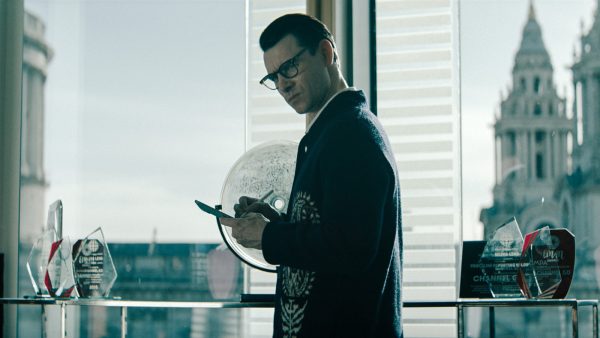
Gary Oldman’s portrayal of Jackson Lamb remains a masterclass in modern television acting, anchoring an ensemble cast that consistently punches above its weight class. As Season 6 approaches its final episode, viewership engagement metrics reflect surging interest, driven by word-of-mouth praise for the season’s complex pacing and emotional payoffs.
Official Statements & Industry Perspectives
While major networks and streaming services typically maintain strict confidentiality regarding upcoming plot twists, production insights from the creative team shed light on the artistic philosophy driving Season 6.
- On the Evolution of Jackson Lamb: Showrunners and creative executives have repeatedly emphasized that Gary Oldman’s interpretation of Lamb is designed to strip away the glossy, James Bond-esque romanticism of espionage. Lamb represents the cynical, tired underbelly of the Cold War hangover—a man who smells of stale beer and cheap cigarettes yet possesses a tactical intellect leagues ahead of his corporate superiors at Regent’s Park.
- On the Adaptation Process: Speaking on the translation of Mick Herron’s novels to the screen, production insiders have noted that changes are intentionally made to optimize visual storytelling and maintain breathless pacing across a compressed television format. The goal, according to the creative team, is not to create a word-for-word transcription, but to honor the psychological depth and moral ambiguity of Herron’s literary world.
- On Character Vulnerability: The escalating peril faced by River Cartwright and Sid Baker in Season 6 signals a deliberate shift toward higher emotional stakes. Directors of the current season have highlighted that as the series matures, the protective bubble around core characters has dissolved, ensuring that every bullet fired carries genuine narrative weight.
Future Outlook: The Suffolk Endgame
As the dust settles on this penultimate episode, anticipation for the Season 6 finale has reached a fever pitch. The narrative chessboard has been meticulously cleared, leaving the pieces aligned for a devastating confrontation in the quiet countryside of Suffolk.
The primary questions hanging over the finale include:
- The Fate of Sid and River: Can River rescue Sid from the geopolitical crossfire, or will Taverner’s ruthless pragmatism claim another victim?
- The Stand at the Safe House: How will the remaining "Slow Horses"—outgunned and isolated—withstand the impending assault from Harkness’s forces?
- The Ultimate Cost for MI5: Will Jackson Lamb finally outmaneuver Diana Taverner and Regent’s Park leadership, or will the agency successfully bury its institutional sins in the mud of Suffolk?
Given the track record of Slow Horses, viewers should expect a finale that defies predictable tropes, balances heart-stopping action with profound character tragedy, and leaves lasting consequences for whoever manages to survive the carnage. No one is safe in the crossfire, and the fallout from the Season 6 finale will undoubtedly redefine the landscape of Slough House for years to come.








Belum ada komentar. Jadilah yang pertama berkomentar!