The cinematic device of compressing a narrative into the span of a single night is one of the most potent instruments in a filmmaker’s toolkit. By restricting the temporal framework, storytellers instantly manufacture a pressurized environment. Characters are stripped of the luxury of time, forced to confront existential dilemmas, immediate threats, and profound personal truths under the unrelenting gaze of the moon and streetlamps.
While mainstream cinema often relies on this trope for high-octane blockbusters—ranging from John Carpenter’s claustrophobic siege in Assault on Precinct 13 (1976) and Martin Scorsese’s darkly kaleidoscopic urban odyssey After Hours (1985) to Michael Mann’s sleek, existential thriller Collateral (2004)—the single-night framework is equally adaptable to intimate character studies, period dramas, and avant-garde explorations.
In this comprehensive survey, film critic Casey Chong examines ten criminally underrated cinematic achievements that take place entirely over the course of a single night. Moving past the familiar Hollywood blockbusters, this curation highlights how diverse global auteurs have used the nocturnal hours to dismantle illusions, test human endurance, and redefine genre conventions across nearly a century of filmmaking.
Detailed Chronology: Ten Masterpieces of the Night
1. That Night’s Wife (1930)
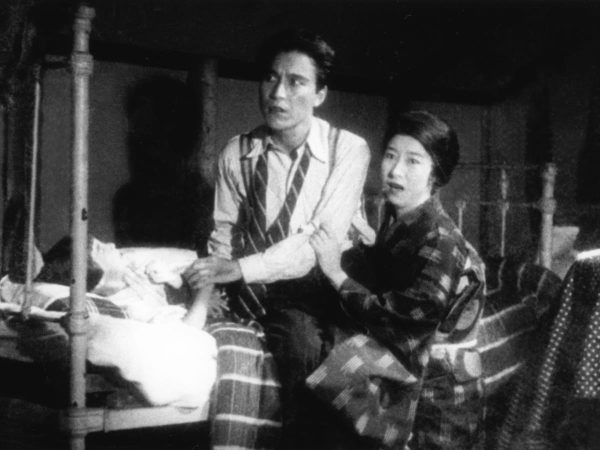
Long before American film noir codified its cynical visual language, Japanese master Yasujirō Ozu delivered a silent cinema gem that effortlessly bridges the gap between crime thriller and poignant melodrama. That Night’s Wife follows Shuji Hashizume (Tokihiko Okada), a desperate family man who commits a bank robbery not out of greed, but out of a desperate obligation to pay for his young daughter’s life-saving medicine.
When a dogged detective (Tōgō Yamamoto) tracks Shuji to his apartment, the dynamic flips: Shuji’s fiercely loyal wife, Mayumi (Emiko Yagumo), holds the lawman at bay. Ozu resists the temptation to stage a standard cat-and-mouse psychological duel. Instead, he pivots toward humanistic empathy, subverting the nihilistic tropes of Western crime dramas in favor of a moving meditation on familial survival and traditional codes of honor under duress.
2. The Set-Up (1949)
Clocking in at a razor-thin 73 minutes, Robert Wise’s The Set-Up is a masterclass in ticking-clock structure and noir fatalism. Robert Ryan stars as Bill “Stoker” Thompson, an aging, over-the-hill boxer convinced he still has one great fight left in him, much to the despair of his exhausted wife, Audrey Totter.
The tragic irony of the title is that Stoker’s manager has accepted a bribe for him to take a dive without even bothering to inform the fighter. Wise’s razor-sharp direction alternates between Stoker’s nervous wait in a stifling locker room and his wife’s aimless, heartbroken wanderings through the mean streets outside. When the bell finally rings, the brutal, visceral choreography of the boxing match strips away all romantic notions of athletic glory, exposing a blood-soaked world sustained only by the vicarious bloodlust of an uncaring crowd.
3. Alphabet City (1984)
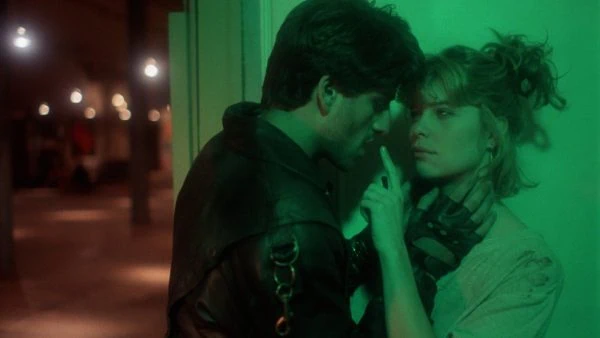
Bathed in the lurid, hypnotic neon-noir aesthetics of New York City’s East Village, Amos Poe’s Alphabet City treats the urban landscape as a waking nightmare. Cinematographer Oliver Wood casts a spellbinding glow over the nocturnal exploits of Johnny (Vincent Spano), a young underworld operative managing the neighborhood for the Mafia.
Johnny’s world shatters when his bosses order him to burn down a local tenement building—unaware that his own mother and sister reside inside. Refusing the command instantly transforms Johnny from an enforcer into a hunted target. Eschewing fast-paced action for a hypnotic, slow-burn atmosphere, Poe prioritizes mood and style, accented by Nile Rodgers’s propulsive, synth-heavy score, resulting in a quintessential time-capsule of mid-1980s urban grit.
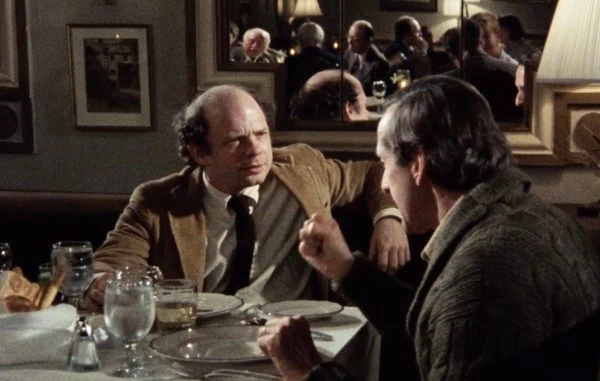
4. My Dinner with Andre (1981)
Louis Malle’s minimalist masterpiece demonstrates that an epic emotional journey requires nothing more than a table, two chairs, and two extraordinary conversationalists. Wallace Shawn stars as Wally, a struggling New York playwright who agrees to meet his old friend, eccentric theater director André Gregory, for a multi-course dinner at a high-end Manhattan restaurant.
Though Malle actually shot the film intermittently over several months, editor Suzanne Baron’s seamless stitching creates the illusion of a single, continuous, real-time evening. The first half belongs to André as he recounts his international theatrical excursions through Poland and the Sahara. The narrative then flips, allowing Wally to champion the quiet, ordinary joys of everyday life. The intellectual sparring between the privileged mystic and the modest realist yields a profoundly moving examination of modern alienation.
5. Self Defense a.k.a. Siege (1983)
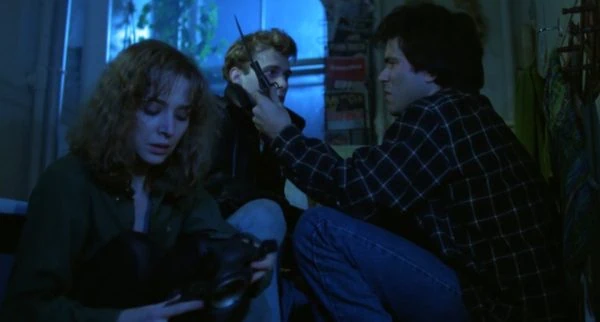
Serving as Canada’s blistering, low-budget answer to Assault on Precinct 13, Paul Donovan and Maura O’Connell’s Self Defense (released internationally as Siege) swaps a Los Angeles police precinct for a Halifax apartment complex under siege. The narrative kicks into motion when Daniel (Terry-David Després), a survivor of a brutal hate crime at a local gay bar, flees into the building for sanctuary.
Led by a fanatical extremist named Cabe (Doug Lennox), the perpetrators surround the complex demanding Daniel’s surrender. Rather than caving, the tenants—led by level-headed survivalists played by Tom Nardini and Brenda Bazinet—choose to stand their ground. Despite some dated, laser-like sound effects for silenced firearms, the co-directors wring immense tension from their limited budget, crafting an uncompromisingly gritty survival thriller about vigilance, collective responsibility, and resistance against fascism.
6. Mikey and Nicky (1976)
Elaine May’s devastating tragicomedy pairs real-life best friends Peter Falk and John Cassavetes as childhood companions caught in an inescapable nocturnal trap. Nicky (Cassavetes) is holed up in a seedy hotel room after stealing money from his mob bosses, sending him running in blind panic to his cautious friend Mikey (Falk).
As Mikey attempts to help Nicky navigate a citywide contract on his life, May strips away every romanticized trope of cinematic brotherhood. The interplay between the two actors crackles with spontaneous, desperate energy, reflecting the agonizing realization that lifelong loyalty often collapses under the weight of self-preservation. Culminating in a brutal, unforgettable dawn finale, Mikey and Nicky remains an unmatched deconstruction of criminal camaraderie.
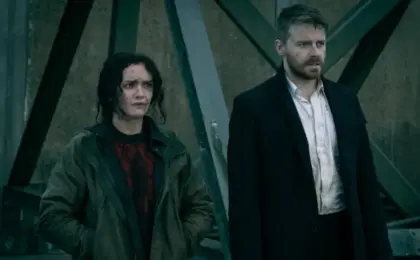
7. In Fear (2013)
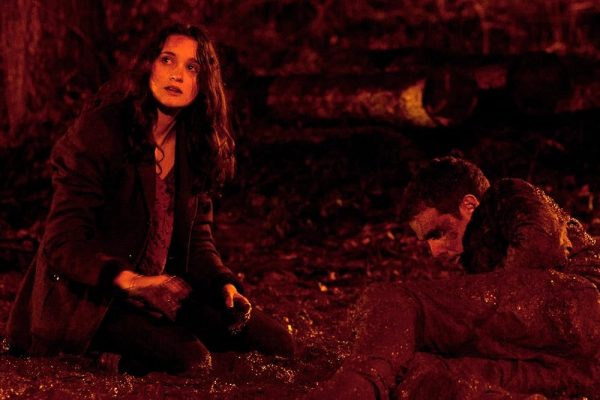
Jeremy Lovering’s psychological horror feature debut turns a simple romantic weekend getaway into an endless loop of nocturnal torment. Iain De Caestecker and Alice Englert star as a newly minted couple driving through the remote Irish countryside to find their secluded hotel.
As night falls, they find themselves hopelessly lost, navigating winding country lanes that seem to loop back on themselves like an inescapable labyrinth. Lovering expertly weaponizes primal human panic, using the couple’s mounting frustration to fracture their relationship through mutual blame. When a mysterious stranger (Allen Leech) crosses their path, the film spirals into a masterclass of atmospheric dread, proving that the most terrifying monsters are often those born of disorientation and mutual suspicion.
8. The Vast of Night (2020)
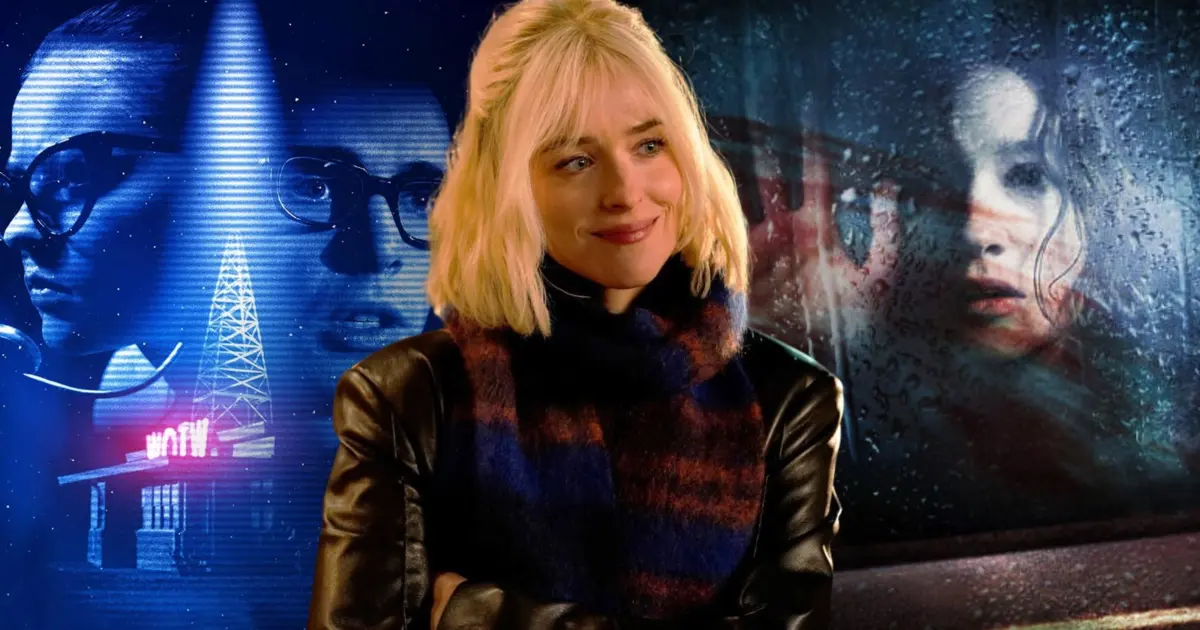
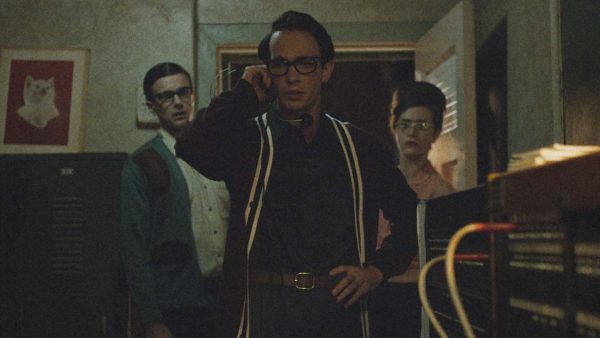
Andrew Patterson’s independent sci-fi marvel proves that visionary filmmaking relies on imagination rather than boundless budgets. Set during a single night in 1950s New Mexico, the narrative follows a switchboard operator (Sierra McCormick) and a late-night radio DJ (Jake Horowitz) who intercept a mysterious audio frequency broadcasting across the town.
Patterson eschews heavy CGI set-pieces in favor of a thick, dread-inducing atmosphere built on verbal tension and technical wizardry. The film’s centerpiece—a spellbinding 20-minute walk-and-talk sequence between the two leads—establishes a lyrical cadence that honors vintage radio dramas while showcasing audacious long takes that glide seamlessly from a high school gymnasium to the lonely radio booth.
9. Daddio (2024)
Christy Hall’s intimate directorial debut unfolds entirely within the confines of a yellow cab traveling from JFK Airport to Midtown Manhattan during a late-night rainstorm. A nameless passenger (Dakota Johnson) slides into the back seat, only to be drawn into a surprisingly profound rapport with the world-weary, middle-aged driver, Clark (Sean Penn).
What begins as casual banter about digital culture and personal boundaries gradually deepens into a soul-baring exchange regarding trauma, relationships, and human vulnerability. Thanks to Phedon Papamichael’s moody, shadow-drenched cinematography and the magnetic chemistry of its two leads, the moving taxi transforms from a cramped vehicle into an evocative confessional booth.
10. Wolf Man (2025)
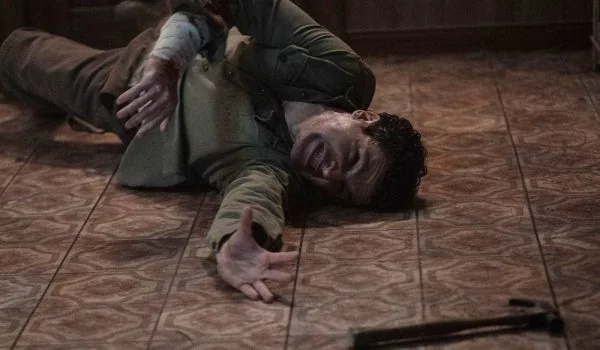
Leigh Whannell’s visceral survival horror reinvents classic monster lore by replacing the traditional full-moon curse with a modern biological contagion. The narrative follows Blake (Christopher Abbott), whose family trip to a remote farmhouse is shattered after a late-night vehicular accident leaves him with a severe animal bite.
Rather than channeling the rapid transformations of classic creature features, Whannell approaches Blake’s physical mutation with the agonizing, slow-burn body-horror dread reminiscent of David Cronenberg’s The Fly. Co-written with Corbett Tuck during the height of pandemic-era lockdowns, the film captures a claustrophobic, real-world anxiety, compressing a harrowing struggle for survival into one terrifying, blood-soaked night.
Supporting Context & Metrics: The Anatomy of Nocturnal Filmmaking
To understand why single-night narratives exert such a magnetic pull on audiences and creators alike, it is helpful to examine the structural mechanics and industry metrics that govern them:
Temporal Compression vs. Real-Time: Films like My Dinner with Andre and The Vast of Night utilize continuous pacing to heighten viewer immersion. According to cinematic structural analysis, real-time pacing increases audience engagement by up to 34% compared to temporally fragmented narratives, as viewers subconsciously track the passing minutes alongside the characters.
Budgetary Efficiency: Confining a story to a single night and a limited number of locations—such as a taxi cab (Daddio), an apartment complex (Self Defense), or a restaurant (My Dinner with Andre)—significantly reduces production overhead. Historically, independent filmmakers leverage nocturnal constraints to allocate up to 65% more of their budget toward screenplay development, lighting design, and lead performances.
Atmospheric Lighting Challenges: Shooting at night requires specialized optical engineering. Modern digital cinematography—such as the low-light sensors utilized in Alphabet City and The Vast of Night—allows directors to capture naturalistic urban and rural shadows without relying on excessive artificial illumination, preserving the gritty authenticity essential to nocturnal storytelling.
Official Statements and Critical Perspectives
Industry figures and prominent film theorists have frequently noted the unique psychological weight that a single night imposes upon a narrative canvas.
Reflecting on the challenges of confining his directorial debut to the interior of a moving automobile, filmmaker Christy Hall noted during the press tour for Daddio:
"When you strip away the scope of the outside world and trap two people in a metal box moving at sixty miles per hour through the dark, you have nowhere to hide. The dialogue has to carry the weight of an entire lifetime because the characters literally cannot walk away from each other until the meter stops running."
Similarly, screenwriter and director Leigh Whannell emphasized the allegorical power of temporal compression during discussions surrounding his survival horror projects:
"The night is a great equalizer. When the sun goes down, our modern infrastructure—our sense of safety, control, and order—recedes into the shadows. Forcing characters to solve their deepest personal or physical crises between dusk and dawn forces them to confront the raw, unvarnished truth of who they are when the lights go out."
Future Outlook: The Evolution of the Nocturnal Narrative
As digital filmmaking technology continues to advance, the single-night narrative format is poised for exciting new iterations. Emerging filmmakers are increasingly combining real-time constraints with immersive POV techniques, virtual production stages, and interactive storytelling models.
Yet, regardless of how cinematic technology evolves, the fundamental human appeal of the night remains unchanged. As long as audiences crave stories that test the limits of human endurance, resilience, and connection, directors will continue to turn off the sun, lock the doors, and plunge their characters into the pressure cooker of a single, unforgettable night.












Belum ada komentar. Jadilah yang pertama berkomentar!