

Executive Overview
Stretching north into the Sea of Japan from Ishikawa Prefecture, the Noto Peninsula offers travelers a rare juxtaposition of dramatic coastal geography, deep-rooted spiritual traditions, and profound human resilience. While the region remains actively engaged in recovery following the devastating January 2024 Noto Peninsula Earthquake and subsequent heavy summer rains in August 2026, its magnificent satoyama (rural landscapes) and satoumi (coastal farming and fishing ecosystems) are open, welcoming visitors who wish to witness firsthand a community rebuilding its livelihood and cultural heritage.
This comprehensive travel and investigative feature chronicles a journey along Noto’s rugged west coast—starting from the hard-packed sands of the Chirihama Nagisa Driveway and winding northward through historic shrines, geological wonders, architectural landmarks, and Zen Buddhist sanctuaries. Beyond mere sightseeing, this route invites travelers to engage directly with the faith, gastronomy, and enduring daily life of a region that refuses to surrender its identity to natural disasters.
Detailed Chronology: A Road Trip Along Noto’s West Coast
The coastal corridor of western Noto is engineered for the inquisitive traveler, acting as a linear museum of geological history, maritime trade, and sacred architecture.
Leg 1: The Chirihama Nagisa Driveway and Hakui City
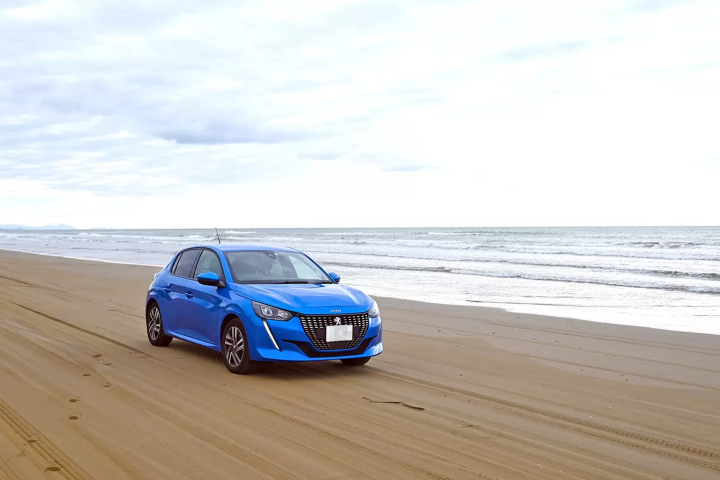
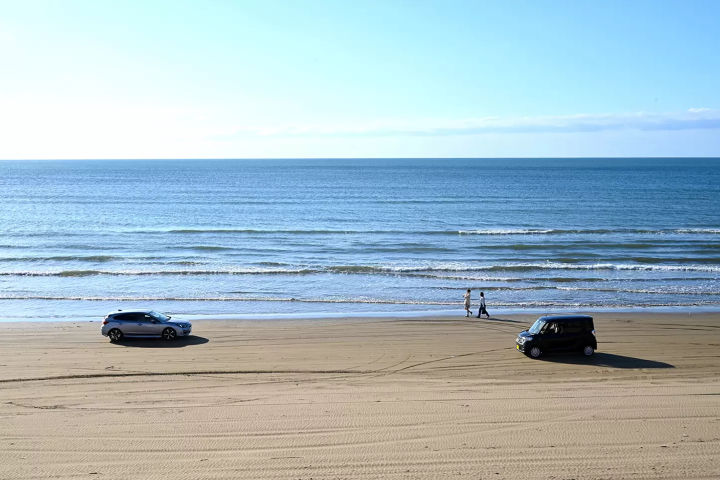
The journey begins approximately 30 to 40 minutes by car from Kanazawa, entering the southern gateway of the Noto Peninsula across Hodatsushimizu Town and Hakui City. Here lies the Chirihama Nagisa Driveway, an 8-kilometer stretch of shoreline that commands international renown as the only driveable beach in Japan where standard passenger cars, rental vehicles, motorcycles, and bicycles can cruise directly on the wet sand.
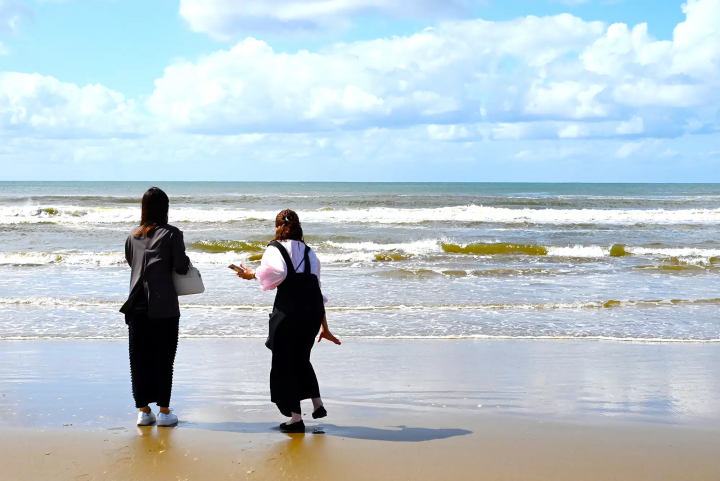
- The Science of the Shore: The secret to Chirihama’s firmness lies in its ultra-fine sand particles, which trap seawater and bind tightly when compressed by vehicle tires.
- Scenic Transitions: While daytime drives offer uninterrupted panoramas of the sparkling blue Sea of Japan, the evening provides world-class sunset views as the horizon swallows the sun in brilliant hues of crimson and gold. Early risers may even catch the ethereal morning mist hovering over an empty shore.
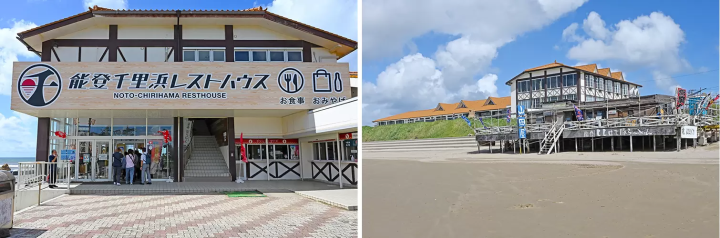
- Amenities: For travelers seeking refreshment, the Noto Senrihama Rest House at the northern entrance features ocean-view cafes, local souvenir shops, beachside barbecue dining, bike rentals, and a panoramic second-floor co-working space.
Leg 2: Keta Taisha Shrine and Irazu-no-Mori
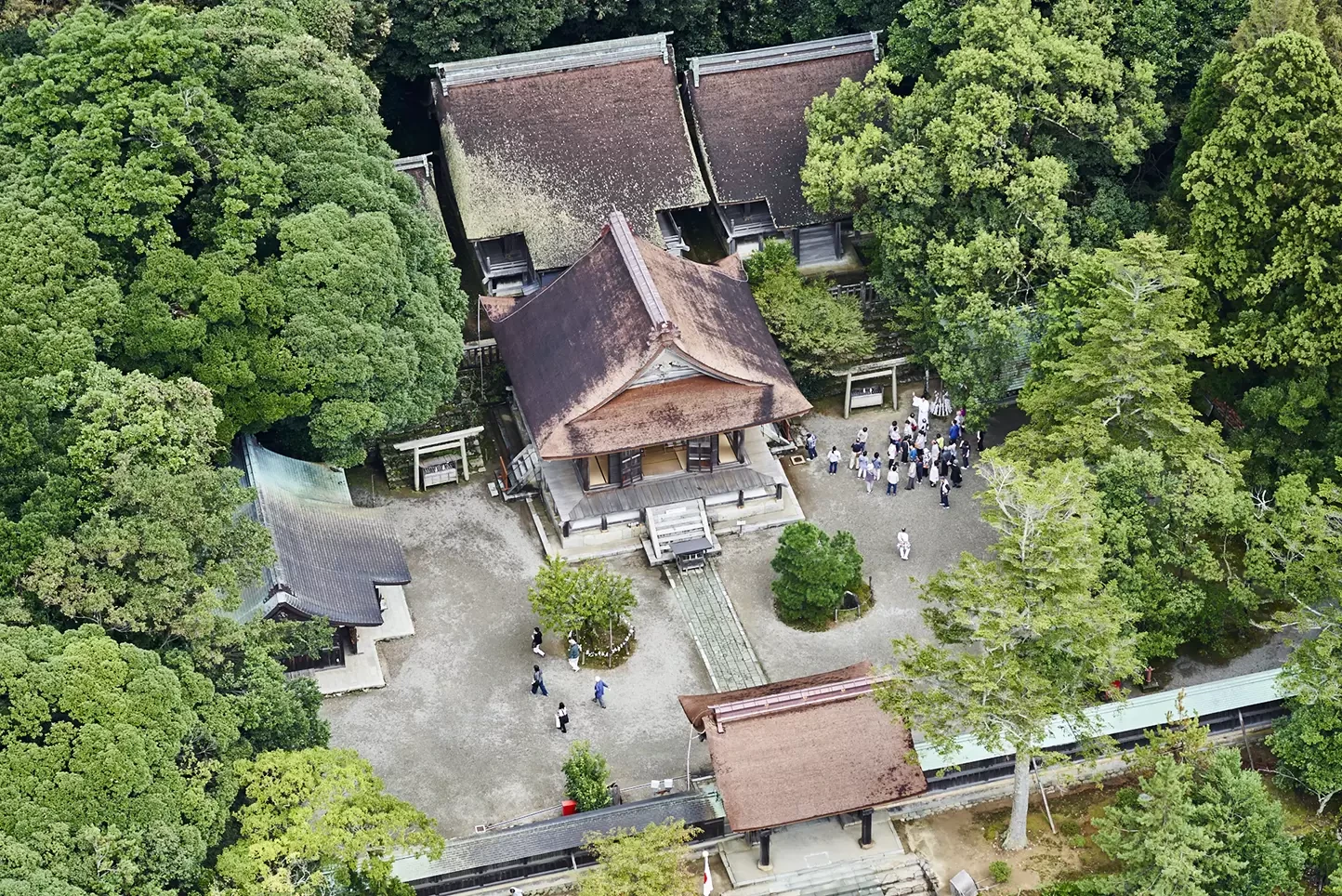
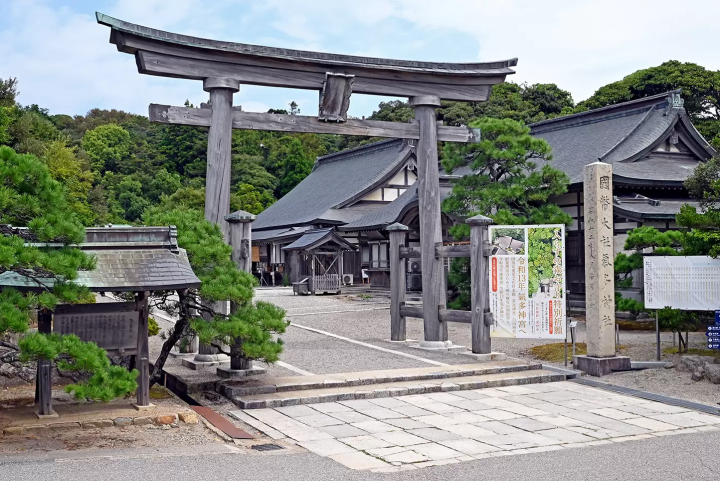
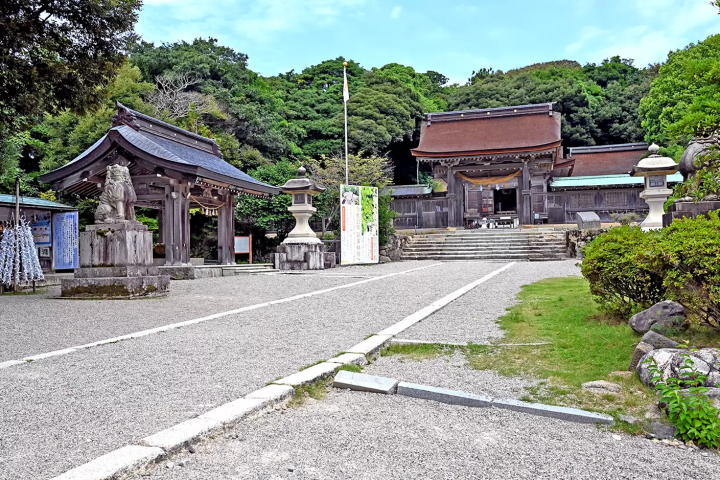
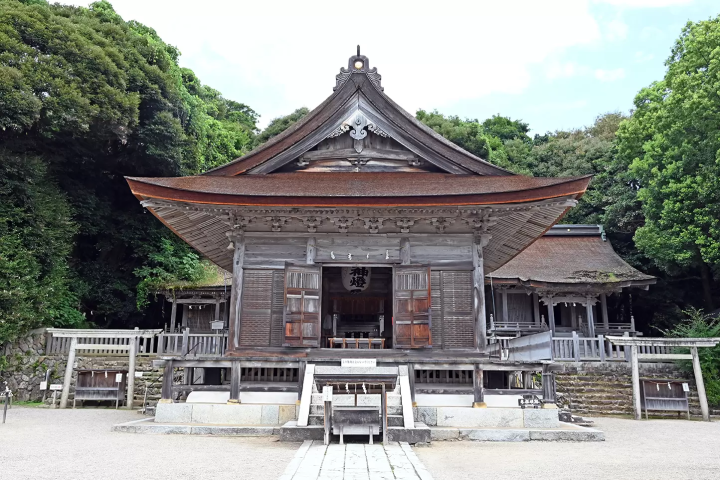
Ten minutes north of Chirihama sits Keta Taisha Shrine, the premier Ichinomiya (highest-ranking shrine) of the former Noto Province. Boasting a history spanning over 2,100 years, the shrine is dedicated to Ōnamuchi-no-Mikoto (also known as Ōkuninushi-no-Mikoto), the deity of nation-building, matchmaking, and spiritual guidance.

- Historical Significance: The shrine is immortalized in the Man’yoshu, Japan’s oldest collection of poetry, referencing a visit by provincial governor Ōtomo no Yakamochi in 748 AD.
- Sacred Ecology: Directly behind the shrine grounds lies Irazu-no-Mori (the Forbidden Forest), a 33,000-square-meter primeval forest designated as a national natural monument. Human entry has been restricted here for centuries, allowing the ecosystem to remain entirely untouched save for an annual ritual performed by Shinto priests.
- Future Milestone: Major restoration of the shrine’s cypress-bark roofs is scheduled between 2030 and 2031. During this period, a temporary relocation ceremony will offer visitors a rare opportunity to worship the enshrined deities up close before the shrine officially transitions its historical title to Keta Jingu.
Leg 3: Shika Town, Ganmon, and the Sea Cliffs
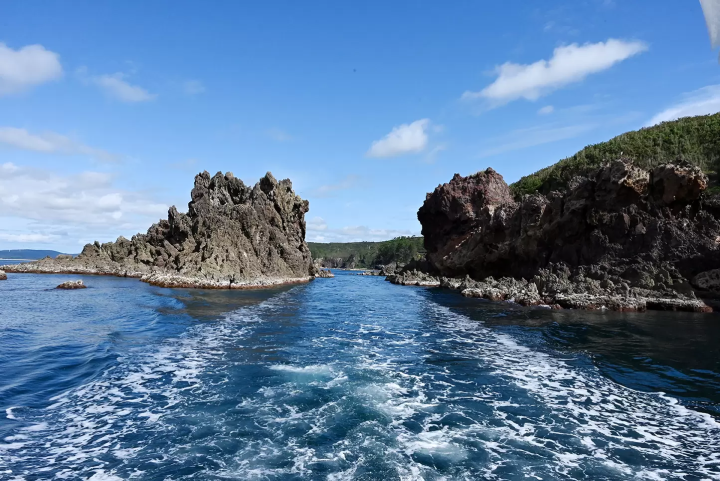
Continuing north into Shika Town, the coastline transforms into a dynamic tableau of steep cliffs and bizarre rock formations. The 29-kilometer stretch from Fukuura Port to Sekinohana represents one of Ishikawa Prefecture’s most celebrated scenic zones.
- Ganmon Sea Cave: This massive rock formation features a giant tunnel carved by centuries of relentless waves from the Sea of Japan. Visitors can explore the cliffs via walking paths or board the Noto Sightseeing Boat. The 20-minute cruise passes geological landmarks like Takanosu-iwa, Senjojiki-iwa, and Goban-jima, delivering an intimidating sense of scale from the water line.
- Hatago-iwa (The Weaving Rocks): Connected by a sacred shimenawa rope, these twin rocks evoke a legendary goddess’s loom, serving as another iconic photography and sunset-viewing vantage point.
- Masuhogaura Beach and the World’s Longest Bench: Famous in autumn and winter for washing ashore delicate pink cherry-blossom shells (sakuragai), this coast is also home to a historic 460.9-meter wooden bench. Nearby, the Michi-no-Eki Togi Umikaido roadside station invites travelers to participate in the "Thirty-Six Immortal Poets Shell Collection," encouraging visitors to hunt for designated small shells to earn commemorative prizes.
Leg 4: Gastronomy and Craft at Umibe no Somamichi
Moving further north into Kaiso, Monzen, visitors encounter a masterclass in culinary philosophy at Umibe no Somamichi. Originally established as a study and guesthouse for lacquer artist Akito Akagi, the facility suffered extensive damage in the 2024 earthquake before being creatively rebuilt in the autumn of 2024.
- Philosophy of the Plate: Helmed by Chef Yutaka Kitazaki, the restaurant emphasizes seasonal wild plants, vegetables, and coastal foraging from Noto. Seasonings like salt and soy sauce are used sparingly to allow the unmasked, pure flavors of the ingredients to resonate.
- Artisanal Presentation: Meals are served exclusively on handcrafted lacquerware created by Akito Akagi and fellow regional artisans, connecting the diner directly to the topography, craft history, and recovery narrative of Noto.
Leg 5: Monzen’s Zen Heritage and Kuroshima’s Historic Townscape
The final leg of the coastal route centers on Sojiji Soin, a 700-year-old ancestral head temple of the Soto Zen school located in Wajima City.
- The Gateway of Kuroshima: Historically, Zen monks traveled to Noto from across Japan aboard Kitamaebune merchant ships, landing at the port of Kuroshima. This nearby community flourished as a haven for wealthy shipowners, leaving behind an array of traditional residences featuring black-glazed roof tiles and lattice windows. Kuroshima was designated an Important Preservation District for Groups of Traditional Buildings in 2009.
- Sojiji Soin’s Resilience: Founded in 1321 by Zen Master Keizan Jokin, the temple survived a 1898 fire (after which its primary head temple function transferred to Yokohama) and extensive devastation during the 2007 Noto Peninsula Earthquake. Following a massive 14-year restoration completed in 2021, the temple sustained further structural blows during the January 1, 2024 earthquake. Thanks to seismic reinforcements installed post-2007, monumental structures like the Sanmon gate withstood collapse.
- Cultural Rebirth: In December 2024, 16 buildings within Sojiji Soin were officially designated as Important Cultural Properties of Japan, injecting profound hope into a multi-decade structural recovery timeline expected to span at least 12 years.
Supporting Context & Metrics
Understanding the current landscape of the Noto Peninsula requires examining the physical, structural, and demographic realities facing the region:
- Geological Upheaval: The January 2024 earthquake caused radical tectonic shifts along the Noto coast. In communities like Kuroshima and Kaiso, the ground rose by up to 4 meters, causing local shorelines to recede outward by as much as 200 meters. Local experts and residents view this dramatic marine transformation not merely as destruction, but as a profound geological evolution creating an entirely new coastal topography.
- Disaster Recovery Statistics:
- Sojiji Soin Restoration: Previous restoration post-2007 cost approximately ¥4 billion and took 14 years. The current restoration of 16 newly designated Important Cultural Properties is projected to take a minimum of 12 years.
- Tourism Rebound: Sightseeing boat operations at Ganmon, roadside stations, and cultural study tours have successfully resumed, noting an increasing influx of younger domestic travelers and international tourists utilizing digital discount coupons.
- Infrastructure and Accessibility: While the Noto Satoyama Kaido and regional coastal arteries remain functional, sporadic maintenance and lingering repair work from the August 2026 heavy rains mean travelers must regularly cross-reference updates via the Ishikawa Road Information Network.
Official Statements and Local Insights
Regional authorities, cultural leaders, and hospitality operators emphasize that tourism is not just a leisure activity here—it is a vital pillar of social rehabilitation.
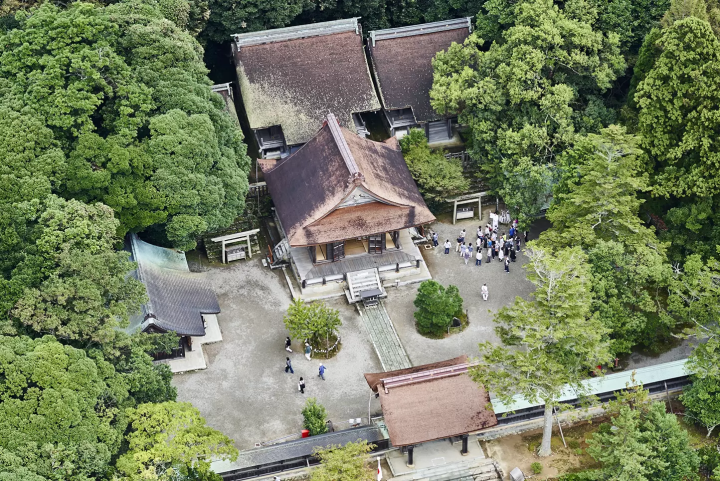
- On Structural Heritage: “While some buildings remain closed due to restoration work, visitors can still enter and view parts of Sojiji Soin,” notes senior priest Kojo Takashima, who serves as Fukukanin and Fusu at the temple. Special guided tours led by priests and local experts aim to communicate the unyielding philosophy of Zen preservation directly to the public.
- On Environmental Adaptation: Speaking on the dramatic landscape alterations, local cultural advocates observe: "The ground around the shop rose by up to 4 meters due to the earthquake, and the shoreline in the nearby sea receded by 200 meters. We want to experience these changes brought about by nature as a new landscape."
- On Community Hospitality: Shika Town Tourism Association and local hoteliers underscore that accommodations ranging from historic hot spring resorts like Ikoi no Mura Noto Hanto to renovated 90-year-old traditional farmhouses (TOGISO) have successfully transitioned from housing reconstruction workers back to welcoming leisure and eco-tourists.
Future Outlook
The Noto Peninsula stands at a historic crossroads. The path forward is defined by a delicate balance between honoring centuries-old spiritual and architectural traditions and adapting to a reshaped natural environment.
- Upcoming Milestones: Travelers planning long-term itineraries should monitor the structural milestones at Keta Taisha Shrine, which leads up to its major roof replacements and titular transition to Keta Jingu in 2030–2031. Simultaneously, the multi-phase restoration of Sojiji Soin’s newly minted National Cultural Properties guarantees that educational tourism and heritage preservation will remain active engines of regional employment for decades.
- The Traveler’s Role: By choosing to drive the Chirihama Nagisa Driveway, lodge in local coastal guesthouses, dine on sustainably foraged satoyama cuisine, and respect ongoing recovery zones, visitors actively contribute to the economic and psychological stabilization of Noto.
Ultimately, a road trip along Noto’s west coast transcends the boundaries of a standard holiday. It is an immersive masterclass in human endurance, offering a rare window into a community that looks out over a newly uplifted sea, honors its ancestors with unwavering devotion, and drives purposefully toward tomorrow.









Belum ada komentar. Jadilah yang pertama berkomentar!