

When travelers arrive in Nagoya, the industrial and cultural heartbeat of central Japan’s Aichi Prefecture, they are invariably greeted by a culinary landscape unlike any other in the country. While Japan is universally celebrated for its delicate broths, subtle dashi infusions, and golden miso soups derived from rice or barley, Nagoya proudly marches to the beat of an entirely different, intensely robust drum. This is the domain of mame miso—soybean miso—a dark, brooding, and deeply umami-rich fermented paste that forms the cornerstone of regional gastronomy.
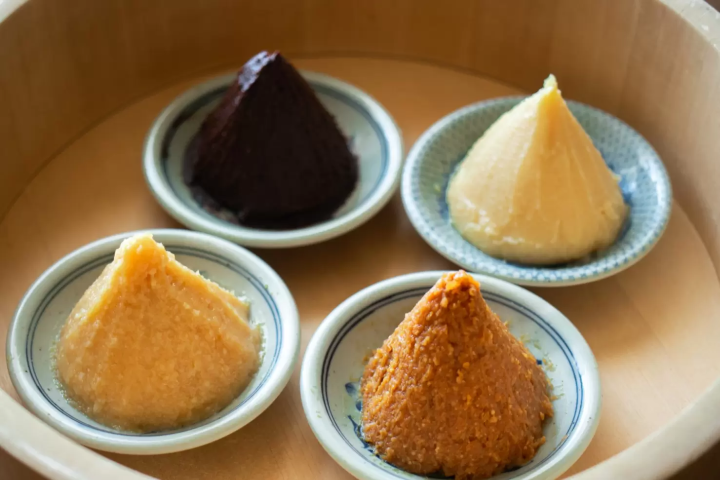
For the uninitiated visitor, the initial encounter with Nagoya’s signature miso can be startling. Unlike the familiar golden or white miso pastes found in standard sushi bars or Tokyo kitchens, authentic Nagoya-style miso boasts a midnight-hued, almost chocolate-brown profile. Yet, beneath this dramatic appearance lies a culinary heritage spanning more than four centuries. Loved by the legendary samurai commanders who unified feudal Japan, soybean miso is far more than a simple flavoring agent. It is a historical artifact, a triumph of traditional biotechnology, and a living cultural touchstone that continues to define Nagoya Meshi (Nagoya’s distinctive local food culture) today.
This report explores the deep historical roots, artisanal manufacturing methods, culinary applications, and modern-day travel experiences surrounding soybean miso. By examining everything from century-old wooden aging barrels to contemporary izakayas and international airport souvenir shops, we unpack how a humble blend of soybeans, salt, water, and time evolved into one of Japan’s most compelling gastronomic traditions.
Detailed Chronology: From Feudal Battles to Modern Gastronomy
The history of soybean miso is inextricably linked to the turbulent era of Japan’s Warring States (Sengoku period) and the subsequent unification of the nation under the Tokugawa shogunate. To understand why Nagoya’s relationship with miso is so profound, one must trace its evolution through critical historical milestones.
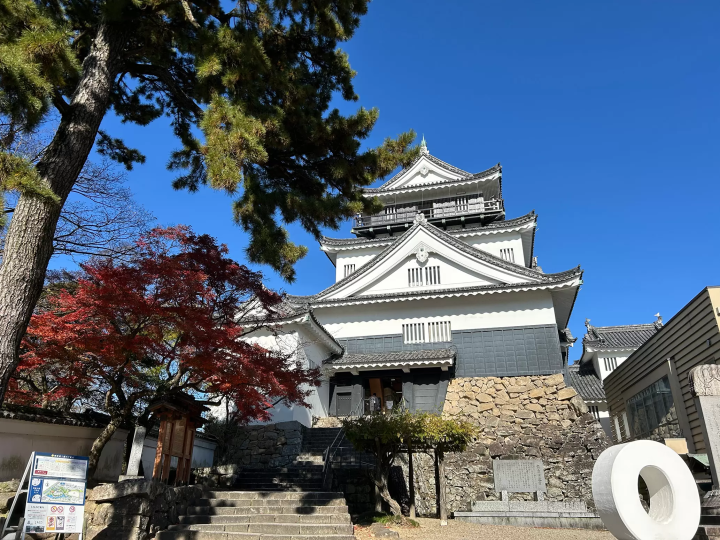
The Sengoku Period and the Samurai Connection
During the chaotic years of the 15th and 16th centuries, Aichi Prefecture—historically known as Mikawa and Owari provinces—earned its reputation as the "home of the samurai." This region birthed the three great unifiers of Japan: Oda Nobunaga, Toyotomi Hideyoshi, and Tokugawa Ieyasu. In an era defined by endless military campaigns, armies required provisions that were non-perishable, energy-dense, and rich in vital nutrients.
Soybean miso emerged as the ultimate military ration. Unlike rice or barley misos, which are susceptible to spoiling in warm weather or under prolonged storage, mame miso is crafted exclusively from soybeans, salt, and water, utilizing virtually no grain koji. This composition allowed it to undergo extended maturation periods without degrading. Samurai valued it not only as a preserved food source but also as a portable field medicine and energy booster.
The Reign of Tokugawa Ieyasu (17th Century)
Among the era’s warlords, Tokugawa Ieyasu—who emerged victorious at the pivotal Battle of Sekigahara in 1600 and established a peaceful shogunate that lasted over 250 years—was famously devoted to soybean miso. Operating under a strict personal regimen of health and longevity, Ieyasu lived to the remarkable age of 75 in an era when the average life expectancy hovered around 37 to 38 years.
Historical accounts suggest that Ieyasu regarded soybean miso as an indispensable element of physical vitality. So protective was he of its nutritional and strategic value that he closely guarded the production methods, restricting its large-scale dissemination outside his home territory. It was during this period that the production centers near Okazaki Castle—specifically within Hatcho (a village located approximately eight cho, or roughly 870 meters, west of the castle)—perfected the art of crafting Hatcho Miso, cementing the region’s status as the undisputed capital of soybean miso.
Industrial Evolution and the Birth of Nagoya Meshi (20th Century to Present)
As Japan transitioned from feudal isolation to modernization during the Meiji and Taisho eras, the culinary traditions of Mikawa and Owari provinces filtered out of the samurai camps and into the daily lives of urban commoners. Establishments dedicated to specialized miso dishes began to take root across Nagoya.
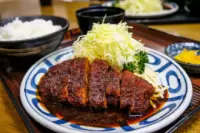
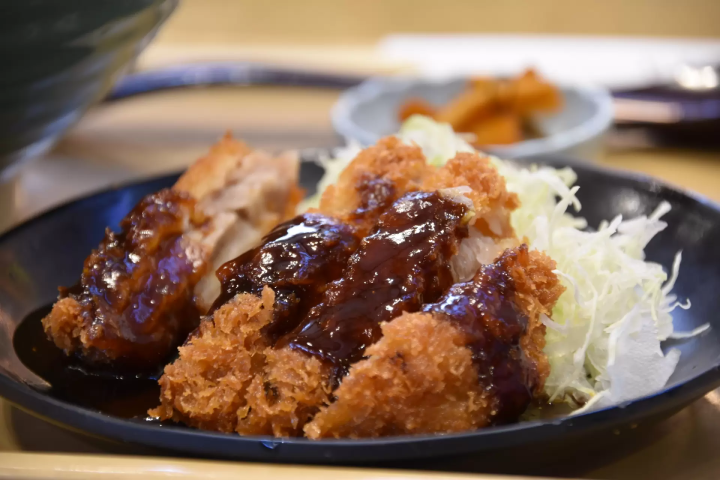
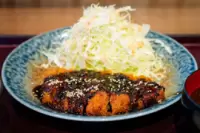
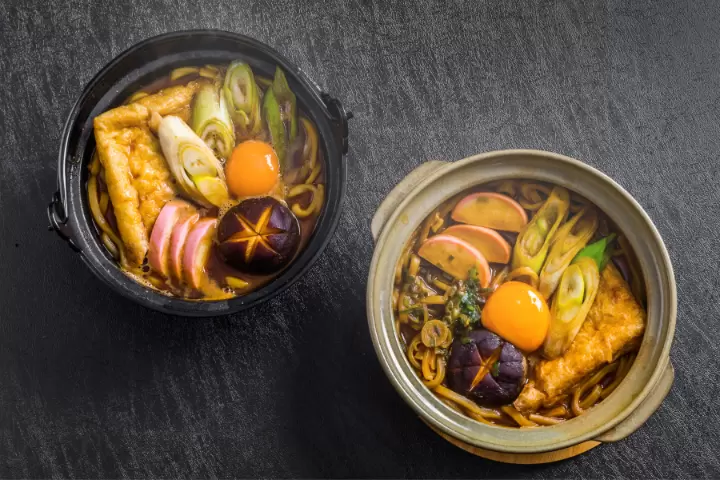
In 1925, foundational dining institutions like Yamamotoya opened their doors, pioneering dishes such as miso nikomi udon (thick noodles simmered in a potent miso broth). Concurrently, local eateries began experimenting with frying techniques introduced from the West, leading to the invention of miso katsu—crispy pork cutlets drenched in a sweet, savory soybean miso reduction. What began as a preservation tactic for medieval warriors evolved systematically into Nagoya Meshi, a vibrant, distinct regional food culture celebrated across the globe.
Supporting Context & Metrics: The Science and Craft of Mame Miso
To truly appreciate soybean miso, one must examine the rigorous biochemical and mechanical processes that govern its creation. Unlike standard rice miso, which typically ages for a few weeks or months, authentic soybean miso represents an exercise in profound patience.
The Science of Long-Term Maturation
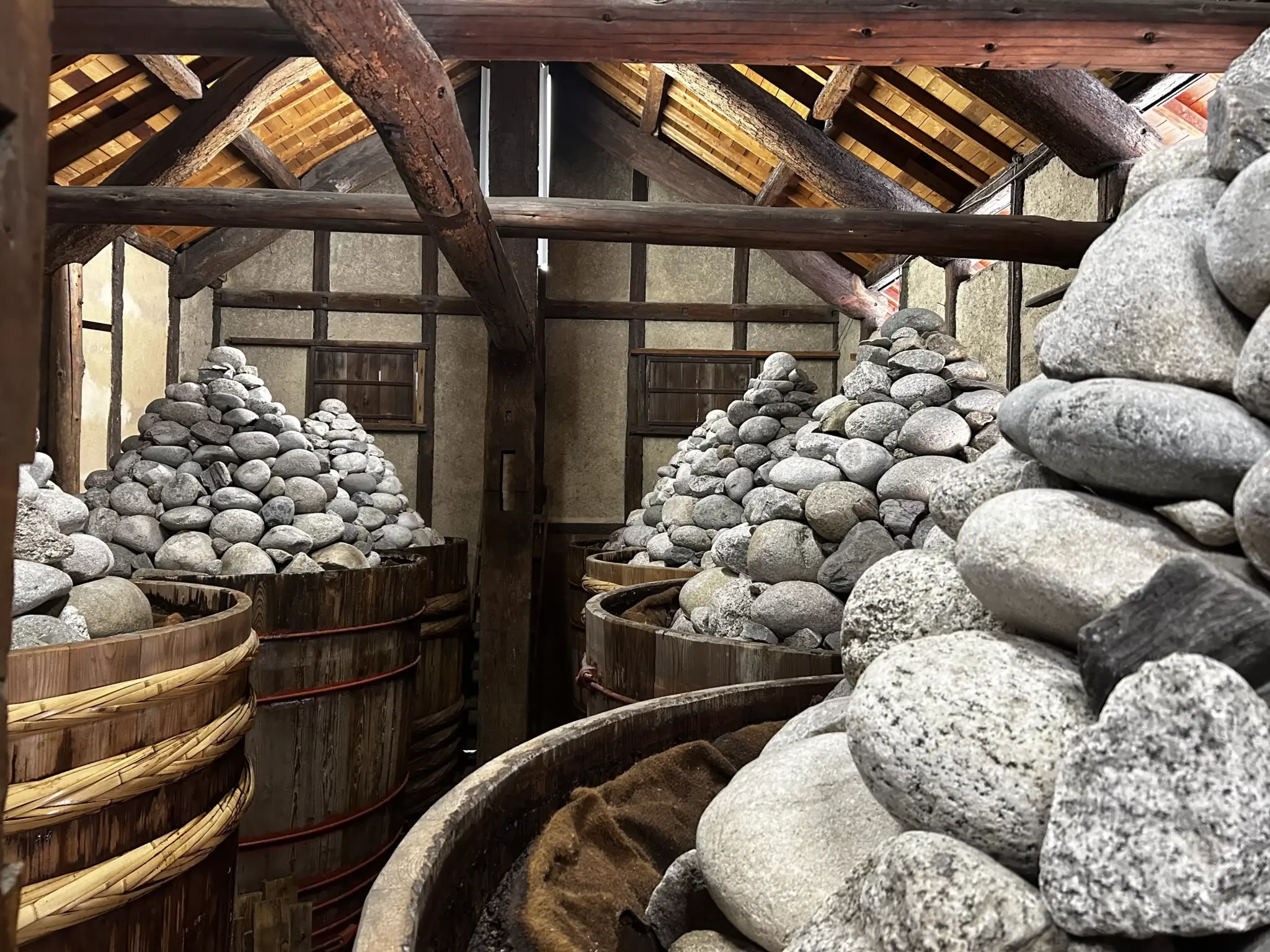
The production of mame miso begins with the careful selection of whole soybeans, which are washed, soaked, and thoroughly steamed. Once cooled, the beans are inoculated with Aspergillus oryzae (koji mold) to initiate enzymatic breakdown. Salt and water are then introduced, and the mixture is transferred into colossal, centuries-old Japanese cedar barrels (kioke).

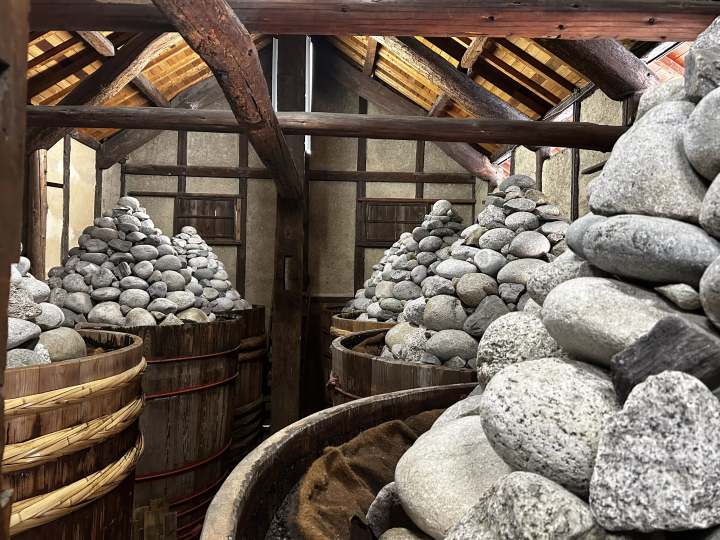
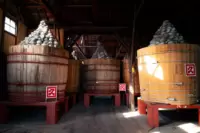
The defining characteristic of this process is the pressure applied during aging. To force out air pockets and ensure uniform fermentation, brewers stack massive pyramids of river stones—often weighing as much as three tons—atop wooden lids inside the barrels. Under this immense weight, the miso matures naturally over a period of approximately three years.

[Steamed Soybeans] + [Koji Mold] + [Salt & Water]
       │
       ▼
[Loaded into Cedar Kioke Barrels]
       │
       ▼
[Compressed under 3-Ton Stone Pyramids]
       │
       ▼
[Aged Naturally for ~3 Years] ──► Results in Dark, Umami-Dense Miso
Key Metrics of Fermentation
- Aging Duration: 36 months (standard for authentic Hatcho miso).
- Weighing Pressure: Up to 3 tons of river stones per barrel.
- Geographical Proximity: Historically centered within 1 kilometer of Okazaki Castle.
- Nutritional Profile: Exceptionally high in plant-based proteins, essential amino acids (such as glutamic acid), and organic acids developed through long-term enzymatic breakdown.
Culinary Landmarks & Essential Regional Dishes
The versatility of soybean miso is best witnessed across Nagoya’s diverse culinary offerings. Because mame miso possesses a deep, unyielding umami profile that intensifies rather than degrades when heated, it serves as the foundation for several iconic local dishes.
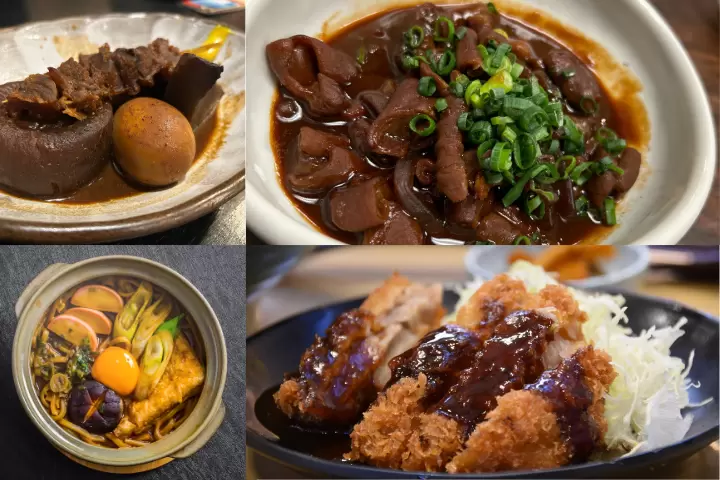
1. Miso Katsu (Crispy Pork Cutlets with Miso Sauce)
For first-time visitors who might find the raw power of soybean miso intimidating, miso katsu serves as the ideal introduction. By balancing the robust, earthy flavor of the miso with sweet broths, mirin, and sugar, chefs create a viscous sauce that coats freshly fried, crispy pork cutlets.
- Historical Pioneers: Establishments like Ajidokoro Kano in Sakae (founded in 1949) trace the origin of the dish to an innovative adaptation of tempura rice bowl (tendon) sauces. Master chefs meticulously adjust the miso blend daily based on seasonal humidity and temperature, occasionally requesting specific fractions from the bottom of the aging barrels to achieve optimal depth.
- Variations: At Misokatsu Sanwa in neighboring Gifu, cutlets are practically submerged in a soup-like miso sauce finished with a sharp, fragrant dusting of Japanese pepper to balance the richness.
2. Miso Nikomi Udon (Simmered Noodles in Clay Pots)
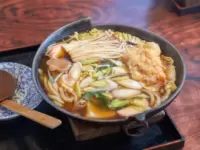
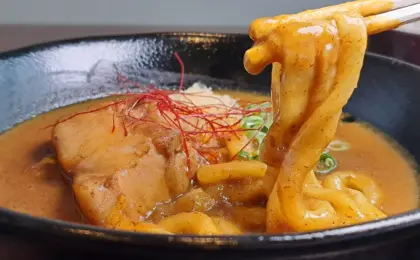
This dish represents the ultimate test of miso resilience. Specially crafted, dense wheat noodles are boiled directly inside individual earthenware pots alongside a rich dashi stock and soybean miso blend.
- The Texture Factor: Unlike conventional soft udon noodles, authentic Nagoya-style miso nikomi noodles are intentionally prepared with a firm, al dente core to withstand prolonged boiling without disintegrating.
- Legacy Institutions: Okute Yamamotoya and Yamamotoya Sohonke Honke (nearing its centennial anniversary) maintain traditions dating back to the Taisho era. Artisans arrive before dawn to hand-mix dough, assessing atmospheric moisture daily to guarantee uniform texture and flavor absorption.
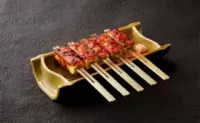
3. Miso Oden, Doteni, and Dengaku
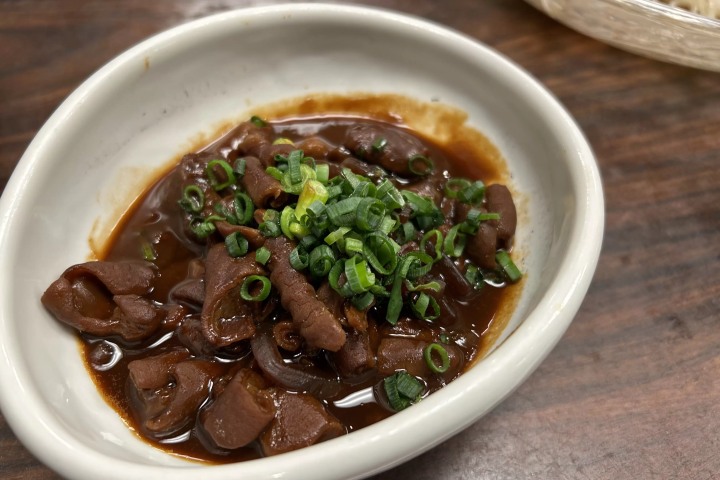
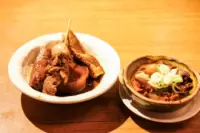
In bustling izakayas like Nagoya Dai Sakaba Daruma, colossal pots simmer continuously, housing daikon radishes, eggs, beef tendons (doteni), and konjac drenched in a creamy, umami-laden miso broth. Similarly, tofu specialists such as Kusumura perpetuate the legacy of Nameshi Dengaku—firm tofu grilled over an open flame and slathered with sweet bean miso.

Brewery Immersion: Visiting the Living Archives
A complete exploration of Nagoya’s fermented food culture requires stepping outside the urban center and visiting the historic breweries where the magic occurs.
Okazaki City: The Epicenter of Hatcho Miso
Located just a short journey south of Nagoya, Okazaki City houses the two legendary producers that have preserved traditional methods since the Edo (and in some cases Sengoku) periods:
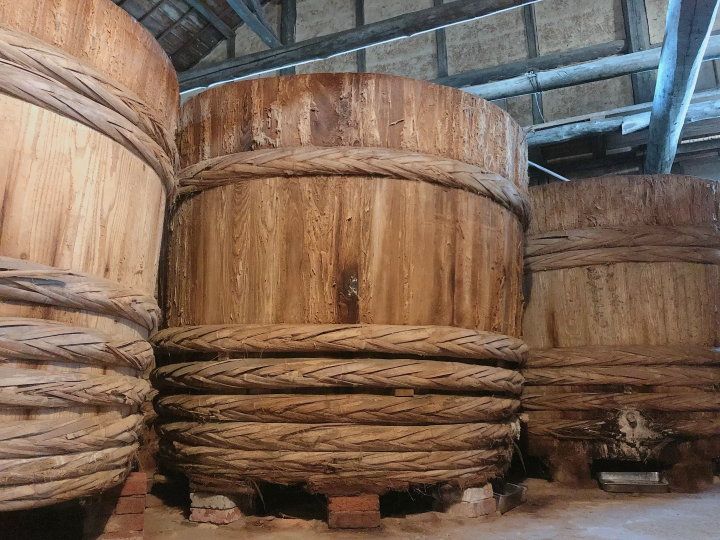
- Maruya Hatcho Miso: Founded in 1337, this historic site operates along the ancient Tokaido road. Visitors can tour the cavernous storehouses filled with towering cedar barrels and three-ton stone stacks that have stood undisturbed for over a century.
- Kakukyu Hatcho Miso (Hatcho Miso Village): Operating directly adjacent to Maruya, Kakukyu offers comprehensive facility tours and on-site dining options where travelers can sample miso-infused specialties immediately after witnessing their production.
Regional Artisans: Nakasada, Imokei, and Sato Jozo
- Nakasada Shoten (Taketoyo Town): Established in 1879, this brewery utilizes domestic soybeans and natural fermentation to produce both miso and tamari soy sauce—the rich, protein-dense liquid that naturally seeps from the bottom of miso barrels during aging.
- Imokei (Gifu City): Marrying tradition with modern efficiency, Imokei employs smart-technology to monitor koji incubation temperatures inside historic wooden barrels, offering English-language tours and interactive miso-ball workshops.
- Sato Brewery (Ama City): Operating since 1874, Sato Jozo preserves the unique "brewery microbial character" shaped by indigenous yeast and lactic acid bacteria residing within its aging rooms.
Future Outlook: Preservation, Global Outreach, and Culinary Sustainability
As the global culinary community increasingly prioritizes gut health, sustainable proteins, and deep-layer umami profiles, Nagoya’s soybean miso is uniquely positioned for international renaissance.
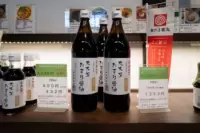
Challenges in Craft Production
Despite its growing global prestige, the traditional production of mame miso faces modern vulnerabilities. The craft relies heavily on ancient, handcrafted cedar barrels (kioke) and the generational expertise of master brewers (toshi) who understand the subtle behavioral shifts of local microflora. With aging periods lasting a mandatory three years, financial turnover is slow, placing immense pressure on family-run breweries to recruit and train younger apprentices.
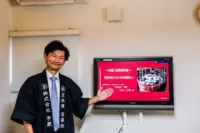
The Path Forward: Tourism and Retail Integration
To safeguard these heritage techniques, regional stakeholders have aggressively streamlined access for international travelers. Infrastructure improvements—such as English-language brewery tours at Imokei, comprehensive transit links to Okazaki, and centralized retail hubs like Pipitto! Aichi in Nagoya’s Oasis 21 complex or Meihinkan at Chubu Centrair International Airport—ensure that visitors can easily purchase authentic soybean miso and processed derivatives before departure.
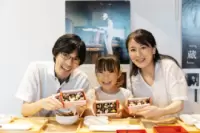
Furthermore, culinary educators are actively introducing home cooks worldwide to simple techniques for incorporating soybean miso into non-Japanese cooking—ranging from Western-style meat glazes to creative vinaigrettes and pastry infusions (such as miso castella cake).
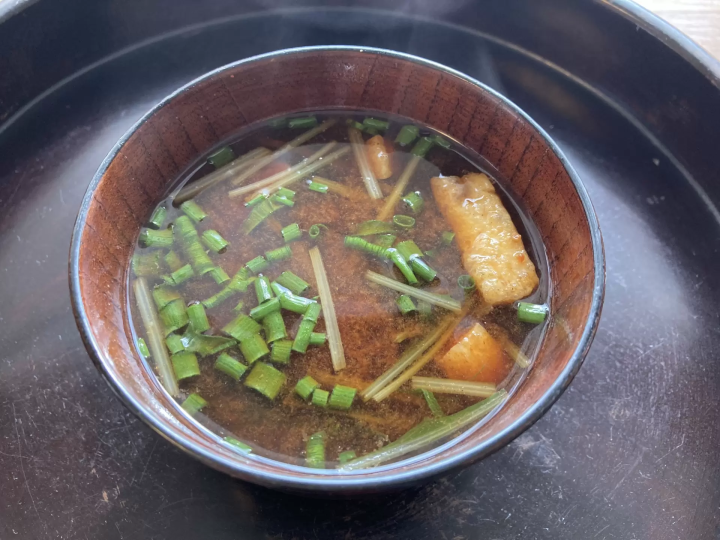
Ultimately, what begins for the traveler as a curious encounter with a surprisingly dark, intense soup evolves into a profound appreciation for a 400-year-old ecosystem of flavor, history, and human dedication. In an era of rapid industrial homogenization, Nagoya’s soybean miso stands unyielding as a monument to what can be achieved when simple ingredients are placed in communion with time, pressure, and unwavering craftsmanship.






Belum ada komentar. Jadilah yang pertama berkomentar!