

Executive Overview
Autumn in Japan is a season traditionally celebrated through quiet reflection, the changing of foliage, and tsukimi—the ancient cultural practice of moon-viewing. In contemporary Japanese popular culture, however, this harvest-time tradition has undergone a deliciously commercial evolution, largely anchored by the nationwide phenomenon of McDonald’s Japan’s seasonal tsukimi burger lineup. Featuring fried eggs meant to evoke the bright, full autumn moon, these limited-time menu items have become a cultural touchstone of the late-summer-to-autumn transition.
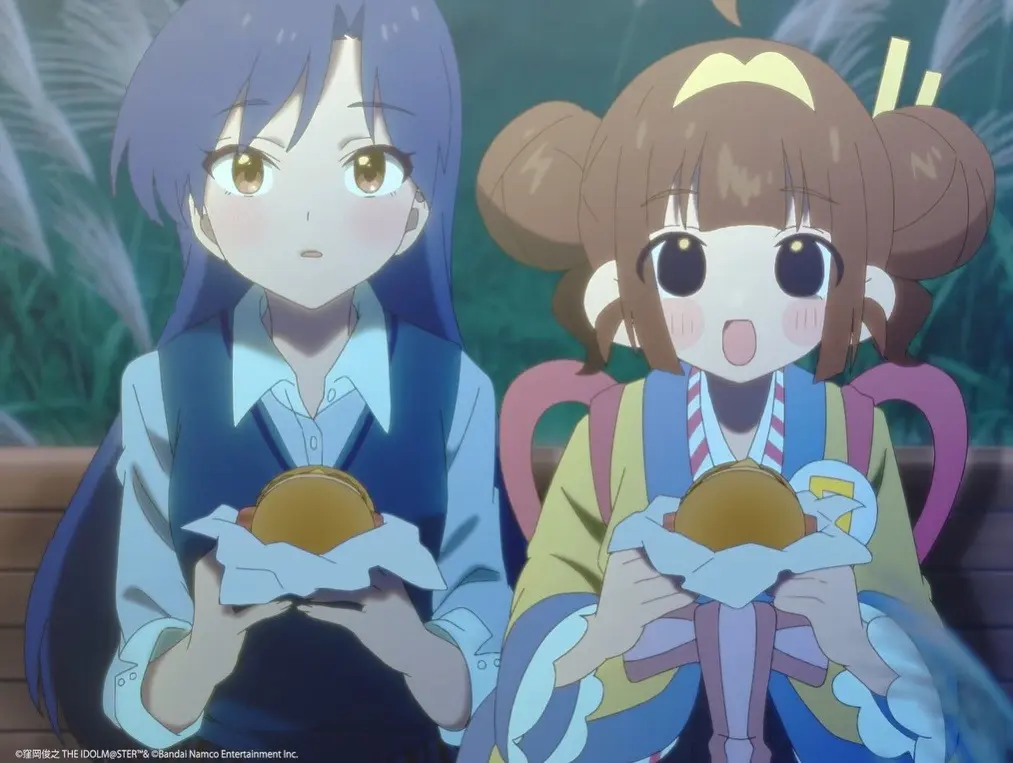
In a surprising and emotionally resonant cross-industry collaboration for the 2026 season, McDonald’s Japan has joined forces with The Idolmaster, one of Japan’s most enduring and prestigious anime and video game idol franchises. The centerpiece of this partnership is a poignant, beautifully animated music video pairing The Idolmaster veteran idol Chihaya Kisaragi with Imadaketsukimitabemi, McDonald’s quirky seasonal mascot.
Released on September 24, 2026—concurrently with the rollout of the second phase of McDonald’s autumn menu, including the exclusive Hokkaido Potato Pepper Tsukimi—the collaboration reframes fast-food marketing as a work of art. Featuring an acoustic rendition of the song "Kondo Itsu Kimi ni Aeru no Ka na" ("I Wonder When I’ll Get to See You Again"), the campaign captures the bittersweet nature of autumn: the fleeting nature of seasonal delicacies, the passage of time, and the comforting promise of eventual reunion. This comprehensive report explores the genesis of this cross-over, the cultural weight of tsukimi traditions, the creative mechanics behind the collaboration, and what this campaign signals for the future of experiential fast-food marketing in Japan.
Detailed Chronology: The Evolution of a Seasonal Marketing Masterclass
The Genesis of McDonald’s Tsukimi Culture
To understand the gravity of the 2026 collaboration, one must first trace the meteoric rise of the tsukimi product category within fast-food operations across the Japanese archipelago. While moon-viewing has roots extending back centuries to the Heian period—when aristocrats would gather to compose poetry beneath the harvest moon—the modern culinary interpretation was popularized by McDonald’s Japan decades ago.
Over the years, the humble tsukimi burger—characterized by its savory patty, smoky sauce, and signature round fried egg—expanded from a single item into a robust, highly anticipated autumn portfolio. By 2020, McDonald’s Japan conceptualized a dedicated mascot to personify this fleeting period: Imadaketsukimitabemi. Her uniquely descriptive name translates loosely to "you can only eat the delicious tsukimi [burgers] right now," serving as both a whimsical character and an urgent call to action for consumers before the menu items vanish into obscurity until the following year.
![McDonald’s Japan makes beautifully bittersweet burger anime music video with Idolmaster [Video]](https://soranews24.com/wp-content/uploads/sites/3/2026/09/0_6b969a.jpg?w=1000&h=525&crop=1)
The 2026 Campaign Rollout and The Idolmaster Crossover
Fast-forward to September 2026. McDonald’s Japan structured its autumn product deployment into strategic phases. The second major phase kicked off on September 24 with the introduction of the Hokkaido Potato Pepper Tsukimi, capturing consumer attention as the peak of the autumn season approached.
Simultaneously, the corporate marketing machinery deployed an unexpected ace: a partnership with The Idolmaster, Bandai Namco’s titan of an idol-simulation franchise. The collaboration brought together Chihaya Kisaragi—known across the franchise for her powerful, melancholic vocals and deep dedication to her music—and mascot Imadaketsukimitabemi.
Rather than opting for a high-energy, bombastic commercial typical of fast-food advertisements, the creative team produced a narrative-driven music video. In the visual piece, Chihaya and Imadaketsukimitabemi share a quiet, contemplative moon-viewing session overlooking Yokohama Bay Bridge. Traditional Japanese susuki (pampas grass)—a classic seasonal indicator of autumn—sways gently in the cool night breeze, framing a moment of shared connection, culinary appreciation, and gentle parting.
Supporting Context & Metrics: Cultural Significance and Artistic Contrast
Musical Arrangements and Metaphorical Wordplay
At the heart of the campaign is a clever piece of lyrical and phonetic wordplay. The featured track, "Kondo Itsu Kimi ni Aeru no Ka na" ("I Wonder When I’ll Get to See You Again"), contains a subtle linguistic nod: the phrase "Itsu Kimi" shares phonetic syllables with "tsukimi."
This linguistic bridge allows the song to operate on multiple levels. On the surface, it addresses the transient nature of human relationships and the longing to see a friend or loved one again. Metaphorically, it speaks directly to the seasonal items on the menu—and the mascot herself—who must disappear from restaurant menus once autumn draws to a close.
![McDonald’s Japan makes beautifully bittersweet burger anime music video with Idolmaster [Video]](https://soranews24.com/wp-content/uploads/sites/3/2026/09/2_fa809c.jpg?w=640)
The artistic contrast between the original mascot vehicle and Chihaya’s cover highlights the emotional depth of the campaign:
- The Original Version: Imadaketsukimitabemi’s solo tracks, released earlier in the season via McDonald’s Japan’s official channels, embrace a relentlessly peppy, cheerful aesthetic. Placed in real-world environments via mixed-media techniques—reminiscent of recent virtual idol crossovers like Hatsune Miku and Hoshimachi Suisei—her performances emphasize the joyful immediacy of indulging in seasonal fast food.
- Chihaya Kisaragi’s Cover: In stark contrast, Chihaya’s interpretation leans heavily into her established persona. Utilizing a stripped-down acoustic guitar arrangement and plaintive, emotive vocals, her performance transforms a corporate jingle into an introspective ballad about impermanence and nostalgia.
The Melancholy of Seasonal Consumption
In consumer psychology, scarcity is a well-documented driver of value. However, Japanese culture possesses a distinct aesthetic appreciation for impermanence, famously encapsulated by concepts like mono no aware (the pathos of things) and setsuna (transience).
By aligning the end of the second phase of the tsukimi rollout with a wistful musical composition, McDonald’s Japan successfully tapped into this cultural sensibility. The message embedded within the bite of a tsukimi burger and the notes of Chihaya’s guitar is clear: because good things—and good seasons—must inevitably end, one must learn to live entirely in the present moment, cherishing both culinary treats and the company of loved ones.
Official Statements and Industry Insights
While promotional rollouts in the fast-food sector are typically guarded by strict corporate confidentiality, public disclosures from official channels provide a clear picture of how this partnership was received by fans and industry observers alike.
A representative statement released via The Idolmaster official portal highlighted the unprecedented nature of the cross-over:
![McDonald’s Japan makes beautifully bittersweet burger anime music video with Idolmaster [Video]](https://soranews24.com/wp-content/uploads/sites/3/2026/09/3_802bf0.jpg?w=640)
"Collaborating with McDonald’s Japan allowed us to explore a different facet of Chihaya Kisaragi’s artistic expression. By placing her within the tranquil, reflective atmosphere of traditional moon-viewing, the campaign bridges the gap between digital idol entertainment and everyday cultural experiences in a deeply resonant way."
Industry analysts tracking Japanese marketing trends have pointed to this campaign as a masterclass in emotional branding. By moving away from hyper-commercialized tropes and instead leaning into quiet melancholy, poetry, and atmospheric storytelling, McDonald’s Japan transcended standard fast-food advertising. The campaign successfully activated two distinct fanbases: die-hard Idolmaster producers (fans) eager to see Chihaya in a unique narrative context, and general consumers seeking comfort and seasonal resonance during the autumn equinox period.
Future Outlook: The Intersection of Virtual Idols and Fast-Food Marketing
The success of the 2026 McDonald’s Japan and The Idolmaster collaboration establishes a compelling blueprint for future brand partnerships within the entertainment and service industries. As virtual idols, VTubers, and anime franchises continue to permeate mainstream Japanese consumer culture, traditional brick-and-mortar brands are recognizing that passive product placement is no longer sufficient.
Key takeaways and future projections derived from this campaign include:
- Narrative-Driven Product Launches: Future seasonal campaigns will likely rely less on straightforward celebrity endorsements and more on immersive, story-driven media content that weaves products into established character lore.
- The Weaponization of Nostalgia: Leveraging emotional extremes—pairing the joy of eating with the sorrow of seasonal parting—creates a stickier brand impression that resonates far longer than standard discount-driven advertisements.
- Cross-Media Synergy: The seamless integration of YouTube music videos, real-world mascot activations, social media engagement via X (formerly Twitter), and physical in-store menu rollouts proves that omnichannel strategies are essential for capturing multi-generational audiences in modern Japan.
As autumn transitions into winter, Imadaketsukimitabemi may fade from view until the cycle begins anew next year, and Chihaya Kisaragi will return to her standard stage performances. Yet, this cross-over has permanently altered how consumers view the humble tsukimi burger: not merely as a fast-food meal, but as a seasonal milestone wrapped in music, memory, and the bittersweet beauty of fleeting time.








Belum ada komentar. Jadilah yang pertama berkomentar!