

Executive Overview
While Western consumers increasingly greet the arrival of autumn with mixed feelings—often declaring the ubiquitous pumpkin spice flavor trend "fatigued" or "oversaturated"—Starbucks Japan is experiencing a totally different phenomenon. Far from facing cultural burnout, the Pumpkin Spice Latte (PSL) is thriving in the Japanese market, where it is treated not as an inescapable seasonal cliché, but as a vibrant, novel, and highly anticipated import.
Introduced as a regular seasonal fixture only in 2021, the Japanese iteration of the PSL is practically in its infancy compared to its 23-year-old legacy in the United States. This relative novelty, combined with Starbucks Japan’s knack for localized marketing and an enduring consumer appetite for foreign culinary trends, has insulated the drink from the fatigue dampening its popularity abroad.
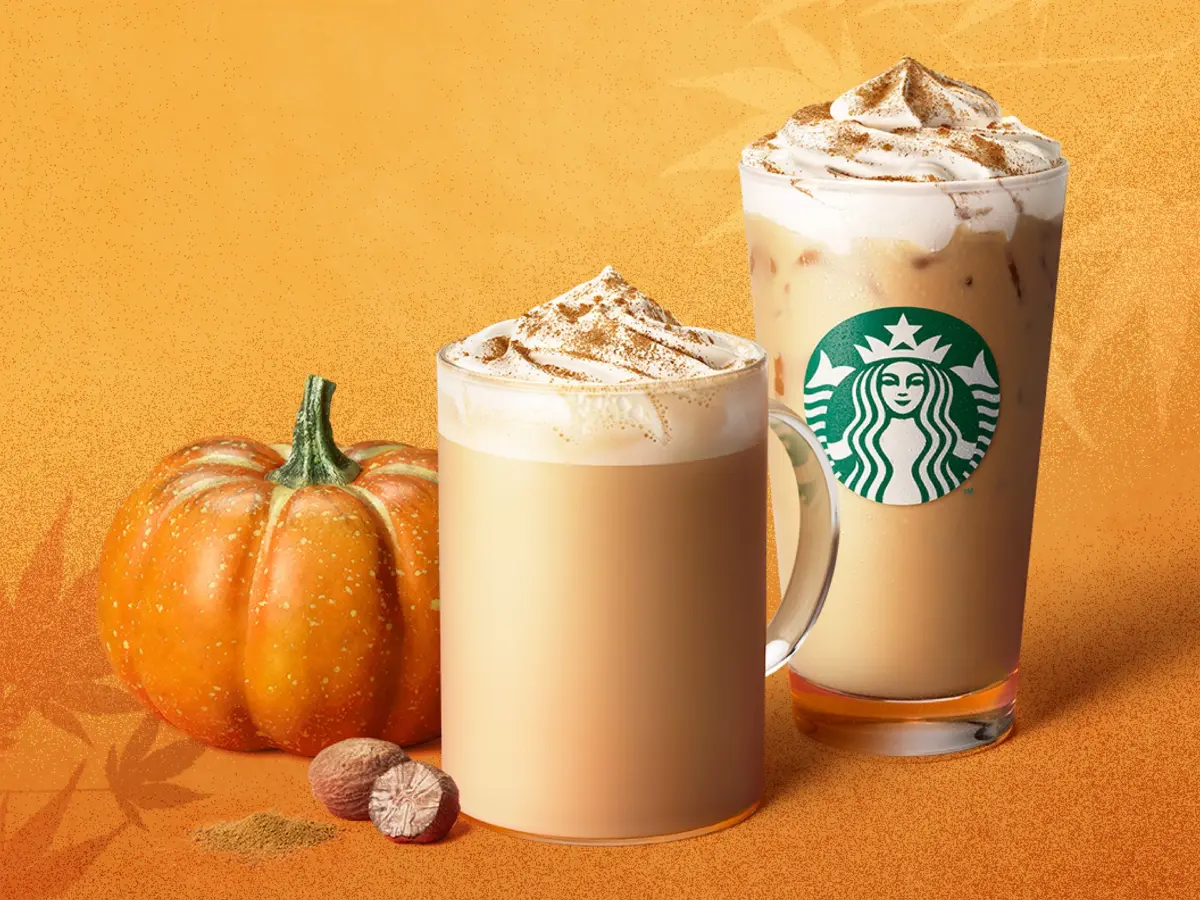
To kick off the crisp autumn months, Starbucks Japan has officially brought back the beloved beverage in both hot and iced configurations. Loyalty program members were treated to an exclusive early-access window starting September 29, a full day ahead of the nationwide rollout on September 30. Priced accessibly between 550 and 680 yen (approximately $3.50 to $4.33 USD) across sizes ranging from Short to Venti, the drink continues to command substantial consumer interest. This report investigates the cultural mechanics behind the PSL’s enduring appeal in Japan, examining market dynamics, flavor profiles, retail strategies, and the broader socioeconomic factors driving its counter-trend success.
Detailed Chronology: From US Staple to Japanese Sensation
To understand the current enthusiasm surrounding the Pumpkin Spice Latte in Japan, one must trace its distinct historical trajectory—a journey marked by a stark contrast between Western saturation and Japanese adoption.
The Western Origin and Maturation
In North America, the Pumpkin Spice Latte was born in the early 2000s, quickly transforming from a daring seasonal experiment into an absolute cultural touchstone. For over two decades, its return has served as the unofficial, heavily commercialized herald of fall. However, market saturation has inevitably set in. In recent years, social media discourse in the US and Europe has shifted. Consumers searching for new flavor experiences have increasingly pivoted toward alternatives like ceremonial-grade matcha, ube, and complex botanical infusions, leading many lifestyle commentators to prematurely write off pumpkin spice as a relic of 2010s basic culture.
The Japanese Timeline: A Late-Bloomer Phenomenon
In stark contrast, Japan’s relationship with the beverage is remarkably young. While Japanese consumers were long familiar with Western pop culture references to the drink, they were largely barred from experiencing it firsthand until Starbucks Japan officially added it to the permanent autumn rotation in August 2021.
By skipping the early, experimental phases that defined the drink’s rollout in the West, Starbucks Japan introduced a refined, perfectly tuned product straight into a market primed for foreign novelties. The timeline of its domestic ascent highlights a rapid acceleration in popularity:
- August 2021: Starbucks Japan debuts the Pumpkin Spice Latte nationwide, generating immediate social media buzz and long queues.
- Autumn 2022–2023: The drink solidifies its status as a core pillar of the autumn seasonal menu, transitioning from a novelty item to a dependable fan-favorite.
- Autumn 2024–2025: While international markets report declining interest, Starbucks Japan expands accessibility, leaning into dual hot-and-iced variations to accommodate fluctuating early-autumn temperatures in the region.
- September 2026: The latest iteration drops, featuring exclusive early-access perks for Starbucks Rewards members on September 29, followed by a general release on September 30.
Supporting Context & Metrics: Market Dynamics and Consumer Psychology
Why is a flavor experiencing fatigue in its home market finding robust health and enthusiastic consumer adoption across the Pacific? The answer lies in a fascinating intersection of consumer psychology, cross-cultural branding, and local meteorological realities.
The Appeal of the "Foreign Novelty"
In Japan, foreign culinary trends often carry a distinct aspirational cachet. While items steeped in Japanese tradition—such as matcha, hojicha, and sakura-flavored goods—dominate the spring and summer menus, autumn opens a window for Western-inspired comfort flavors. For the Japanese consumer, pumpkin spice does not evoke overdone suburban coffee shop tropes; instead, it represents an authentic, cozy taste of a North American autumn. It is consumed as much for the lifestyle fantasy it evokes—crisp leaves, oversized sweaters, and cinematic autumn aesthetics—as it is for its taste.
Weather Patterns and the Iced Coffee Culture
Another critical factor driving the longevity of the Japanese PSL is its adaptability to climate. September and early October in Japan are notoriously lingering transitional periods, often plagued by high humidity and unseasonably warm temperatures despite the official shift in the calendar.
By offering the Pumpkin Spice Latte in both hot and iced formats, Starbucks Japan removes the seasonal friction that deters consumers in warmer climates. An iced Pumpkin Spice Latte allows customers to participate in the autumn ritual without overheating, capturing a demographic that might otherwise reject a steaming hot beverage during a lingering heatwave.
Pricing and Accessibility Metrics
Priced strategically between 550 yen (Short) and 680 yen (Venti), the drink occupies a competitive sweet spot in Japan’s modern café economy. Amid rising global inflation and fluctuating exchange rates, these prices remain accessible to students, office workers, and urban commuters alike. Furthermore, leveraging the Starbucks Rewards loyalty program—offering a 24-hour exclusive window on September 29—drives digital engagement and cultivates a sense of exclusivity, prompting loyalists to secure their first taste before the general public floods stores on September 30.
Official Statements and Flavor Anatomy
Starbucks Japan’s corporate communications continue to emphasize the craftsmanship behind the seasonal beverage, reassuring consumers that the recipe remains faithful to its roots while being thoughtfully tailored to local palates.
Deconstructing the Flavor Profile
According to official tasting notes provided by Starbucks Japan, the beverage is meticulously designed to mimic the comforting, nostalgic warmth of traditional pumpkin pie.
- The Base: A velvety blend of espresso, steamed (or iced) milk, and a signature pumpkin-flavored syrup that imparts a gentle, natural sweetness rather than an aggressive, artificial sugar shock.
- The Spice Blend: A warming medley of traditional autumn spices, carefully calibrated so as not to overwhelm the delicate balance of the espresso and milk.
- The Finish: A crowning flourish of nutmeg dusted across the foam, providing an aromatic olfactory kick with every sip.
"The beverage is designed to offer a mellow, rounded flavor profile that acts as an antidote to the shortening days and cooling nights of the season," notes the official press release from Starbucks Japan. "It is an invitation to pause, reflect, and embrace the sensory transition of the year."
Architectural Integration: Experiencing the PSL in Unique Spaces
Starbucks Japan has further elevated the seasonal campaign by encouraging consumers to enjoy the drink within the company’s most ambitious architectural and cultural flagships. Rather than just consuming a beverage in a standard strip-mall kiosk, customers are seeking out destinations like Tokyo’s newest art-gallery-integrated cafes or historical conversions—such as the recently opened store housed inside a historic seaside quarantine station near Tokyo. Pairing a globally recognized flavor with locally unique, heritage-rich architecture creates a distinct experiential loop that keeps the product feeling fresh and Instagram-worthy.
Future Outlook: The Longevity of Seasonal Marketing in Japan
As the culinary landscape continues to evolve at a breakneck pace, the future of the Pumpkin Spice Latte in Japan looks exceptionally secure, providing valuable lessons for multinational food and beverage brands navigating saturated global markets.
Avoiding Brand Burnout Through Scarcity
The primary reason the PSL avoids fatigue in Japan is disciplined scarcity. Unlike year-round menu mainstays, the drink is strictly time-bound. By restricting its availability to the autumn months, Starbucks maintains a sense of urgency and desire. When the window closes, the product vanishes entirely, clearing the runway for winter holiday beverages like the annual Gingerbread Latte or strawberry-infused Christmas creations. This cyclical rotation prevents consumer desensitization.
Localization as a Shield Against Globalization Fatigue
As Japanese consumers become increasingly discerning, brands that blindly copy-paste Western marketing strategies often falter. Starbucks Japan succeeds because it treats foreign items through a localized lens. By ensuring high quality, offering versatile temperature options, and tying the product release to digital rewards programs and culturally significant domestic spaces, the brand frames the PSL not as an imposition of American monoculture, but as a welcome, premium guest on the Japanese seasonal calendar.
Conclusion
The narrative surrounding the Pumpkin Spice Latte in 2026 is a tale of two worlds. While Western markets grapple with flavor fatigue and look toward the next culinary trend, Japan’s embrace of the beverage demonstrates the power of timing, localized adaptation, and strategic scarcity. For Starbucks Japan, the pumpkin spice era is far from dead—in fact, nestled comfortably in its autumn cup, it is only just hitting its stride.








Belum ada komentar. Jadilah yang pertama berkomentar!