For years, the iconic scramble crossing in Tokyo’s Shibuya ward was ground zero for one of the world’s most chaotic, vibrant, and unpredictable Halloween street parties. What began as an organic gathering of costumed revellers slowly spiraled into a logistical nightmare, characterized by rampant street drinking, surging crowds, property damage, and widespread public nuisance.
Now, Tokyo’s local government has transformed the once-legendary event into a heavily militarized, tightly controlled security zone. With Halloween falling on a Saturday—a calendar alignment that hasn’t occurred since 2020—Shibuya Ward officials are bracing for a massive surge in foot traffic, estimating that up to 18,000 people could pack the narrow corridors of Center Gai during peak evening hours.
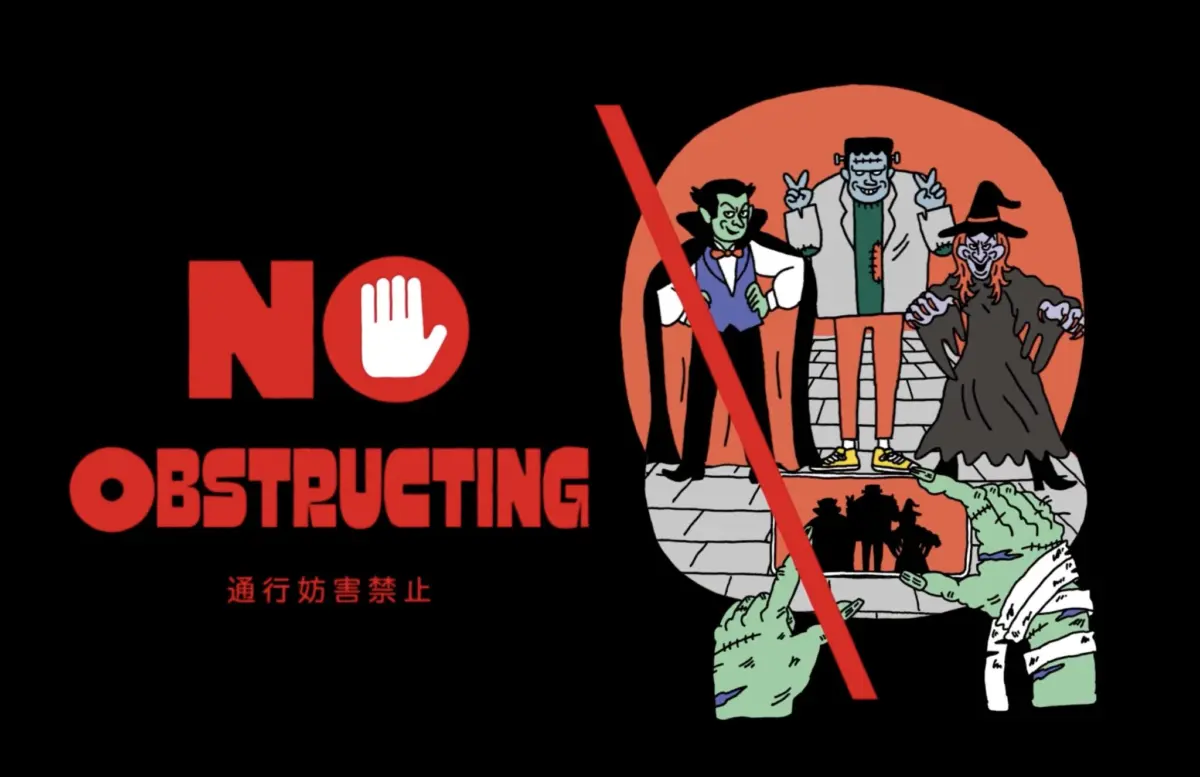
Armed with a blunt, uncompromising public awareness campaign under the banner "GOODBYE BAD HALLOWEEN," local authorities have deployed unprecedented levels of enforcement, financial resources, and physical barriers. From a sweeping year-round nighttime alcohol ban to steep littering fines and physical blockades around historic landmarks, Shibuya is sending an unmistakable message: the streets are no longer an open-air nightclub.
While city leadership maintains that they are not trying to kill the holiday spirit entirely—instead funneling partygoers toward organized indoor venues and commercial establishments—the days of spontaneous, anarchic street celebrations in Shibuya are officially a thing of the past.
Detailed Chronology & Escalation of Measures
The transformation of Shibuya Halloween from a localized subcultural gathering into a tightly managed public security operation did not happen overnight. It is the direct result of a multi-year escalation of bad behavior, dangerous crowd surges, and municipal alarm.
The Turning Point: 2018 and the Anarchy Years
The definitive breaking point for Shibuya Ward occurred during the Halloween festivities of 2018. What had previously been viewed as a quirky, albeit rowdy, cultural phenomenon turned dark when a group of intoxicated revellers physically overturned a small truck in the middle of a crowded street. The incident, captured on viral videos around the world, exposed severe security vulnerabilities, widespread instances of upskirt photography, petty theft, and property vandalism.
In the years following, the local government realized that laissez-faire crowd management was no longer viable. Authorities began implementing progressive restrictions, though their efforts were temporarily masked by the COVID-19 pandemic, which subdued crowds significantly between 2020 and 2022.
The Post-Pandemic Crackdown
As international tourism rebounded and pandemic-era restrictions faded, Shibuya officials anticipated a dangerous resurgence of street parties. Rather than waiting for chaos to return, the ward instituted proactive, legally backed countermeasures.
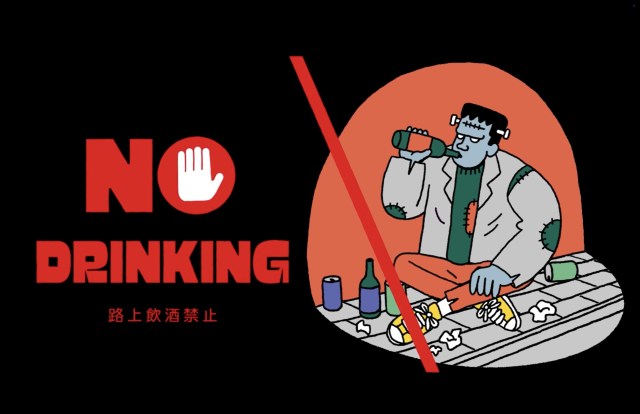
In October 2024, a landmark ordinance went into effect introducing a permanent, year-round ban on public drinking on the streets of Shibuya between the hours of 6:00 PM and 5:00 AM. This policy targeted the root cause of much of the street-level rowdiness: cheap, readily available canned alcohol from local convenience stores.
The 2026 Saturday Catalyst
The stakes reached a fever pitch with the arrival of Saturday Halloween. Because October 31 falls on a weekend day for the first time in six years, predictive models and historical data suggested a massive influx of participants. While rainy weather suppressed turnout in previous years—dipping to a record-low 4,200 visitors in the worst-performing recent cycle compared to pre-pandemic peaks of roughly 40,000—officials estimated that this Saturday would draw at least 18,000 people to Center Gai during peak windows.
To combat this expected surge, the ward rolled out an aggressive operational schedule:
October 30 (6:00 AM) to November 1 (5:00 PM): Temporary security fencing is erected around the iconic Hachiko statue, entirely blocking it from public view to prevent dangerous bottlenecks and impromptu meetups.
October 30 (5:00 PM) to October 31 (5:00 AM): Shared micromobility services, including LUUP and Lime electric scooters and bikes, are entirely suspended around Shibuya Station to prevent abandoned vehicles from blocking pedestrian escape routes or being weaponized by crowds.
Intensified Patrols: Enforcement teams are drastically expanded, shifting from the standard three teams of three officers to five comprehensive teams of seven personnel, specifically tasked with enforcing public etiquette and issuing fines.
Supporting Context, Metrics, and Financial Footprint
Enforcing civic order in one of the busiest transit hubs on the planet does not come cheap. Shibuya Ward has dedicated an extraordinary financial and human resource allocation to ensure that the "GOODBYE BAD HALLOWEEN" initiative is strictly enforced.
The 74 Million Yen Security Budget
According to official municipal disclosures, Shibuya Ward has funneled approximately 74 million yen (roughly US$468,000) directly into Halloween countermeasures for the season. This substantial budget is broken down across three primary operational pillars:
Station-Area Safety Measures (58 million yen): The lion’s share of the budget is dedicated to physical infrastructure, crowd control barriers, private security deployment, and operational logistics around Shibuya Station and the scramble crossing.
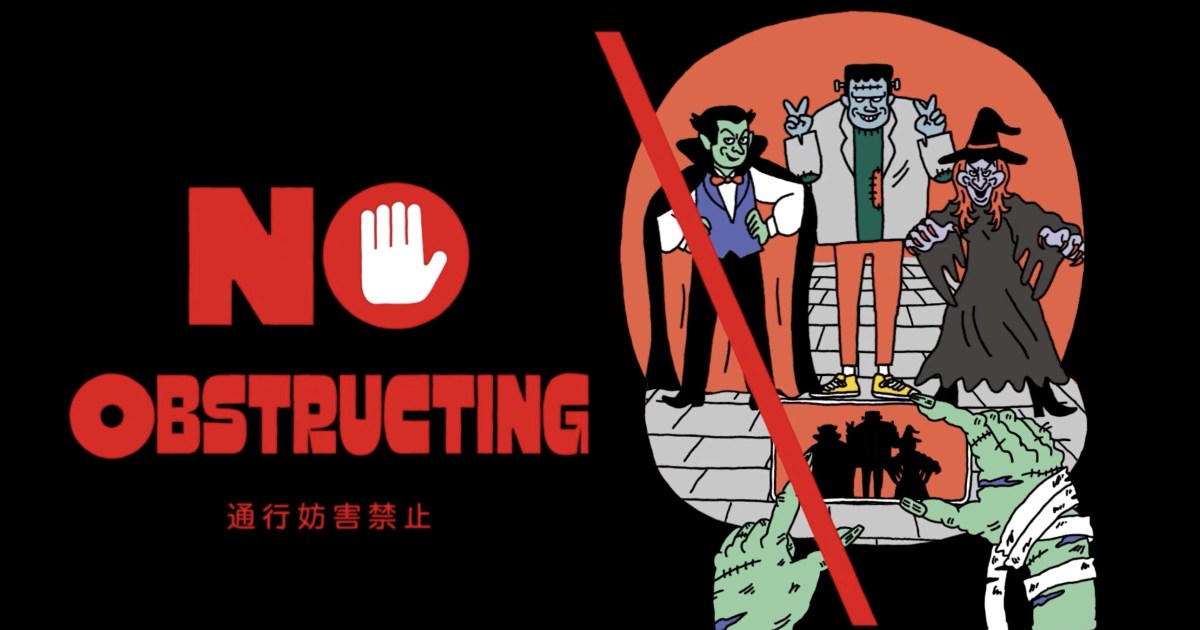
Public Awareness & Communications (14 million yen): A targeted public relations blitz, encompassing viral awareness videos, digital media campaigns, and physical signage, flags, and street banners carrying the stark "GOODBYE BAD HALLOWEEN" branding.
Rubbish Collection & Disposal (2 million yen): Funding allocated specifically for rapid cleanup operations to prevent the accumulation of festival waste, food containers, and discarded alcohol cans.
Personnel and Enforcement Metrics
The physical presence on the ground reflects a heavily fortified zone rather than a festive community event. On Halloween night, the streets of Shibuya are patrolled by a combined force consisting of:
A heavy contingent of regular Tokyo Metropolitan Police officers.
185 private security guards contracted to manage crowd flows and secure barricades.
70 municipal ward employees deployed on active patrol duty.
Furthermore, this year marks the first major Halloween deployment following the implementation of a stricter municipal ordinance introduced in June, which levies a mandatory 2,000-yen (US$13) fine for public littering in heavily touristed zones. Enforcement officers are empowered to issue these fines on the spot, shifting the city’s approach from polite requests to punitive financial penalties.
Official Statements and Strategic Vision
Despite the heavy-handed regulations, physical barricades, and zero-tolerance rhetoric, Shibuya Ward Mayor Ken Hasebe insists that the local government is not attempting to cancel Halloween entirely. Instead, the administration is seeking to redefine where and how the holiday is celebrated.
Mayor Ken Hasebe’s Stance
In press briefings leading up to the weekend, Mayor Hasebe emphasized that the issue is not the holiday itself, but rather the uncontrolled, destructive nature of street-level gatherings.
"We want people to enjoy Halloween, but the streets of Shibuya are not an all-night party venue," municipal representatives echoed in alignment with the mayor’s vision.
The official strategy is to redirect revellers away from open-air public spaces—such as the scramble crossing and narrow commercial alleys—and into regulated, indoor environments. Ward leadership has actively collaborated with local shopping district associations, commercial complexes, nightlife venues, and clubs to host ticketed or controlled Halloween events. By channeling costumed participants into enclosed spaces, the ward hopes to preserve the fun of dressing up while eliminating the risks of crowd crushes, public intoxication, and infrastructure damage.
Retailer Compliance
An essential component of the ward’s strategy relies on cooperation from the local business community. A total of 62 retail establishments in the immediate vicinity of the scramble crossing—including major convenience store chains and department stores—agreed to voluntary requests from the ward to suspend the sale of alcoholic beverages during peak evening hours on Halloween night. By cutting off the immediate supply of street-side alcohol, officials successfully crippled the impromptu drinking culture that historically fueled the worst instances of "Meiwaku Halloween" (nuisance behavior).
Future Outlook: The New Normal for Tokyo Celebrations
As the dust settles on Shibuya’s Saturday Halloween experiment, it is abundantly clear that a permanent paradigm shift has taken place. The era of the anarchic, free-for-all street party at the Shibuya Scramble Crossing is definitively over.
The combination of a permanent nighttime drinking ban, year-round littering fines, physical barrier deployment, and a massive security presence has fundamentally altered the psychological landscape of the ward during late October. What was once viewed as Tokyo’s premier youth celebration now carries the atmosphere of a heavily secured, highly scrutinized zone.
Migration to Alternative Hubs
As Shibuya successfully purges itself of rowdy street crowds, celebrants and cosplayers have increasingly migrated to alternative Tokyo neighborhoods that offer a more welcoming environment for public festivities. Districts such as Ikebukuro—famed for events like the massive Ikebukuro Halloween Cosplay Festival—have absorbed a significant portion of the displaced revellers, proving that while Shibuya has closed its doors to street parties, the broader Japanese capital continues to embrace the holiday through organized, community-backed festivals.
For international tourists and domestic partygoers alike, the lesson for future autumns is unmistakable: anyone seeking a spontaneous, open-air street bash in Shibuya will find only locked-down streets, flashing police lights, and zero tolerance. The modern face of Shibuya Halloween is orderly, expensive, quiet, and strictly regulated—a model that Tokyo authorities are likely to replicate for other major public gatherings in the years to come.










Belum ada komentar. Jadilah yang pertama berkomentar!