

Executive Overview
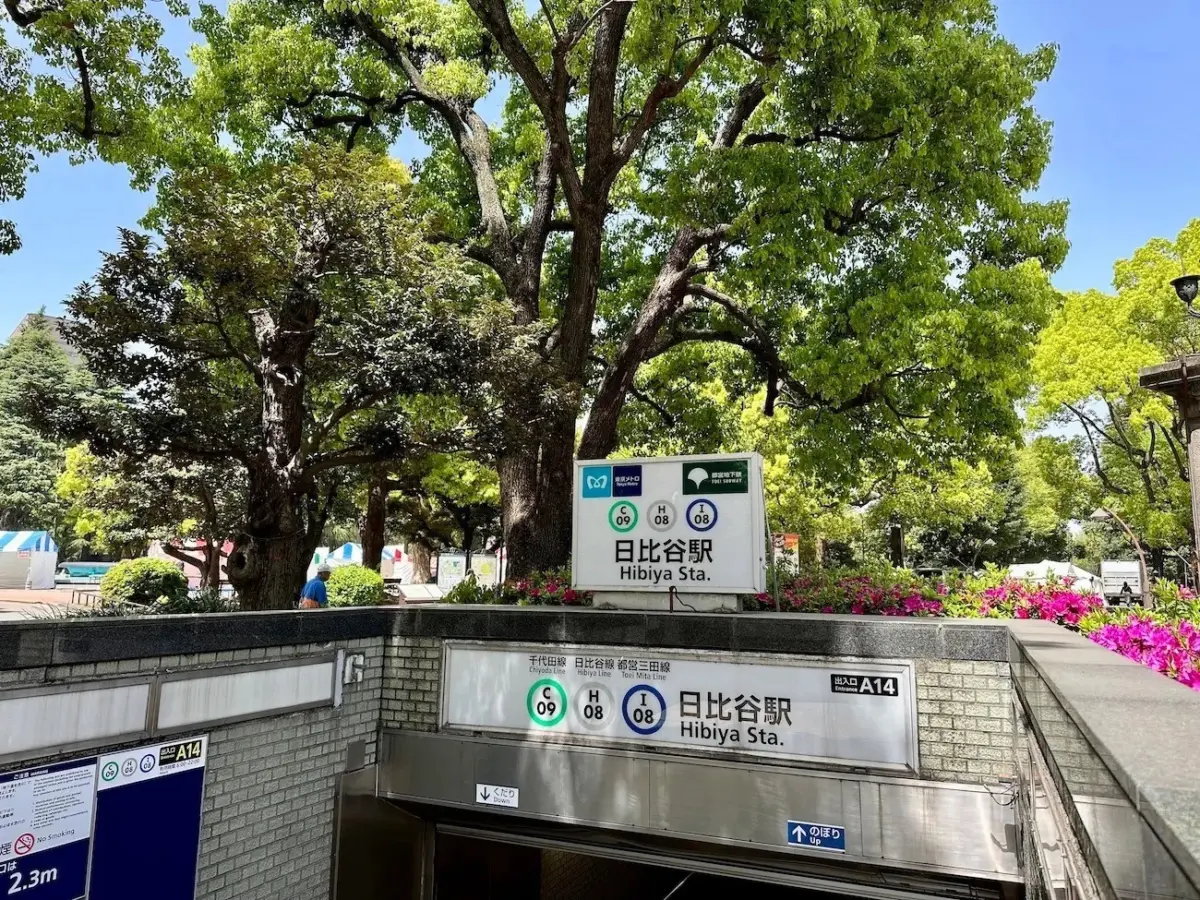
In a monumental tribute to cinematic history and pop-culture royalty, Tokyo Metro has fundamentally transformed the auditory landscape of one of its most vital transit hubs. Beginning November 3—a date universally revered by fans worldwide as "Godzilla Day"—Hibiya Station officially integrated Akira Ifukube’s legendary "Godzilla’s Theme" into its daily operations as the official train departure melody.
This ambitious sonic overhaul bridges public transit and cinematic heritage, offering commuters an unmistakable auditory experience rooted in the heart of Tokyo. Chosen to celebrate the anniversary of the original 1954 cinematic masterpiece that introduced the world to the radioactive kaiju, the initiative turns an ordinary subway commute into an immersive celebration of Japanese film culture.
Situated directly beneath the administrative epicentre of Toho, the legendary studio responsible for bringing Godzilla to life over seven decades ago, Hibiya Station is uniquely positioned to honor the King of the Monsters. Tokyo Metro’s permanent implementation of these dynamic, direction-specific musical arrangements guarantees that residents, international tourists, and die-hard kaiju devotees alike will be greeted by the triumphant and ominous brass refrains of Ifukube’s composition for years to come.
Detailed Chronology: From Celluloid Birth to Transit Iconography
The Genesis of a Legend: November 3, 1954
The historical lineage of this transit development traces back directly to November 3, 1954, the momentous day Ishirō Honda’s Godzilla premiered in Japanese theaters. Created as a terrifying allegory for nuclear devastation in the wake of World War II, the film introduced audiences to a prehistoric leviathan awakened and mutated by atomic testing.
Accompanying this cinematic terror was a musical score composed by Akira Ifukube, whose brilliant orchestration—utilizing thunderous percussion, mournful strings, and blaring brass—became just as iconic as the monster itself. "Godzilla’s Theme" evolved from a simple film cue into an international cultural touchstone, serving as a call-to-arms and a chilling harbinger of structural doom rolled into one.
Institutionalizing Godzilla Day
While fans celebrated the milestone anniversary informally for decades, the cultural significance of the date was officially codified in 2017. Toho Company Ltd. formally registered November 3 with the Japan Anniversary Association, officially establishing "Godzilla Day" as the recognized birthday of the fictional behemoth. Since then, Toho and various municipal partners have used the date to unveil major franchise announcements, merchandise, and public art installations.
The Urban Integration at Hibiya Station
The convergence of public transit and monster lore reached its apex when Tokyo Metro selected Hibiya Station for this permanent audio installation. Because Hibiya serves as the literal and figurative corporate backyard for Toho—whose global headquarters, cinemas, and commemorative statues reside in the immediate district—the station was an intuitive choice.
Rather than a temporary marketing gimmick tied to a single film release, Tokyo Metro confirmed that the Godzilla departure melodies have no expiration date. They are designed to be a permanent structural fixture of the station’s identity, welcoming travelers on the Hibiya and Chiyoda lines indefinitely.
Supporting Context & Metrics: The Soundscape and Geography of Hibiya
Musical Architecture of the Departure Melodies
In Japan’s hyper-efficient railway networks, departure melodies (hassha merodi) serve a practical purpose: they alert passengers that the train doors are about to close while maintaining a harmonious, stress-reducing atmosphere across bustling platforms. However, Hibiya Station’s new soundscape trades ambient soothing for dramatic flair.
Akira Ifukube’s original composition has been specially arranged into two distinct directional versions to prevent passenger confusion while optimizing the auditory experience:
- Platforms 1 and 3: These platforms serve Hibiya Line trains bound for Naka-meguro and Chiyoda Line trains bound for Yoyogi-Uehara. Commuters boarding here receive a specific arrangement of the iconic march.
- Platforms 2 and 4: Serving trains heading in the opposite direction toward Kita-senju and Ayase, these platforms utilize a complementary arrangement of the theme.
Despite the artistic triumph of the installation, logistical challenges remain. Tokyo Metro’s sound engineers and station management have carefully calibrated the volume levels to ensure the commanding brass sections do not interfere with safety announcements, train driver communications, or emergency broadcasts.
The Geography of Hibiya: Tokyo’s Kaiju District
To fully appreciate the gravity of Tokyo Metro’s decision, one must examine the unique geography of the Hibiya district. Long before the train station received its new soundscape, the neighborhood had already cemented itself as the undisputed stomping ground of Tokyo’s monster fandom.
- Toho Headquarters: Located mere steps from the station exits, the nerve center of Toho operations oversees the continuous expansion of the Gojira intellectual property, which now spans domestic blockbusters, Hollywood adaptations, anime series, and global merchandise lines.
- Hibiya Godzilla Square: Situated outside the Tokyo Midtown Hibiya complex, this public plaza features a prominent bronze statue of the monster, drawing daily pilgrimages from tourists and photographers.
- Toho Cinemas Hibiya: A premier multiplex that frequently hosts red-carpet premieres and retrospective screenings of classic Japanese cinema.
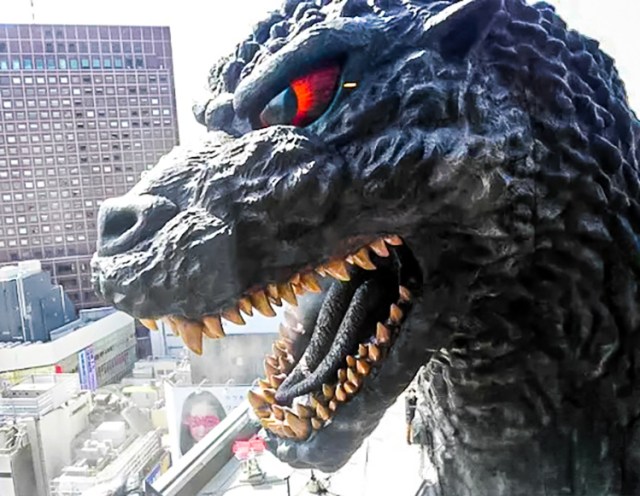
While the Hibiya statues offer stunning photo opportunities, they are dwarfed by larger-scale installations elsewhere in the metropolis—most notably the giant, roaring Godzilla bust perched atop the Shinjuku Toho Building. Nevertheless, Hibiya remains the administrative and spiritual homeland of the franchise, making the integration of the departure melody a deeply authentic urban design choice.
Official Statements and Operational Guidelines
Tokyo Metro’s Directives to Commuters
The launch of the Godzilla departure melodies has predictably sparked intense enthusiasm across social media, drawing thousands of fans, rail enthusiasts (tetsudō-fan), and musicologists to Hibiya Station. In response to the expected influx of visitors, Tokyo Metro released a series of polite yet firm operational guidelines to maintain public safety and transit efficiency.
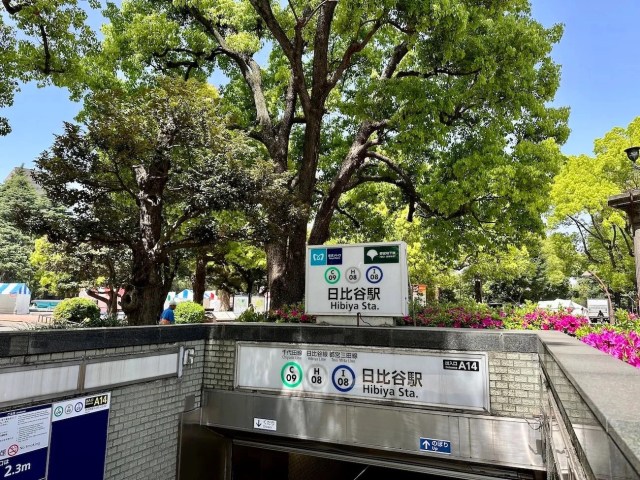
Railway operators issued a public plea asking fans to avoid lingering unnecessarily on the active station platforms. Furthermore, commuters and content creators have been explicitly requested not to crowd around station speakers to record the melodies, nor to block narrow corridors and stairwells in ways that could impede the smooth flow of daily passenger traffic.
"We are thrilled to welcome our passengers with such a historic and beloved piece of Japanese musical heritage," a Tokyo Metro spokesperson noted in preliminary announcements. "We simply ask that our patrons enjoy the experience safely and respectfully, keeping the daily commute moving smoothly for everyone."
Cultural Reception and Synergy with Recent Releases
The timing of the audio installation aligned seamlessly with major franchise milestones, including the theatrical run and home media rollout of acclaimed cinematic entries like Godzilla Minus One (referred to internationally alongside its promotional milestones). This cross-pollination between public infrastructure and cinematic marketing demonstrates a sophisticated understanding of Tokyo’s identity as a metropolis that proudly celebrates its pop-culture exports.
Music critics and urban planners alike have praised the initiative, noting that departure melodies have long served as sonic anchors for Tokyo neighborhoods—such as the Astro Boy theme at JR Shin-Okubo Station or Dragon Quest overtures at Seiseki-Sakuragaoka Station. Adding Godzilla to this pantheon elevates the king of kaiju to the level of municipal civic heritage.
Future Outlook: The Sonic Evolution of Tokyo’s Transit Network
As Tokyo continues to look toward future urban revitalization projects and cultural tourism initiatives, the integration of pop-culture soundscapes into public transportation serves as a model for modern city branding. The permanent adoption of "Godzilla’s Theme" at Hibiya Station proves that mass transit can be simultaneously hyper-efficient and deeply entertaining.
Looking ahead, transportation analysts predict that other major rail operators across Japan may seek similar collaborations to honor milestone anniversaries of historic anime, manga, and film franchises. For now, however, all eyes—and ears—remain focused on Hibiya.
For the unsuspecting salaryman rushing to catch a morning train or the dedicated cinephile making a pilgrimage to Toho’s headquarters, a journey through Hibiya Station will never be the same. As the familiar, imposing chords of Akira Ifukube’s masterpiece echo off the tile walls and train doors slide shut, passengers are reminded that in Tokyo, fantasy and reality exist in a constant, thrilling state of overlap—and that somewhere out there in the subterranean shadows, the King ofetal Monsters is always watching.









Belum ada komentar. Jadilah yang pertama berkomentar!