For nearly two decades, the display industry has marched under the banner of higher resolutions, thinner profiles, and ever-expanding color gamuts. Yet, a quiet revolution is brewing among display purists, retro gaming enthusiasts, and hardware engineers. Despite owning lightning-fast, high-refresh-rate OLED and LCD monitors that can spit out hundreds of frames per second, a vocal group of experts insists that we left something vital behind when we abandoned cathode-ray tube (CRT) monitors.
That "something" is motion clarity.
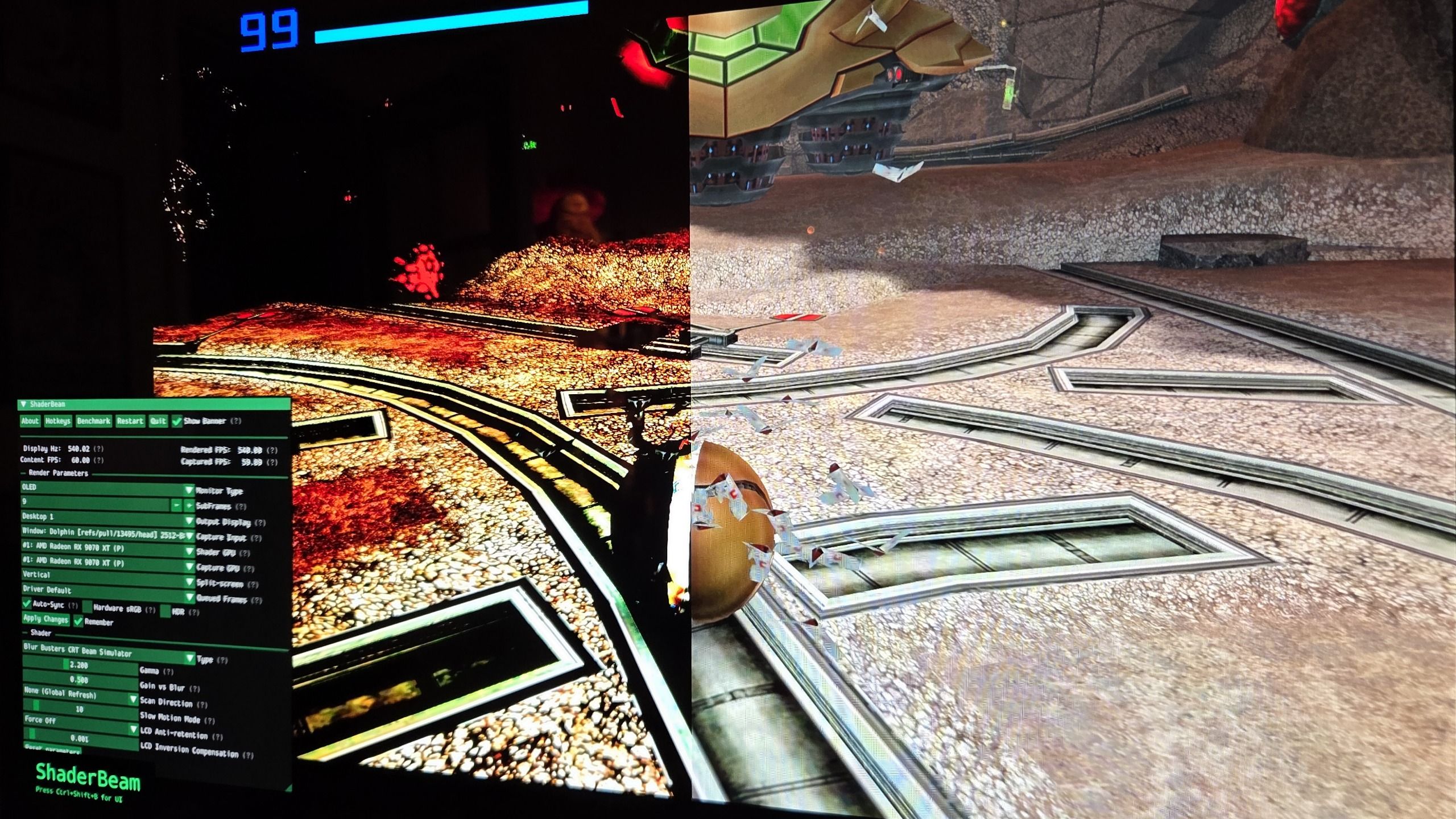
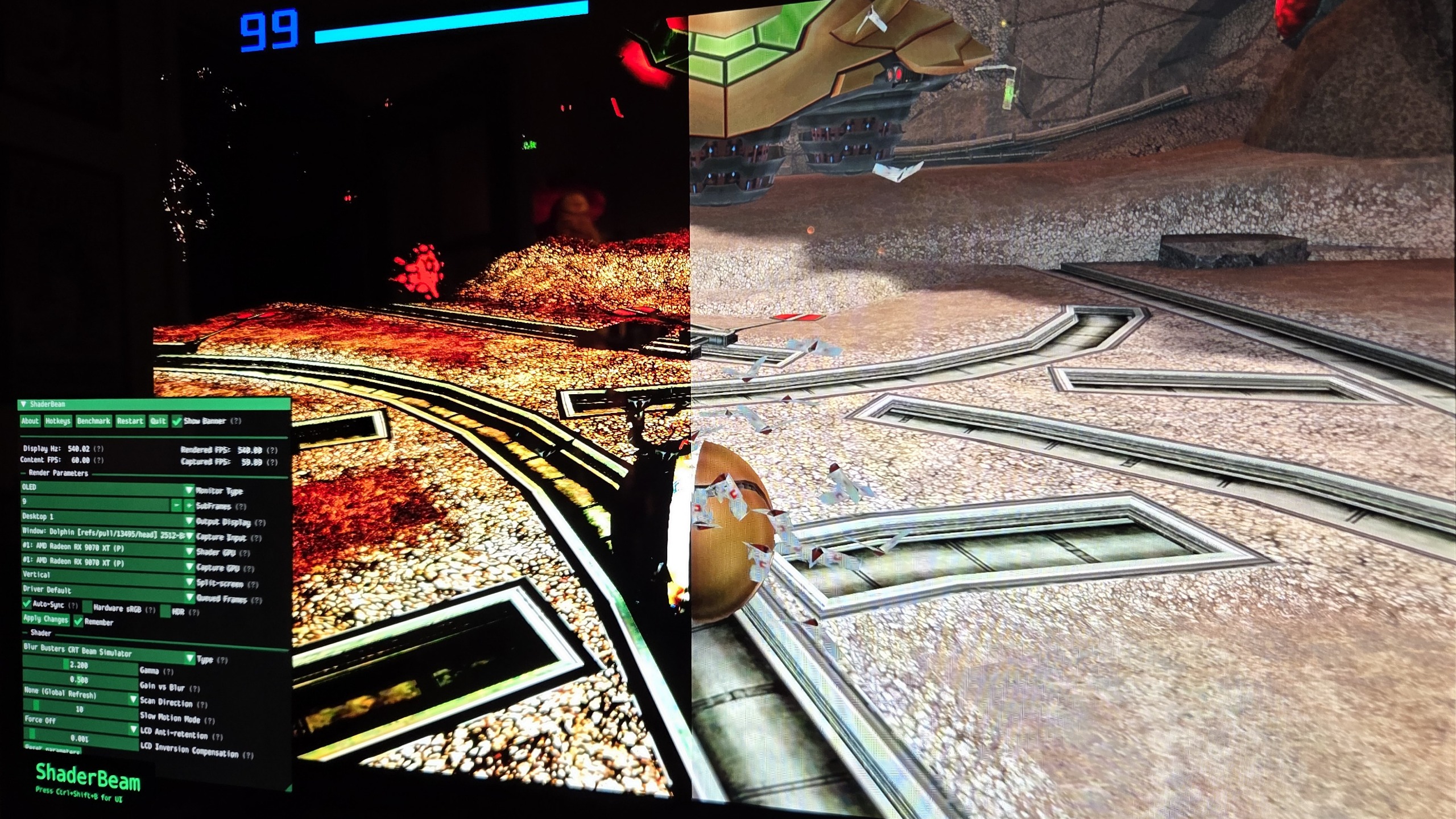
While modern panels have largely eradicated the sluggish pixel-response times and smearing issues that plagued early flat-screens, they still fall short of the instantaneous, razor-sharp motion handling native to vintage CRTs. Enter a radical new wave of software and hardware solutions—led by Mark Rejhon of Blur Busters and independent developer Mausimus—aiming to bridge this gap. Through advanced GPU shaders like ShaderBeam, display engineers are attempting to simulate the classic CRT electron beam scan and phosphor fade on modern 240Hz+ and 540Hz displays. The goal is audacious: to make a game locked at 60 frames per second look and feel as seamlessly fluid as one running at native ultra-high refresh rates, all without requiring top-tier graphics hardware like an RTX 5090.
Detailed Chronology: The Great Flat-Panel Trade-Off
To understand why modern display technology is looking backward to move forward, one must revisit the seismic shift in consumer hardware that occurred in the mid-2000s.
The High-Definition Awakening (2007)
Around the time television cultural phenomena like Lost were delivering historic plot twists, early adopters were enthusiastically shedding bulky analog monitors in favor of slim, high-definition liquid crystal displays (LCDs). A typical $1,000 investment during this era yielded a 26-inch, 1366×768 Samsung LCD—state-of-the-art for a college dorm room or a dual-purpose PC workstation.
Compared to the family PC’s old CRT monitor, these early LCDs felt futuristic. They took up a fraction of the desk space, eliminated geometric distortion, and offered sharper static text. However, they introduced a severe hidden cost: motion blur. The liquid crystals inside those mid-2000s panels took an eternity to shift from one color state to another, leaving a distinct "ghost" trail behind fast-moving images.
Over the next twenty years, the industry iterated aggressively. TN panels gave way to vastly superior IPS and VA panels, which were ultimately eclipsed by self-emissive OLED technology capable of near-instantaneous pixel switching. Today, elite gaming monitors routinely boast refresh rates of 240Hz, 360Hz, and even 540Hz.
Yet, even with these bleeding-edge specifications, motion blur has not been completely eradicated. While high refresh rates mitigate the issue by showing frames more briefly—acting much like a fast camera shutter—they demand immense computational power to generate hundreds of frames per second. Games locked at 60 Hz (a massive library encompassing retro classics, console ports, and modern titles constrained by game engines) still suffer from distinct visual degradation when the camera pans rapidly.
The Rise of CRT Simulation (Late 2024–Present)
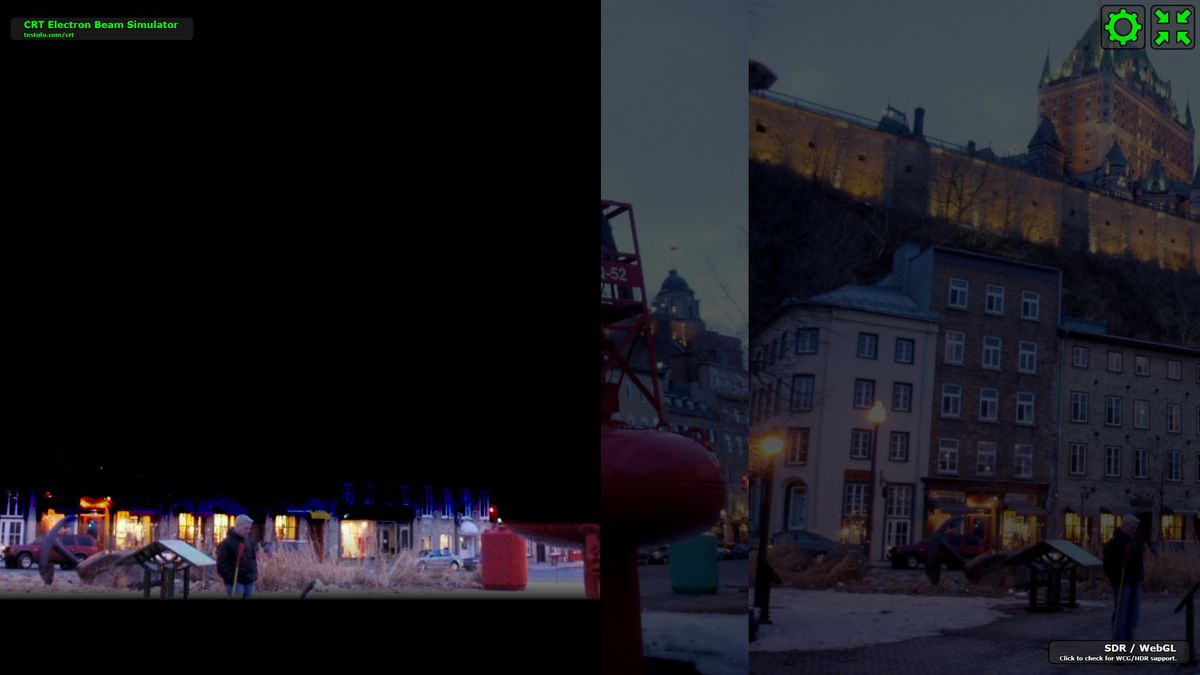
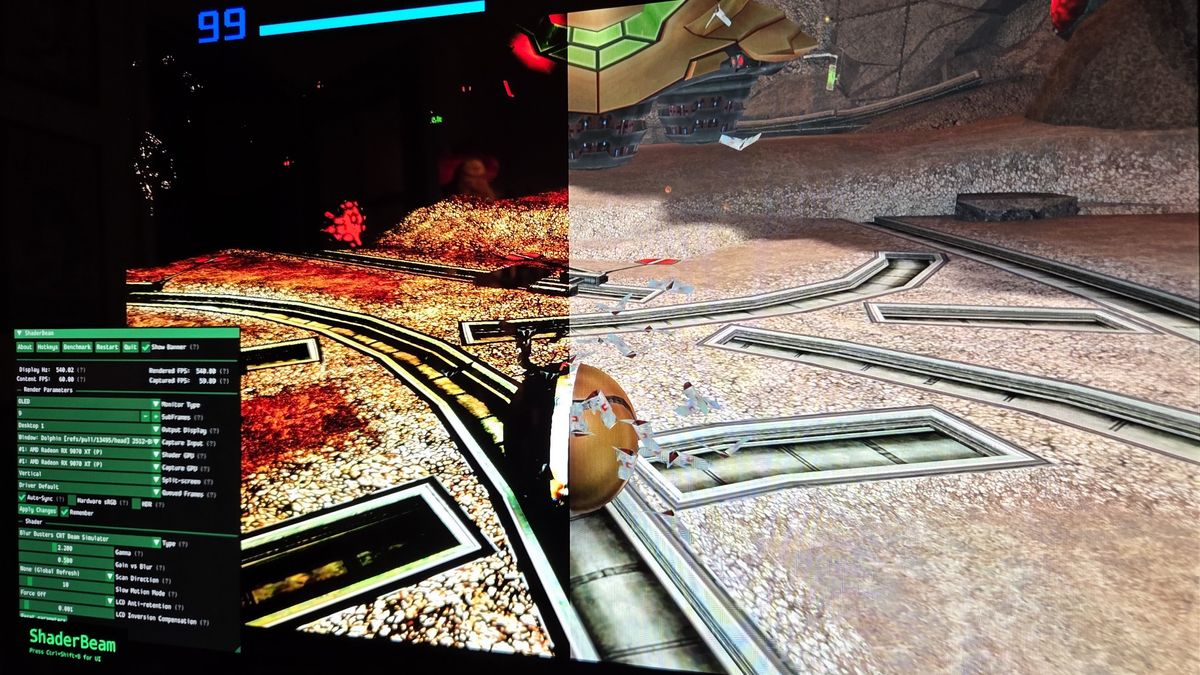
Recognizing this persistent limitation, display researchers began exploring programmatic solutions. In late 2024, Mark Rejhon of Blur Busters teamed up with former Nvidia developer Timothy Lottes to debut a breakthrough algorithm designed to simulate a CRT tube. Utilizing ultra-fast 240Hz+ displays, this algorithm drastically reduces visible motion blur for 60 Hz content. Rather than relying on harsh black frame insertion (BFI)—which flickers aggressively and strains the eyes—the new technique mathematically recreates the gentle visual "phosphor fade" and rolling top-to-bottom scan of an analog CRT tube.
Supporting Context & Metrics: Decoding the Physics of Motion
To grasp the engineering hurdle that CRT simulation overcomes, one must analyze the fundamental mechanics of how legacy and modern displays render motion.
The Two Pillars of Motion Clarity
According to Mark Rejhon, there are only two primary ways to reduce display motion blur:
Increase the Frame Rate: Pushing higher Hertz numbers displays each frame more briefly.
Flicker the Frames: Replicating the strobe effect of a CRT, where pixels glow brightly for a fraction of a millisecond (often less than 1/1000th of a second) and then fade.
Crucially, CRTs achieved exceptional motion clarity using the second method without needing high frame rates. Because an electron beam physically scanned down the screen line by line, illuminating phosphors that immediately began to decay, the human eye perceived continuous, crystal-clear motion even at standard 60 Hz speeds.
The display industry has attacked this problem from both sides:
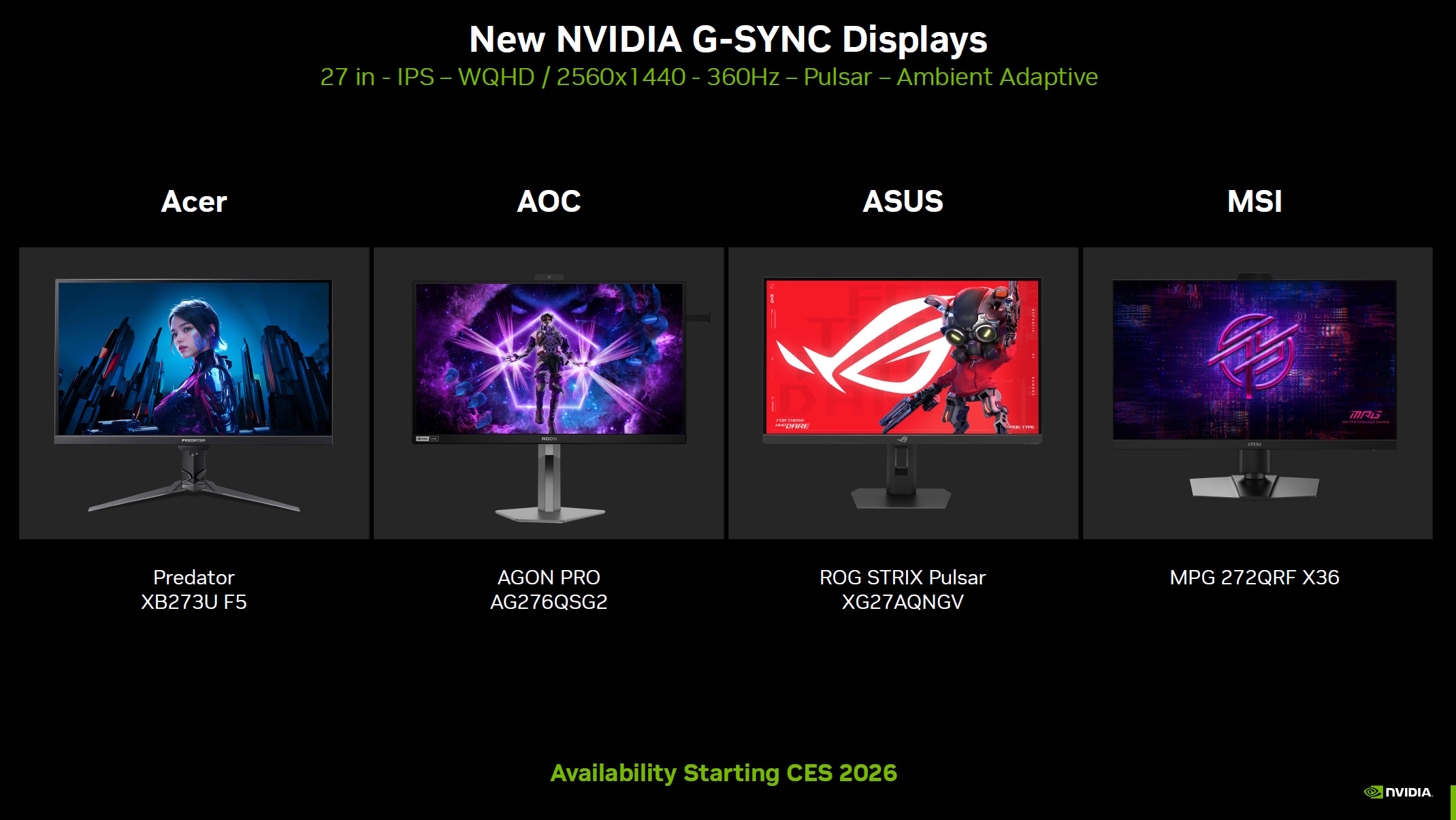
Hardware Solutions: Nvidia’s G-Sync Pulsar technology, integrated into select gaming monitors, combines variable refresh rate (VRR) technology with backlight strobing and a rolling top-to-bottom refresh cycle. The result is a "perceived clarity" threshold of 1,000 Hz, though the technology remains hardware-locked to Nvidia GPUs and is not yet available on OLED panels.
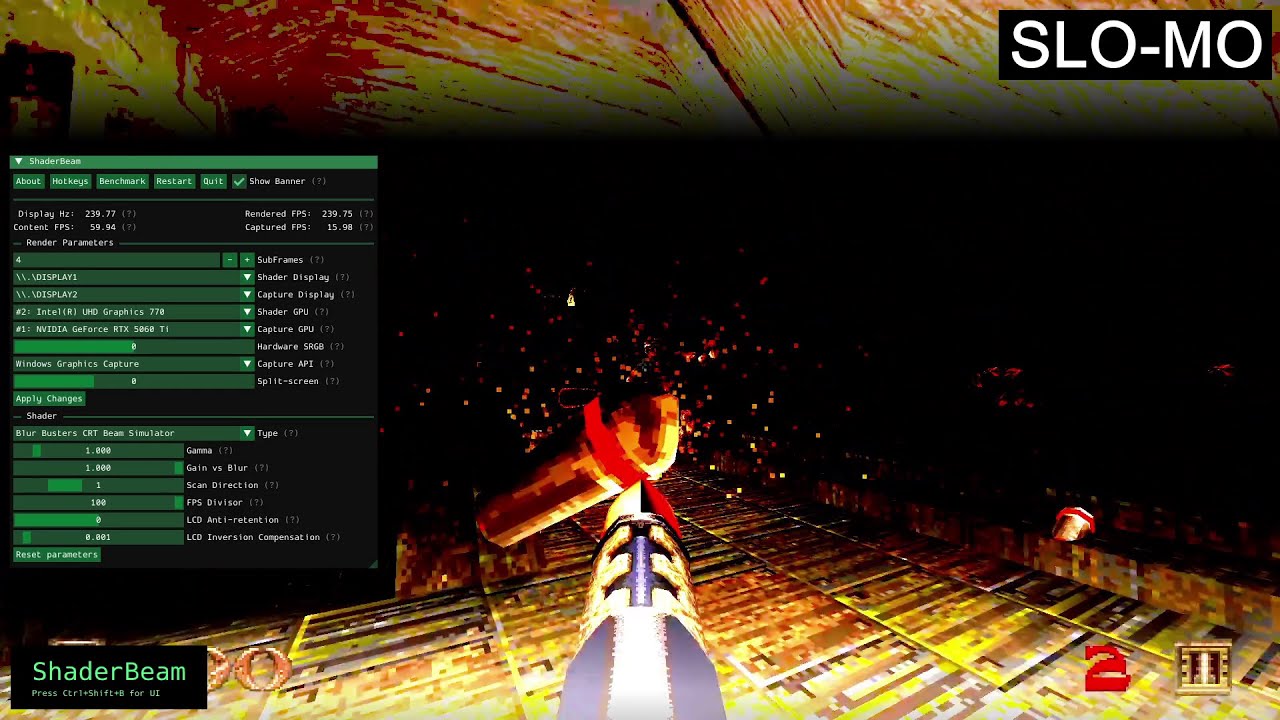
Software Solutions: Independent tools like ShaderBeam bring CRT simulation to the desktop via GPU shaders. By intercepting or overlaying content windows, these shaders mimic the electron beam scan, allowing intricate environmental textures—such as the complex columns in Quake or the fast-moving factories in Factorio—to remain pin-sharp during rapid camera movements rather than dissolving into an indistinct smudge.
Official Statements & Expert Insights
The pursuit of CRT-level clarity is fraught with engineering complexities, requiring deep cooperation between operating systems, graphics card manufacturers, and display makers.
Mark Rejhon emphasizes the psychological divide in the tech community regarding display performance:
"People older than 40 will generally remember the motion clarity of CRTs, while younger people who’ve never seen a CRT will not remember."
Rejhon points out that while traditional 60 Hz Black Frame Insertion (BFI) causes noticeable harsh flickering, CRT simulation relies on a gentler physiological trick:
"CRT simulation is much gentler for 60 fps content, because of phosphor fade & rolling scan. Some light is emitted somewhere else on the screen all the time."
However, implementing this outside of native hardware pipelines is an uphill battle. Developer Mausimus, creator of the ShaderBeam utility, highlights the immense difficulty of running advanced beam simulations on modern operating systems:
"The ideal application of beam simulation technology requires perfect synchronization with both the display… and input content. It’s at the mercy of opaque scheduling algorithms built into the OS and GPU drivers, hoping it can eke out enough resources to maintain its timing."
Mausimus notes that achieving optimal performance often requires unconventional workarounds, such as splitting rendering workloads across dual GPUs (utilizing an integrated processor GPU for the shader while the discrete GPU renders the game) to prevent frame pacing desynchronization.
Future Outlook: The Road to Native Integration
Right now, running tools like ShaderBeam remains an enthusiast-tier endeavor. It demands specialized hardware—such as the 540Hz ASUS ROG Swift OLED PG27AQWP-W—alongside meticulous configuration, disabled VRR settings, registry tweaks, and priority process management to avoid stuttering or visual tearing. For the average consumer, these makeshift workarounds involve far too much friction to justify widespread adoption.
Yet, pioneers like Rejhon and Mausimus view current software experiments merely as proof-of-concept advocacy. The ultimate horizon for display technology lies in native system-level support.
Through initiatives like the Blur Busters Open Source Display Shaders Initiative, the long-term goal is to embed shader hooks directly into operating systems and integrate advanced video-processing pipelines into the display hardware of the 2030s. If Microsoft, AMD, Nvidia, and major panel manufacturers eventually choose to build rolling-scan CRT simulation directly into the pipeline between the .exe and the screen, the results could be transformative.
Gamers may no longer need an exorbitant, ultra-high-end graphics card merely to eliminate motion blur in locked-framerate titles or beloved 60 Hz classics. Instead, by unlocking the perceptual clarity of analog tech within digital displays, the industry may finally complete its full-circle journey—proving once and for all that sometimes, in order to move forward into the future of gaming, we have to go back.











Belum ada komentar. Jadilah yang pertama berkomentar!