

Executive Overview
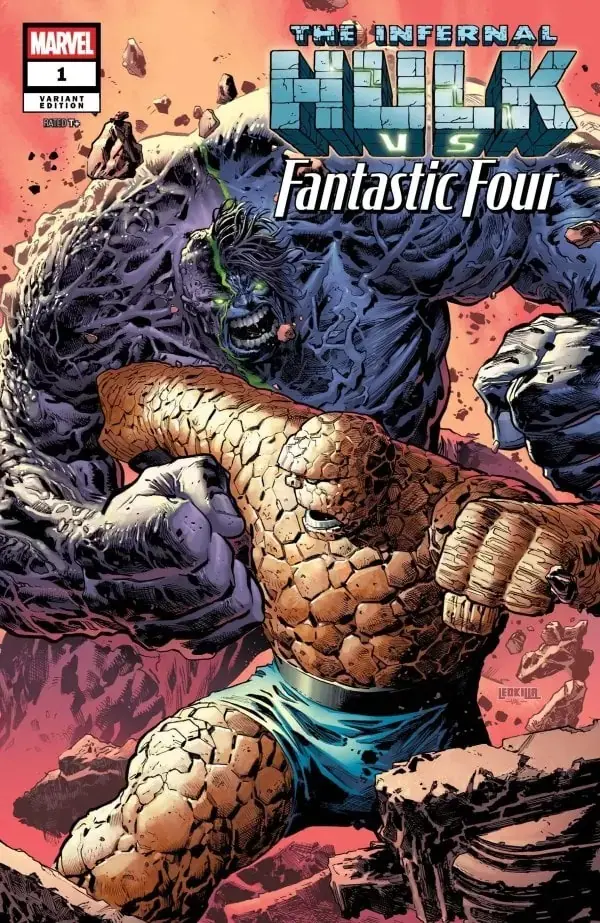
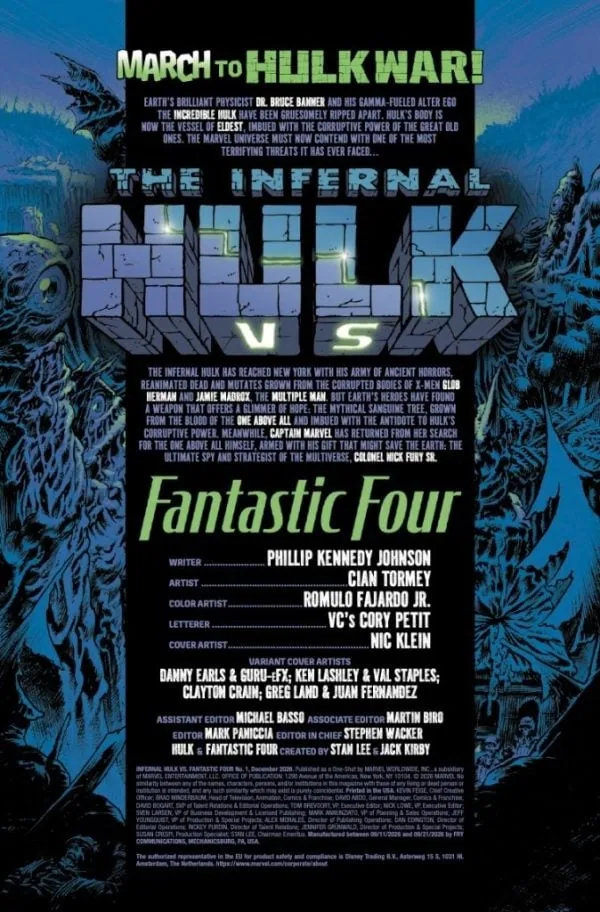
The Marvel Universe stands on the precipice of a supernatural cataclysm as one of its most destructive entities sets his sights on its premier scientific dynasty. This Wednesday, comic shops and digital storefronts will welcome the debut of Infernal Hulk vs. Fantastic Four #1, a high-stakes crossover event that promises to redefine the boundaries between cosmic science and dark mysticism. Authored and illustrated by top-tier industry creators, this premiere issue plunges New York City into an immediate state of emergency, trapping Marvel’s First Family in a desperate struggle for survival against a corrupted Goliath.
At the heart of the conflict is a high-concept collision of technological brilliance and otherworldly horror. The Infernal Hulk—a terrifying, corrupted iteration of the Jade Giant—has pinpointed his ultimate strategic objective: the "Immaculate Engine," a secretive, supernatural device housed deep within the confines of the Baxter Building. Conceived by Reed Richards, this mysterious apparatus possesses the unprecedented capacity to obliterate the Hulk’s advancing army in a single, decisive blow.

However, wielding such a weapon comes with catastrophic risks. As the Infernal Hulk breaches Manhattan’s defenses, the Fantastic Four must confront not only a brute force of unimaginable proportions, but also a deeply psychological and corruptive power. The central dramatic question driving this narrative is as harrowing as it is urgent: Can Reed Richards, Susan Storm, Johnny Storm, and Ben Grimm successfully harness the Immaculate Engine to save Earth, or will they succumb to the monster’s influence and be transformed into his next monstrous recruits for the "Infernal Avengers"? Priced at $4.99 and slated for release on October 14th, this explosive first issue serves as a linchpin for Marvel’s autumn publishing slate, setting a dangerous new precedent for what happens when science fails against raw, supernatural malice.
Detailed Chronology of the Conflict
The Genesis of the Incursion
The events leading up to Infernal Hulk vs. Fantastic Four #1 trace their origins back to a slow-burning destabilization of the mystical fabric within the Marvel Universe. Long recognized primarily as a creature born of gamma radiation and atomic science, the Hulk’s recent encounters with dark dimensions and infernal planes have unlocked a terrifying new facet of his persona. No longer just a manifestation of repressed rage and mortal trauma, this "Infernal" variant acts as a conduit for otherworldly entities, commanding a legion of twisted combatants that blur the lines between demonic possession and gamma mutation.
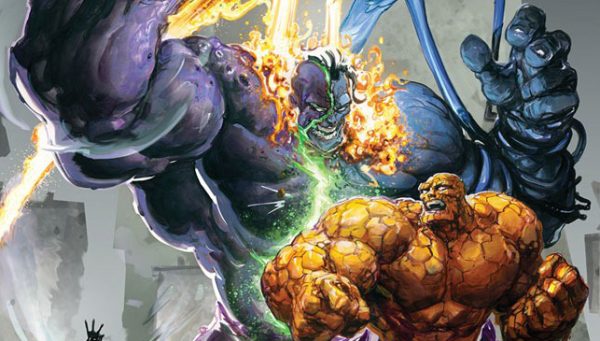
Intelligence gathered from deep within the Marvel continuity indicates that the Infernal Hulk’s campaign was not born of random destruction. Instead, it is a calculated military campaign. Recognizing the existential threat posed by Earth’s premier scientific minds, the Hulk’s forces systematically neutralized magical and technological early-warning systems across the globe, culminating in a direct, unannounced blitz on New York City. The city streets, usually bustling with everyday life, have transformed into a war zone choked with sulfurous smoke and echoing with the heavy, ground-shaking footsteps of an unstoppable force.
The Baxter Building Breach
The narrative core of issue #1 centers on the immediate aftermath of the invasion’s vanguard reaching Manhattan’s commercial center. Rather than targeting civilian infrastructure or government outposts, the Infernal Hulk bypasses conventional tactical objectives, driving straight toward the heart of the Four Freedoms Plaza and the Baxter Building.
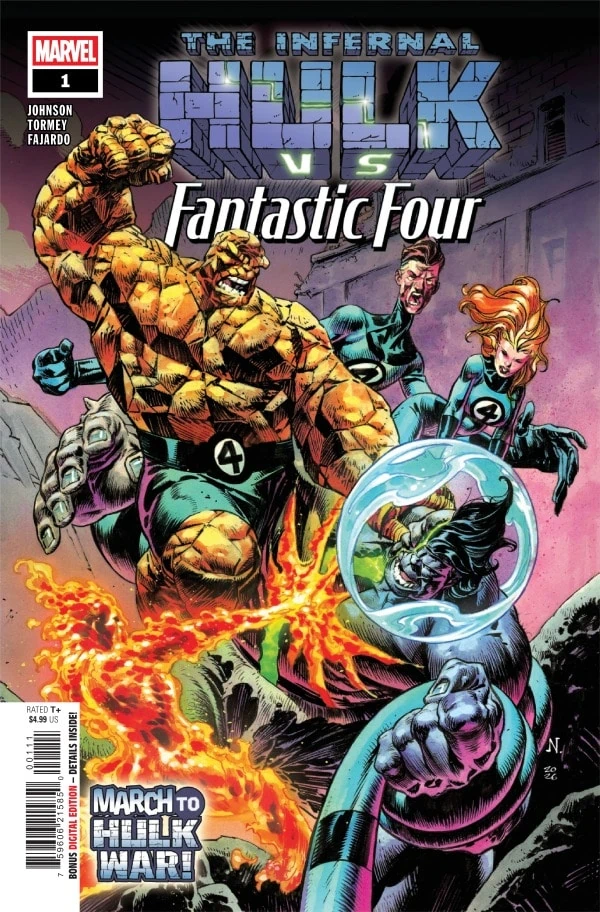
Reed Richards, operating from his primary laboratory, had long anticipated various extinction-level scenarios, developing contingency plans ranging from alien armadas to reality-warping incursions. Yet, the Immaculate Engine represents something entirely outside his standard parameters. Designed as a synthesized fusion of theoretical quantum physics and esoteric metaphysical principles, the device was constructed in absolute secrecy. It operates on the premise of channeling ambient mystical energy and converting it into a localized, anti-supernatural shockwave.
As the Infernal Hulk scales the exterior of the Baxter Building, shattering reinforced security glass and brushing off the automated defense systems with contemptuous ease, the Fantastic Four are forced into a chaotic scramble. The initial confrontation in the lobby laboratories establishes the brutal stakes of the issue: standard tactical approaches are entirely useless. The Thing’s brute strength, long considered a match for the standard Hulk, is immediately tested and found wanting against an adversary imbued with supernatural corruption. Meanwhile, the Human Torch’s plasma-based attacks are smothered not by lack of oxygen, but by an oppressive, suffocating aura that seems to chill the very ambient heat of the room.
Supporting Context & Metrics
Analyzing the "Immaculate Engine"
To truly understand the narrative gravity of Infernal Hulk vs. Fantastic Four #1, one must examine the speculative physics and narrative utility of the Immaculate Engine. Within the fictional continuity of Marvel Comics, Reed Richards has frequently flirted with the intersection of science and magic—most notably through his intermittent collaborations with Doctor Strange and Victor von Doom. However, the Immaculate Engine is his most radical venture into the occult sciences to date.
+-----------------------------------------------------------------+
                 THE IMMACULATE ENGINE: METRICS
+-----------------------------------------------------------------+
| Component             | Function & Specification                |
+-----------------------------------------------------------------+
| Power Source          | Converted ambient metaphysical energy   |
| Primary Objective     | Eradication of supernatural armies      |
| Risk Factor           | High psychological/physical corruption  |
| Deployment Location   | Sub-basement laboratory, Baxter Building|
+-----------------------------------------------------------------+
As detailed in promotional previews and early teaser pages, the engine resembles a complex amalgamation of traditional circuitry and glowing, non-Euclidean geometries. It does not run on electricity or fossil fuels; instead, it taps into ley lines running directly beneath Manhattan. When activated, it is theoretically capable of projecting a frequency that unlinks supernatural entities from their physical anchors on Earth.
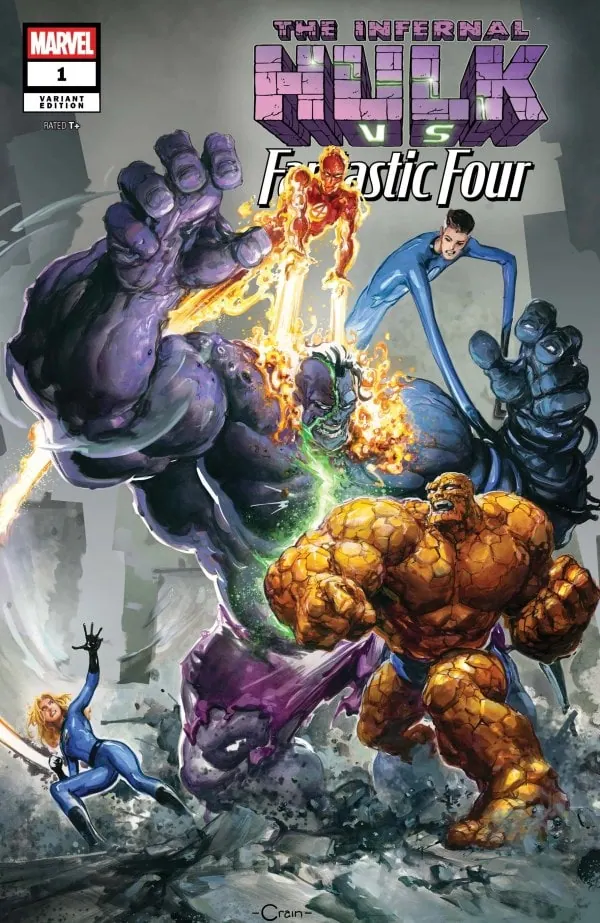
The catch, however, lies in its operational requirements. To fire the engine safely, the operator must maintain absolute psychological equilibrium while interfacing directly with a machine that feeds on raw emotion. Given the Infernal Hulk’s ability to project waves of corruption and despair, maintaining that equilibrium while the monster pounds at the laboratory doors becomes an almost impossible trial for the Fantastic Four.
Publishing Context and Market Positioning
From a market research perspective, Infernal Hulk vs. Fantastic Four #1 arrives at a fascinating juncture for Marvel’s editorial strategy. Over the past twenty-four months, Marvel has leaned heavily into high-concept, genre-blending miniseries that cross traditional character boundaries. By combining the psychological horror elements of recent Hulk runs with the classic, high-stakes family dynamic of the Fantastic Four, editorial is capitalizing on two distinct reader demographics.
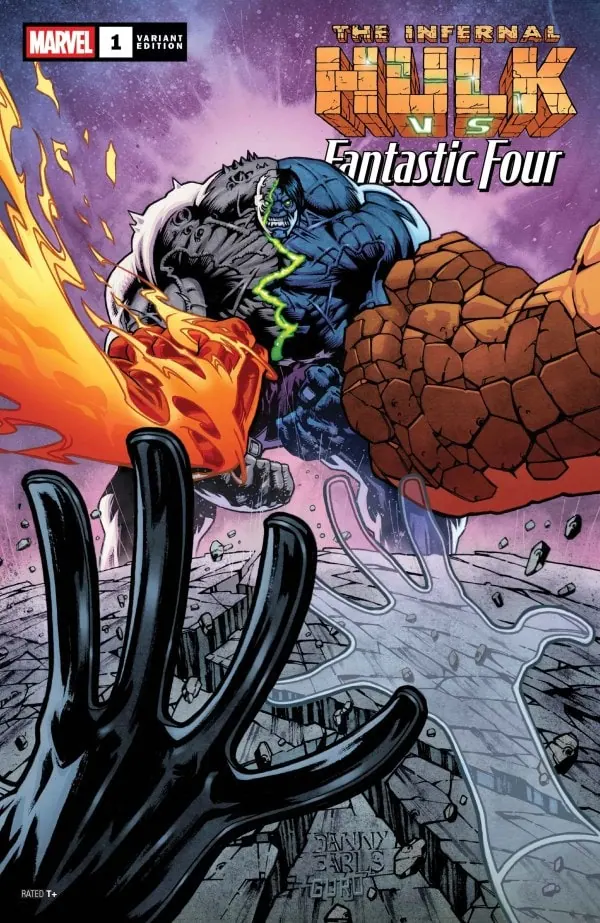
Priced competitively at $4.99 for a standard first-issue page count, the book is positioned as both an accessible jumping-on point for new readers and a deeply rewarding payoff for long-time continuity enthusiasts. Industry analysts project strong initial pull-list numbers, driven largely by the sheer visual contrast between the bright, optimistic aesthetic of the Fantastic Four and the grim, hellish redesign of the Hulk’s forces.
Official Statements and Creative Insights
While full narrative spoilers remain tightly guarded ahead of Wednesday’s release, the creative team behind Infernal Hulk vs. Fantastic Four #1 has offered tantalizing glimpses into their collaborative process and thematic goals.
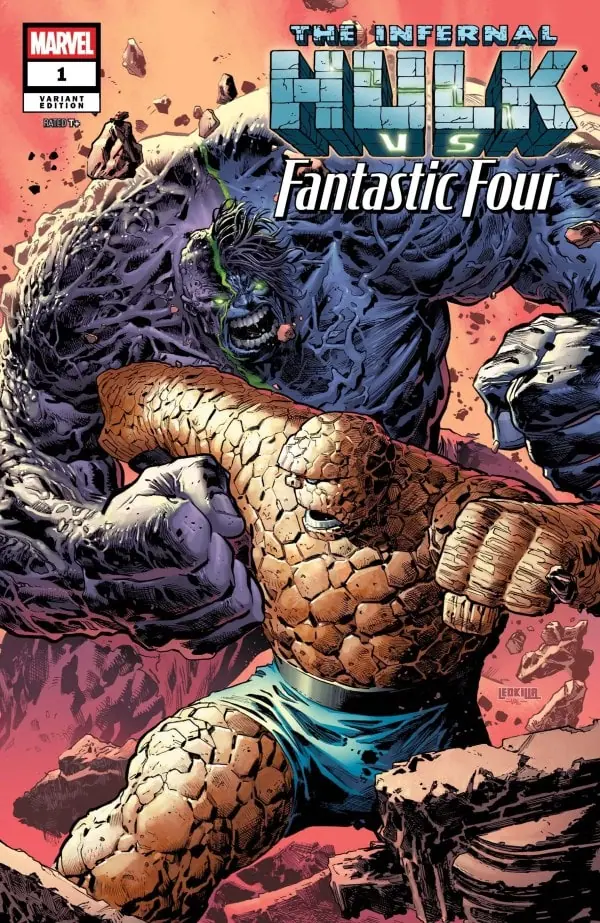
In recent editorial roundtables, the writers emphasized that this conflict is fundamentally about the clash of worldviews. "The Hulk has always represented the primal, uncontrollable Id of the Marvel Universe, while Reed Richards is the ultimate embodiment of the Superego—rational, analytical, and constantly trying to impose order on chaos," notes a source close to the creative development. "When you introduce the ‘Infernal’ element, you’re essentially asking what happens when rationality tries to dissect and destroy a nightmare that defies the laws of physics."
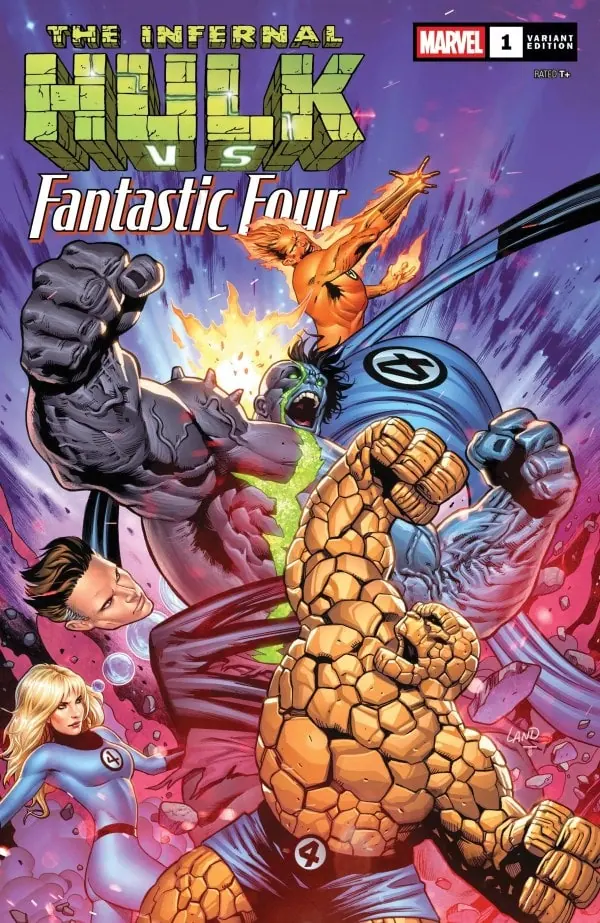
Furthermore, the artistic direction of the series has drawn considerable praise from early reviewers. The visual juxtaposition of the Baxter Building’s sleek, futuristic interiors against the visceral, grotesque aesthetic of the Infernal Hulk’s horde creates an ongoing tension on every page. The artists have utilized stark color palettes—contrasting cold blues and pristine whites of Reed’s laboratory equipment with the sickening greens, purples, and hellfire oranges of the invaders—to visually reinforce the ideological battle taking place.
Future Outlook
As the dust settles on what promises to be a devastating opening salvo, the implications of Infernal Hulk vs. Fantastic Four #1 will undoubtedly ripple across the broader Marvel landscape for months to come. The fate of the Immaculate Engine hangs in the balance, and its potential activation—or destruction—will alter the balance of power between science and mysticism in the Marvel Universe indefinitely.
If the Fantastic Four successfully defend their home and purge the city of the Infernal Hulk, it will stand as a monumental triumph of intellect over primordial chaos. Yet, the promotional teases of an "Infernal Avengers" roster loom large. Should Reed, Sue, Johnny, or Ben fall to the monster’s corruptive influence, the consequences will not merely be local to New York; they will unleash a vanguard of corrupted heroes equipped with cosmic-level abilities upon a defenseless globe.
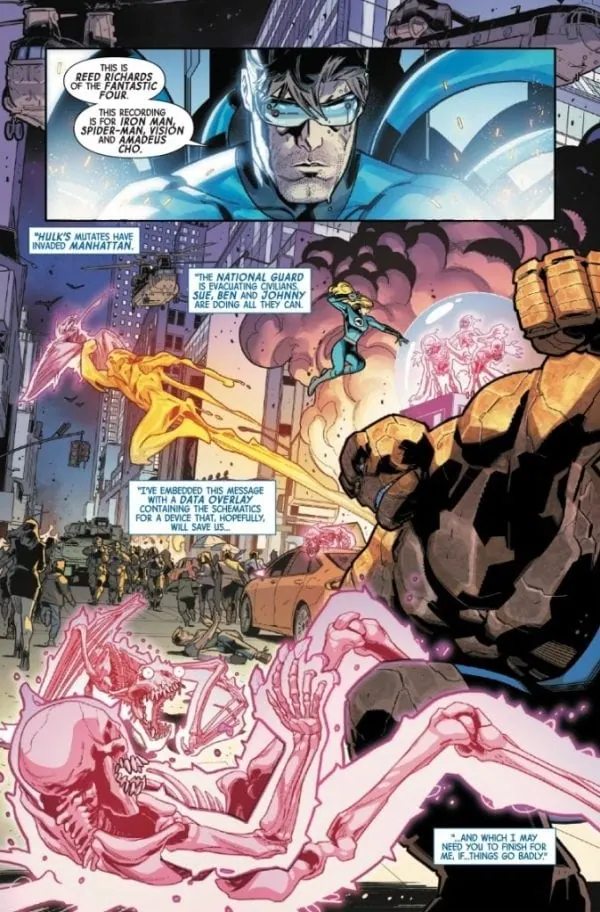
Fans and collectors can secure their copies when Infernal Hulk vs. Fantastic Four #1 officially hits comic book specialty stores and digital distribution platforms this Wednesday, October 14th, at the cover price of $4.99. As the countdown to release day ticks down, one truth remains abundantly clear: Manhattan will never be the same.









Belum ada komentar. Jadilah yang pertama berkomentar!