

Executive Overview
In Japanese culture, the appreciation of food extends far beyond flavor profiles, nutritional metrics, and gastronomic utility. A profound philosophical emphasis is placed on visual presentation—the culinary arts are expected to engage the eye just as deeply as the palate. Because traditional confections and discretionary sweets are consumed primarily for sensory enjoyment rather than basic sustenance, achieving a dual harmony of taste and appearance represents the pinnacle of culinary craft.
This guiding principle has recently crossed the threshold from the dining table into the living room. Major Japanese housewares and furniture retail chain Nitori has unveiled an inventive expansion of its popular Mochimochi Cushion line. By translating the iconic aesthetics of wagashi (traditional Japanese confections) and related sweet treats into squeezably soft, highly tactile home accessories, the brand has proposed a compelling design philosophy: if traditional sweets are visually charming enough to elevate a dining experience, they should possess an equal capacity to enhance domestic interior spaces.
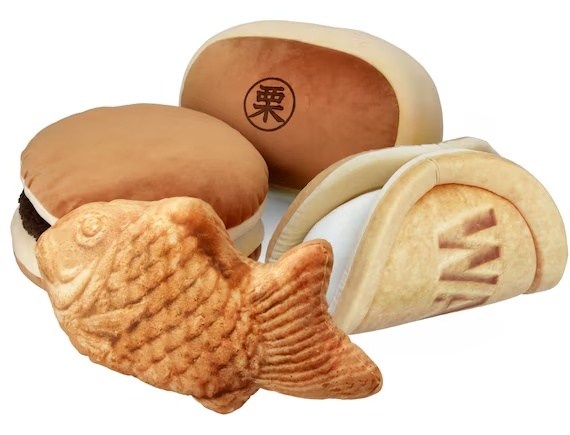
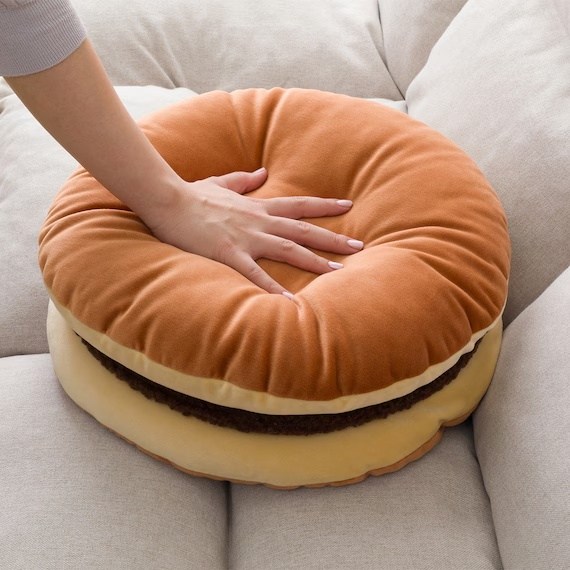
The expanded collection features hyper-realistic, plush iterations of beloved Japanese treats, including the fish-shaped taiyaki, the sandwich-style dorayaki, the chestnut-stamped kuri manju, and the Japanese-style folded waffle. Combining whimsical design with ultra-plush engineering, these items have rapidly captured the public imagination, bridging the gap between whimsical novelty items and functional, high-comfort home decor. This report provides a comprehensive examination of Nitori’s new cushion line, analyzing its cultural roots, manufacturing design choices, pricing structures, and the broader trend of comfort-driven consumer goods in contemporary Japan.
Detailed Chronology & Product Evolution
The journey of Nitori’s Mochimochi Cushion series into the realm of confectionery-inspired home furnishings did not happen overnight. It represents a deliberate evolution in product development, tracking consumer preferences for stress-relief items, tactile home goods, and "kawaii" (cute) interior aesthetics that still maintain practical functionality.
Foundations: The Introduction of Dorayaki and Kuri Manju
Long before the recent media buzz surrounding the latest additions, Nitori established a strong foothold in the novelty cushion market by introducing select dessert-themed home goods. Among the earliest pioneers in this specialized lineup were the dorayaki cushion and the kuri manju cushion.
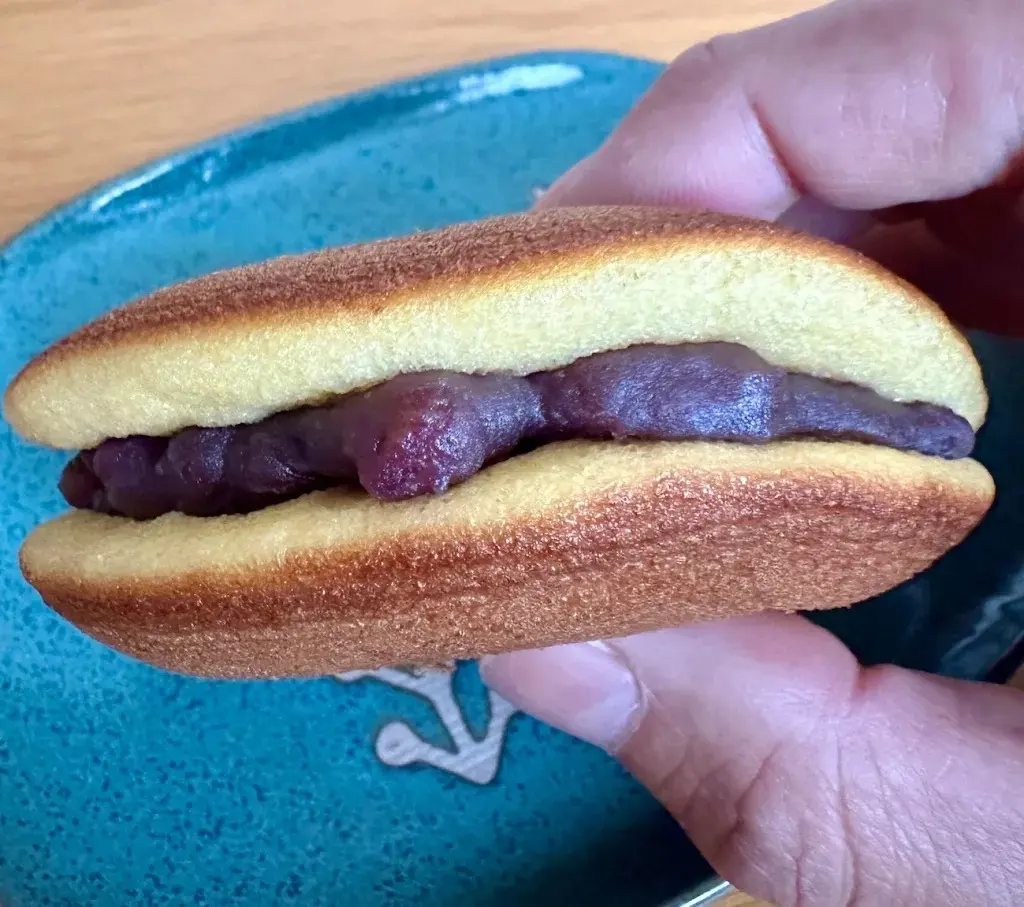
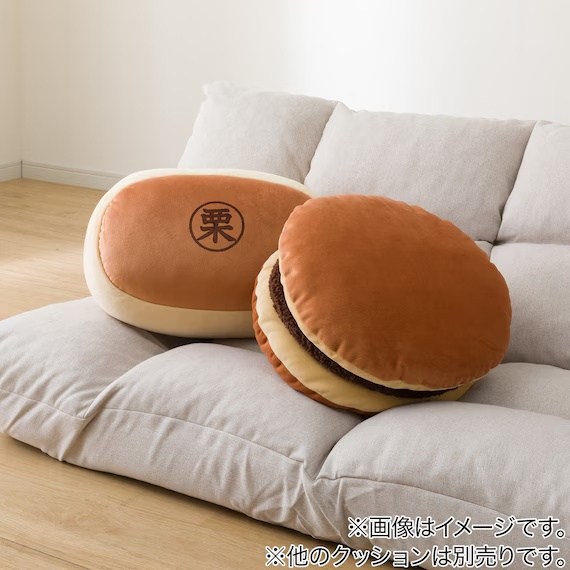
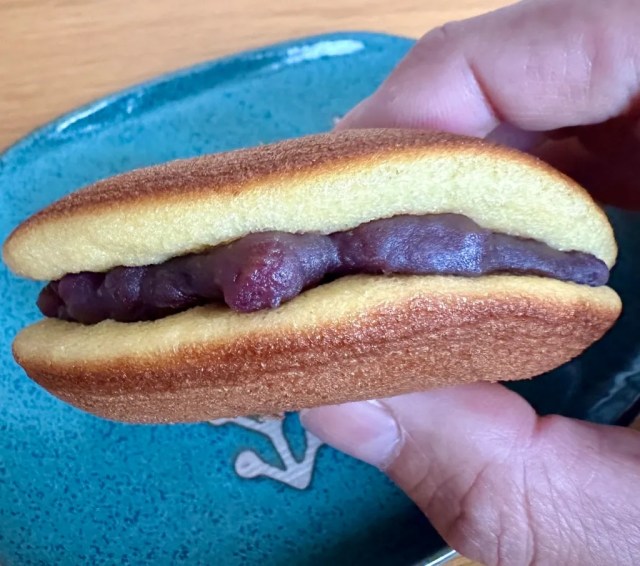
- The Dorayaki Inspiration: Dorayaki is a legendary Japanese confection consisting of two small, honey-flavored pancake-like patties wrapped around a generous core of sweet azuki red bean paste. Nitori’s design team meticulously studied the golden-brown, lightly speckled exterior of the classic pastry, replicating its curved edges and pillowy dimensions. The resulting cushion successfully mimics the sandwiched appearance of the sweet without losing the structural integrity required for a functional couch accessory.
- The Kuri Manju Inspiration: Following closely behind was the kuri manju, a traditional steamed or baked cake featuring a chestnut (kuri) filling. Authentic kuri manju typically exhibit an oblong shape, a glossy baked crust, and the branded kanji character for chestnut (栗) seared directly into the dough. Nitori’s designers embraced these precise design cues, manufacturing a plush version complete with the characteristic oblong silhouette and the signature sear mark, creating a product that looks remarkably convincing when placed next to its edible counterpart.
Expansion: The Arrival of Taiyaki and Waffle Cushions
Building upon the steady commercial success of these initial dessert items, Nitori significantly expanded the Mochimochi Cushion catalog by introducing two highly anticipated additions: the Taiyaki Mochimochi Cushion and the Waffle Mochimochi Cushion.
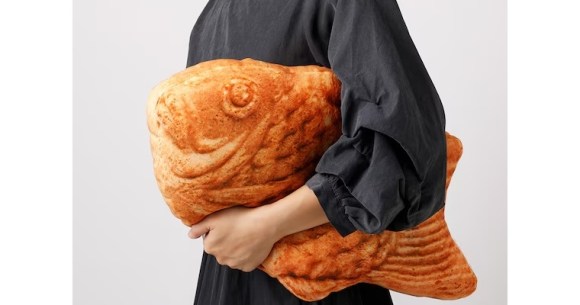
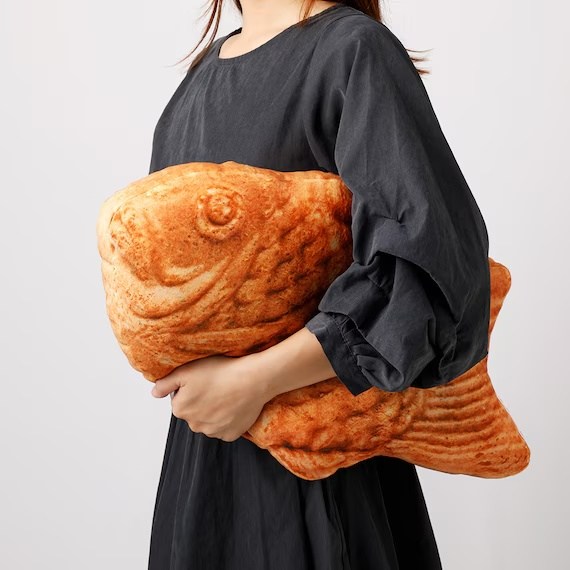
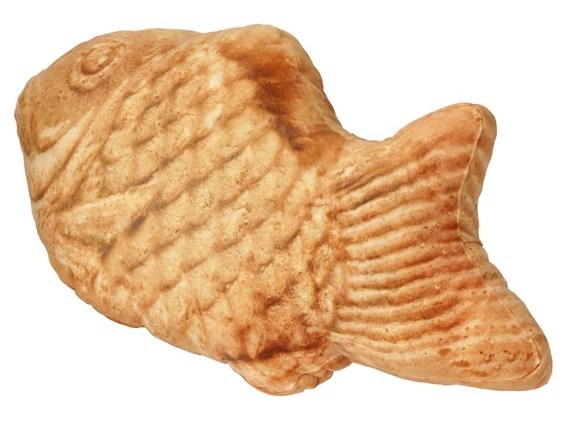
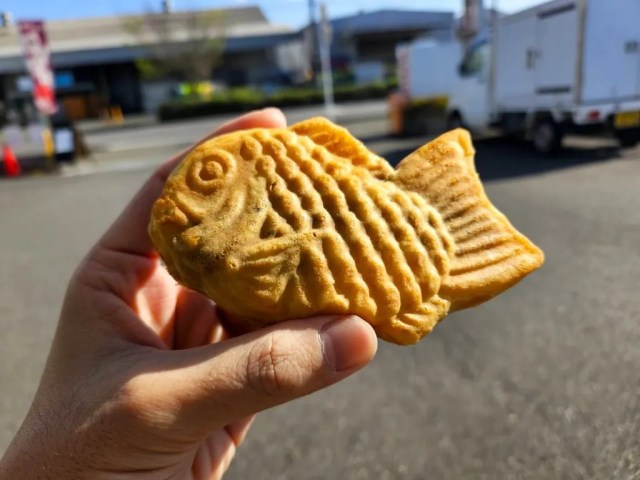
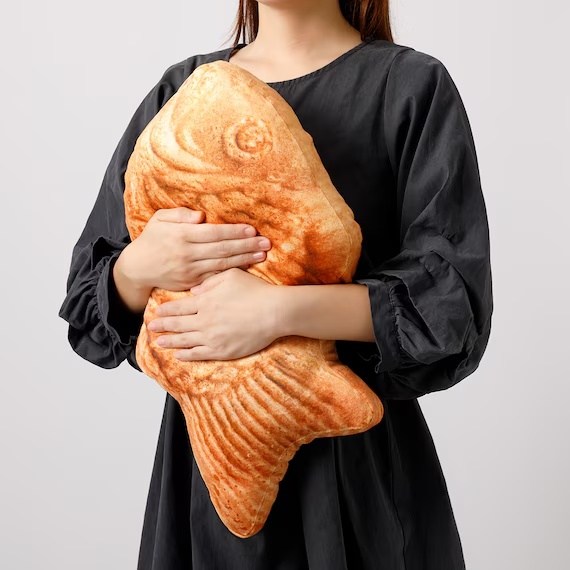
- The Taiyaki Addition: The taiyaki—literally translating to "baked sea bream"—is perhaps one of Japan’s most universally recognized street foods and traditional sweets. Baked in custom iron molds that shape batter and sweet filling into an ornate fish, the taiyaki demands intricate detailing to look authentic. Nitori’s design and development division rose to the challenge, engineering a cushion that replicates the scaly texture, fin placement, and characteristic tail of the fish. Released at an accessible price point of 1,490 yen (approximately $9.40 USD), the taiyaki cushion quickly became the standout star of the new wave.
- The Waffle Addition: The introduction of the waffle cushion introduced a fascinating cross-cultural dialogue. While classic Western waffles are typically crisp, flat-grid pastries served with heavy syrups and cutlery, the Japanese culinary landscape adapted the concept into something distinct. In Japan, waffles are frequently smaller, softer, folded creations stuffed with whipped cream, custard, or azuki paste. By interpreting this softer, localized style of waffle into cushion form, Nitori bridged Western baking tropes with Japanese comfort sensibilities, rounding out a lineup of four distinct dessert cushions.
Supporting Context & Metrics: The Science of Mochimochi
To truly understand the appeal of Nitori’s new collection, one must examine the specific linguistic and tactile phenomenon that gives the line its name: mochimochi.
Defining Mochimochi
In the Japanese language, mochimochi is an expressive onomatopoeic descriptor used to characterize objects that possess a unique combination of extreme softness, elasticity, and a resilient, marshmallow-like bounce. Originally used to describe the texture of freshly pounded rice cakes (mochi), the term has expanded into the culinary lexicon to describe foods that are delightfully chewy yet tender.
In recent years, the term has been successfully co-opted by the home goods and lifestyle sector to describe textiles and cushions engineered to provide an enveloping, stress-relieving tactile experience. When a consumer squeezes, leans against, or rests their head on a mochimochi cushion, the material yields instantly before gently rebounding, mimicking the tactile sensation of squishing a soft confection.
Material Engineering and Specifications
Nitori’s manufacturing process relies on advanced synthetic microfibers and high-density polyurethane blends designed to maximize this tactile feedback. Unlike traditional decorative pillows—which often prioritize rigid structural support or decorative embroidery that compromises comfort—the Mochimochi dessert line is engineered strictly for tactile therapy.
| Product Name | Primary Design Inspiration | Key Visual Features | Price Point (JPY / USD Est.) |
|---|---|---|---|
| Taiyaki Cushion | Japanese fish-shaped pastry (taiyaki) | Fish scales, distinct fins, golden-brown gradient fabric | 1,490 yen (~$9.40) |
| Dorayaki Cushion | Sandwich pancake with red bean filling | Dual-layer circular patties, rich inner filling color | 1,990 yen (~$12.50) |
| Kuri Manju Cushion | Chestnut-stamped steamed/baked cake | Oblong shape, seared chestnut kanji character (栗) | 1,990 yen (~$12.50) |
| Waffle Cushion | Soft, folded Japanese-style dessert waffle | Textured grid pattern, folded crescent silhouette | 1,990 yen (~$12.50) |
Pricing Strategy and Market Accessibility
Nitori has long positioned itself as a champion of accessible, functional home design—often referred to colloquially in Japan as the domestic equivalent of IKEA, though with a distinct focus on functional everyday utility.
By pricing the newly introduced taiyaki cushion at a highly competitive 1,490 yen (approx. $9.40 USD) and the larger, more complex dorayaki, kuri manju, and waffle cushions at 1,990 yen (approx. $12.50 USD), the company has ensured that these items remain impulse-buy friendly. This pricing strategy has proven highly effective across multiple demographics, appealing to university students living in compact urban apartments, young professionals seeking humorous desk accessories, and families looking to inject a sense of playfulness into living room decor.
Official Statements & Industry Perspective
While Nitori has historically relied on straightforward marketing focused on functionality, durability, and affordability, the rollout of the Mochimochi Cushion dessert series reflects a deliberate shift toward emotional resonance and lifestyle storytelling.
In corporate communications accompanying the launch, Nitori product designers emphasized the psychological necessity of comfort in modern urban living. Representatives noted that urban environments—particularly in hyper-dense metropolitan areas like Tokyo and Osaka—place high levels of stress on working professionals and students. Coming home to an interior environment that feels overly sterile or rigid can exacerbate daily fatigue.
By introducing items that blend comfort with the nostalgic, comforting imagery of childhood sweets, Nitori aims to create what interior psychologists term "safe aesthetic zones." An official statement released via the Nitori online network highlights this philosophy: "Sweets are a reward we give ourselves at the end of a hard day. By transforming these familiar, beloved shapes into cushions that offer unmatched physical softness, we hope to provide our customers with a dual layer of comfort—visual warmth and physical relaxation."
Furthermore, industry analysts have pointed out that food-themed novelty goods hold a unique, enduring appeal within Japanese pop culture. From intricately detailed smartphone cases modeled after ramen bowls to plush toys shaped like sushi rolls, consumer appetite for edible aesthetics remains robust. Nitori’s entry into this space elevates the genre from novelty gift shops to mainstream, high-quality home furnishings available nationwide.
Future Outlook & Consumer Reception
The immediate market response to Nitori’s expanded dessert cushion lineup has been overwhelmingly positive, driven heavily by social media amplification. Platforms such as X (formerly Twitter), Instagram, and TikTok have seen a surge in user-generated content, with customers sharing photographs of their new cushions arranged artfully on sofas, cradled in office chairs, or humorously paired alongside actual confections purchased from local bakeries.
Trends in Domestic Interior Design
Looking forward, retail analysts expect the success of the Mochimochi dessert series to influence broader interior design trends across Japan and select international markets where Nitori maintains a retail footprint.
- Rise of "Emotional Utility" Products: Consumers are increasingly moving away from austere, minimalist interiors in favor of spaces that reflect personal quirks, humor, and emotional comfort. Items that serve a dual purpose as ergonomic support and conversation-starting art pieces are projected to see continued growth.
- Cross-Sector Collaboration Potential: The intersection between food culture and home furnishings opens up intriguing possibilities for future retail partnerships. Industry observers speculate whether Nitori might explore limited-edition collaborations with historic, century-old wagashi confectioneries across Kyoto and Tokyo to produce authentic, branded cushion lines.
- Global Appeal of Japanese Confectionery Aesthetics: As international interest in Japanese culinary arts—ranging from matcha culture to traditional street snacks—reaches unprecedented heights, products like the taiyaki and dorayaki cushions possess strong export potential. While currently anchored primarily within Nitori’s domestic e-commerce network and physical retail stores, the universal language of cute, ultra-soft comfort transcends linguistic barriers.
Conclusion
Nitori’s foray into confectionery-inspired home furnishings demonstrates that utility and whimsy are not mutually exclusive. By marrying the time-honored Japanese tradition of aesthetic appreciation for food with advanced textile engineering, the brand has created a product category that nourishes the spirit rather than the body. Whether one chooses to rest their head upon the scaly curves of a plush taiyaki, lean against the golden layers of a dorayaki, or embrace the soft folds of a Japanese-style waffle, these cushions offer a masterclass in modern comfort—proving conclusively that you can, indeed, have your dessert and cuddle it too.








Belum ada komentar. Jadilah yang pertama berkomentar!