

Executive Overview
The Tokyo Photographic Art Museum has long stood as one of the world’s preeminent institutions dedicated to the critical preservation, exhibition, and evolution of photography and moving-image arts. Since its establishment in 2002, the museum’s ongoing series of collection-focused exhibitions—collectively known as "Top Collection"—has served as an intellectual anchor for contemporary visual discourse in Japan.
Now entering its 23rd iteration, the flagship exhibition series, titled "Top Collection: The Tokyo Photographic Art Museum’s 23rd Exhibition", opened its doors to the public on January 17, 2027. This major presentation examines the profound metamorphosis of visual mediums over the past two decades. By placing historic milestones from the museum’s extensive archive in direct dialogue with bleeding-edge contemporary works created via 3D computer graphics (3D CG) and artificial intelligence (AI), the exhibition challenges viewers to reconsider how digital technology redefines the boundaries of reality, authorship, and perception.
This comprehensive report explores the conceptual underpinnings, key participating artists, structural organization, and future implications of this landmark 2027 exhibition. It provides an authoritative look at how the Tokyo Photographic Art Museum continues to shape the international conversation surrounding digital-era visual culture.
Detailed Chronology and Structural Framework
Scheduled to run through various phases from late 2026 into early 2027, the 23rd edition of the Top Collection is methodically divided into distinct thematic sections. Each chapter investigates a specific facet of digital disruption, blending historical photographic artifacts with futuristic multimedia installations.
1. Introduction and Historical Context
The exhibition initiates its narrative by evaluating the baseline of contemporary visual media. Founded on the principle of accumulating, preserving, and exhibiting photographic and moving-image works of high artistic and historical value, the Tokyo Photographic Art Museum leverages its archive to trace the lineage of technological innovation.
The early 2000s marked a pivotal turning point—the transition from analog photochemical processes to digital workflows. The exhibition’s opening sections juxtapose late-20th-century photographic prints with early digital experiments, setting a historical baseline that highlights how rapidly our relationship with images has evolved.
2. Thematic Sections and Artist Spotlights
The core of the exhibition is structured around four distinct thematic modules, curated by leading specialists within the museum’s research division.
Chapter 1: The Reconfigured Lens — Sayuri Ichida and Generative AI
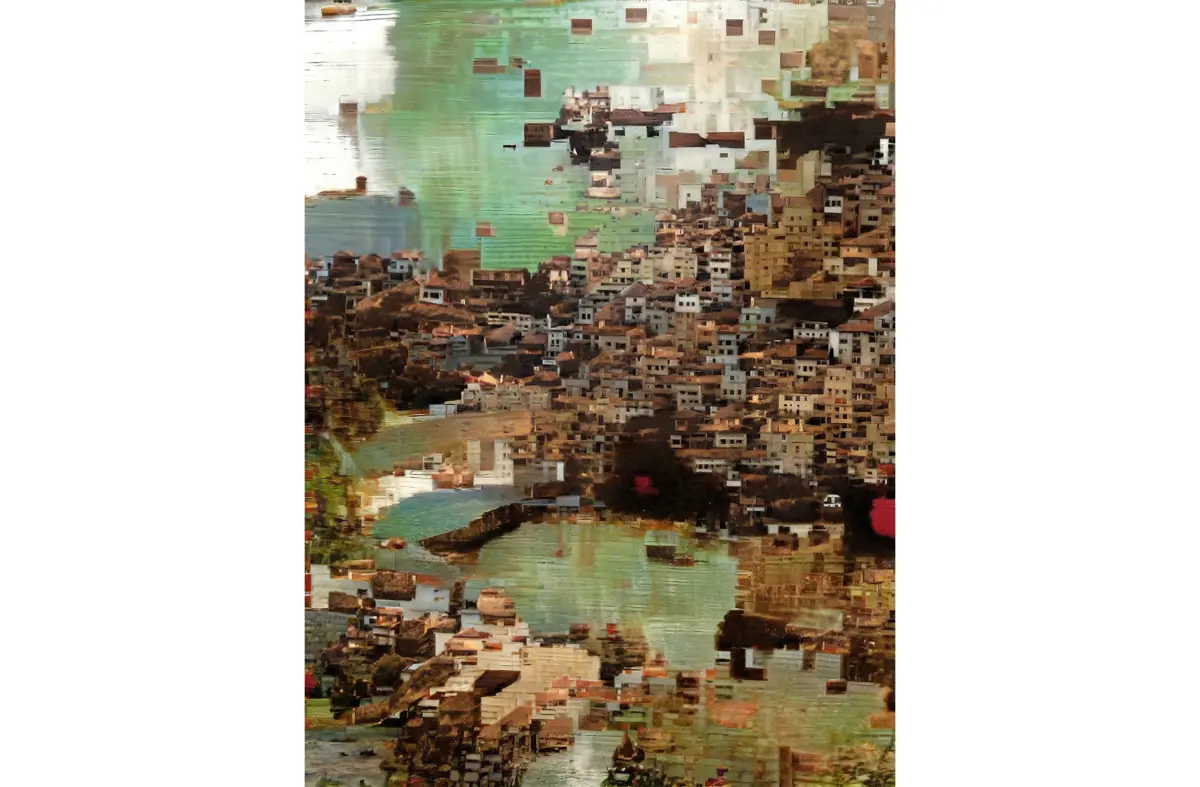
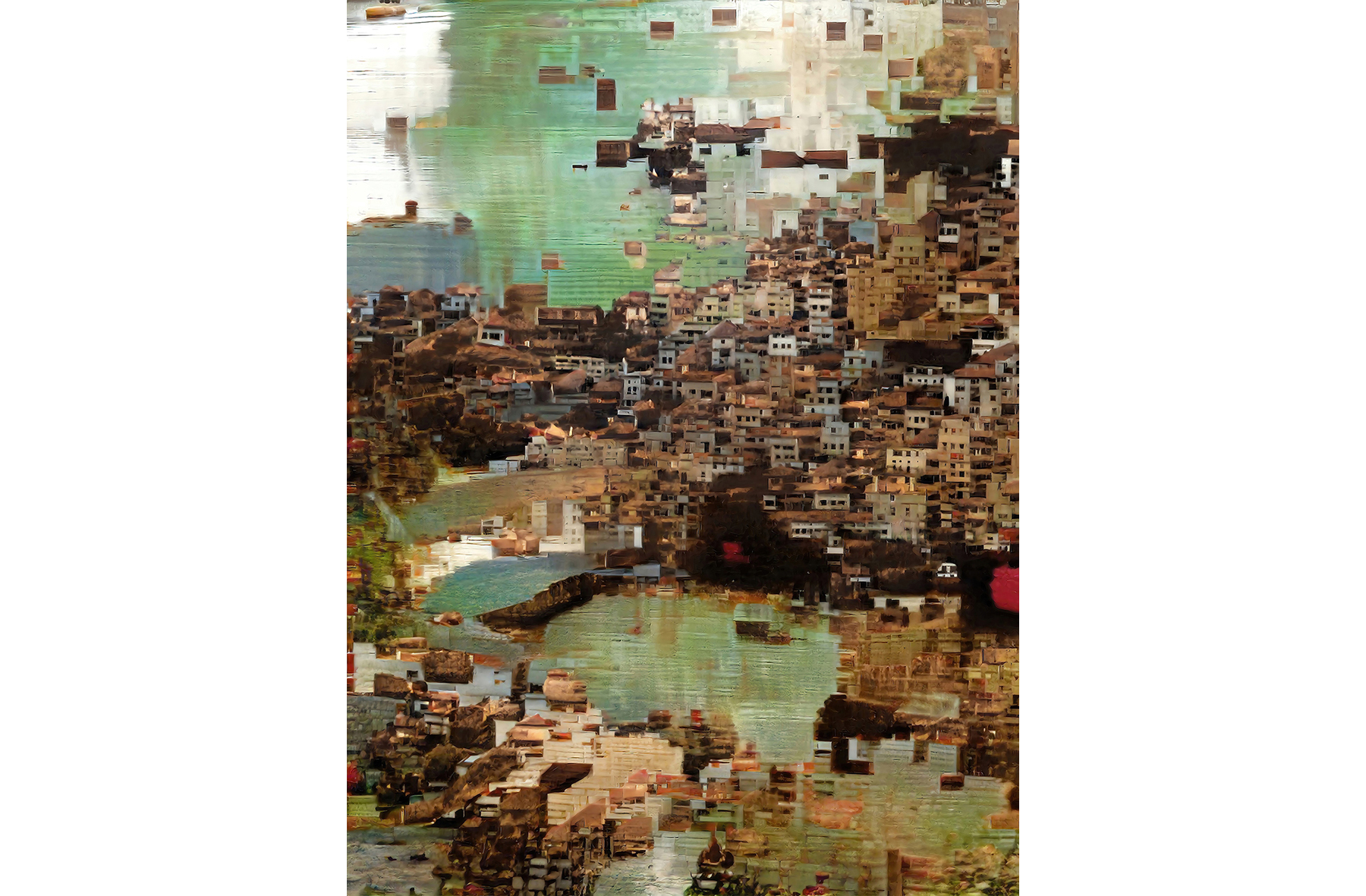
Focusing on the intersections of photographic documentation and algorithmic image-generation, this section highlights works such as Sayuri Ichida’s KÅseki series (2025). Commissioned originally through the Jerwood/Photoworks Awards (and supported by the Jerwood Foundation, Photoworks, and Arts Council England), Ichida’s work explores the uncanny valley of artificial intelligence and automated image synthesis.
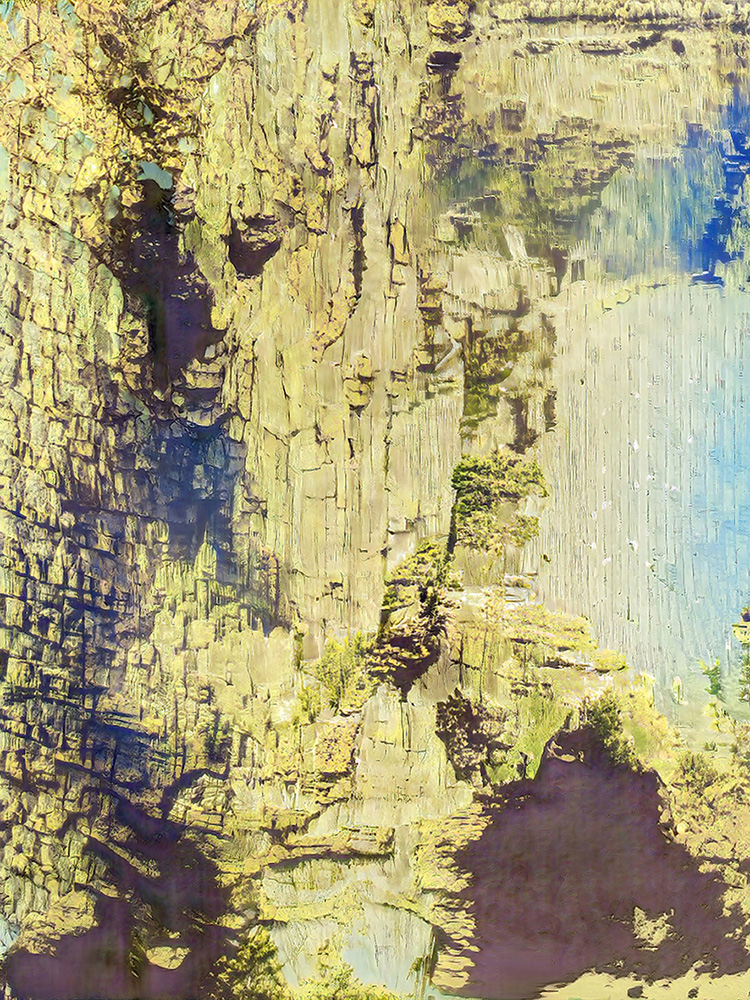
By employing machine learning models that parse massive datasets of landscape and portrait photography, the installation forces viewers to question whether an image generated by an algorithm can hold the same emotional and documentary weight as one captured through a physical lens. The accompanying wall texts and curator notes unpack the friction between human intent and machine execution, establishing a critical dialogue on the future of photographic truth.
Chapter 2: Shifting Realities — Zai Nomura’s UV Inkjet Explorations
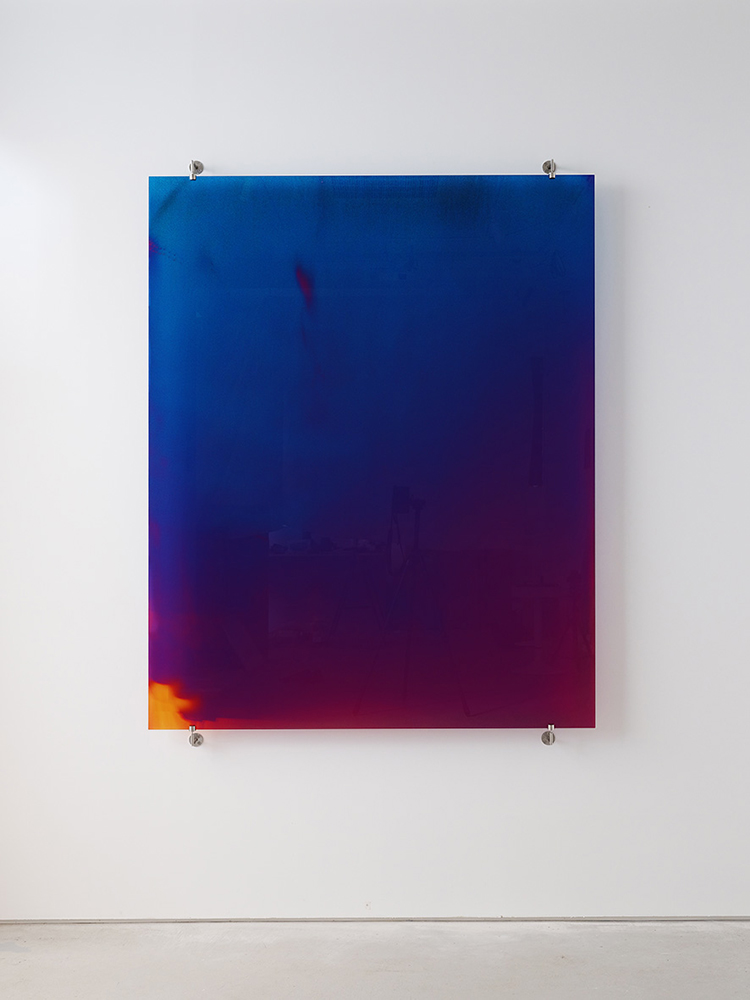
Moving from pure algorithmic generation to physical-digital hybrids, this section features the striking UV-inkjet prints of Zai Nomura (including works from 1981, 1980, and 1944). Nomura’s work interrogates the materiality of the print in an era dominated by screens.
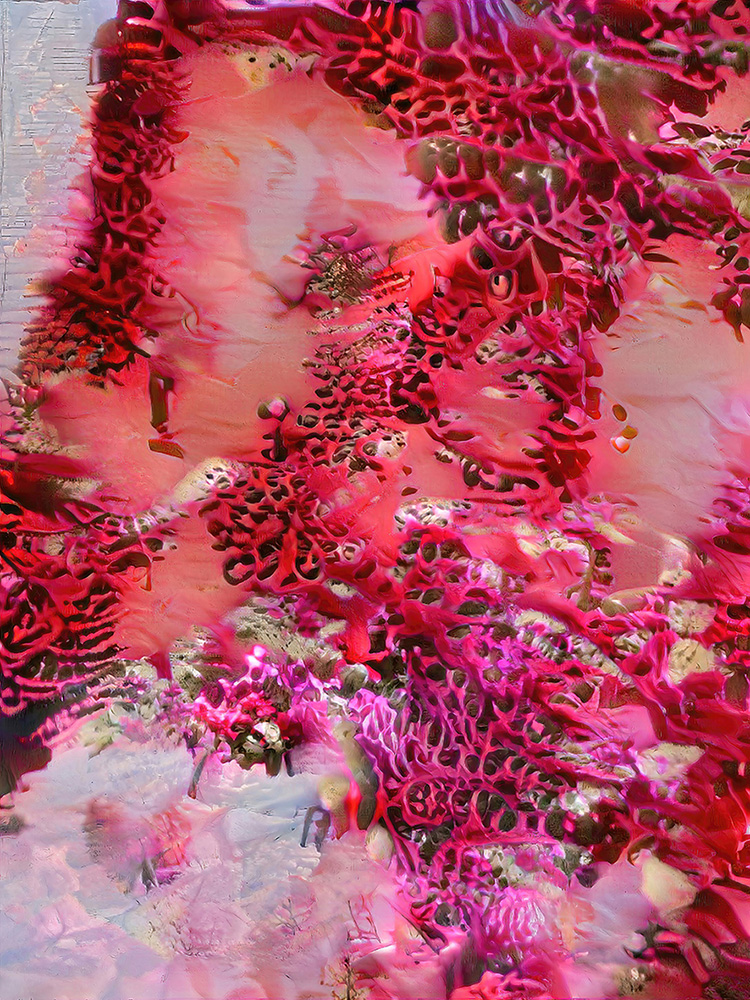
By utilizing advanced UV printing techniques on unconventional substrates, Nomura bridges the gap between historical documentary photography and contemporary post-digital aesthetics. The curators use these pieces to examine how physical framing and print texture alter our consumption of narrative photography, slowing down the viewer’s gaze in an age of hyper-accelerated digital scrolling.
Chapter 3: Spatial Temporality — Baku Hashimoto’s "Milling Stop-Motion"
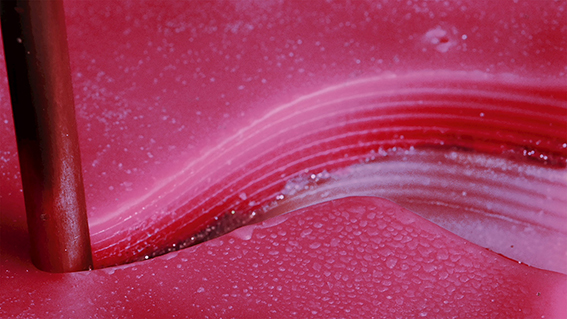
Baku Hashimoto’s ongoing 2024–present project, Milling Stop-Motion (tentative title), anchors the section dedicated to spatial moving images and 3D CG integration. Hashimoto pushes the boundaries of traditional stop-motion animation by merging physical milling processes with computational rendering.
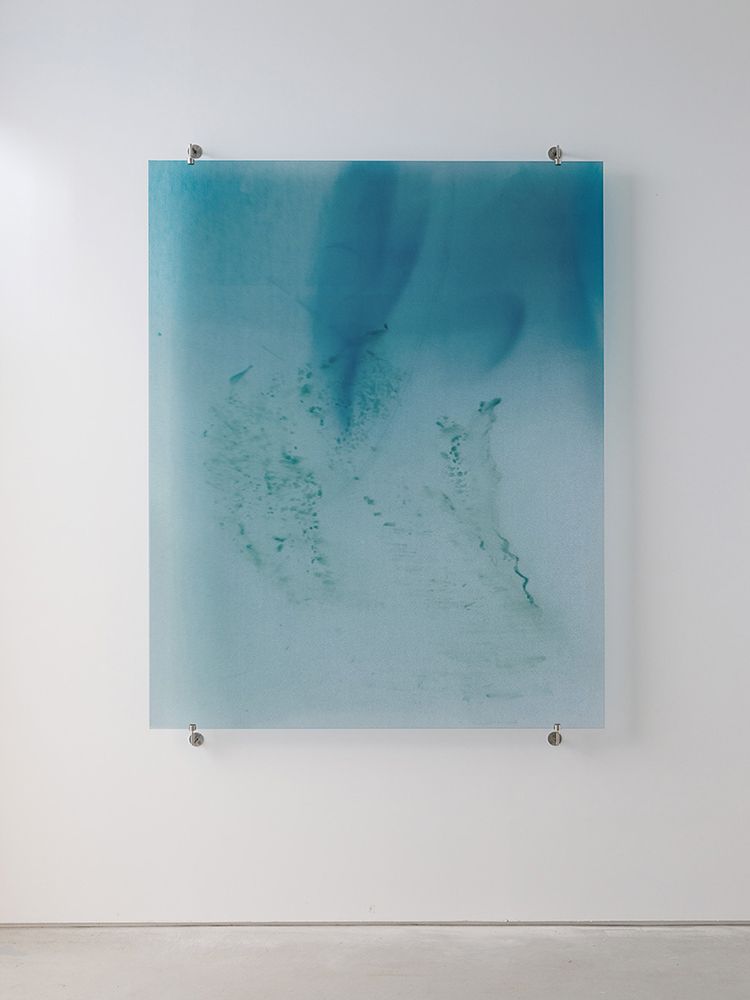
The installation creates a disorienting yet mesmerizing spatial experience, where physical objects appear to dissolve into digital point clouds and vice versa. Institutional curators note that this section addresses the obsolescence of traditional cinematic framing, offering visitors an immersive journey through dimensional shifts that defy standard cinematic grammar.
Chapter 4: Open Horizons — Asako Fujikura’s "4 Tales of Open Sunrise City"
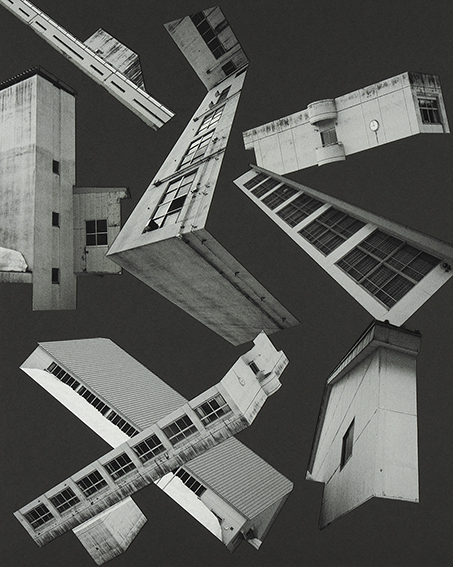
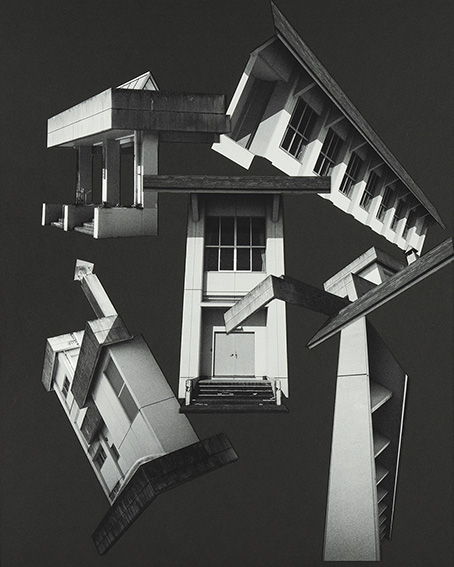
Concluding the exhibition’s thematic arc is Asako Fujikura’s 2026 installation, 4 Tales of Open Sunrise City (tentative title). Fujikura constructs expansive, fictional urban environments using advanced 3D modeling and real-time game engine technology.
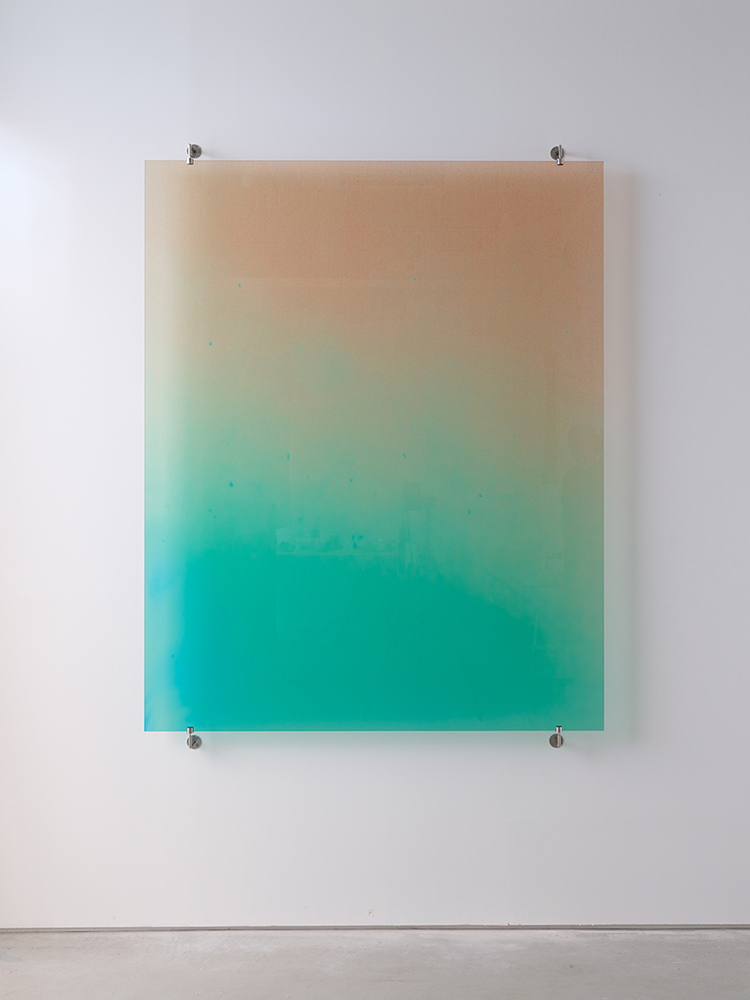
By inviting visitors to navigate these virtual cityscapes, the work critiques urban planning, digital surveillance, and the privatization of public space in the 21st century. The installation serves as a stark reminder that our contemporary environment is increasingly co-authored by algorithms, data streams, and virtual architectures.
Supporting Context and Exhibition Metrics
To understand the institutional scale of the Tokyo Photographic Art Museum’s 23rd Top Collection exhibition, it is essential to examine its operational parameters, venue specifications, and curatorial metrics.
Institutional Overview
- Venue: The Tokyo Photographic Art Museum (1st Floor Exhibition Gallery)
- Address: Yebisu Garden Place, 1-13-3 Mita, Meguro-ku, Tokyo 153-0062, Japan
- Capacity / Attendance Limits: Capped at 190 visitors per time slot to ensure an optimal, contemplative viewing environment.
- Curatorial Team: Organized by the Tokyo Photographic Art Museum curatorial research division, featuring leading voices in media theory, digital preservation, and contemporary art history.
Phased Exhibition Schedule & Event Matrix
Because the exhibition spans multiple months and incorporates complex multimedia installations, it is broken down into specialized focus periods:
| Phase / Dates | Focus Theme & Collaborative Artists | Special Events & Symposia |
|---|---|---|
| Oct 18 – Nov 1, 2026 (14:00 – 15:30) |
Chapter 1: The Reconfigured Lens Featuring Sayuri Ichida & AI Photography Discourse |
Curator-led gallery talk & academic roundtable on generative AI aesthetics. |
| Nov 1 – Dec 13, 2026 (14:00 – 15:30) |
Chapter 2: Shifting Realities Featuring Zai Nomura & Historic Print Archives |
Special conservation workshop focusing on UV-inkjet preservation. |
| Dec 13, 2026 – Jan 10, 2027 (14:00 – 15:30) |
Chapter 3: Spatial Temporality Featuring Baku Hashimoto & 3D CG Moving Images |
Artist talk and live demonstration of digital rendering workflows. |
| Jan 10 – Feb 14, 2027 (14:00 – 15:30) |
Chapter 4: Open Horizons Featuring Asako Fujikura & Virtual Urbanism |
Symposium on digital archiving, spatial computing, and urban futures. |
Official Statements and Curatorial Vision
In the official exhibition catalog and accompanying press statements, the curatorial team outlines the core philosophical inquiry driving the 23rd Top Collection:
"As photography and moving-image arts migrate further into the realms of artificial intelligence, three-dimensional modeling, and algorithmic generation, the fundamental definition of the ‘lens-based medium’ is undergoing an unprecedented stress test. This exhibition does not seek to pit the analog past against the digital future. Instead, it creates a deliberate friction between historical archives and cutting-edge digital media, inviting audiences to interrogate the shifting boundaries of authorship, perception, and visual truth."
This sentiment is echoed throughout the exhibition design. Rather than organizing works chronologically in a linear historical progression, the curators have chosen a thematic matrix. This allows a 1944 gelatin silver print by Zai Nomura to converse directly with a 2026 generative AI video piece by Sayuri Ichida. The result is a non-linear dialogue that highlights persistent human anxieties regarding representation, technology, and reality across different eras.
Future Outlook and Legacy
As the exhibition continues its run through early 2027, its impact on the broader contemporary art landscape is already becoming apparent. By confronting the ethical and aesthetic challenges posed by generative AI and advanced 3D CG head-on, the Tokyo Photographic Art Museum has solidified its role not merely as a passive repository for historical artifacts, but as an active, critical participant in the evolution of modern visual media.
Critics and scholars alike have praised the exhibition for its refusal to adopt a technophobic or uncritical technophilic stance. By providing a rigorous intellectual framework for understanding how digital tools manipulate our perception of reality, the 23rd Top Collection sets a new benchmark for museum programming in the digital age.

For researchers, artists, and photography enthusiasts visiting Tokyo, the exhibition offers a rare opportunity to witness the historical continuum of visual media mapped out in real-time. Reservations and timed-entry tickets can be secured directly through the official Tokyo Photographic Art Museum web portal, with specialized symposia continuing through the closing date in February 2027.
For further information, ticketing details, and archival resources regarding the exhibition, please visit the official Tokyo Photographic Art Museum Exhibition Page.








Belum ada komentar. Jadilah yang pertama berkomentar!