The intersection of artificial intelligence, existential dread, and human grief has long been fertile ground for speculative fiction. Yet, few narratives approach these heavy thematic pillars with the delicate, melancholic wonder of Kazuo Ishiguro’s acclaimed novel, Klara and the Sun. Bringing this profound literary universe to the silver screen, director Taika Waititi steps away from his signature broad comedic style to deliver a restrained, visually arresting, and emotionally resonant science-fiction fable. Set for release in 2026, the film adaptation boasts a stellar ensemble cast led by Jenna Ortega and Amy Adams, alongside Mia Tharia, Aran Murphy, Steve Buscemi, and Natasha Lyonne.
At its core, the film follows Klara (Ortega), an "Artificial Friend" (AF)—an advanced solar-powered robot engineered specifically to combat adolescent loneliness in a dystopian future where the internet has been outlawed due to catastrophic societal misuse. When Klara is purchased to support Josie (Tharia), a chronically ill teenager grappling with the psychological weight of her younger sister’s death, the narrative unfurls into a delicate exploration of mortality, faith, and the lengths to which artificial minds go to understand human love.
While the film occasionally stumbles under the weight of its second-half thematic ambitions and a slightly convoluted narrative arc, it remains anchored by a tour-de-force, wide-eyed performance from Jenna Ortega and a quietly devastating portrayal of maternal grief by Amy Adams. Waititi’s direction proves surprisingly disciplined, painting a retro-future world that feels simultaneously ancient and advanced. Ultimately, Klara and the Sun offers audiences a poignant, hopeful reflection on what it genuinely means to be human in an increasingly detached world.
Detailed Chronology: From Shop Window to the Countryside Estate
The narrative trajectory of Klara and the Sun establishes its world through a stark, poetic contrast between obsolescence and hyper-modernity. The film opens in a sun-lit, antiquated storefront. Here, Klara, an older-model solar-powered AF, sits in the window display under the watchful eye of the shopkeeper, played with world-weary charm by Natasha Lyonne. Klara’s time is running out; facing the threat of being dismantled for spare parts, she offers silent prayers to her deity and power source: the Sun.
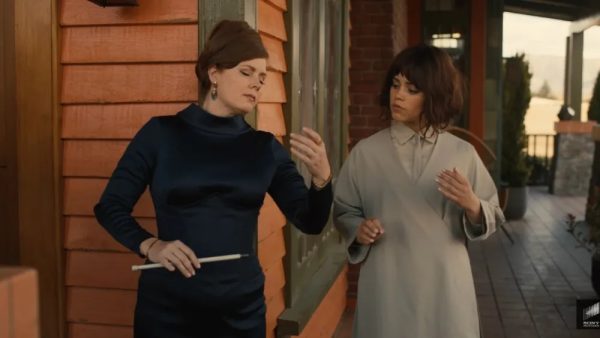
Across the street, a hyper-contemporary showroom displays sleek, Bluetooth-compatible, Abercrombie-styled robot models. For the citizens of this near-future world—living in the aftermath of a digital blackout where internet usage is strictly forbidden—choosing an AF is reminiscent of picking between a vintage analog console and a next-generation gaming rig. Klara’s salvation arrives when Josie, a spirited teenager, spots her through the glass. Dragging her reluctant, emotionally strained mother, Chrissie (Amy Adams), into the shop, Josie insists that Klara is the exact companion she needs.
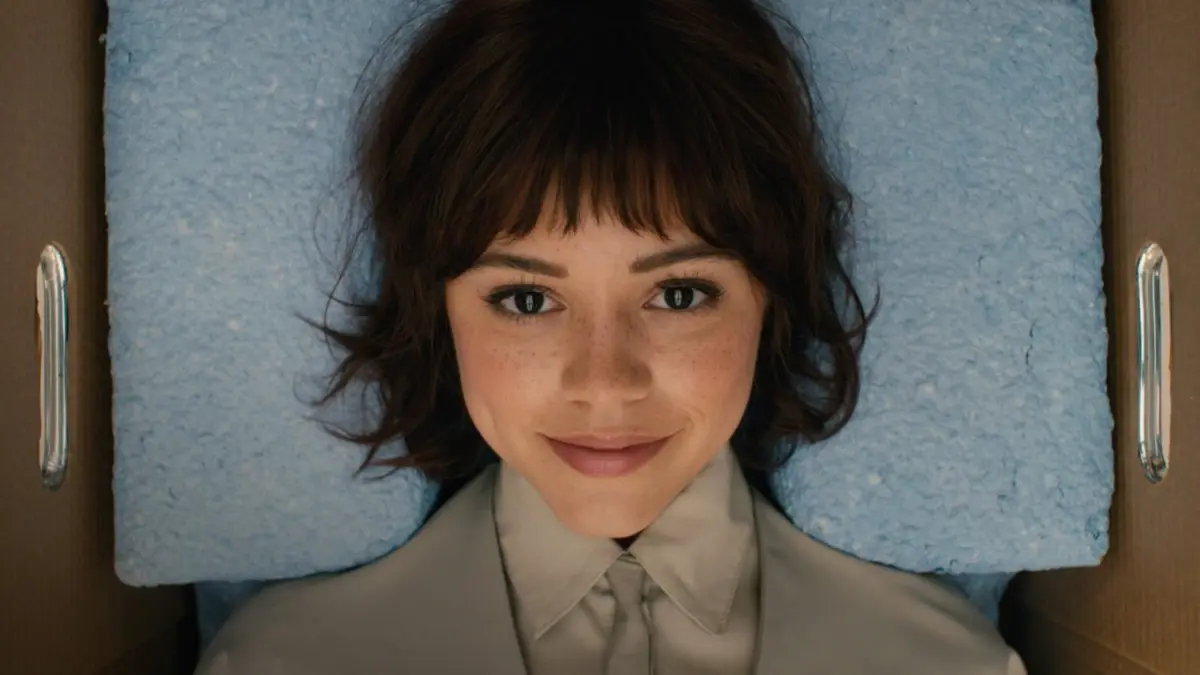
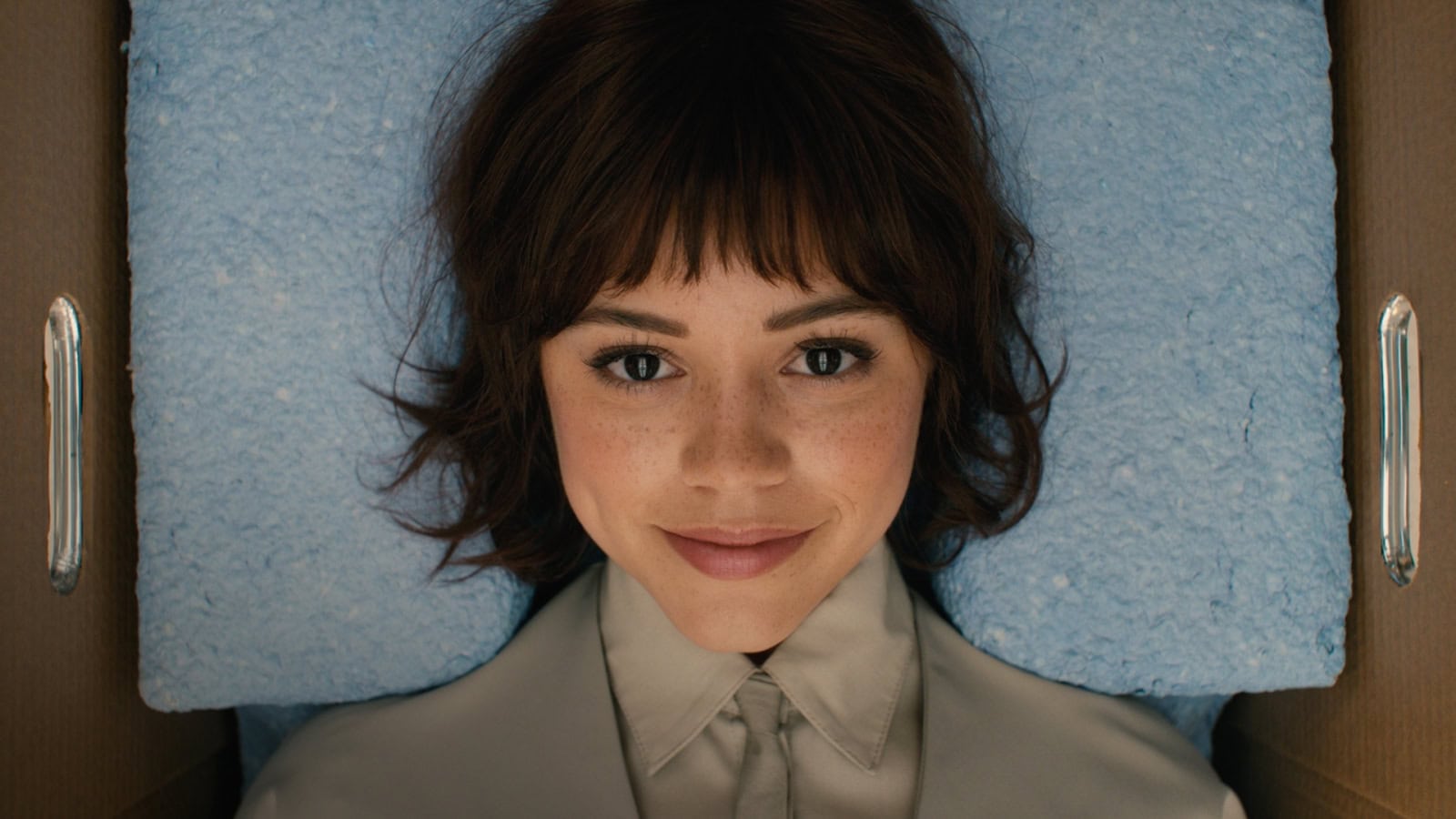
Once boxed up and transported to the family’s picturesque, isolated country estate, Klara is thrust into a complex social ecosystem. She faces immediate scrutiny from Melania (Rachel House)—a steadfast family friend—and Rick (Aran Murphy), a neighbor boy and builder of mechanical birds who remains deeply skeptical of corporate tech. Meanwhile, Chrissie maintains a transactional, guarded relationship with Klara, frequently reminding the robot of her warranty terms and the cardboard packaging she arrived in, treating her less like a sentient companion and more like a high-end appliance meant to fill an emotional void.
As Klara calibrates to her new environment, the film blends familiar cinematic tropes with alien wonder. She watches over Josie as she sleeps, navigates open fields with stiff, mechanical precision as she struggles to comprehend natural phenomena like wheat fields, and operates the family’s futuristic vehicle using a chilling, Terminator-esque voice-mimicry program. These moments evoke classic Amblin-style adventures—reminiscent of E.T. or Big Hero 6—establishing an endearing bond between machine and human.
However, the tone shifts dramatically when Klara discovers that Josie is suffering from a severe, degenerative illness—a common consequence of the genetic editing programs that characterize this society’s children. Recognizing that death is encroaching on the household, Klara doubles down on her childlike theology. Believing the Sun to be a benevolent, living deity capable of healing her human companion, she embarks on earnest missions to secure its grace, visiting its "home" on the horizon where she believes it goes to rest.
Supporting Context & Metrics: Adapting Ishiguro and Reimagining Sci-Fi
Kazuo Ishiguro’s 2021 novel Klara and the Sun was met with universal critical acclaim, praised for its deceptively simple prose and its complex, unsettling look at a stratified future. Translating Nobel laureate Ishiguro’s interior, first-person narrative from the perspective of an artificial intelligence into a visual medium is no small feat. Screenwriters and directors often fall into the trap of over-explaining sci-fi world-building, but Waititi—working alongside his creative teams—trusts the audience to absorb the rules of this retro-future society organically.
The Retro-Future Aesthetic
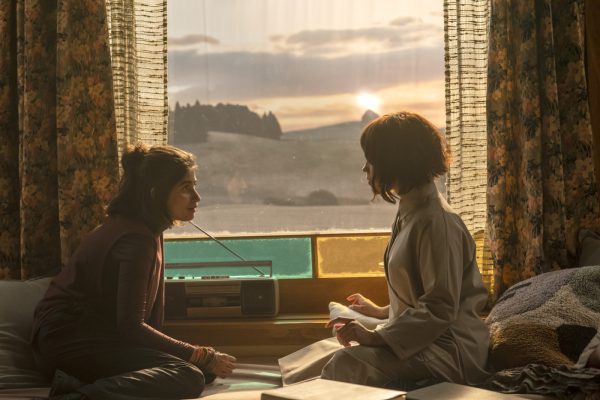
Visually, the film draws heavy inspiration from classic fairy tales and early 20th-century Americana. The juxtaposition of rural farmsteads with futuristic biotechnology gives Klara and the Sun the surreal, magical-realism texture of The Wizard of Oz. Cinematographically, the film relies heavily on natural lighting, using the literal rays of the sun as a recurring visual motif that mirrors Klara’s internal emotional state and spiritual devotion.
Cast and Character Dynamics
The production’s strength lies heavily in its carefully curated ensemble:
Jenna Ortega as Klara: Ortega sheds her trademark deadpan persona (famously seen in Wednesday) to adopt an inquisitive, living-doll physicality. Her performance relies on micro-expressions, subtle finger-twitching, and a stiff, deliberate gait that slowly softens as she learns human empathy.
Amy Adams as Chrissie: Adams delivers a masterclass in portraying repressed trauma. As a mother desperate to save her surviving daughter while mourning the one she lost, Adams’s chemistry with Ortega anchors the emotional stakes of the film’s second half.
Supporting Cast: Natasha Lyonne brings sardonic wit to her brief screen time, while Aran Murphy and Rachel House ground the rural community with distinct, earthy performances that contrast sharply with the clinical nature of synthetic engineering.
Official Statements and Production Insights
Speaking on the challenges of bringing Ishiguro’s novel to the screen, director Taika Waititi emphasized his desire to step back from the hyper-stylized comedic chaos that defined his previous blockbusters like Thor: Ragnarok.
"When you deal with source material this delicate, your job as a filmmaker isn’t to reinvent the text with flashy tricks; it’s to protect the emotional core of the characters," Waititi noted during early production press cycles. "Klara isn’t human, but her capacity for faith, loyalty, and unconditional love forces us to look in the mirror and question what makes our own emotions so sacred."
Jenna Ortega shared similar sentiments regarding her preparation for the physically demanding role of an Artificial Friend:
"Playing an AI requires you to strip away all human vanity and unconscious habits," Ortega explained. "Every blink, every tilt of the head, every hesitation had to be calculated. But underneath all that machinery, Klara has the purest heart in the room. Finding that balance between cold programming and absolute warmth was the most rewarding challenge of my career."
Future Outlook and Critical Reception
As Klara and the Sun prepares for its wide theatrical release in 2026, industry analysts are watching closely to see how mainstream audiences respond to its philosophical depth. While blockbusters frequently lean toward high-octane action and CGI spectacles, Klara and the Sun champions a quieter, more contemplative brand of science fiction—one in the lineage of films like Ex Machina, A.I. Artificial Intelligence, and Never Let Me Go (another Ishiguro adaptation).
Critics have noted that the film’s script occasionally meanders during its final third, introducing narrative subplots that duplicate themes already resolved earlier in the runtime. Yet, these minor structural flaws do little to diminish the overall impact of the project.
Ultimately, Klara and the Sun is positioned to be a welcome palette cleanser for modern cinema audiences. It avoids cynicism, opting instead to use artificial intelligence as a narrative lens to examine humanity’s deepest vulnerabilities: grief, loneliness, and the eternal search for meaning in an indifferent universe. Anchored by a career-best physical performance from Jenna Ortega and Waititi’s disciplined, heartfelt direction, the film succeeds in making viewers feel just a little bit better about navigating the complexities of the modern world.











Belum ada komentar. Jadilah yang pertama berkomentar!