

Date: October 17, 2026
Platforms: PC, PlayStation 5, Nintendo Switch, PlayStation 4
Publisher: Square Enix
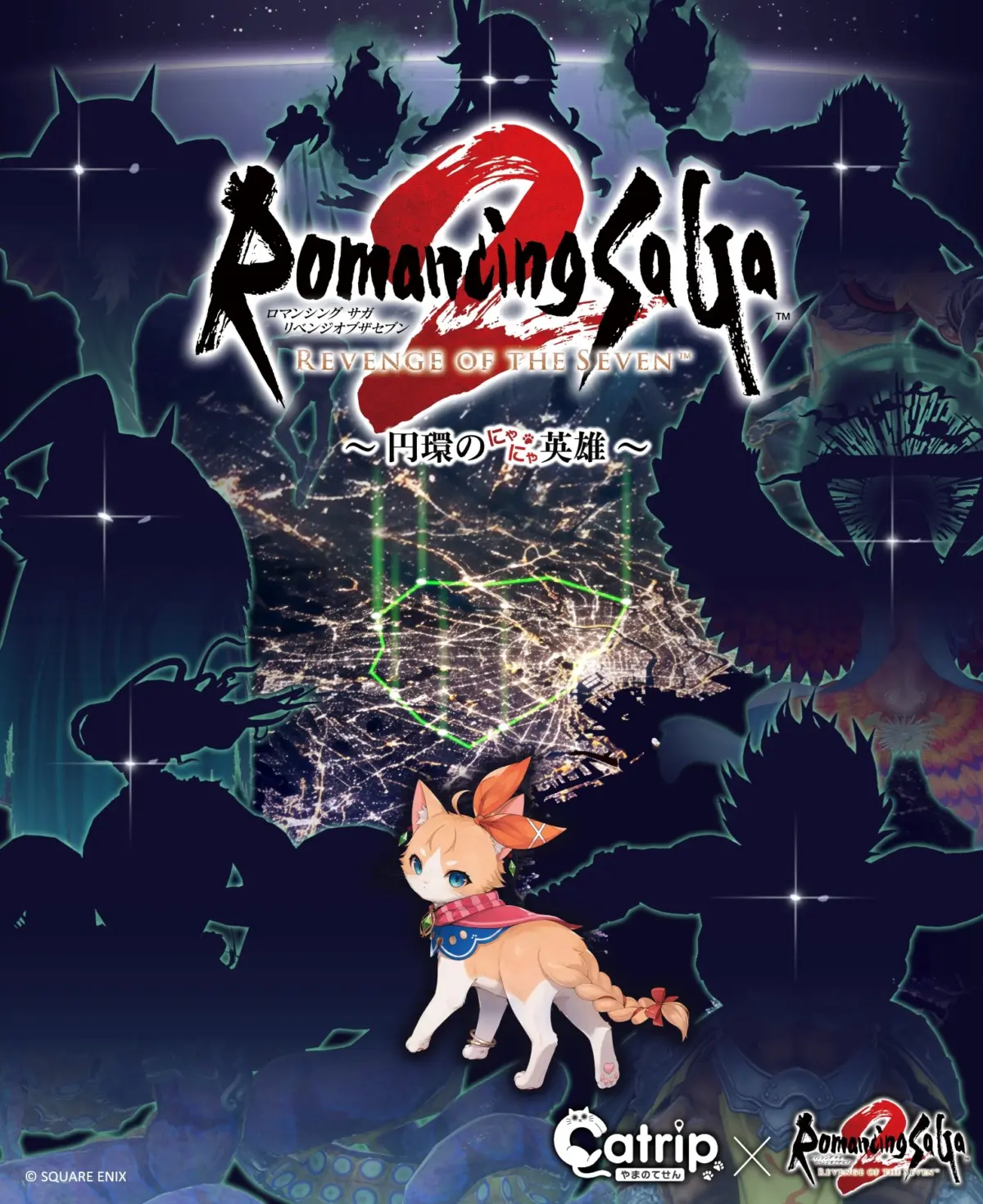
In a strategic marketing maneuver bridging high-fantasy role-playing games with the concrete realities of daily public transit, Square Enix has officially launched a major collaborative promotional campaign for Romancing SaGa 2: Revenge of the Seven. Debuting on October 16, 2026, the cross-promotional initiative—formally titled "Romancing SaGa 2: Revenge of the Seven: Commemorative Sticker Hunt powered by Catrip"—transforms standard urban commuting routines into an interactive, gamified treasure hunt across Japan’s railway network.
The campaign capitalizes on the massive commercial and critical momentum of Romancing SaGa 2: Revenge of the Seven, a full-scale, ground-up remake of the 1993 Super Famicom classic. By partnering with JR East’s digital wallet and transit ecosystem, Square Enix has engineered an augmented-reality (AR) sticker hunt that bridges physical train stations with digital collectibles. Commuters and hardcore fans alike are encouraged to navigate specific transit lines, scan physical markers, and unlock exclusive digital rewards. This extensive report examines the structural framework of the campaign, the mechanics of the collaboration, the consumer response, and the broader implications for video game marketing in the digital age.
Detailed Chronology: The Rollout of the Catrip-Powered Campaign
The launch of the Romancing SaGa 2: Revenge of the Seven collaborative initiative represents a carefully timed logistical rollout designed to maximize engagement among both daily commuters and dedicated gamers.
Phase One: The October 16 Announcement
On October 16, 2026, Square Enix officially lifted the veil on the "Commemorative Sticker Hunt powered by Catrip." The announcement detailed a multi-layered campaign utilizing proprietary AR technology developed under the "Catrip" framework. Unlike traditional advertising campaigns that rely on static billboards or digital video loops, this initiative requires active physical participation.
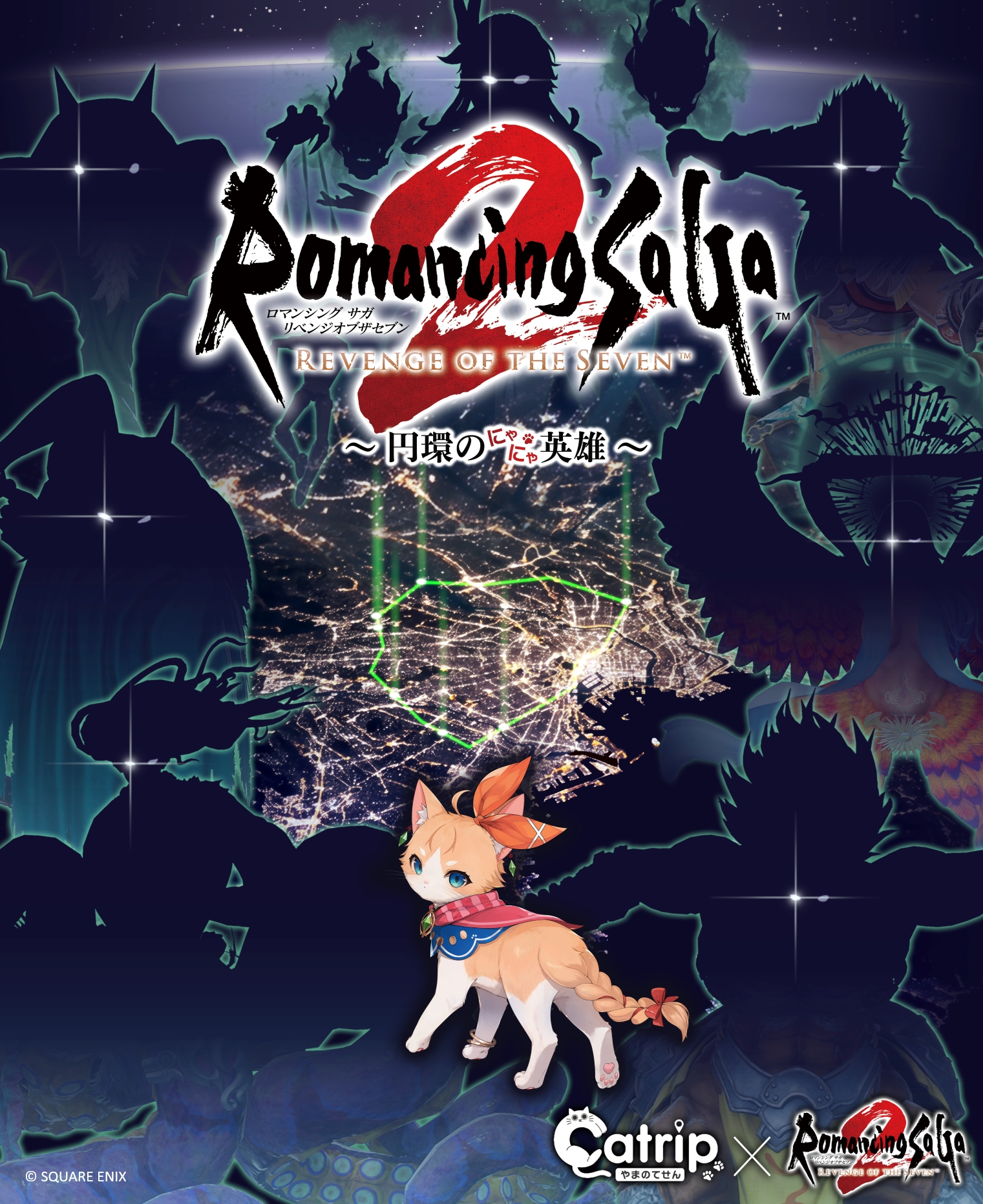
Simultaneously, participating retailers—most notably the NewDays convenience store chain operated by JR East Cross Retail—began offering exclusive promotional merchandise and campaign-linked tickets. These items serve as gateways for players to access specialized AR checkpoints distributed across targeted transit hubs.
Phase Two: Integration with JR East and Digital Infrastructure
The operational core of the campaign went live concurrently with the official announcement. Commuters utilizing the JR East railway network gained access to interactive digital checkpoints via the official JRE WALLET application. Throughout the designated promotional window spanning mid-October, participating stations along major commuter corridors were outfitted with hidden markers.
Players use their mobile devices to scan these physical markers, triggering AR challenges that test their knowledge of the Romancing SaGa universe. As users successfully complete each checkpoint challenge, they unlock unique digital stickers, virtual trading cards, and in-game asset redemption codes.
Supporting Context & Metrics: Gamifying the Commute
To fully understand the significance of the Romancing SaGa 2: Revenge of the Seven campaign, one must examine the mechanics driving the collaboration and the demographic intersecting rail transit with high-fantasy JRPGs.
The Mechanics of the Sticker Hunt
The campaign is structured around a series of geographical checkpoints located within high-traffic railway environments. Participants are tasked with tracking down elusive "Seven Heroes" motifs scattered across station concourses. The checkpoints incorporate a variety of localized engagement tasks:

- Station-Specific QR Code Scans: Quick-response codes deployed at designated turnstiles and concourse walls.
- AR Character Encounters: Scanning physical pillars or promotional posters to reveal animated, three-dimensional models of the game’s iconic antagonists and protagonists.
- Trivia and Lore Challenges: Interactive mobile web prompts that test a player’s knowledge of the SaGa series’ intricate historical timelines, magic systems, and imperial succession mechanics.
By tying these digital interactions to the JRE WALLET ecosystem, Square Enix and JR East have created a seamless bridge between transit ticketing, digital loyalty programs, and entertainment marketing. Commuters who regularly utilize the network find themselves organically funneled into the campaign loop, transforming a mundane morning or evening commute into an interactive scavenger hunt.
Photographic Evidence and Merchandising Integration
Official promotional materials released by Square Enix highlight several key locations where physical displays have been erected. Commuters passing through major terminals can observe high-definition promotional posters featuring the newly rendered character models from Revenge of the Seven.
Furthermore, the collaboration extends to physical commerce through NewDays stores situated within the railway stations. Patrons who make qualifying purchases are awarded special sticker sheets and commemorative tickets. These physical items not only serve as collectables but also feature hidden digital elements that can be scanned at home or on the go to maximize completion rates within the app.
Official Statements and Industry Perspective
While specific executive quotes from Square Enix leadership remain tightly integrated within the promotional framework—highlighting themes of "legacy," "imperial succession," and "remixed classical adventures"—industry analysts have been quick to weigh in on the strategic brilliance of the campaign.
Bridging Nostalgia and Modern Accessibility
Romancing SaGa 2: Revenge of the Seven is designed to appeal to two distinct audiences: veterans of the 1993 original who remember the groundbreaking free-form scenario system and imperial succession mechanics, and a younger generation of gamers introduced to the franchise through modern remakes.
By taking the campaign out of traditional gaming spaces (such as convention centers or dedicated pop-up cafes) and embedding it directly into the arteries of public transportation, Square Enix is aggressively targeting the Japanese salaryman and student demographic. The campaign acknowledges that modern consumers have limited leisure time; by gamifying the daily commute, Square Enix captures attention during moments of transition that would otherwise be spent passively scrolling through social media.
The Catrip Technology Framework
Powering the entire initiative is "Catrip," an advanced AR middleware solution designed to streamline the deployment of location-based marketing campaigns. Catrip allows developers to map digital assets onto physical architectural spaces with pinpoint accuracy, minimizing latency and ensuring a smooth user experience even in crowded, high-interference railway environments. The seamless integration of Catrip within this campaign signals a growing trend in the Japanese gaming industry: utilizing lightweight, browser-based or app-integrated AR to drive physical foot traffic and retail conversions.
Future Outlook: The Legacy of "Revenge of the Seven"
As the Romancing SaGa 2: Revenge of the Seven campaign continues its run through October 2026, market observers are closely monitoring its impact on software sales and brand equity.
Sustained Momentum Across Platforms
Available simultaneously on PC, PlayStation 5, Nintendo Switch, and PlayStation 4, Revenge of the Seven has already established itself as a benchmark for modern JRPG remakes. Initiatives like the Catrip-powered sticker hunt ensure that the game remains a prominent fixture in the public consciousness long after its initial launch window.
Implications for Future Cross-Industry Collaborations
The success of this railway-integrated promotional model sets a high bar for future video game marketing campaigns in Japan and abroad. By leveraging existing transit infrastructure (JR East) and daily retail touchpoints (NewDays), publishers can achieve unprecedented levels of organic consumer engagement.
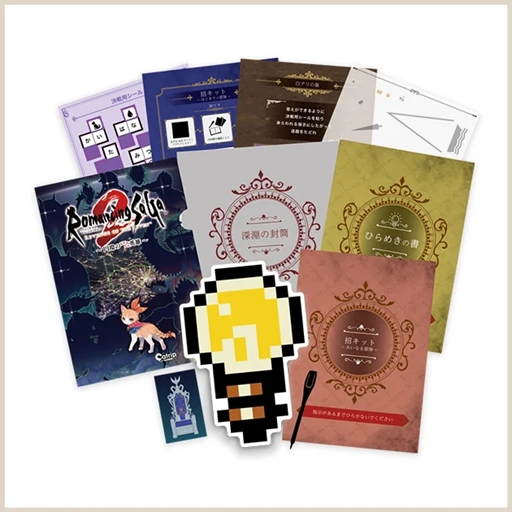
For fans currently traversing the railway lines of Japan, the hunt for the Seven Heroes is far from over. Whether they are collecting digital stamps via the JRE WALLET or acquiring physical sticker sheets at station kiosks, participants are actively partaking in a living celebration of one of gaming’s most enduring role-playing masterpieces. As Square Enix continues to refine its hybrid physical-digital marketing strategies, campaigns like Revenge of the Seven demonstrate that the boundary between virtual fantasy worlds and the physical urban landscape is increasingly porous—and endlessly entertaining.








Belum ada komentar. Jadilah yang pertama berkomentar!