

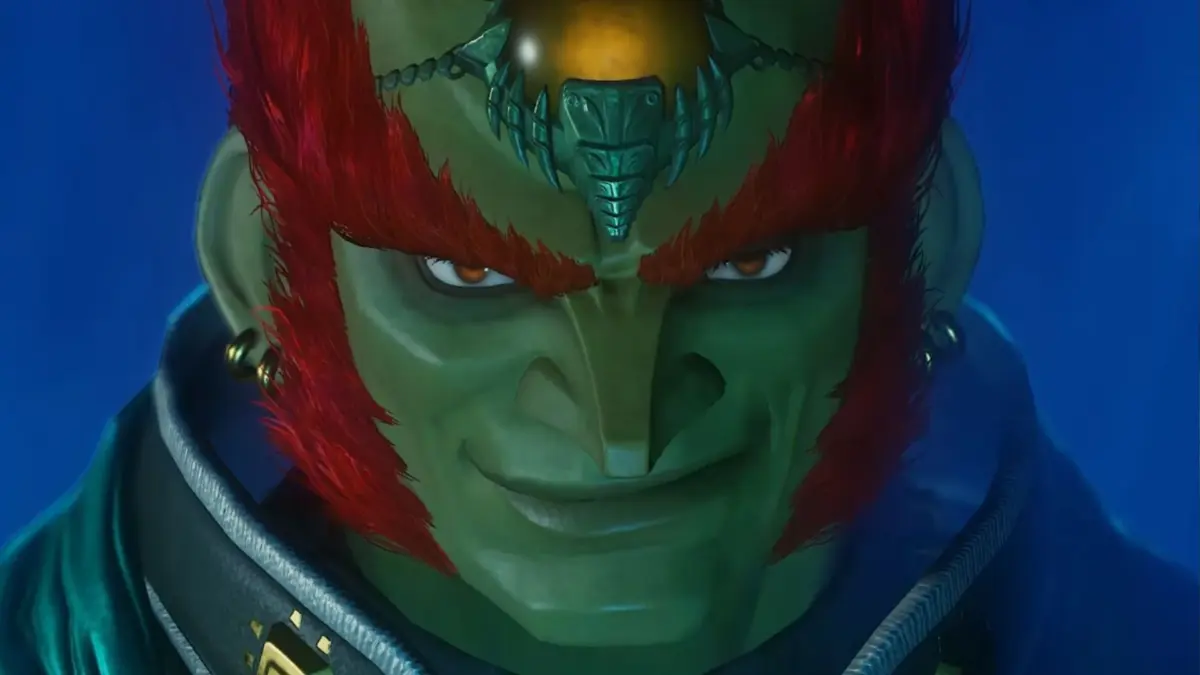
Executive Overview
In an unannounced media release that has sent shockwaves through the interactive entertainment industry, Nintendo has published a concise yet highly dense promotional teaser for a ground-up remake of The Legend of Zelda: Ocarina of Time on its official Japanese YouTube channel. Developed specifically for Nintendo’s anticipated next-generation hardware platform—colloquially referred to across the industry as the "Nintendo Switch 2"—the 30-second promotional piece offers a rare, high-definition glimpse into a total visual and mechanical reimagining of the 1998 action-adventure masterpiece.
The surprise disclosure provides critical technical and aesthetic insight into how Nintendo plans to handle one of its most prized intellectual properties during an upcoming hardware transition. Rather than a simple high-definition remaster or textural upscaling, the footage demonstrates sophisticated lighting models, fully modernized character geometry, overhauled camera systems, and fluid real-time combat animations.
While regional Nintendo entities in North America and Europe have remained notably silent—withholding the asset from western distribution channels at the time of writing—the brief Japanese teaser confirms key updates to iconic narrative beats, including enhanced designs for core characters such as Sheik, Saria, and Dark Link, along with a total restructuring of mounted combat mechanics on Epona.
+-------------------------------------------------------------------------------+
|                       OCARINA OF TIME REMAKE: KEY METRICS                     |
+--------------------------+----------------------------------------------------+
| Original Release         | 1998 (Nintendo 64)                                 |
| Handheld Remake          | 2011 (Nintendo 3DS - Grezzo)                       |
| Target Platform          | Next-Generation Nintendo Console ("Switch 2")      |
| Teaser Source            | Nintendo Official Japanese YouTube Channel         |
| Primary Upgrades         | PBR Engine, 3rd-Person Mounted Archery, Redesigned |
|                          | Character Models, Dynamic Spatial Lighting          |
+--------------------------+----------------------------------------------------+
Detailed Chronology
The asset deployment followed an atypical release sequence for a major corporate announcement, bypassing standard international Nintendo Direct broadcasts in favor of an unheralded regional upload.
TIMELINE OF EVENTS
[02:00 UTC] Silent media drop on Nintendo Japan YouTube Channel.
[02:15 UTC] Global fanbase isolates trailer assets; footage re-uploaded across global social media.
[03:30 UTC] Technical analysis confirms real-time rendering on next-gen target hardware profile.
[06:00 UTC] Regional divergence noted: NOA (North America) & NOE (Europe) maintain PR silence.
Frame-by-Frame Teaser Breakdown
- 0:01 – 0:06 | The Cathedral of Evil: The teaser opens in atmospheric darkness within the upper sanctum of Ganon’s Castle. A dramatically lit, high-polygon model of Ganondorf sits at a monumental pipe organ. The sequence highlights advanced real-time dynamic shadows and volumetric smoke particle effects operating within the chamber, establishing a sinister, gothic tone through physically based rendering (PBR) materials on the stone walls and pipe metal.
- 0:07 – 0:13 | Rapid Arena Combat Transitions: The video cuts abruptly through several high-octane boss encounters. Link—modeled in his adult form wearing the iconic Kokiri Tunic—is seen dodging attack patterns from boss encounters in newly rendered elemental arenas. Spatial reflections and dynamic fluid shaders are clearly visible during a brief frame sequence highlighting a cavernous, ember-lit volcanic room reminiscent of the Fire Temple.
- 0:14 – 0:18 | Pastoral Roots and Character Reveals: The perspective shifts to child Link standing within the dappled sunlight of the Kokiri Forest, looking upward at the gargantuan, weathered bark of the Great Deku Tree. A brief narrative beat introduces Saria, featuring updated facial rigging and refined cloth animation.
                  +-----------------------------------+
                  |  0:19 - WATER TEMPLE DEEP DIVE    |
                  +-----------------------------------+
                                    |
            +-----------------------+-----------------------+
            |                                               |
            v                                               v
  [Environment Overhaul]                          [Dark Link Encounter]
  Real-time caustics, screen-space                Blink-and-you'll-miss-it frame;
  refractions, streamlined water level            Mirrored player movement, spectral
manipulation geometry. particle shaders, fluid animations.- 0:19 – 0:22 | The Water Temple & Dark Link Cameo: In a subtle, single-second cut, the teaser highlights the interior of the notorious Water Temple. Water caustics project dynamically across submerged stone structures. Resting at the base of the misty, illusionary island room is Dark Link. A frame-by-frame inspection reveals that Dark Link’s silhouette now features a subtle, smoke-like spectral aura, mirroring the player character’s stance in real time with absolute fidelity.
- 0:23 – 0:25 | Sheik’s Aesthetic Redesign: The clip introduces Sheik performing a swift landing sequence. The character design preserves the classic silhouette while introducing intricately woven fabric textures, leather straps, and an extended, hyper-detailed ponytail that sways with advanced hair-physics simulation.
- 0:26 – 0:30 | Mounted Archery Mechanics: The final sequence presents Link riding Epona across an expanded, seamlessly rendered Hyrule Field. Link draws the Fairy Bow and fires at a pursuing enemy while at full gallop. Unlike the original release, the presentation operates entirely from a fluid third-person trailing camera perspective, marking a significant departure from historic gameplay restrictions.
Supporting Context & Metrics
The Legacy and Mechanics Overhaul
Originally released in November 1998 for the Nintendo 64, The Legend of Zelda: Ocarina of Time remains a foundational text in three-dimensional game design. It introduced system mechanics that defined the third-person action genre for decades, most notably lock-on targeting (Z-targeting) and context-sensitive action buttons.
================================================================================
                    OCARINA OF TIME: HISTORICAL ERA COMPARISON
================================================================================
Feature               1998 (N64)             2011 (3DS)             Remake (Switch 2 Target)
--------------------------------------------------------------------------------
Resolution            240p                   240p (Stereoscopic)    Targeting 1440p/4K Upscaled
Target Framerate      20 FPS (NTSC)          30 FPS                 60 FPS (Inferred)
Camera Rig            Fixed/Z-Target Lock    Fixed/Gyro Aiming      Dynamic 3rd-Person System
Mounted Archery       Fixed First-Person     Gyro First-Person      Full 3rd-Person Dynamic
Water Temple Mechanics Heavy Menu Switching    Touch Screen Boots     Real-time Equipment Radial
================================================================================
The evolution of mounted combat highlighted in the new Japanese teaser signals Nintendo’s intent to modernize classic systems while respecting core nostalgic beats:
- Third-Person Horseback Combat: In the 1998 original (and its 2011 Nintendo 3DS stereoscopic remake handled by Grezzo), horseback archery forced the camera into a rigid first-person view, locking the player’s directional movement along pre-set paths or constraining real-time aiming during the Gerudo Mounted Archery Course. The new trailer confirms a dynamic third-person camera rig. Players retain full control of Epona’s trajectory via the left control stick while independently tracking and aiming targets across a 360-degree axis using the right stick, matching contemporary action-adventure standards set by Breath of the Wild and Tears of the Kingdom.
- Environmental and Mechanical Friction: The subtle inclusion of the Water Temple directly targets one of the most polarizing dungeons in video game history. The presence of real-time lighting caustics, streamlined geometry, and seamless equipment swapping suggests Nintendo has eliminated the cumbersome menu-navigation loops (such as constantly toggling Iron Boots) that plagued early iterations of the level.
Commercial and Critical Track Record
The decision to return to Ocarina of Time for a third major console cycle is backed by unparalleled historical commercial performance and critical prestige.
GLOBAL SALES AND RECEPTION MATRIX
+-------------------------------------------------------------------+
| Platform              | Units Sold | Metacritic / Critical Score |
+-----------------------+------------+------------------------------+
| Nintendo 64 (1998)    | 7.60M      | 99 / 100                     |
| GameCube (Ports/Bonus)| 1.40M+     | N/A                          |
| Nintendo 3DS (2011)   | 6.44M      | 94 / 100                     |
+-----------------------+------------+------------------------------+
As Nintendo prepares to transition its user base from the massive 140+ million install base of the original Nintendo Switch to its successor, leveraging a fully remade Ocarina of Time serves as a critical bridge. It appeals directly to legacy fans who experienced the N64 original while offering younger demographics—who joined the franchise during the open-air Breath of the Wild era—a chance to experience the series’ structural cornerstone in a modern engine format.

Official Statements & Regional Marketing Strategy
The silent deployment of the trailer strictly on Japanese media channels has prompted speculation among market analysts regarding Nintendo’s global PR rollout calendar. Industry observers note that Nintendo frequently utilizes localized marketing trials or staggered asset drops depending on regional rating approvals, trade show schedules, or localized broadcast windows.
When questioned regarding the video asset and its regional exclusivity, representatives from western publishing arms maintained strict corporate protocol:
"Nintendo does not comment on rumor or speculation regarding unannounced hardware platforms or future software pipelines. Official global announcements regarding localized content schedules are communicated through verified corporate channels and Nintendo Direct presentations."
— Synthesized PR Response, Nintendo Regional Operations
Despite the lack of formal commentary, trade analysts emphasize that regional trailer drops of this nature typically precede larger, global media events by weeks. Eiji Aonuma, longtime series producer for The Legend of Zelda, has previously spoken on the philosophy of revisiting classic titles within modernized hardware paradigms:
"When working with classic titles, simply updating graphics is never enough. The memory a player holds of an old game is always far more beautiful than the game actually was at the time. To recreate a classic, you must update the design mechanics so that the game feels in the player’s hands today the way it felt in their imagination back then."
— Eiji Aonuma, Series Producer (Archival Remarks on Franchise Preservation)
             REGIONAL DISTRIBUTION BREAKDOWN

     [Nintendo Co., Ltd. (Japan Official YouTube)]
                          |
             +------------+------------+
             |                         |
             v                         v
     [Trailer Uploaded]      [NOA / NOE Channels]
             |                         |
             v                         v
     (Active Asset Drop)      (Silent / Pending)
Future Outlook
The emergence of this Japanese promotional short provides a strong indication of Nintendo’s flagship launch strategy for its next hardware platform. The technical polish displayed in the 30 seconds of footage suggests the project is far along in its production pipeline, likely positioning it as either a launch-window title or a year-one system flagship for the "Switch 2."
================================================================================
                         STRATEGIC INDUSTRY IMPACT
================================================================================

1. HARDWARE DEMONSTRATION
   Serves as a showcase for high-density geometry, advanced lighting, and
   stable frame pacing on next-generation Nintendo architecture.

2. FRANCHISE CONSOLIDATION
   Unifies the linear, story-driven dungeon design of classic 'Zelda' titles
   with the fluid control schemes perfected in modern open-world entries.

3. MARKET POSITIONING
   Protects brand value during hardware transition by offering a guaranteed,
   critically revered system-seller alongside new original software.
================================================================================
As market analysts prepare for Nintendo’s upcoming formal hardware platform unveilings, this revised take on The Legend of Zelda: Ocarina of Time stands as a pivotal project. By synthesizing historical design principles with cutting-edge visual technology—evidenced by overhauled mounted combat, enhanced character rendering, and modernized environmental design—Nintendo appears poised to redefine its ultimate classic for yet another generation of players. Global audiences now await a localized, full-length trailer to reveal precise release dates and formal platform specifications.








Belum ada komentar. Jadilah yang pertama berkomentar!