

Executive Overview
For international travelers seeking a harmonious blend of Edo-period heritage and world-class culinary excellence far removed from the overcrowded hubs of Tokyo or Kyoto, Matsusaka City in Mie Prefecture stands out as an exceptional destination. Famed globally for its authentic, exquisitely marbled Matsusaka Beef and its rich history as a wealthy merchant stronghold during the Tokugawa shogunate, the city is a treasure trove of cultural assets.
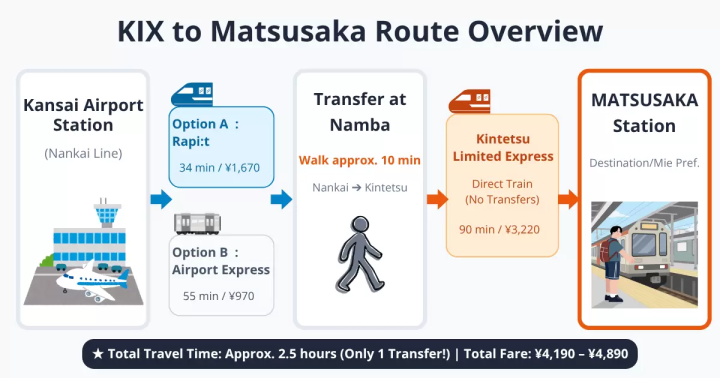
Despite its reputation as an exclusive, hidden-gem locale, reaching Matsusaka from the international gateway of Kansai International Airport (KIX) is remarkably streamlined. The entire journey takes approximately two and a half hours, requiring only a single, straightforward transfer in Osaka. This comprehensive transit guide details the precise logistics, ticketing procedures, fare breakdowns, and step-by-step navigation protocols for travelers executing this route for the first time.
Detailed Chronology: Step-by-Step Transit Guide
Executing the transit from Kansai International Airport to Matsusaka Station involves a two-stage rail journey utilizing Nankai Electric Railway for the first leg and Kintetsu Railway for the second, connected by an entirely indoor, subterranean walking transfer in the Namba district of Osaka.
Step 1: Kansai-Airport Station to Nankai Namba Station
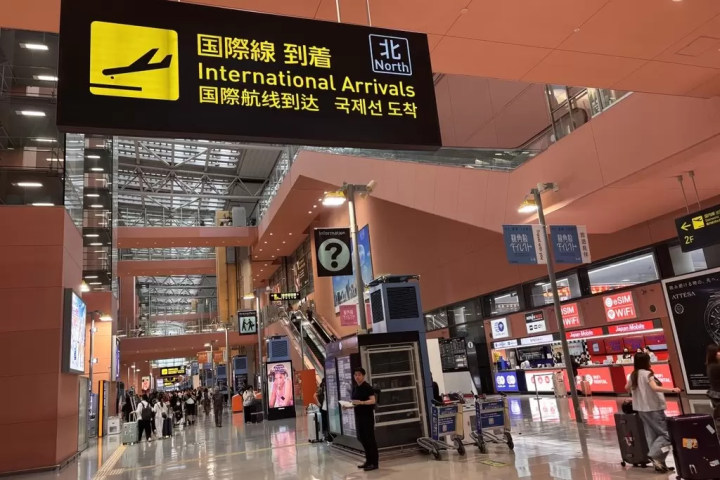
Upon clearing customs and exiting the International Arrival Lobby on the first floor of KIX, passengers should head toward the railway access points.
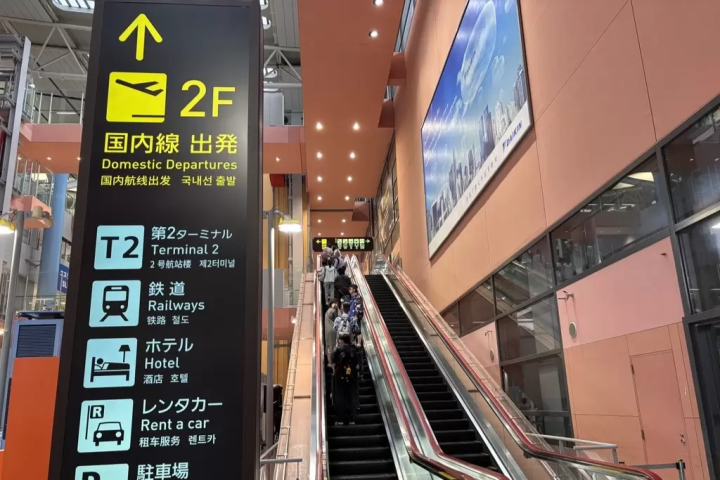
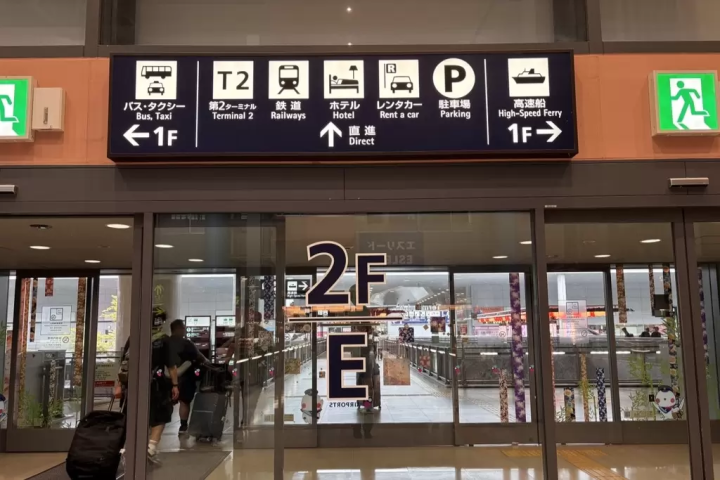
- Locate Transit Access: From the 1F arrival lobby, utilize the elevators or escalators to ascend to the 2nd floor, following clear overhead signage directing visitors to "Railways."
- Cross the Pedestrian Bridge: Proceed through the automatic sliding doors and walk across the dedicated enclosed pedestrian bridge that links the terminal building directly to the Kansai-Airport Station concourse.
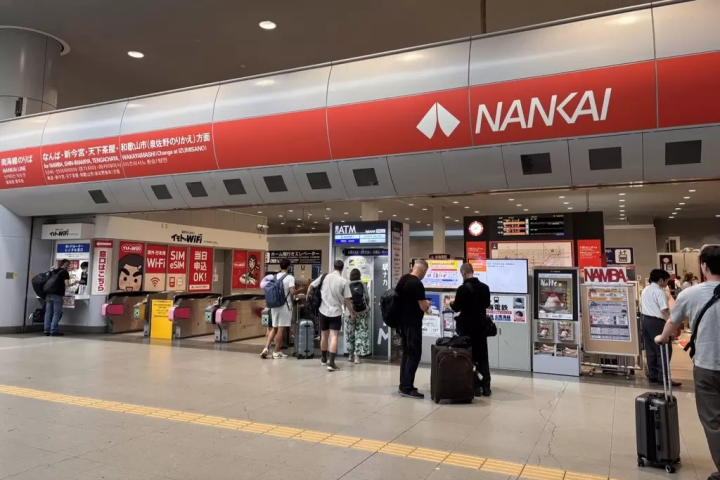
- Choose Your Rail Service: Travelers face a choice between two primary Nankai Railway services, depending on their budget, schedule, and luggage requirements.
Transit Options for Step 1
| Train Type | Travel Time | Total Fare (As of September 2026) | Operational Notes |
|---|---|---|---|
| Option A: Rapi:t (Limited Express) | Fastest: 34–40 minutes | ¥1,670 (Base fare: ¥970 + Express ticket: ¥700) | Fully reserved seating, futuristic styling, dedicated luggage storage spaces, and high-speed transit. |
| Option B: Airport Express | Approximately 55 minutes | ¥970 (Base fare only) | Cost-effective alternative; operates with standard commuter-style bench seating and no seat reservations. |
Ticketing and Boarding Protocols
- Method 1: Station Ticket Machines
- Select your preferred language (English, Chinese, or Korean) on the touchscreen interface.
- Tap the "Purchase Limited Express Ticket" option (for Option A) or "Purchase Ticket" (for Option B).
- Designate your destination as Namba.
- For the Limited Express Rapi:t, select your preferred departure time, passenger count, and specific seats. To simplify the transaction, select the prompt allowing you to purchase the base fare and express ticket simultaneously.
- Complete the transaction using cash or a credit card, retrieve your physical tickets, and insert them into the automated ticket gates.
- Method 2: Online Reservation and Contactless Tap-to-Ride
- Reserve and purchase your reserved seat in advance via the official Nankai Ticketless Service web portal.
- For the base fare portion of the journey, bypass the ticket machines entirely by tapping a compatible contactless credit card (Visa, Mastercard, etc.) or smartphone payment device directly at the designated contactless-enabled ticket gates upon entry and exit.
- Method 3: Manned Ticket Counters
- Speak directly with station staff at the Nankai Ticket Counter, stating your destination (Namba), passenger count, and desired departure time.
- Complete payment, collect your physical media, and pass through the boarding gates.
The Namba Transfer: Navigating to Kintetsu Osaka-Namba Station
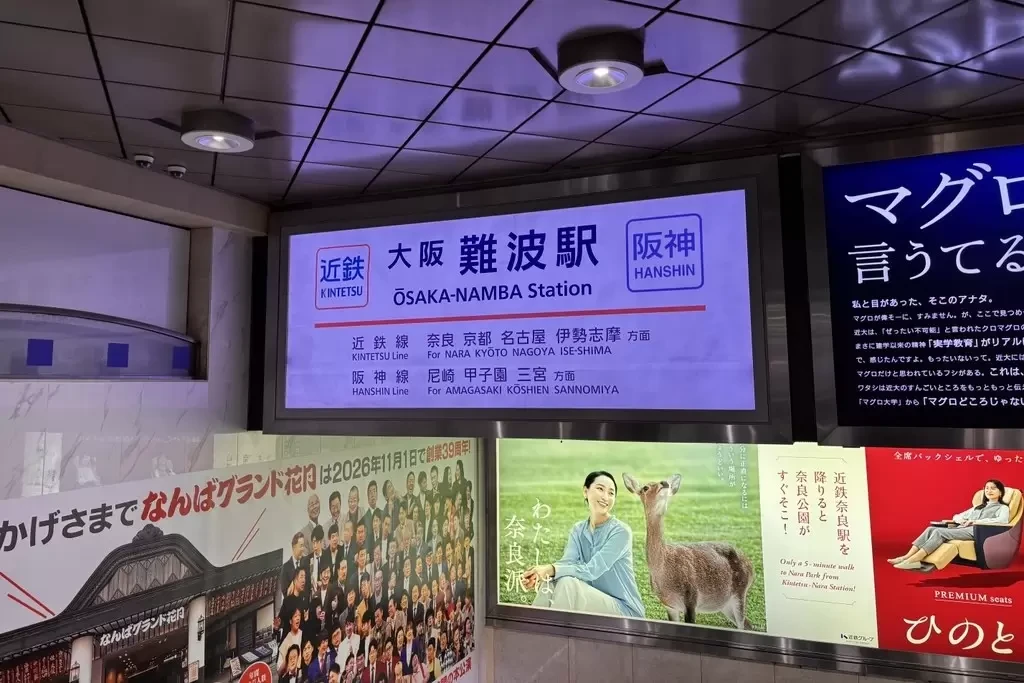
Upon arriving at Nankai Namba Station on the third-floor platform, travelers must execute a ten-minute indoor walking transfer to reach Kintetsu Osaka-Namba Station. The entire route is protected from the elements via subterranean concourses.
Step-by-Step Walking Directions
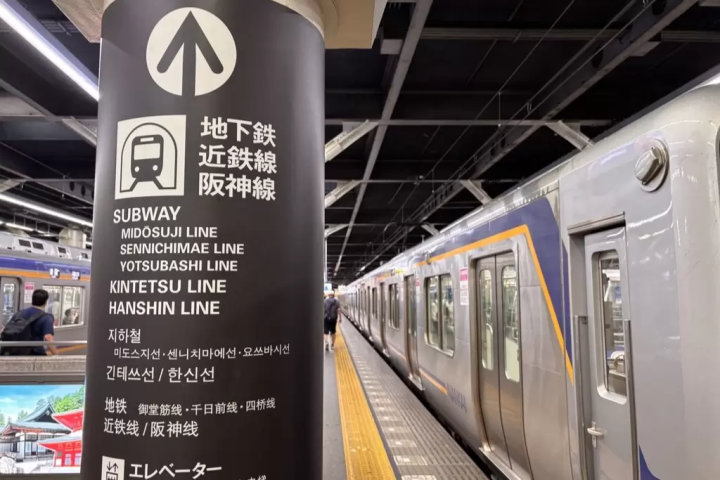
- Exit Nankai Namba Station: Alight from your train on the 3F platform. Look upward for overhead directional signage indicating the "Kintetsu Line." Follow these markers toward the North Exit and pass through the ticket barriers.
- Descend to the First Floor: Immediately after clearing the ticket gates, take the escalator down to the 1F concourse level.
- Descend to the Basement: Continue following the prominent "Kintetsu Line" signage, utilizing the subsequent escalators or stairwells to descend to the subterranean basement level (B1F).
- Traverse the Underground Passage: Walk straight through the expansive, indoor subterranean corridor, keeping pace with the overhead routing markers for the Kintetsu network.
- Arrive at Kintetsu Osaka-Namba Station: The passage terminates directly at the ticket gates and customer service counters of Kintetsu Osaka-Namba Station.
Step 2: Kintetsu Osaka-Namba Station to Matsusaka Station
The final leg of the journey utilizes the Kintetsu Limited Express network, offering a direct, single-seat ride straight to Matsusaka Station without any further changes required.
Service Specifications
- Train Type: Kintetsu Limited Express
- Travel Time: Approximately 90 minutes
- Total Fare: ¥3,220 (Base fare: ¥1,880 + Limited Express surcharge: ¥1,340)
- Seating Configuration: 100% reserved seating configuration with comfortable reclining chairs, footrests, and onboard amenities.
Ticketing Protocols for the Kintetsu Network
- Method 1: Kintetsu Ticket Machines
- Access the bilingual ticket kiosks, select your language, and tap "Purchase Limited Express Ticket."
- Choose Matsusaka as your final destination.
- Select your preferred departure time, party size, and seating preferences.
- Choose the bundled transaction option to purchase both the base fare ticket and the Limited Express ticket concurrently.
- Finalize payment via cash or credit card, collect your paper tickets, and insert them into the optical ticket gates.
- Method 2: Online Reservation with Contactless Entry
- Secure your reserved seating in advance via the official Kintetsu Internet Reservation and Sales Service platform.
- For the base fare, utilize the tap-and-go infrastructure by presenting a contactless payment card or smartphone wallet at the specially marked contactless ticket gates upon entering the network at Osaka-Namba and exiting at Matsusaka.
- Method 3: Manned Ticket Counters
- Approach the Kintetsu manned service counter to purchase your itinerary directly from station personnel.
Supporting Context & Metrics
Financial and Temporal Summary
| Route Segment | Duration | Cost Range (JPY) | Key Logistics |
|---|---|---|---|
| KIX to Nankai Namba (Step 1) | 34 – 55 mins | ¥970 – ¥1,670 | Choice of high-speed limited express (Rapi:t) or standard airport express. |
| Namba Transfer | Approx. 10 mins | Free | Fully indoor, subterranean walking route between stations. |
| Osaka-Namba to Matsusaka (Step 2) | Approx. 90 mins | ¥3,220 | Direct, all-reserved Kintetsu Limited Express train. |
| Total Combined Journey | Approx. 2.5 hours | ¥4,190 – ¥4,890 | Single transfer point; fully integrated ticketing options. |
Historical Background: The Merchant Legacy of Matsusaka
To fully appreciate Matsusaka upon arrival, visitors must understand its historical foundations. During the Edo period (1603–1867), Matsusaka evolved into a powerhouse of commercial enterprise. It was the birthplace of legendary merchants, most notably the founder of the Mitsui global empire (which eventually evolved into Mitsui & Co. and Mitsui Sumitomo Insurance).
Wealthy families built grand estates featuring heavy wooden gates, white plaster walls, and traditional tile roofs to showcase their prosperity. Today, travelers can walk these preserved historic streets—particularly around the merchant districts and the Matsusaka Castle Ruins—gaining an authentic view of elite domestic life during the Tokugawa shogunate largely untouched by modern urban sprawl.
Culinary Heritage: Authentic Matsusaka Beef
Alongside its architectural preservation, Matsusaka is internationally revered as the origin of Matsusaka Beef (Matsusaka-gyu). Regarded as one of Japan’s elite "Three Great Beefs" (alongside Kobe and Omi), this Wagyu is strictly regulated. Only black-haired Japanese cows raised under exacting conditions in the surrounding Mie Prefecture—often fed specialized diets including beer and grain mash, and massaged to ensure optimal fat distribution—earn the designation. The resulting meat is celebrated for its high fat-to-meat ratio, producing a melt-in-the-mouth texture and rich, sweet umami flavor profile.
Official Statements and Tourism Promotion
Local municipal authorities and tourism boards have increasingly emphasized the accessibility of regional destinations for international travelers landing at major hubs like Kansai International Airport.
"While major metropolitan centers like Tokyo and Kyoto continue to draw the vast majority of first-time visitors, our objective is to demonstrate that regional treasures like Matsusaka are remarkably accessible," states a representative from the Matsusaka City Tourism Information Division. "With a transit time of just two and a half hours from KIX and simplified ticketing systems that now accept international contactless payment methods, exploring authentic Japanese culture and world-class cuisine is easier than ever before."
Tourism officials emphasize that the integration of contactless credit card technology across both Nankai and Kintetsu networks significantly reduces friction for foreign tourists unfamiliar with complex Japanese fare adjustment systems.
Future Outlook
Looking ahead to the upcoming tourism seasons, regional transport operators in the Kansai and Chubu regions are slated to expand multilingual digital ticketing platforms and continuous contactless gate rollouts. These infrastructure enhancements aim to make regional rail travel entirely seamless for inbound travelers carrying heavy luggage.
For visitors building an itinerary that balances metropolitan exploration with deep cultural immersion, incorporating Matsusaka as a primary stopover or destination from KIX offers an efficient, historically rich, and gastronomically unparalleled experience. Travelers are encouraged to consult official regional tourism portals for seasonal event schedules, historic site opening hours, and verified dining reservations prior to departure.






Belum ada komentar. Jadilah yang pertama berkomentar!