

Executive Overview
The eternal gastronomic debate concerning the fine line between absolute culinary brilliance and outright madness has endured for generations. Yet, rarely has that debate manifested quite so literally as a towering, calorie-laden fusion of Japanese comfort foods smothered in molten cheese and served in the heart of downtown Tokyo.
Recently, a culinary expedition led by SoraNews24 staff ventured into the gritty, neon-lit enclave of Uguisudani to investigate a striking creation: the Jiro-kei Cheese Karaage-don. Offered exclusively at the local branch of Karaage no Tensai—a fried chicken chain operating under the sprawling umbrella of the Watami restaurant group—this heavyweight rice bowl boldly invokes the cult-like obsession surrounding Ramen Jiro, the legendary, hyper-salty, garlic-heavy ramen institution of Japan.
Priced at 1,408 yen (approximately $8.85 USD), this towering dish attempts an ambitious cross-pollination. It marries the ubiquity of karaage (Japanese-style fried chicken) with the notoriously intense flavor profile of Jiro-style ramen. However, as our on-the-ground investigation revealed, translating the essence of a legendary soup-based noodle dish into a dry, cheese-drenched rice bowl is an exercise fraught with both structural challenges and flavor imbalances.
This report provides a comprehensive examination of the phenomenon, analyzing the background of Karaage no Tensai’s corporate trajectory, the anatomy of the Jiro-kei Cheese Karaage-don, a detailed tasting chronology, and the broader cultural implications of modern Japanese fast-casual menu engineering.
Detailed Chronology: The Quest for Uguisudani’s Ultimate Comfort Food
Setting the Scene: Arrival in Uguisudani
The journey began on a humid afternoon in Tokyo’s Taito Ward. Uguisudani, wedged between the bustling transit hubs of Ueno and Nippori, is a neighborhood historically known for its working-class roots, retro atmosphere, and eclectic dining scene. It is precisely the kind of district where experimental, heavy-hitting comfort foods find a welcoming, unpretentious audience.
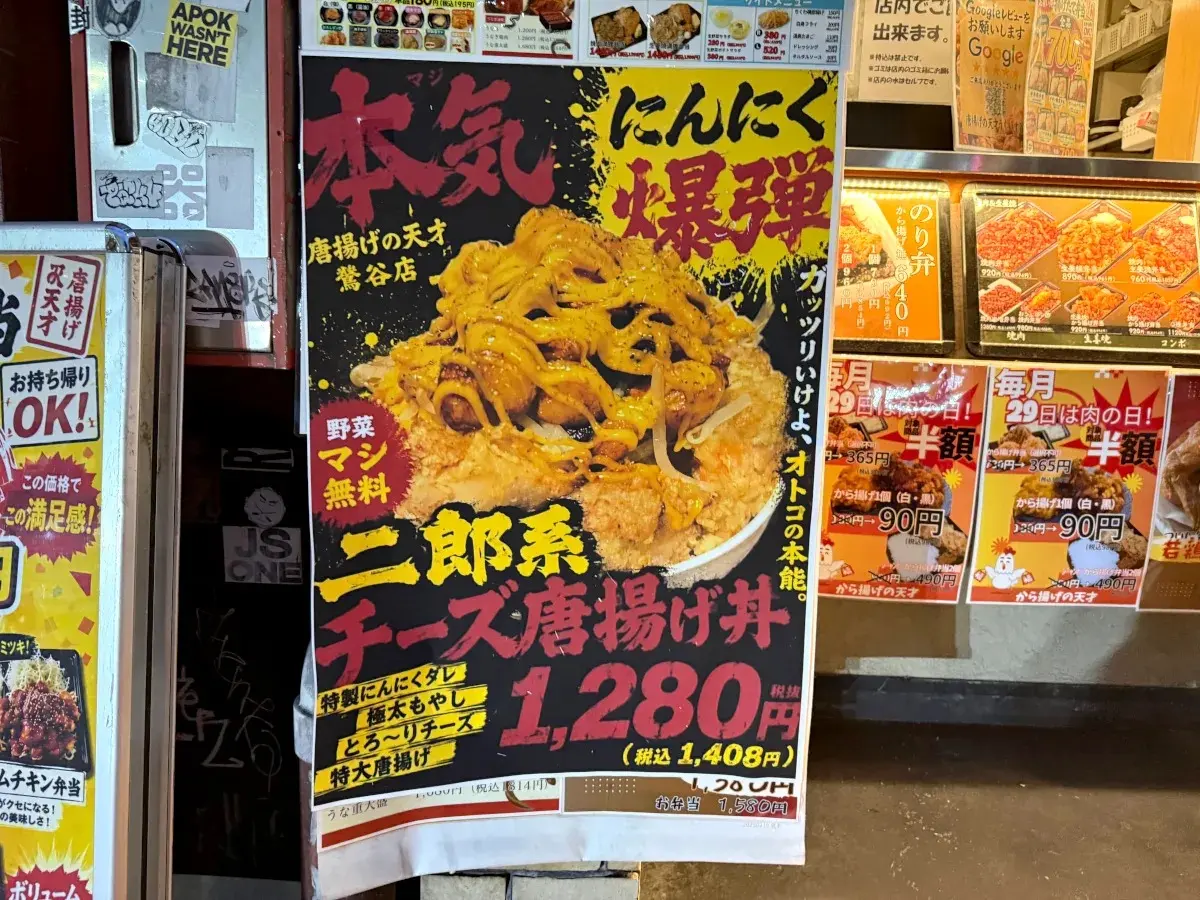
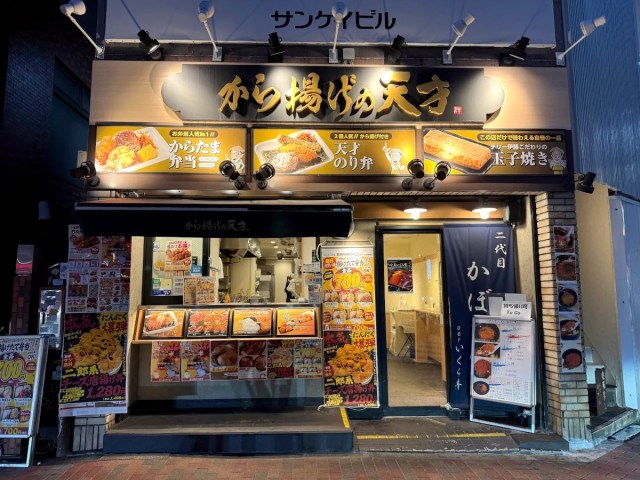
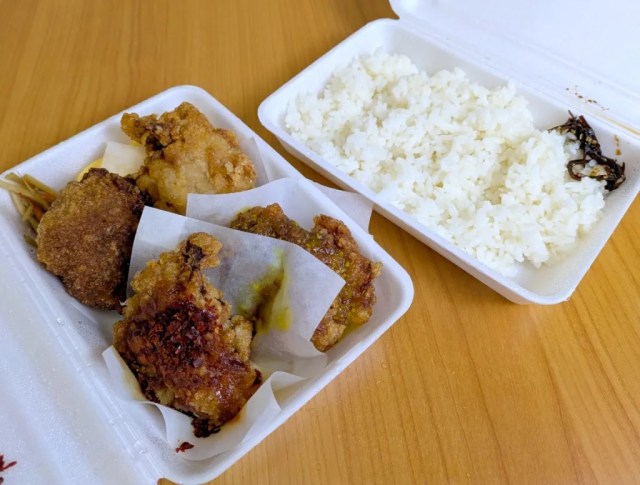
Upon arriving at the storefront of Karaage no Tensai, investigators were greeted by the familiar branding of the chain. Translated literally as the "Genius of Fried Chicken," the establishment has long traded on the promise of crispy, well-marinated poultry. Yet, stepping inside the Uguisudani branch immediately revealed an anomaly: discrete, handwritten, and brightly colored promotional signage advertising a menu item entirely absent from standard corporate locations.
The item in question—the Jiro-kei Cheese Karaage-don—loomed large on the promotional materials. Promising a mountain of bean sprouts, roasted garlic cloves, hefty pieces of fried chicken, and a vivid cascade of cheese sauce, the bowl was explicitly designed to catch the eye of weary salarymen, adventurous food bloggers, and devotees of extreme dining.
Ordering and First Impressions
Upon placing the order for the 1,408-yen bowl, the kitchen set to work assembling the architectural marvel. Within minutes, the dish was served.
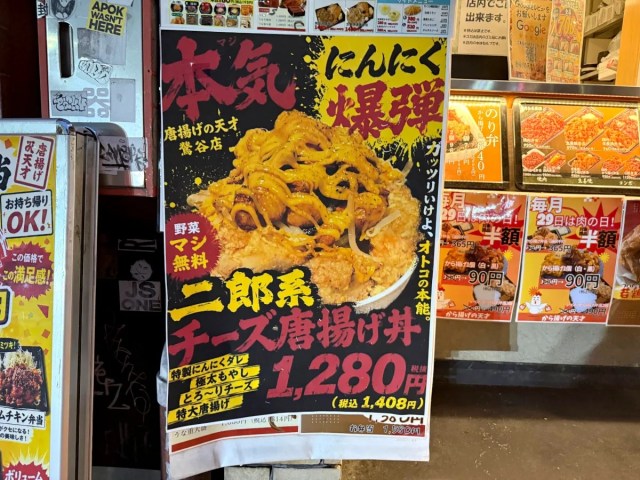
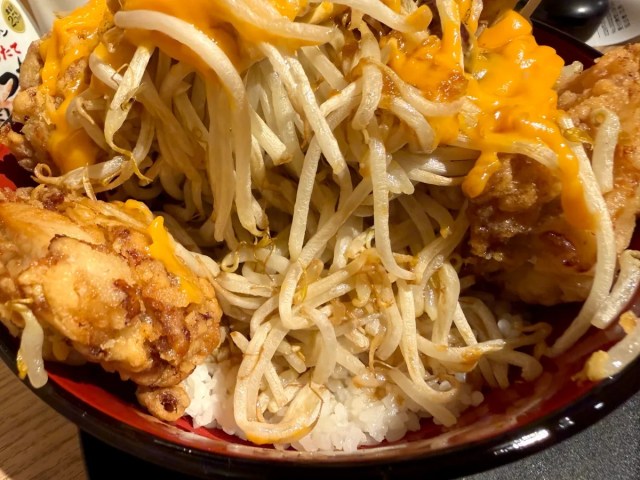
Visually, the Jiro-kei Cheese Karaage-don delivers an immediate, undeniable impact. The portioning is so aggressively generous that the toppings appear precariously balanced, threatening to spill over the rim of the bowl at the slightest provocation. A dense layer of white, crisp bean sprouts forms the base of the mountain, interspersed with whole cloves of roasted garlic. Surrounding and anchoring this heap are six substantially sized, freshly fried pieces of karaage.
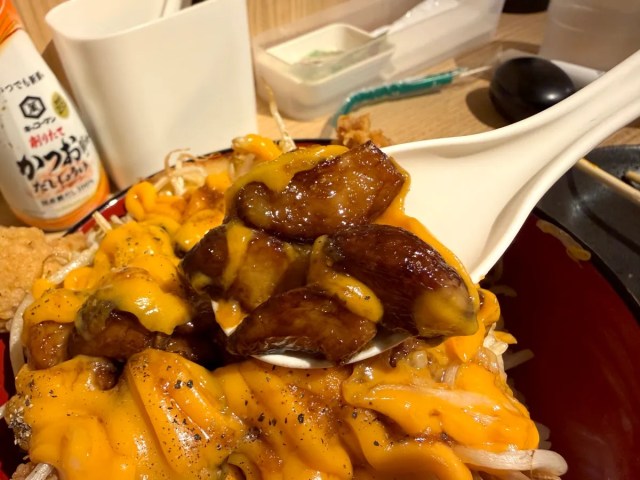
Draped over the entire assembly like a vibrant, synthetic blanket is a heavy squirt of bright yellow-orange cheese sauce. This element immediately signals a departure from traditional Japanese ramen culture, serving as the primary visual and structural bridge to Western-style comfort food indulgence.
Supporting Context & Metrics: The Rise, Fall, and Evolution of Karaage no Tensai
To fully understand why a neighborhood fried chicken shop would resort to launching such an eccentric, hyper-localized menu item, one must examine the turbulent economic and culinary landscape of the post-pandemic Japanese restaurant industry.
The Rise and Contraction of a Fast-Food Phenomenon
Karaage no Tensai was launched in 2018 by the Watami restaurant group—a corporate giant historically celebrated for its ubiquitous izakaya (Japanese pub) chains. The timing of the brand’s rollout proved fortuitous. When the COVID-19 pandemic swept across the globe in 2020 and 2021, the dining-out sector faced unprecedented devastation. Sit-down izakayas suffered catastrophic losses as alcohol sales were restricted and operating hours curtailed.
Conversely, the market for karaage experienced an unprecedented national boom. Fried chicken naturally lends itself to takeout and delivery: it travels well, retains its structural integrity better than delicate noodle dishes, and provides a dense, comforting caloric payload that consumers craved during times of societal stress. Capitalizing on this trend, Karaage no Tensai expanded at a blistering pace. By mid-2021, the brand boasted an impressive milestone of 100 operating branches nationwide.
However, the karaage boom proved to be a double-edged sword. The barrier to entry for opening a fried chicken specialty shop was remarkably low. Within months, the Japanese culinary market became entirely saturated, with independent pop-ups, convenience store expansions, and rival corporate chains all vying for the same consumer base. As pandemic-era restrictions lifted and dining habits normalized, the market underwent a violent correction. By the time of this investigation, Karaage no Tensai’s footprint had contracted dramatically, shrinking from 100 locations down to a mere six surviving branches.
The Cultural Shadow of "Ramen Jiro"
In an effort to survive in a hyper-competitive market, surviving branches have had to pivot toward high-impact, viral menu engineering. Enter the concept of "Jiro-style" (Jiro-kei).
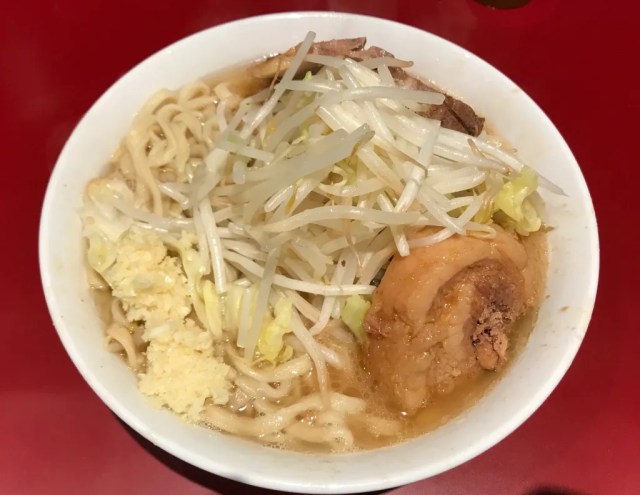
Ramen Jiro is not merely a restaurant chain; it is a cultural phenomenon with a fanatical, almost cult-like following known colloquially as Jiro-rian. Established in 1968, Ramen Jiro is famous for defying conventional culinary refinement. Its signature bowl consists of:
- An exceptionally rich, cloudy, and hyper-salty pork-based broth loaded with rendered backfat (abura).
- Thick, chewy, irregular wheat noodles.
- A staggering, mountain-like heap of boiled bean sprouts and cabbage.
- Mounds of freshly minced raw or roasted garlic (ninniku).
- Thick slabs of braised pork (chashu).
The culture surrounding Ramen Jiro involves rigid ordering etiquette, intense physical challenges (finishing the massive portions is known as "conquering" a bowl), and a flavor profile defined by an aggressive assault on the senses—specifically salt, fat, garlic, and volume.
By invoking the "Jiro-kei" moniker, Karaage no Tensai’s Uguisudani branch sought to harness this powerful subcultural cachet. Yet, translating soup-based ramen tropes into a dry-format rice bowl required a radical culinary translation.
The Tasting Experience: Anatomy of a Hybrid Creation
With chopsticks in hand and expectations managed, the SoraNews24 tasting reporter embarked on a systematic dissection of the Jiro-kei Cheese Karaage-don.
Layer-by-Layer Breakdown
- The Base: At the very bottom of the vessel lies a bed of steamed white rice, designed to absorb excess moisture, oils, and flavors from the toppings above.
- The Produce: A massive volume of boiled bean sprouts (moyashi) provides crunch and volume, mimicking the vegetable mountain characteristic of Ramen Jiro.
- The Protein: Six well-proportioned, freshly fried pieces of Karaage no Tensai’s signature chicken. While the chicken itself is independently praised for its baseline quality, crisp batter, and juicy interior, it operates here as a foundational building block rather than a solitary showcase.
- The Aromatics: Cloves of roasted garlic are scattered throughout the bowl, offering intermittent bursts of earthy, pungent warmth.
- The Twist: The molten cheese sauce. Because a traditional pork-and-soy broth cannot be effectively integrated into a rice bowl without turning the rice into unpalatable mush, the culinary team utilized a rich, highly salted cheese sauce as a structural and flavor proxy for Jiro’s infamous salty-oily broth.
Flavor Profile and Sensory Evaluation
Upon taking the first bite, the rationale behind the cheese sauce instantly became clear. The sauce possesses an intensely high sodium content and a heavy, velvety creaminess. In the minds of the recipe developers, this heavy dairy element was engineered to replicate the mouthfeel and aggressive salt hit of a genuine Jiro broth.
However, this substitution introduces a distinct culinary dilemma. While the cheese sauce successfully mimics the saltiness and richness of Jiro ramen, it entirely dominates the flavor spectrum. Unlike a bowl of Ramen Jiro—where the pungent raw garlic, savory pork fat, soy-sauce-infused tare, and sweet cabbage engage in a complex, shifting interplay—the Jiro-kei Cheese Karaage-don suffers from a lack of seasoning variety.
The bean sprouts possess virtually no seasoning of their own, relying entirely on whatever cheese or oil migrates downward. Similarly, the fried chicken’s internal marinade is largely drowned out by the external dairy blanket. Consequently, from the first bite to the last, salty cheese reigns supreme as the singular, unyielding dominant flavor.
As the meal progresses past the halfway mark, palate fatigue inevitably sets in. The rich, monochromatic flavor profile begins to feel heavy and repetitive. To combat this, the tester found themselves repeatedly retreating to plain mouthfuls of unseasoned bean sprouts, utilizing them as a rudimentary palate cleanser to reset the tongue before diving back into the cheesy fray.
Official Perspectives and Market Reception
While official corporate commentary from the Watami group regarding this hyper-local experiment remains sparse, industry analysts view such menu items through the lens of survival and experimentation.
For legacy restaurant groups managing contracting legacy brands, empowering individual store managers to introduce localized, high-risk, high-reward dishes serves a dual purpose. First, it generates organic social media buzz and attracts food enthusiasts willing to travel across the city for a novelty experience. Second, it tests consumer appetite for future nationwide rollouts without requiring sweeping corporate supply-chain changes.
Initial reception among food bloggers and online reviewers has been mixed yet generally indulgent. Few reviewers claim that the dish successfully replaces an authentic pilgrimage to a genuine Ramen Jiro location. Instead, public consensus frames the bowl as a glorious, unapologetic guilty pleasure—a decadent, high-calorie stunt food that delivers immense physical satisfaction, even if it falls slightly short of its lofty namesake’s promise.
Future Outlook: Where Do Hyper-Fusions Go From Here?
As the Japanese fast-casual sector continues to navigate post-pandemic economic realities, the pressure to innovate through reckless culinary hybridization will only intensify.
The Jiro-kei Cheese Karaage-don at Karaage no Tensai’s Uguisudani branch stands as a fascinating case study in modern fast-food adaptation. It proves that while consumers are increasingly fatigued by standard menu offerings, forcing disparate culinary traditions together requires careful balancing to avoid total flavor dominance by a single ingredient.
Whether the Jiro-kei Cheese Karaage-don will escape its regional confinement and appear at the remaining five nationwide locations of Karaage no Tensai remains to be seen. What is certain, however, is that as long as adventurous eaters are willing to gamble 1,408 yen in pursuit of the intersection between genius and madness, Tokyo’s side-street kitchens will continue to dream up towering, deep-fried monstrosities designed to test the limits of both the human appetite and culinary reason.






Belum ada komentar. Jadilah yang pertama berkomentar!