

Executive Overview
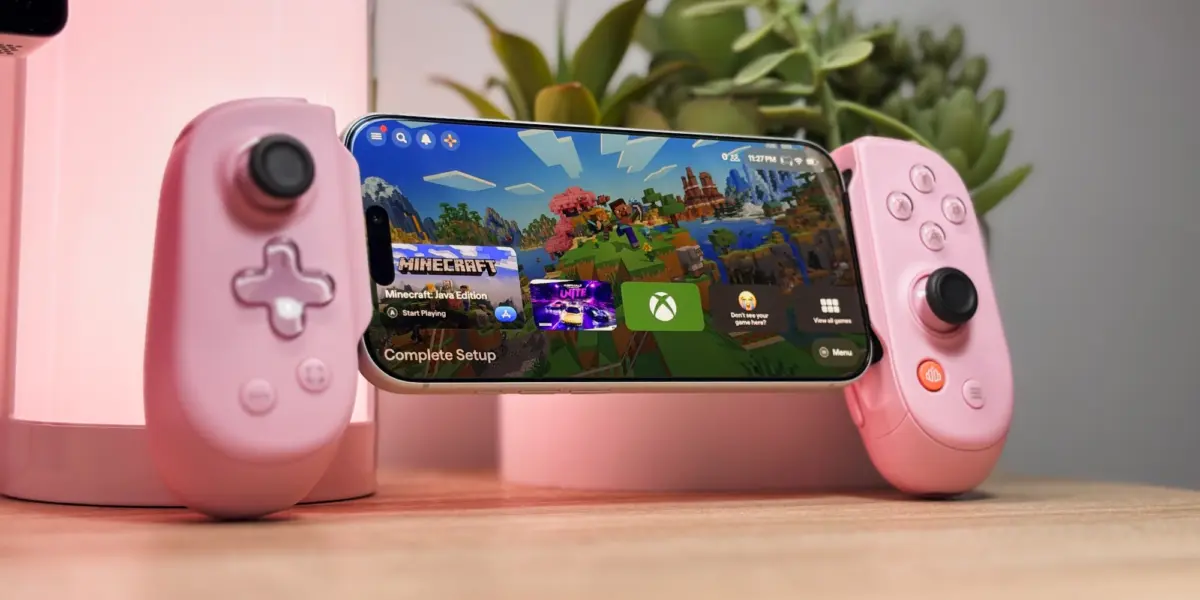
In the rapidly evolving landscape of mobile gaming, accessories that bridge the gap between casual play and dedicated console-level performance have become essential. Backbone, a recognized market leader in snap-in smartphone gamepads, has introduced eye-catching new colorways to its hardware lineup: a vibrant Pink Edition for the flagship Backbone Pro and a striking Purple Edition for the classic Backbone One.
While Backbone’s hardware has traditionally favored utilitarian, monochromatic aesthetics designed to mimic traditional console ecosystems, this latest product drop signals a strategic pivot. By introducing playful, lifestyle-oriented colorways, Backbone is explicitly targeting casual gamers, lifestyle content creators, and mobile users looking to inject personality into their tech setups without sacrificing ergonomics or performance.
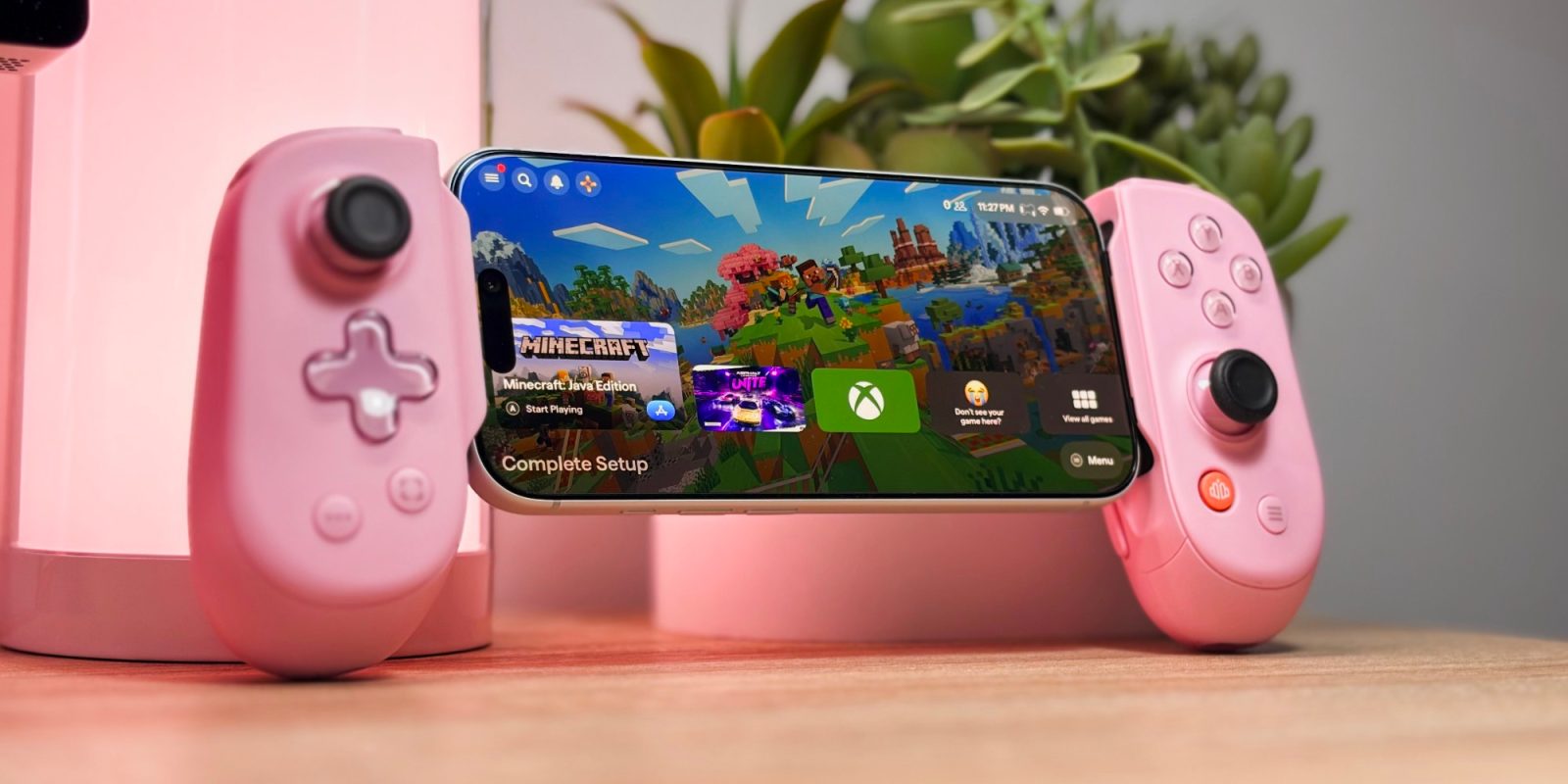
This release arrives at a pivotal time for mobile gaming. With the proliferation of advanced mobile chips, robust cloud gaming services like Xbox Cloud Gaming and GeForce NOW, and native AAA titles arriving on iOS and Android, the demand for versatile, high-performance physical controllers is at an all-time high. This comprehensive review and analysis explores how the new editions perform, the key technical distinctions between the Backbone Pro and Backbone One, and what this launch means for the future of portable gaming.
Detailed Chronology & Product Evolution
To understand the significance of the new Pink and Purple editions, it is necessary to examine how Backbone has evolved its product stack over recent years.
The Foundation: The Backbone One
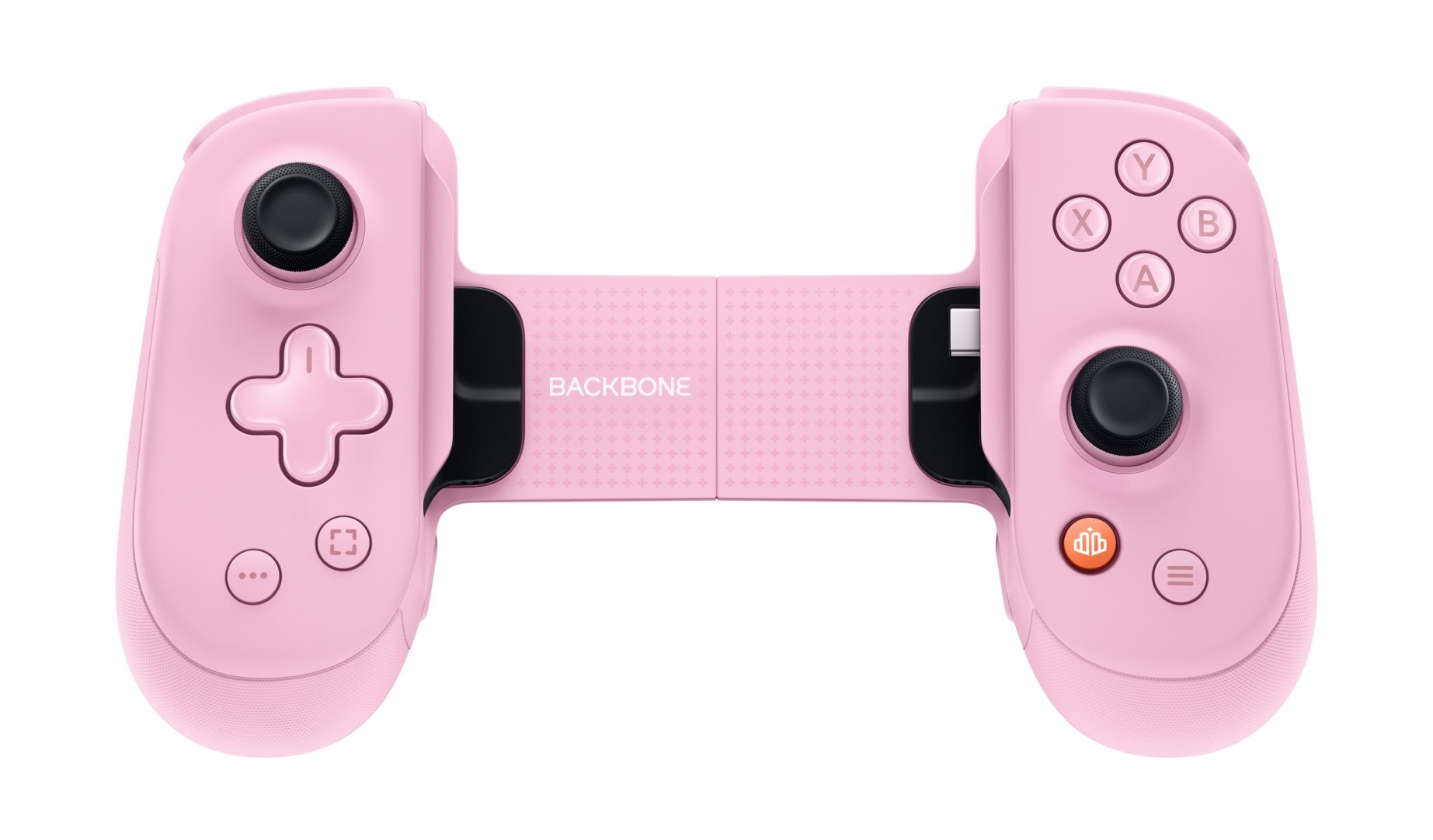
When Backbone first entered the market, it disrupted the mobile accessory space by introducing a seamless snap-in controller that utilized direct physical connections to minimize input latency. The Backbone One quickly became the gold standard for iPhone and Android gamers. It transformed smartphones into fully realized handheld consoles, featuring clickable thumbsticks, a D-pad, analog triggers, and dedicated software integration.
However, the original Backbone One was bound by physical limitations. It relied entirely on a direct wired plug-in connection, meaning it was strictly designed to cradle a smartphone directly.
The Leap Forward: The Backbone Pro
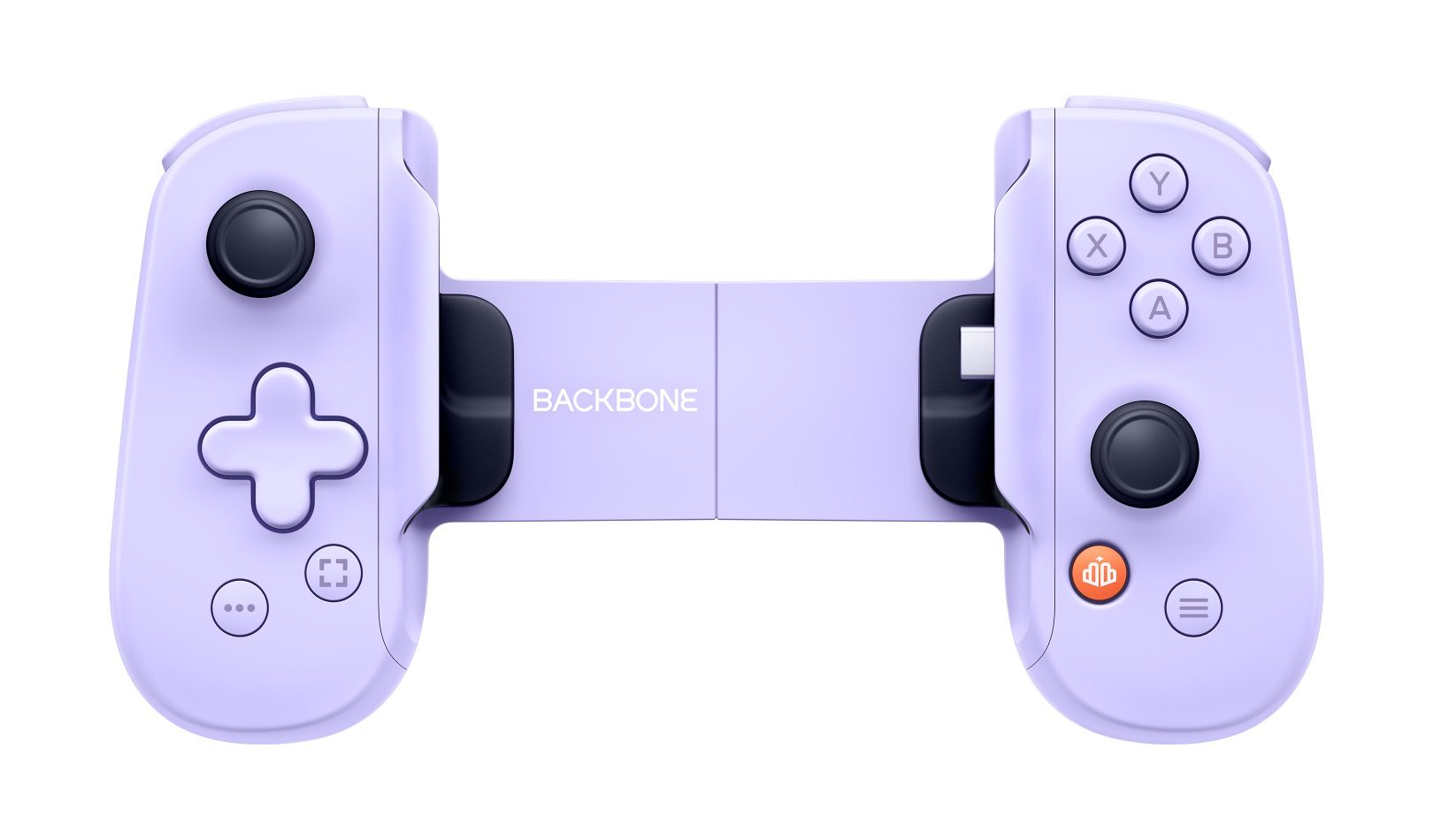
Earlier this year, Backbone redefined its hardware portfolio with the announcement of the Backbone Pro. Addressing the long-standing requests of power users, the Backbone Pro introduced a suite of transformative upgrades, most notably Bluetooth support and an internal battery.
By cutting the physical cord constraint, the Backbone Pro transitioned from a simple phone-clamping accessory into a universal wireless controller. Users could now pair the controller via Bluetooth to tablets, smart TVs, PCs, and even other phones without needing to snap the device directly into the chassis. Furthermore, the Backbone Pro refined the underlying tactile feedback, improved thumbstick tension, and enhanced overall build quality to rival first-party controllers from Microsoft and Sony.
The Lifestyle Drop: Pink and Purple Editions
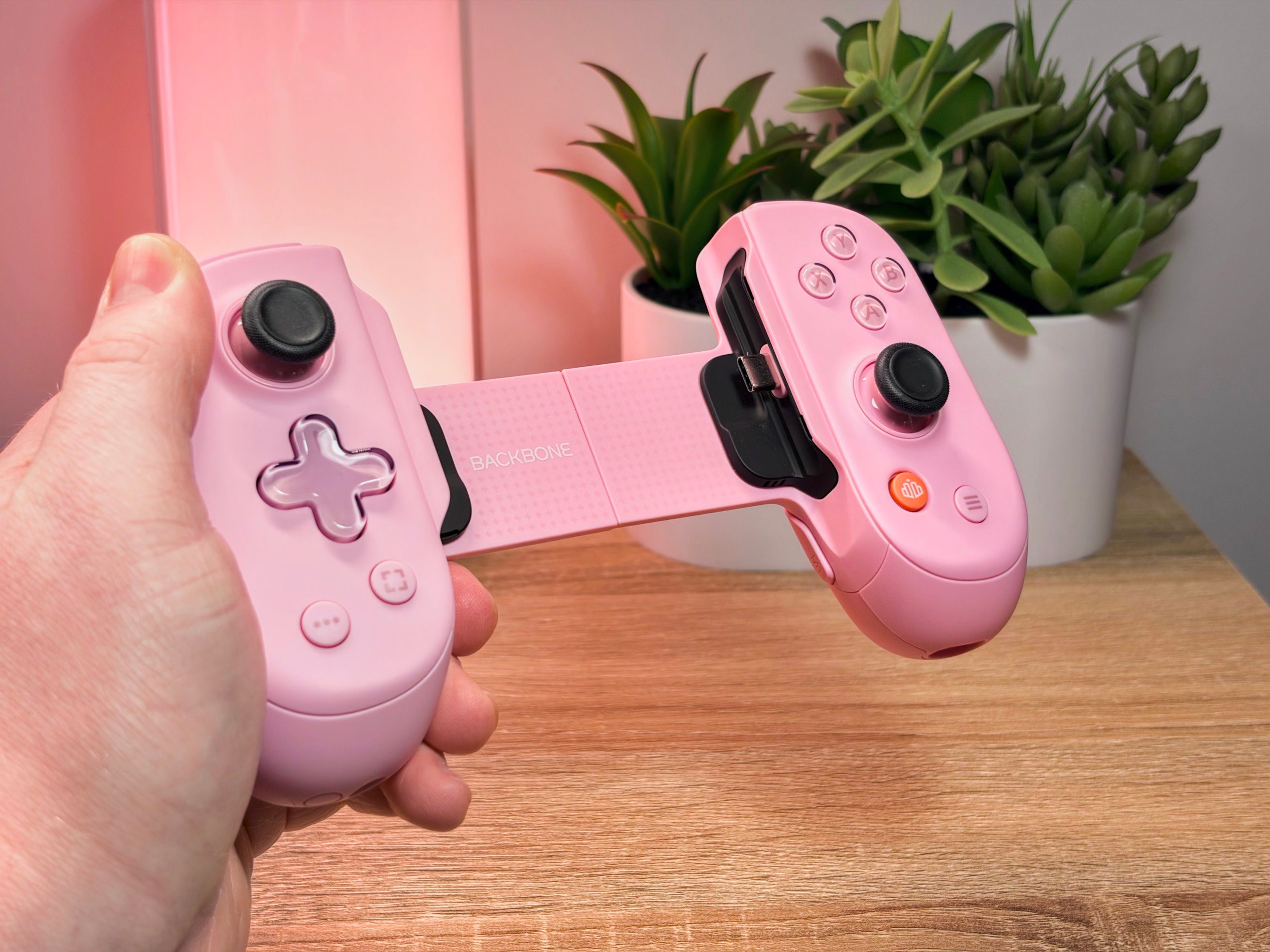
Building upon the success of the Pro and One architectures, Backbone announced retail availability for the new colorways. The Backbone Pro: Pink Edition brings a lively, pastel-adjacent aesthetic to the higher-end model, while the Backbone One: Purple Edition offers a deep, nostalgic violet hue reminiscent of classic retro gaming consoles.
Crucially, these new editions are secured as retail exclusives with Target, positioning them prominently in major consumer storefronts just ahead of major shopping seasons. While the internal mechanics, port layouts, and software ecosystems remain consistent with their standard-edition counterparts, the visual refresh breathes new life into hardware that was previously limited to stark black and white color profiles.
Design, Ergonomics, and Gameplay Experience
Aesthetic Appeal and Build Quality
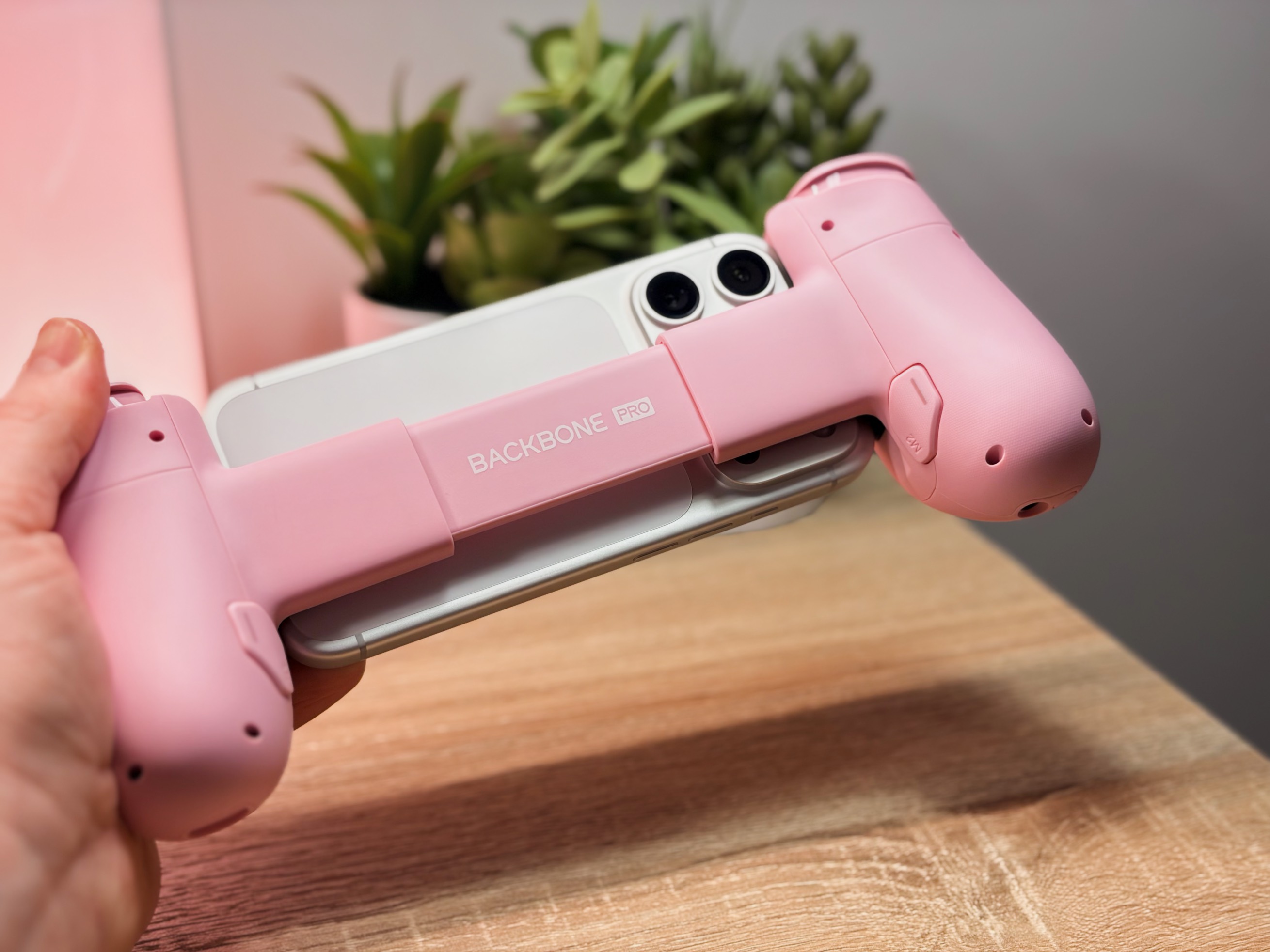
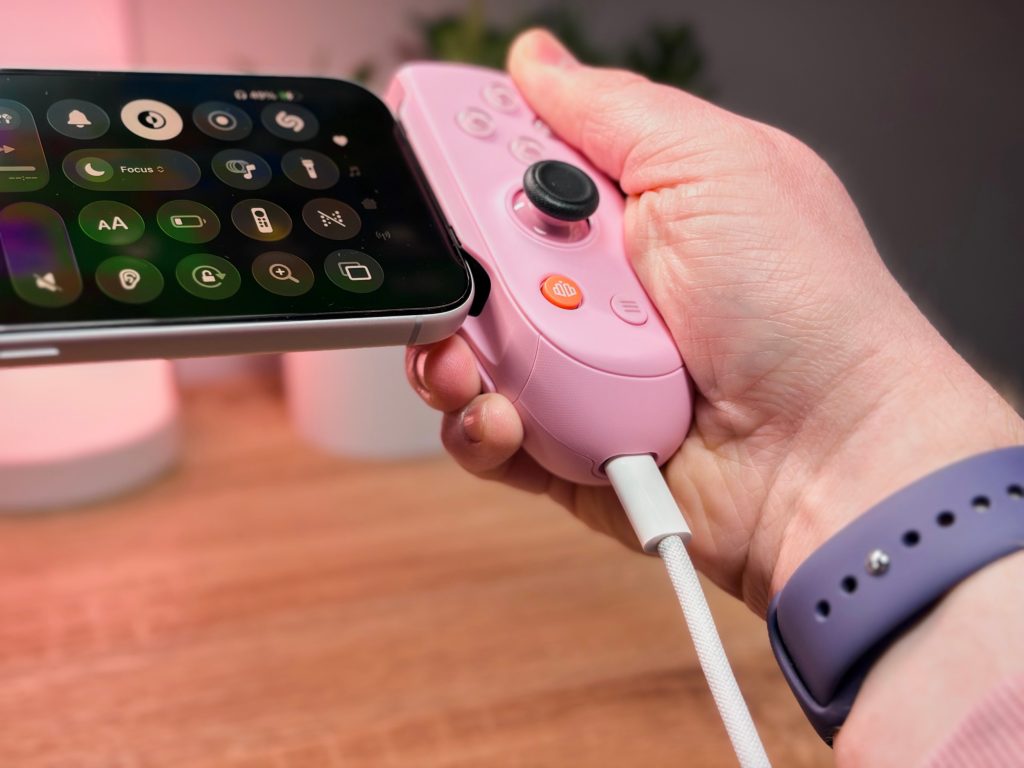
Unboxing the Backbone Pro in its new Pink finish immediately highlights the company’s attention to detail. The shade of pink chosen is neither overly neon nor aggressively garish; it strikes a balanced, premium tone that feels at home next to modern pastel tech accessories. The matte finish resists fingerprint smudges effectively, ensuring that extended gaming sessions do not leave the controller looking worn or greasy.
Despite its lightweight and compact frame—making it significantly more travel-friendly than a standard Xbox or PlayStation DualSense controller—the device maintains a rigid structural integrity. When a smartphone is locked into the telescoping bridge, there is no alarming flex or wobble.
Putting It to the Test: From Asphalt to Emulators
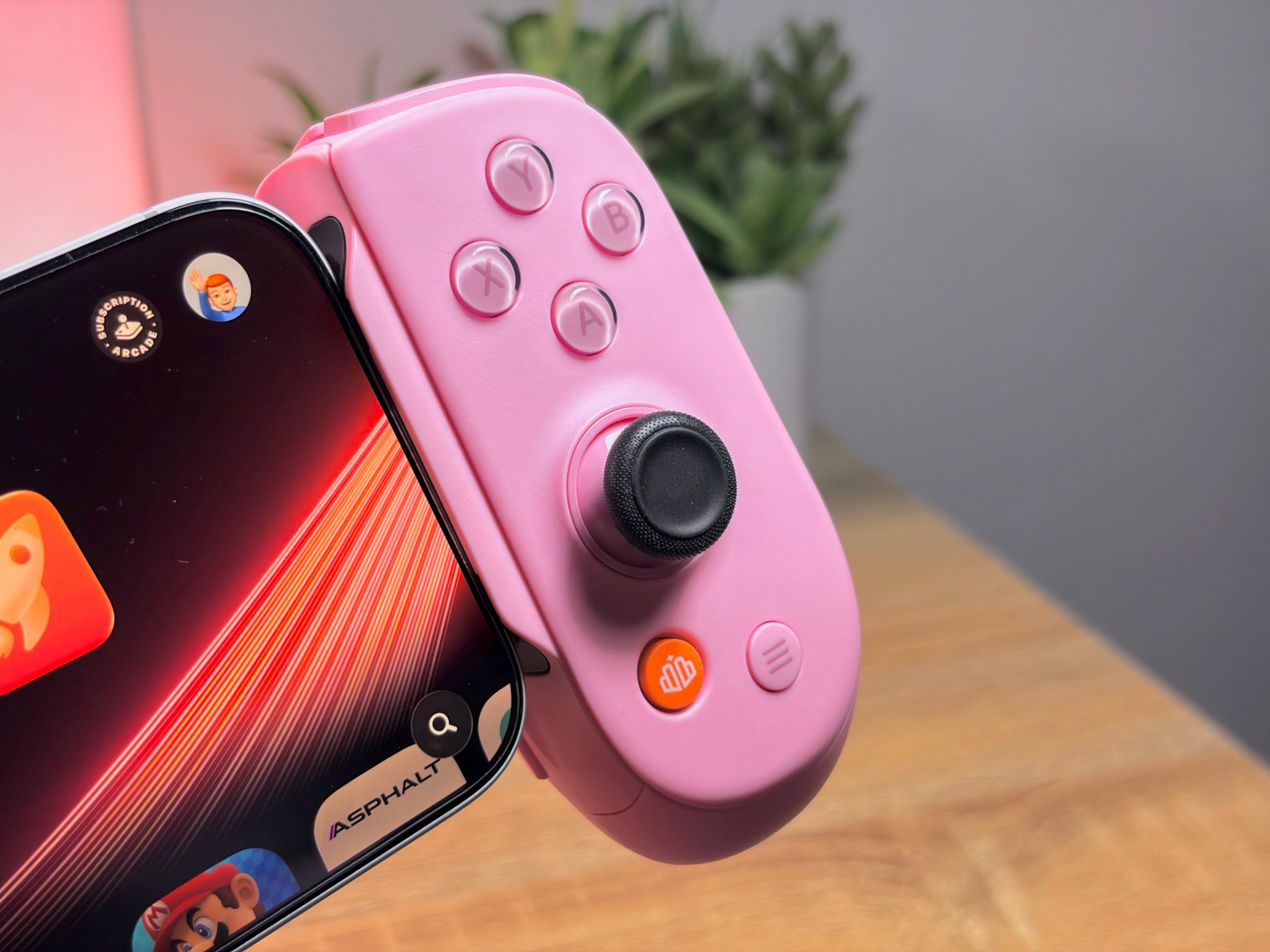
As a casual gaming accessory, the controller shines brightly. Testing the hardware across high-octane racing titles like Asphalt reveals zero perceptible input lag when hardwired, and impressively low latency when utilizing the Backbone Pro’s Bluetooth mode. The tactile clicks of the face buttons provide satisfying feedback, while the triggers offer enough resistance to allow for nuanced acceleration and braking control.
For players transitioning from touch-screen controls to physical hardware, the learning curve is virtually nonexistent. The muscle memory from traditional consoles translates instantly, immediately elevating win rates and overall immersion in fast-paced mobile environments.
Software Integration: The Backbone App and Ecosystem
Hardware is only half the battle in the modern gaming landscape; software synergy dictates whether an accessory becomes a daily driver or collects dust in a drawer. Backbone’s proprietary software ecosystem remains one of its strongest competitive advantages.
Universal App Launcher and Streaming Services
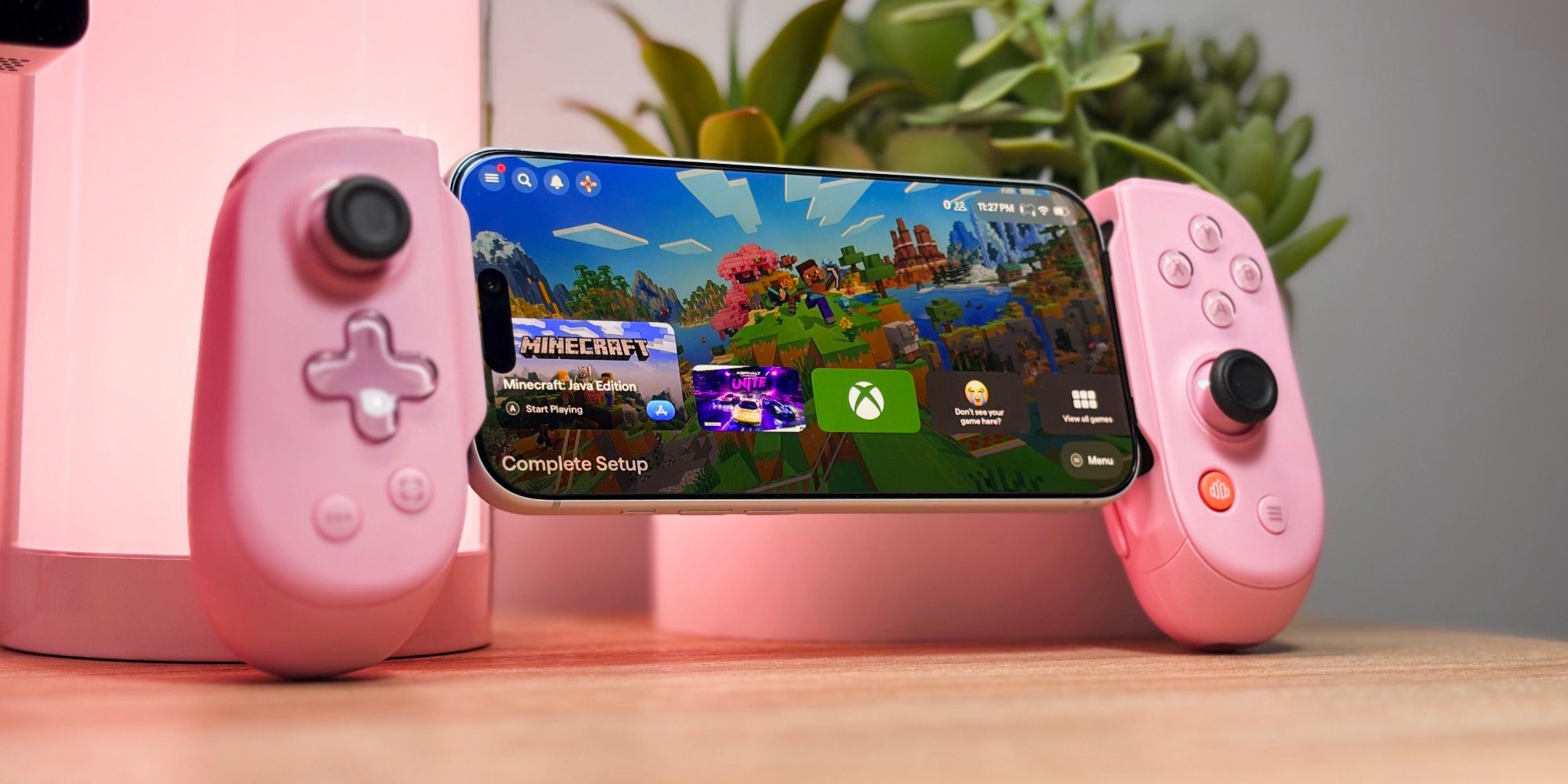
The Backbone app serves as a centralized hub that aggregates games from local storage, cloud services, and streaming platforms. Crucially, the app is platform-agnostic. Users can launch native mobile games, stream high-end titles via Xbox Cloud Gaming and Nvidia GeForce NOW, or utilize the Steam Link app to play PC titles remotely while lounging away from the desktop.
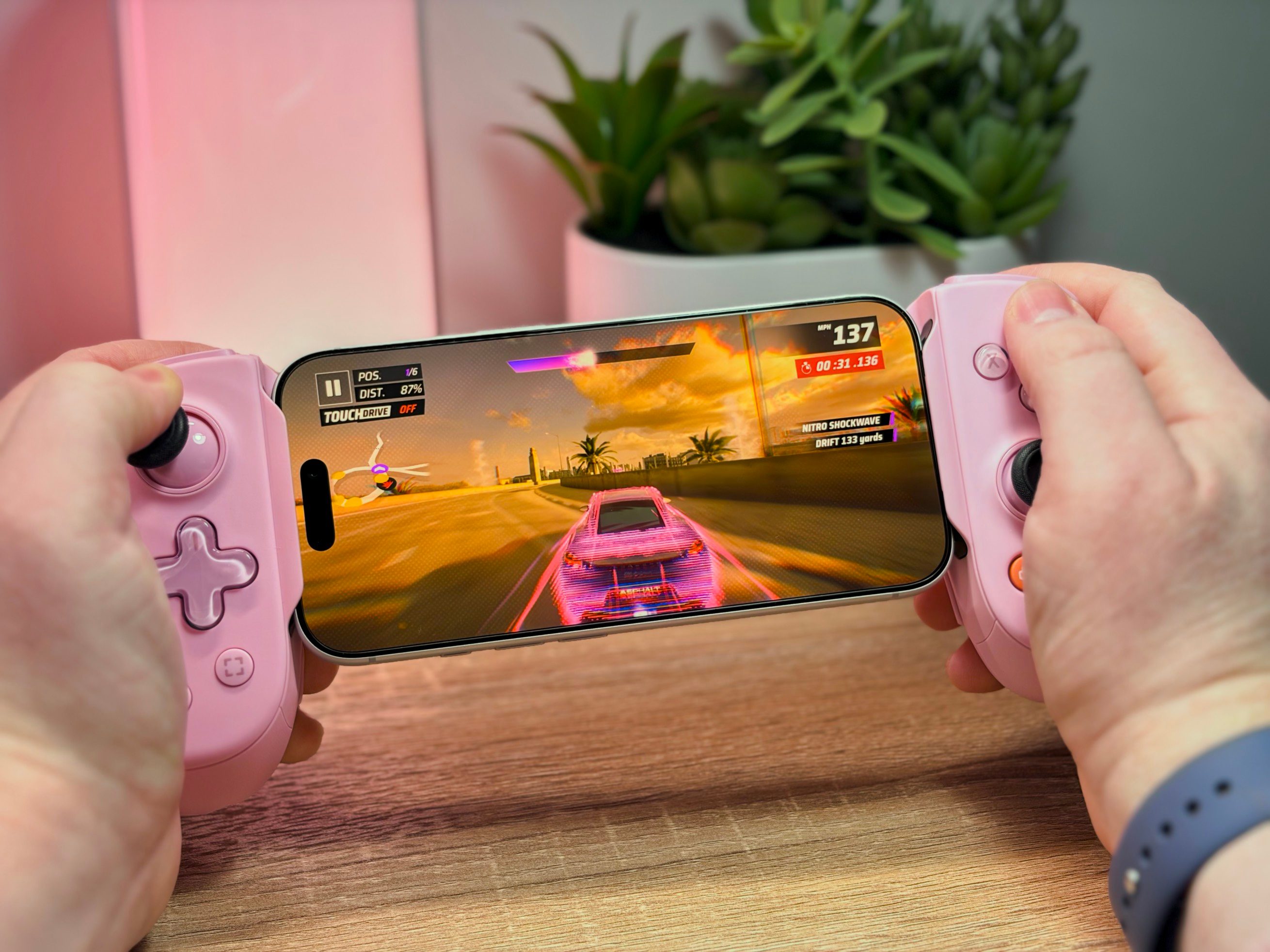
A dedicated orange button on the face of the controller offers instant, one-click access to the Backbone dashboard, eliminating the need to fumble through home screens to launch a gaming session.
Apple Games Integration and OS-Level Support
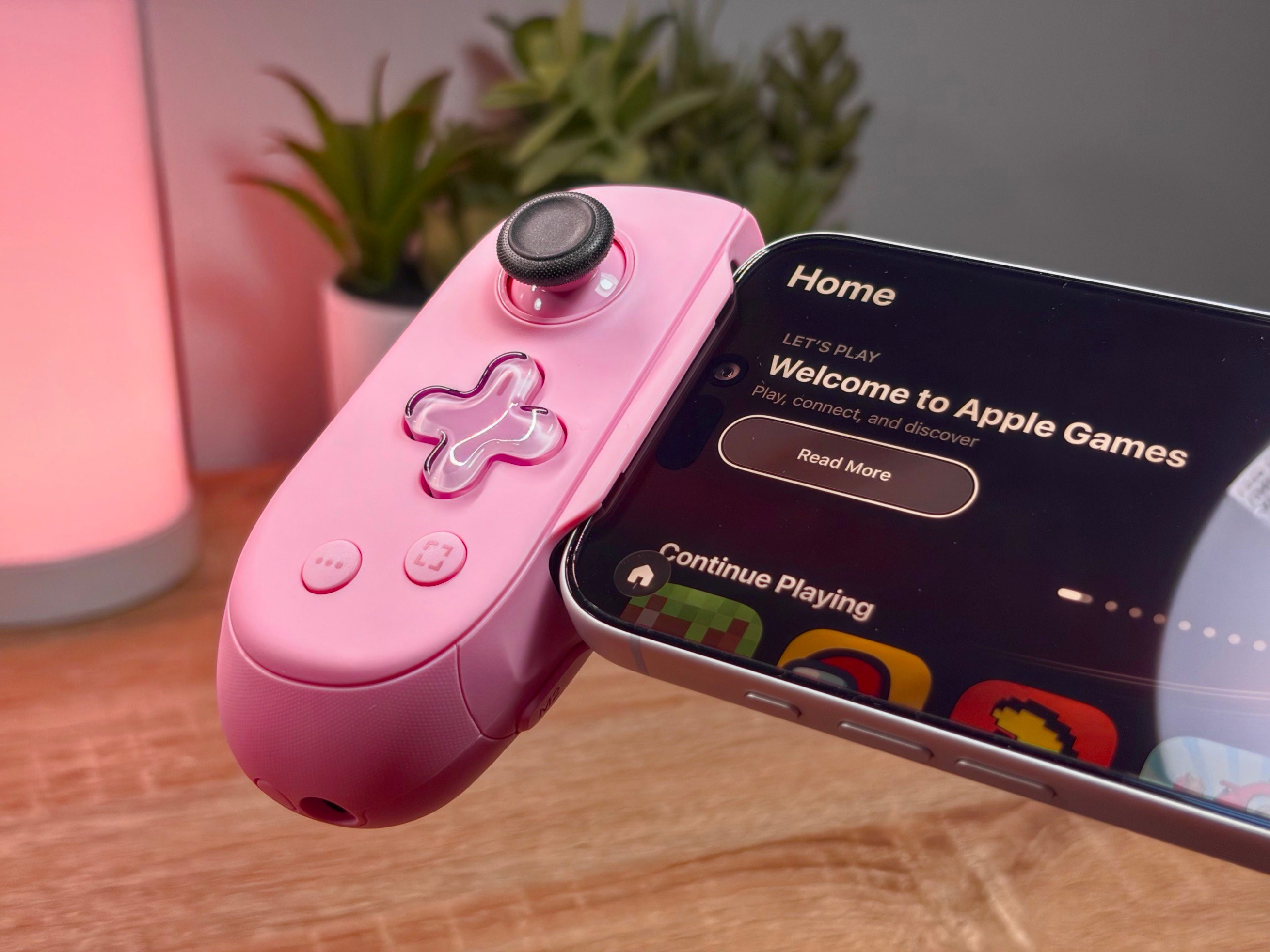
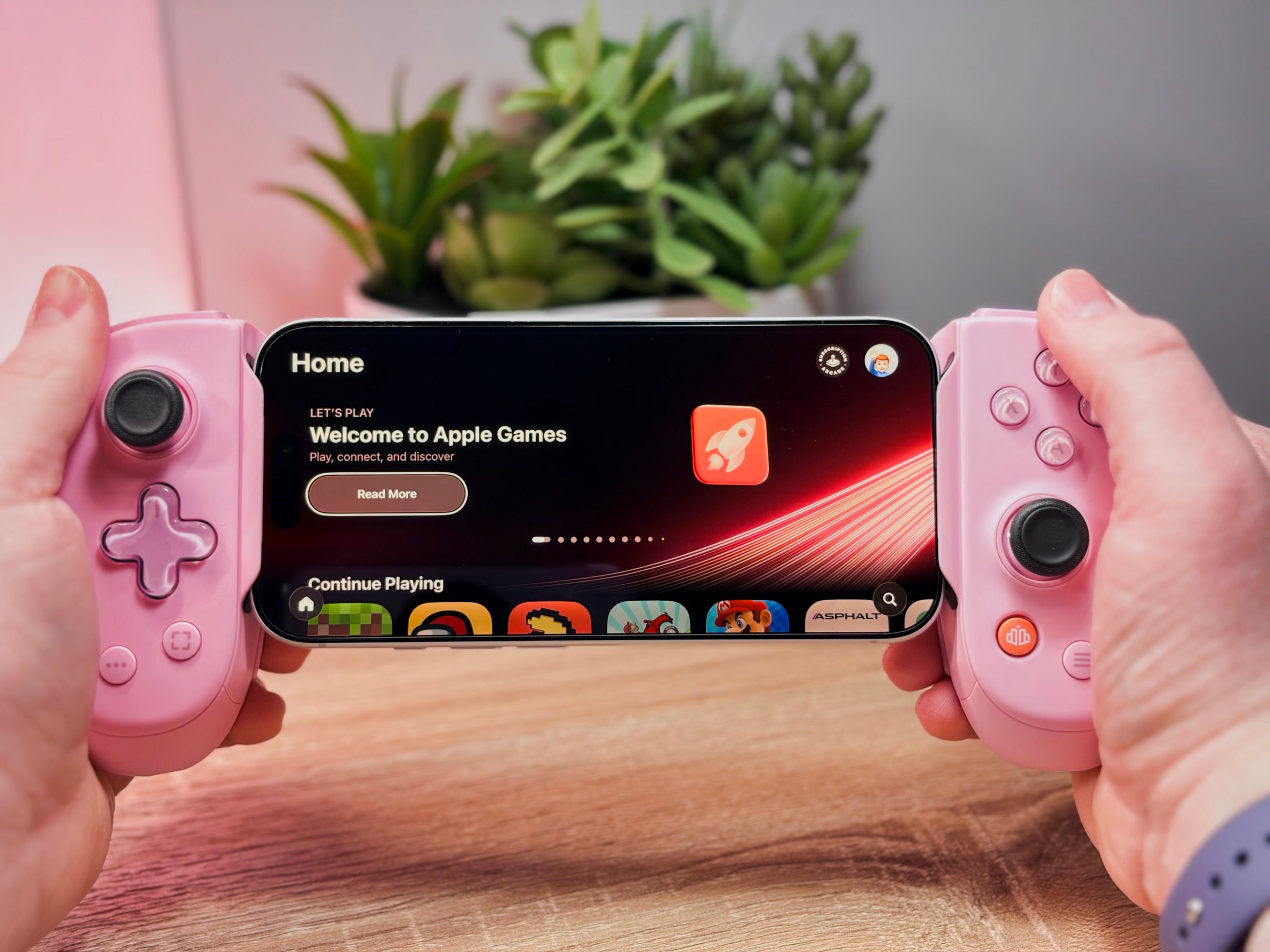
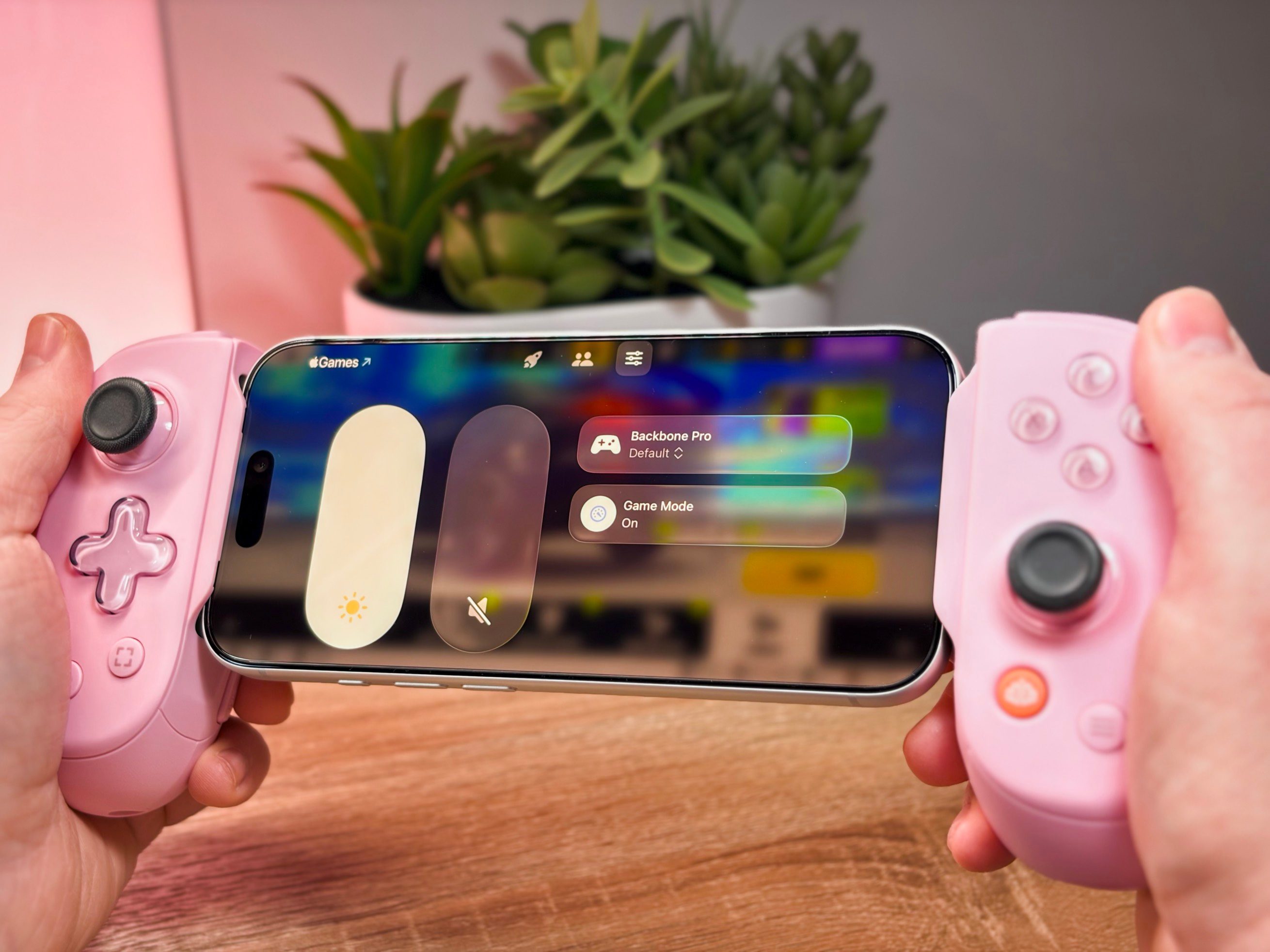
For Apple ecosystem users, Backbone features deep native integration with Apple Games. The controllers benefit from full operating-system-level controller profiles, ensuring seamless compatibility across the Apple Games app and supported titles. Pressing and holding the Backbone button invokes the Apple Games overlay, allowing players to manage social features, check achievements, and navigate menus without breaking immersion.
The Backbone+ Subscription and Built-In Emulator
While the core hardware and basic app features are fully functional out of the box, Backbone offers an optional subscription service called Backbone+. Perks include in-game rewards, custom themes, and—most notably—a streamlined, built-in classic games emulator.
The emulator is designed for maximum simplicity. Users load their legally obtained ROM files, and the app automatically handles save states, aspect ratios, and controller mapping. Playing retro titles via the emulator with physical buttons, responsive thumbsticks, and automatic save states represents a massive quality-of-life leap over clunky touch-screen virtual buttons.
Technical Specifications & Port Layouts
Both the Backbone Pro and Backbone One are engineered with functionality and versatility in mind. A breakdown of their physical ports and connectivity features reveals why these devices dominate the mobile gamepad market:
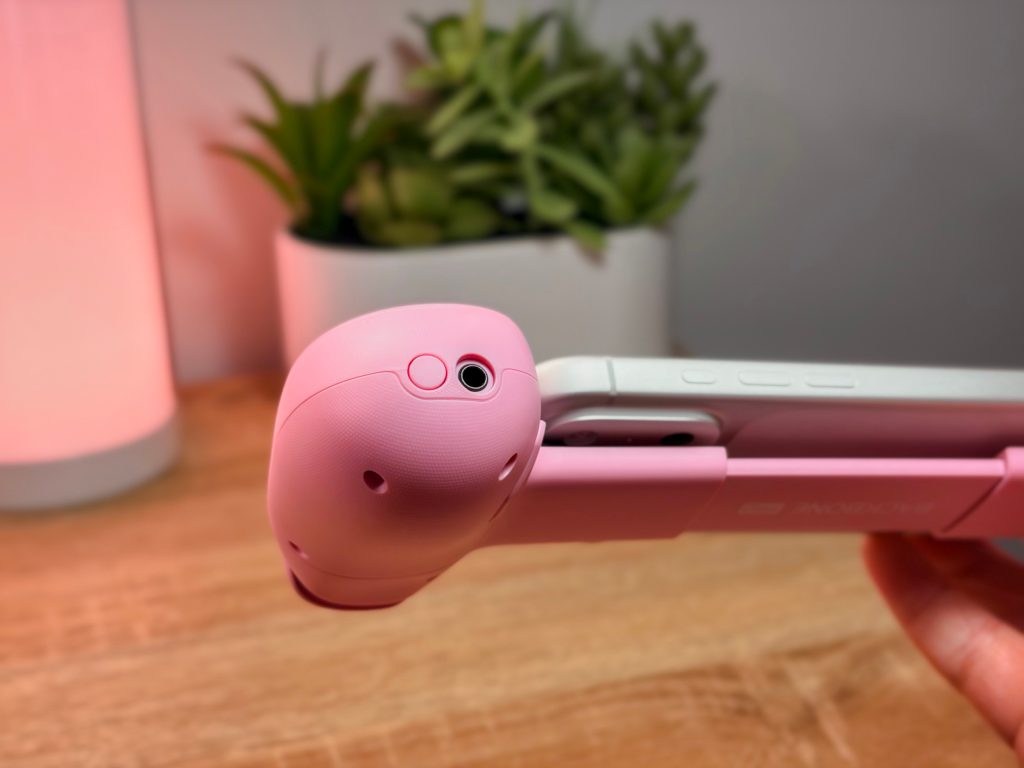
- USB-C Passthrough Charging: Both models feature a strategically placed USB-C port on the bottom housing. This allows users to plug in a power cable and charge their smartphone concurrently during marathon gaming sessions, mitigating battery anxiety.
- Wired Versatility: Beyond phone passthrough, the USB-C port enables a direct wired connection to laptops, tablets, and desktop computers, making the controller a versatile multi-platform input device.
- 3.5mm Headphone Jack: Retaining a legacy port that many smartphone manufacturers have abandoned, the integrated headphone jack allows gamers to plug in wired headphones for zero-latency audio without relying on Bluetooth interference or battery-dependent wireless earbuds.
- Wireless Freedom (Pro Model Exclusive): The Backbone Pro’s inclusion of Bluetooth transforms it into a standalone wireless pad, allowing it to interface effortlessly with iPads, Apple TVs, and Android tablets while propped up on a stand.
Supporting Context & Market Metrics
The launch of these colorful variants occurs against a backdrop of explosive growth in the mobile gaming sector. According to global gaming market reports, mobile gaming commands over 50% of total global gaming revenue, outpacing PC and console markets combined. However, a significant friction point for mobile gamers has always been the tactile inadequacy of glass-screen touch controls.
Snap-in controllers represent the fastest-growing sub-segment of mobile accessories. Competitors such as Razer (Kishi series) and GameSir have attempted to capture market share, but Backbone’s tight integration with software ecosystems (such as iOS game overlays, cloud services, and the Backbone+ app) has allowed it to maintain a dominant market position. By leaning into lifestyle aesthetics with the Pink and Purple editions, Backbone is actively courting demographic segments—such as female gamers and casual lifestyle content creators—who historically viewed mobile controllers as overly aggressive, hyper-masculine "gamer" gear.
Official Statements and Industry Reception
Industry analysts have praised Backbone’s hardware iteration strategy. While spec updates like Bluetooth and internal batteries drive technical purchases, colorway expansions drive impulse buys and holiday gifting momentum.
In promotional materials surrounding the launch, Backbone executives emphasized that hardware performance should never come at the expense of personal expression. "Gaming is a form of identity," noted a company spokesperson during the rollout. "Our users carry their phones everywhere; their accessories should reflect their personal style just as much as their phone cases or watch bands do."
Early consumer reviews from tech journalists and early adopters have echoed this sentiment, praising Target’s exclusive retail availability for making these vibrant variants easily accessible to walk-in consumers looking for immediate gratification.
Future Outlook
The introduction of the Pink Backbone Pro and Purple Backbone One establishes a clear trajectory for Backbone’s product strategy moving forward. As smartphones continue to blur the line between pocket communication devices and fully fledged gaming rigs—supported by hardware ray tracing, advanced cooling accessories, and AAA console ports like Death Stranding and Resident Evil—the need for robust physical controllers will only intensify.
We can anticipate that future iterations of mobile gamepads will place an even greater emphasis on cross-compatibility, modular customization, and lifestyle-driven color palettes. By proving that high-performance peripherals can also serve as fashionable tech accessories, Backbone has successfully widened the aperture of who considers themselves a mobile gamer.

For consumers currently sitting on the fence about investing in a mobile controller, the combination of top-tier ergonomics, expansive cloud and emulator software support, and now, a much-needed splash of color, makes the Backbone Pro and Backbone One more compelling than ever.








Belum ada komentar. Jadilah yang pertama berkomentar!