

Executive Overview
The Yu-Gi-Oh! Rush Duel ecosystem continues to expand its creative horizons, offering players and collectors a fascinating window into the design philosophies that drive modern card game development. Recently released official concept art and design sheets have provided a rare, behind-the-scenes look at upcoming cards, shedding light on the intricate creative processes of Konami’s character designers and illustrators. This latest wave of concept reveals focuses on two distinct thematic veins: the heavily stylized, futuristic-traditional hybrid power-ups of established monsters—specifically upgrades inspired by historical Japanese aesthetics—and charming, narrative-driven archetypes that tell slice-of-life stories through miniature perspectives and amusement park motifs.
In the competitive and casual card game spaces alike, card art serves as a primary driver of player engagement. By publishing early design sketches, developer notes, and combat examples, Konami has offered a masterclass in world-building and character evolution. The featured updates to "Dimension Linker" and "Dimension Riletta" into their respective Waso Gozen iterations showcase a sophisticated blend of Heian-era warrior motifs, Onmyōji mysticism, and sleek, cyberpunk-adjacent futuristic touches. Simultaneously, whimsical reveals like the sibling duo Attrac Charm Sowaru and Attrac Charm Midi, alongside the miniature-focused Liliputian Friends & The Very Kind Human, demonstrate the narrative versatility and playful humor that balances the Rush Duel card pool.
This comprehensive report provides an investigative breakdown of the latest design documents. We will examine the chronological rollout of these concept sheets, analyze the specific design notes and mechanical implications hinted at by the illustrators, contextualize these releases within the broader Yu-Gi-Oh! franchise, and evaluate what these creative directions mean for the future of the Rush Duel format.
Detailed Chronology: Unpacking the Concept Sheet Reveals
The recent wave of design drops unfolded across several sequential updates, each targeting different corners of the upcoming Rush Duel card pool. To fully appreciate the depth of these designs, we must examine them in the order of their public debut, analyzing the granular details provided by the creator notes on each concept sheet.
Phase One: The Evolution of Warriors and Mystics (Waso Gozen Linker & Riletta)
The initial phase of the reveal campaign focused on the mechanical and visual evolution of two familiar faces: Linker and Riletta. Both monsters received significant upgrades, shedding their standard adventuring aesthetics in favor of high-concept, culturally inspired gear.
Waso Gozen Linker
The transformation from standard Dimension Linker to Waso Gozen Linker represents a dramatic shift in silhouette and combat capability. According to the design notes accompanying the official art sheets, Linker’s primary catalyst for power-up is the deliberate integration of samurai elements.
- Visual & Structural Changes: The most immediate visual alteration is her hairstyle. Moving away from her classic look, the side views and back-view sketches emphasize a dynamic, high ponytail ("Side view (Pony[tail]~)"). Her outfit is a carefully curated juxtaposition: classic Heian-era warrior armor paired with traditional Japanese clothing, all accented by subtle, futuristic technological touches.
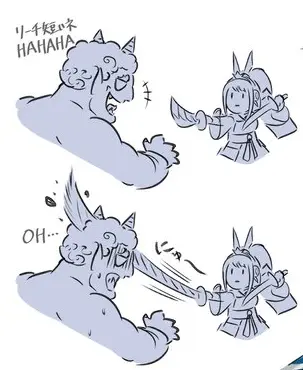
- Armament & Combat Style: The concept sheet details a major shift in weaponry. While her base form utilized a standard-issue weapon, the Waso Gozen upgrade features a specialized armament that splits dynamically into dual short- and long-range swords ("Splits into two swords!"). Accompanying combat annotations add a touch of personality and dark humor to the character, contrasting her graceful movements with cheeky designer notes such as "Such a short range, HAHAHA" and a playful sound effect annotation ("Nyu~").
Waso Gozen Riletta
Following closely behind Linker, Dimension Riletta received an equally striking upgrade under the Waso Gozen moniker, pivoting away from standard tactical gear to embrace the arcane arts of the onmyouji (traditional Japanese occultists/astrologers).
- Visual & Structural Changes: Riletta’s design centers on mysticism and refined poise. The concept sheet highlights her hair styling with a dedicated annotation ("Side view" hair tightening sound”), emphasizing a disciplined, ready-for-battle demeanor. Like Linker, her attire merges classic Onmyōji robes and Japanese garments with futuristic underlays and metallic trims.
- Armament & Combat Style: Rather than wielding traditional blades, Riletta’s primary power lies in spiritual manipulation. The design notes reveal that she can freely manipulate mystical dolls known as yorishiro (objects capable of attracting spirits). These dolls serve a dual purpose on the battlefield, functioning simultaneously as offensive projectiles and defensive barriers. A signature combat annotation underscores her cool, mocking tactical superiority: "Defenseless, huh? HAHAHA".
Phase Two: The Amusement Park Expansion (Attrac Charm Sowaru & Midi)
Shifting entirely away from mystical warfare, the next wave of concept art introduced a vibrant, lighthearted amusement park theme headlined by the Attrac Charm duo: the elder brother Sowaru and the younger brother Midi.
- Sowaru (The Elder Brother): The concept sheets for Sowaru highlight his role as the quintessential thrill-seeking sibling. Annotated sketches showcase him interacting with classic theme park attractions. Top-left notes point to a "Souvenir" shop aesthetic, while the main illustrations feature him navigating iconic rides such as the "Merry-go-round", the spinning "Coffee cup", and the stomach-churning "Viking [ship ride]".
- Midi (The Younger Brother): Younger brother Midi brings a more whimsical, family-oriented energy to the archetype. His design sketches feature him surrounded by "Character balloons" and browsing theme park merchandise ("Souvenir"). Key structural attractions highlighted in his portfolio include the towering "Ferris wheel" and adrenaline-pumping "Go-karts".
- Character Details & Symbolism: Beyond the rides, the concept sheets zoom in on quirky character traits. The designers paid meticulous attention to texture and branding, noting that Sowaru’s chest hair features a "mixed-color spray", and establishing a distinct, unified amusement "Park symbol" stamped across their gear.
Phase Three: Miniature Worlds and Domestic Chaos (Liliputian Friends & The Very Kind Human)
Rounding out the concept art blowout is a deeply narrative-driven set featuring the tiny Liliputian Friends interacting with a compassionate human baker’s daughter. This archetype leans heavily into folklore and miniature world-building.
- The Liliputian Cast: The concept sheet breaks down the distinct personalities of the tiny folk.
- The cat of the group is categorized as a "Thieving cat. Does as it wishes. Has a habit of wandering outside".
- Another Liliputian sports a creative "hat made from a reused tea bag" and harbors a burning desire "to go on adventures".
- A third features an elegant "dress made from flowers and brightly-polished seeds", characterized as "Reserved and ladylike".
- The Human Counterpart: The human element of the artwork is equally fleshed out. She is introduced as "The daughter of a bakery" who is "currently practicing how to make sweets in order to get along with the Liliputians". Her dedication to her tiny companions comes at a domestic cost, however; notes reveal that "She forgets to do the house chores and only pays attention to the Liliputians, so she often makes her mother angry". A final mysterious geographical note asks: "Was it in the middle of Triangle City?", hinting at larger lore connections yet to be explored.
Supporting Context & Metrics: The Design Philosophy of Rush Duel
To understand the weight of these concept art drops, one must analyze the unique developmental ecosystem of Yu-Gi-Oh! Rush Duel. Introduced alongside the Yu-Gi-Oh! Sevens anime series, Rush Duel was designed as a faster, more accessible alternative to the traditional Advanced Format of the OCG/TCG. However, its visual identity has rapidly carved out a distinct niche characterized by vibrant color palettes, humorous character dynamics, cross-generational archetypal evolutions, and deep narrative world-building.
The Power of "Retrains" and Lore Evolution
In card game design, revisiting older monsters to grant them "powered-up" or alternate forms (often referred to as retrains) is a proven method for maintaining player interest. By taking established cards like Dimension Linker and Dimension Riletta and giving them historical-futuristic makeovers (Waso Gozen), Konami achieves multiple design goals simultaneously:
- Nostalgia and Continuity: Players who formed attachments to earlier cards see their favorites grow, adapt, and remain relevant.
- Visual Consistency: Unifying different monsters under a shared thematic umbrella (such as the Heian samurai and Onmyōji motifs) creates cohesive sub-archetypes that look stunning on the game mat.
- Creative Freedom: Illustrators are given permission to experiment with genre-blending, merging ancient Japanese folklore with sci-fi cybernetics—a signature aesthetic that resonates strongly within modern Japanese pop culture.
Narrative-Driven Archetypes
Conversely, archetypes like Attrac Charm and Liliputian Friends prove that Rush Duel is not solely concerned with hyper-futuristic combat. By injecting slice-of-life humor, domestic squabbles (such as the baker’s daughter angering her mother over chores), and whimsical amusement park settings, the design team fosters an emotional connection with the player base. Cards cease to be mere statistics on cardboard; they become actors in ongoing, miniature theatrical productions.
Official Statements and Industry Insights
While Konami’s digital marketing division primarily utilizes social media platforms (such as X, formerly Twitter) to drop these asset sheets without formal press conferences, the accompanying designer notes function as direct, informal communications with the community.
Industry analysts and veteran TCG commentators have highlighted several key takeaways from the release of these design documents:
- Transparency in Creative Iteration: By showcasing early pony-tail positioning studies for Linker, hair-tightening sound effects for Riletta, and specific costume seam breakdowns, Konami bridges the gap between consumer and creator. Players gain an appreciation for the labor-intensive artistry required to produce a single card illustration.
- Localization and Meme Culture: The playful, self-aware commentary embedded in the designer notes—such as mocking a character’s short-range weapon reach with "HAHACA" or poking fun at defenseless opponents—demonstrates that the design studios embrace the lighthearted, competitive banter of the player community. These notes often serve as the foundation for community memes and hype building ahead of set releases.
Future Outlook: What Lies Ahead for Rush Duel
As these concept art reveals make their way from the drawing board to printed card stock, the implications for the future of the Rush Duel format are overwhelmingly positive.
Expanding Archetypal Support
The introduction of the Waso Gozen variants strongly suggests that we will see expanded support for historical-futuristic hybrid archetypes in upcoming booster packs. As players dissect the combat examples and weapon-splitting mechanics of Linker and Riletta, competitive theorists are already speculating on how these tools will translate into game-winning combos, board control, and resource management.
World-Building and Lore Expansion
Furthermore, the intricate storytelling embedded in casual archetypes like the Liliputian Friends and the bakery-running human daughter signals a continued commitment to rich, narrative-driven card design. Whether players are seeking high-octane samurai-mystic duels or lighthearted amusement park escapades with Attrac Charm Sowaru and Midi, the upcoming card sets promise a diverse array of visual and tactical experiences.
Conclusion
Konami’s transparent approach to sharing conceptual development art has transformed what would normally be routine card spoilers into major cultural events for the community. By examining the meticulous craftsmanship behind every ponytail adjustment, doll-manipulation mechanic, and tea-bag hat, we gain a profound respect for the imaginative engine driving Yu-Gi-Oh! Rush Duel forward. As these cards officially hit the market, collectors and competitors alike will undoubtedly look at their hands with a newfound appreciation for the stories and artistry stitched into every single card.






Belum ada komentar. Jadilah yang pertama berkomentar!