

Executive Overview
The landscape of mobile gaming has undergone a seismic shift over the past several years. No longer relegated to casual puzzle games or brief distractions, smartphones and tablets now serve as high-performance portals for AAA console titles, cloud-streamed epics via Xbox Cloud Gaming and GeForce NOW, and sophisticated native software. Driving this hardware and software revolution is a thriving ecosystem of modular peripherals designed to bridge the gap between touchscreens and tactile, precision control.
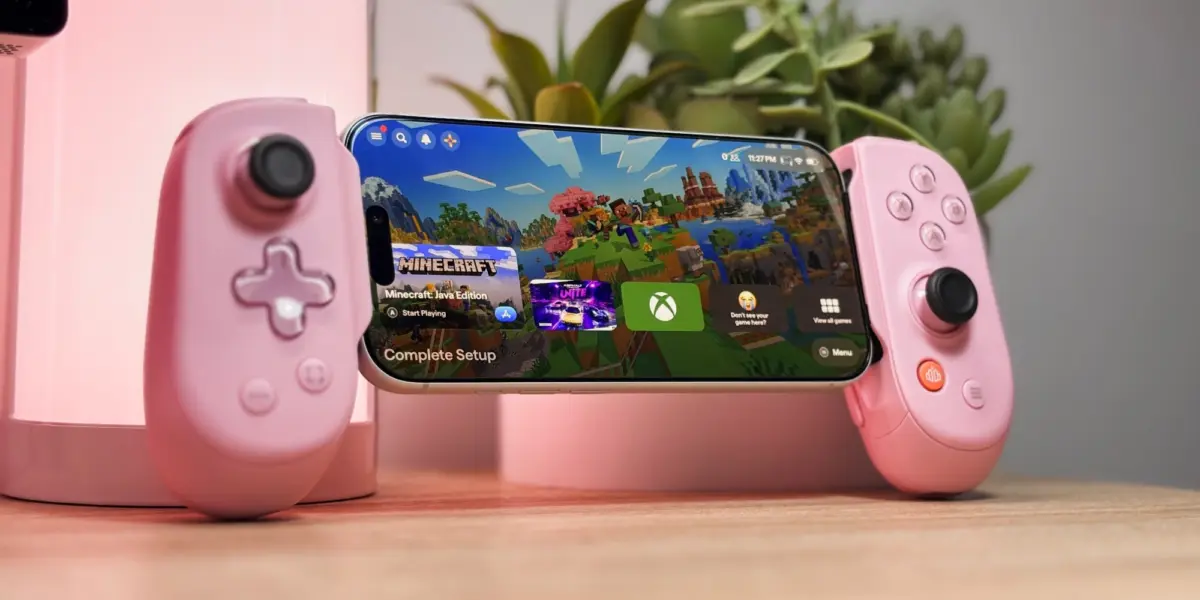
Among the pioneers of this market, Backbone has firmly established itself as a household name. Known for crafting ergonomic, snap-in gamepads that transform iPhones and Android devices into dedicated handheld consoles, the company has consistently pushed the boundaries of form and function. Recently, Backbone expanded its hardware footprint by launching striking new colorways: the Backbone Pro in Pink and the Backbone One in Purple.
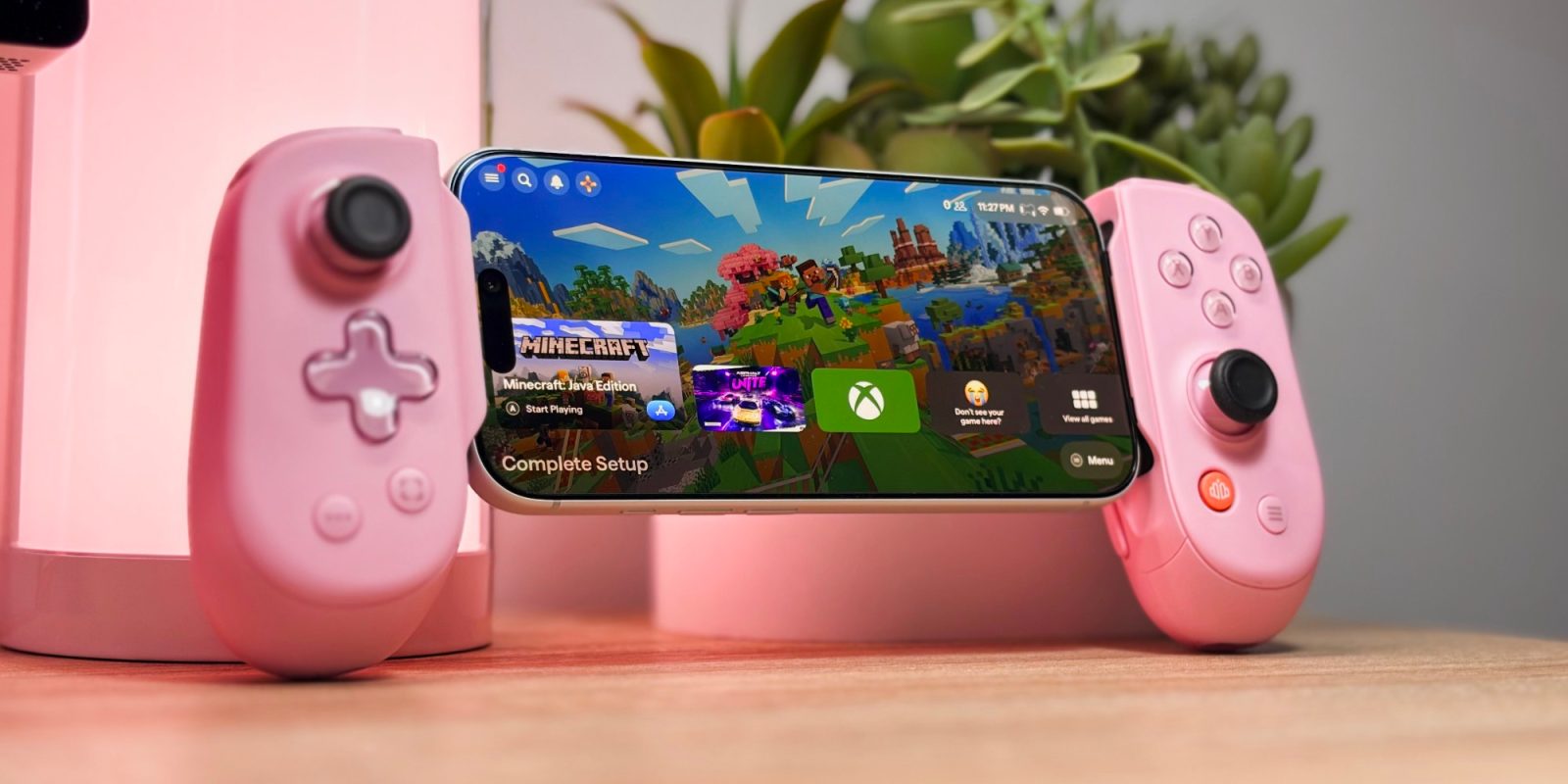
Far more than mere cosmetic refreshes, these vibrant editions arrive on the heels of major architectural advancements within the product line, most notably the introduction of the Backbone Pro, which added long-awaited Bluetooth support and an internal battery to turn a standard snap-in phone controller into a universal gamepad. Aimed squarely at casual gamers, trend-conscious consumers, and those seeking a personalized aesthetic, these new editions marry high-end engineering with playful design. This article provides an exhaustive, authoritative review of the new pink and purple Backbone controllers, analyzing their design philosophy, feature sets, software ecosystem, and broader implications for the mobile entertainment market.
Detailed Chronology & Product Evolution
To understand the significance of the new Pink and Purple editions, one must examine the chronological trajectory of Backbone’s hardware engineering. When the original Backbone One launched, it redefined mobile gaming by offering a seamless, low-latency, direct-connect mechanism that gripped iPhones securely while drawing minimal power. It quickly became the gold standard for mobile gamepads, praised for its clickable thumbsticks, responsive D-pad, and tactile bumper buttons.
However, as mobile gaming evolved to encompass tablets, smart TVs, PCs, and alternative mobile form factors, the physical limitations of a strict direct-connect, phone-locked controller became apparent. Users increasingly demanded the versatility to use their favorite gamepad away from their phones—whether propped up on a desk with an iPad, connected to a Mac, or sitting in front of a living room television.
Recognizing this shift, Backbone announced a major milestone earlier this year: the Backbone Pro. The Pro variant fundamentally transformed the product category by introducing integrated Bluetooth connectivity and an internal battery. This evolution liberated the controller from the physical confines of the phone bridge, allowing the Backbone Pro to function as a universal, standalone wireless controller across virtually any Bluetooth-enabled device, while retaining the signature snap-in architecture for traditional on-the-go mobile play.
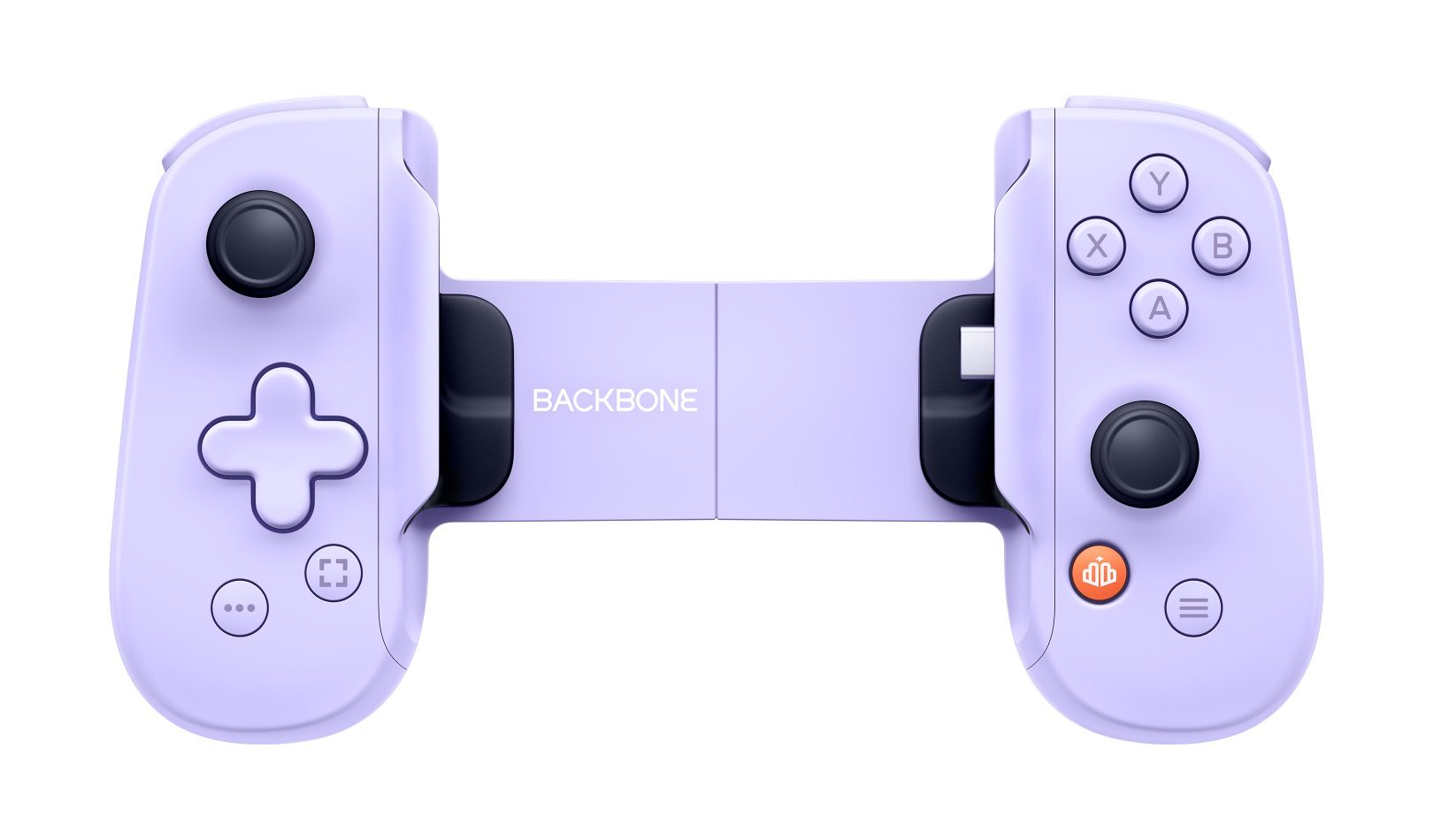
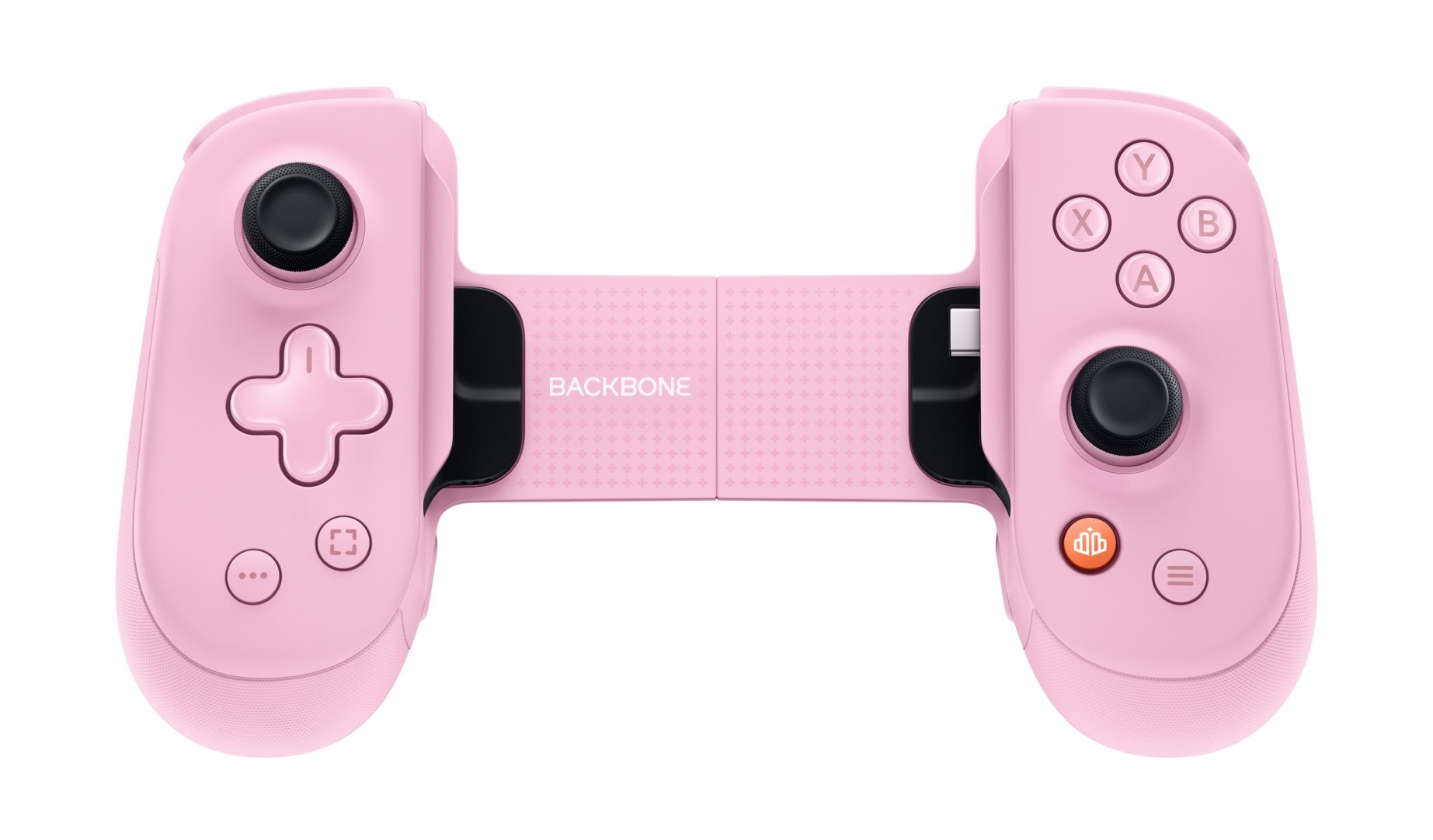
Building upon this technological foundation, Backbone broadened its appeal this week with the targeted release of the Backbone Pro: Pink Edition and the Backbone One: Purple Edition. While the standard iterations have traditionally favored neutral, console-inspired color palettes like black and white, these new pastel-adjacent colorways are tailored specifically for users seeking self-expression, lifestyle alignment, and a more vibrant, approachable aesthetic.
Design, Build Quality, and Ergonomics
The Aesthetic Appeal of Pink and Purple
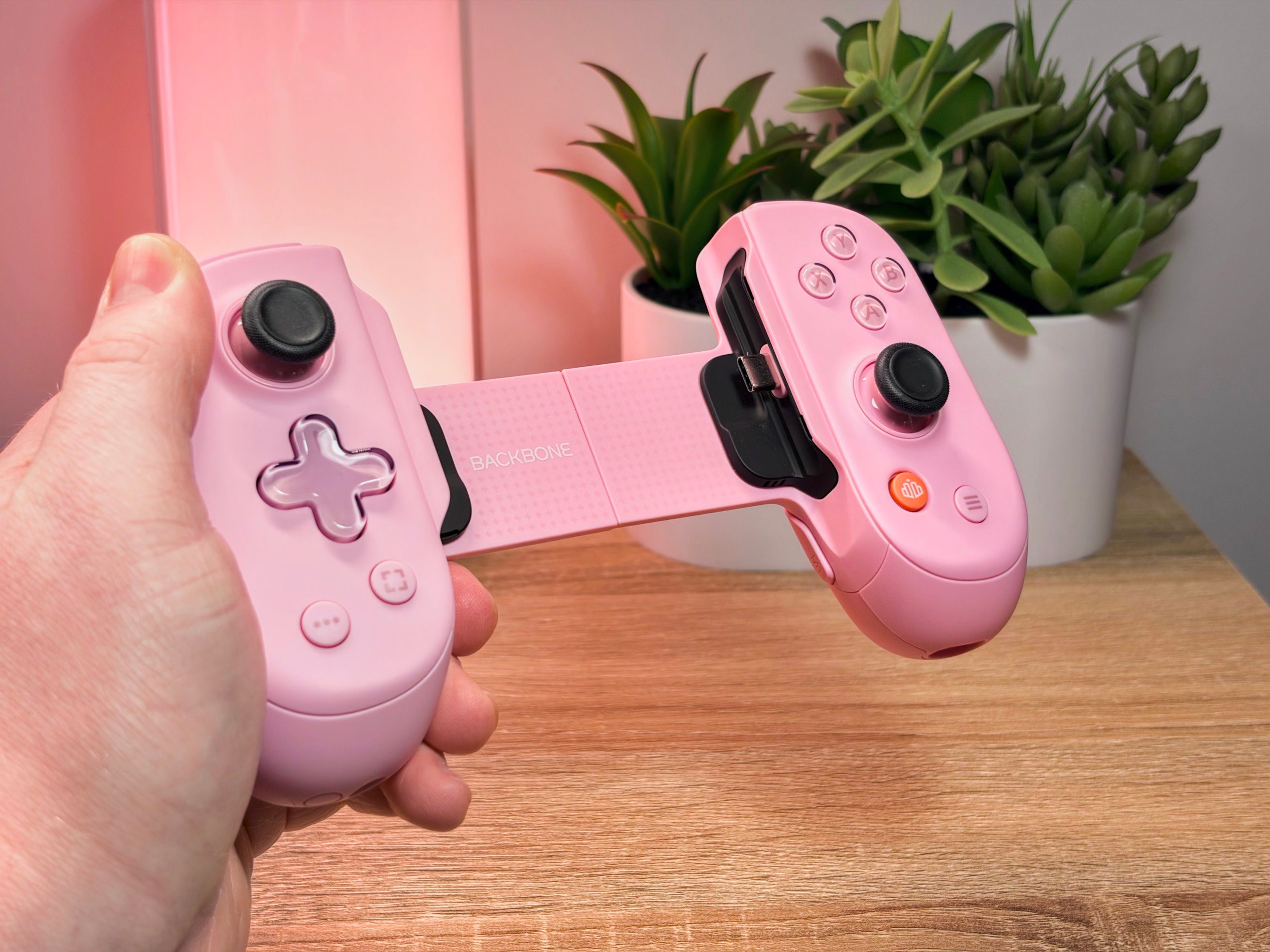
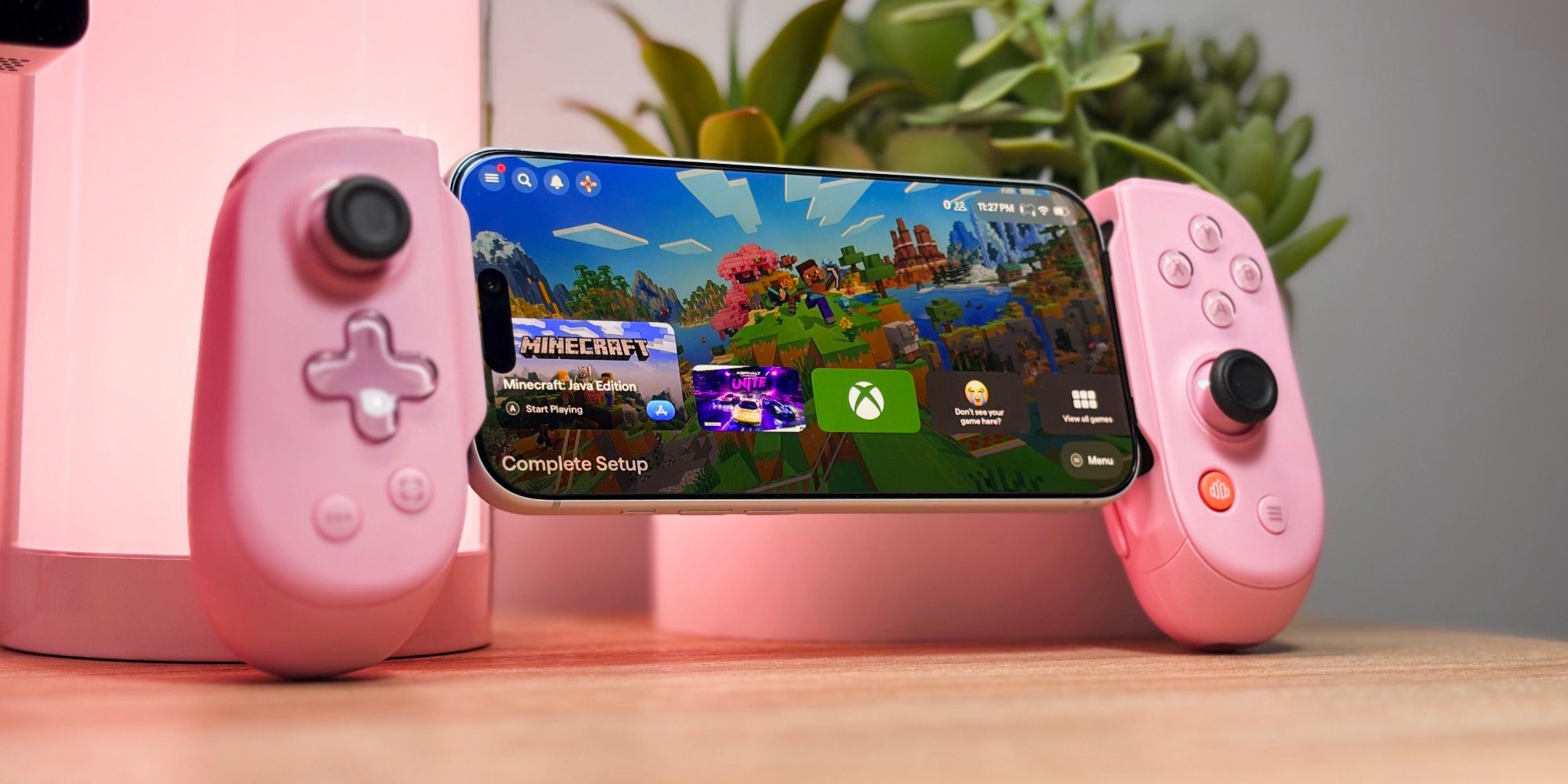
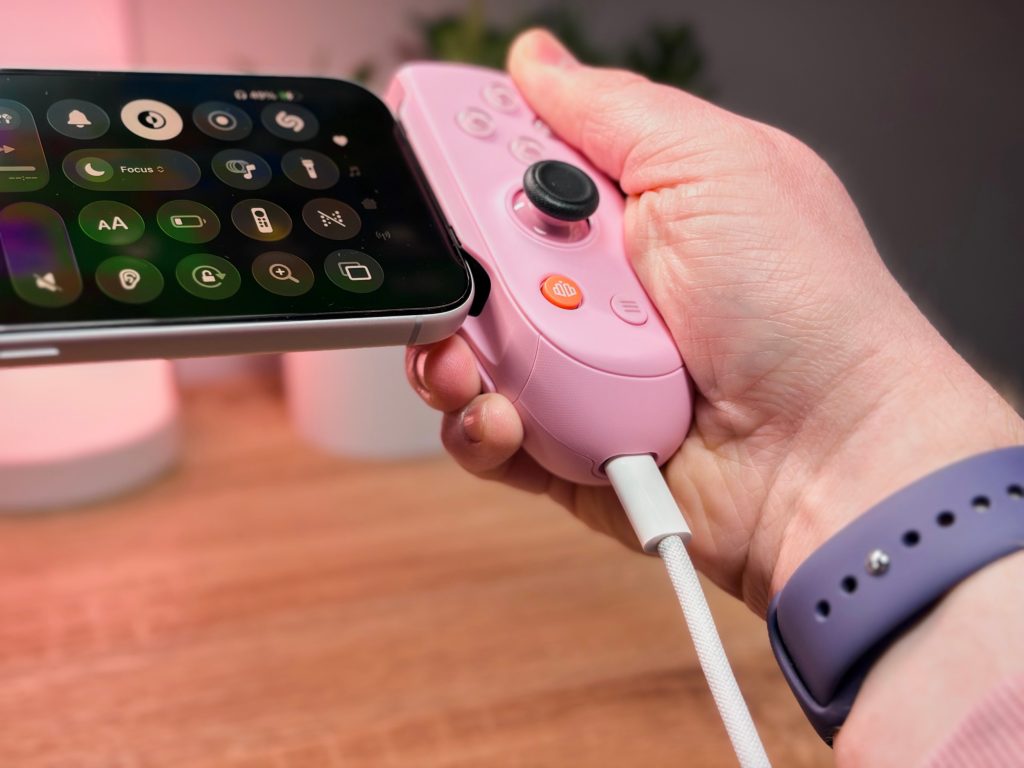
The introduction of the Pink Pro and Purple One editions marks a strategic pivot toward lifestyle-driven hardware. In recent years, consumer electronics have trended away from stark, industrial monochromatic designs toward softer, more personalized palettes. The Pink Edition of the Backbone Pro features a soothing yet vibrant magenta-tinted pastel finish that manages to look sophisticated rather than juvenile. Similarly, the Purple Edition of the Backbone One offers a rich, playful violet hue that catches the light beautifully, evoking nostalgia for classic handheld gaming consoles of the past while remaining thoroughly modern.
Tactile Feedback and Form Factor
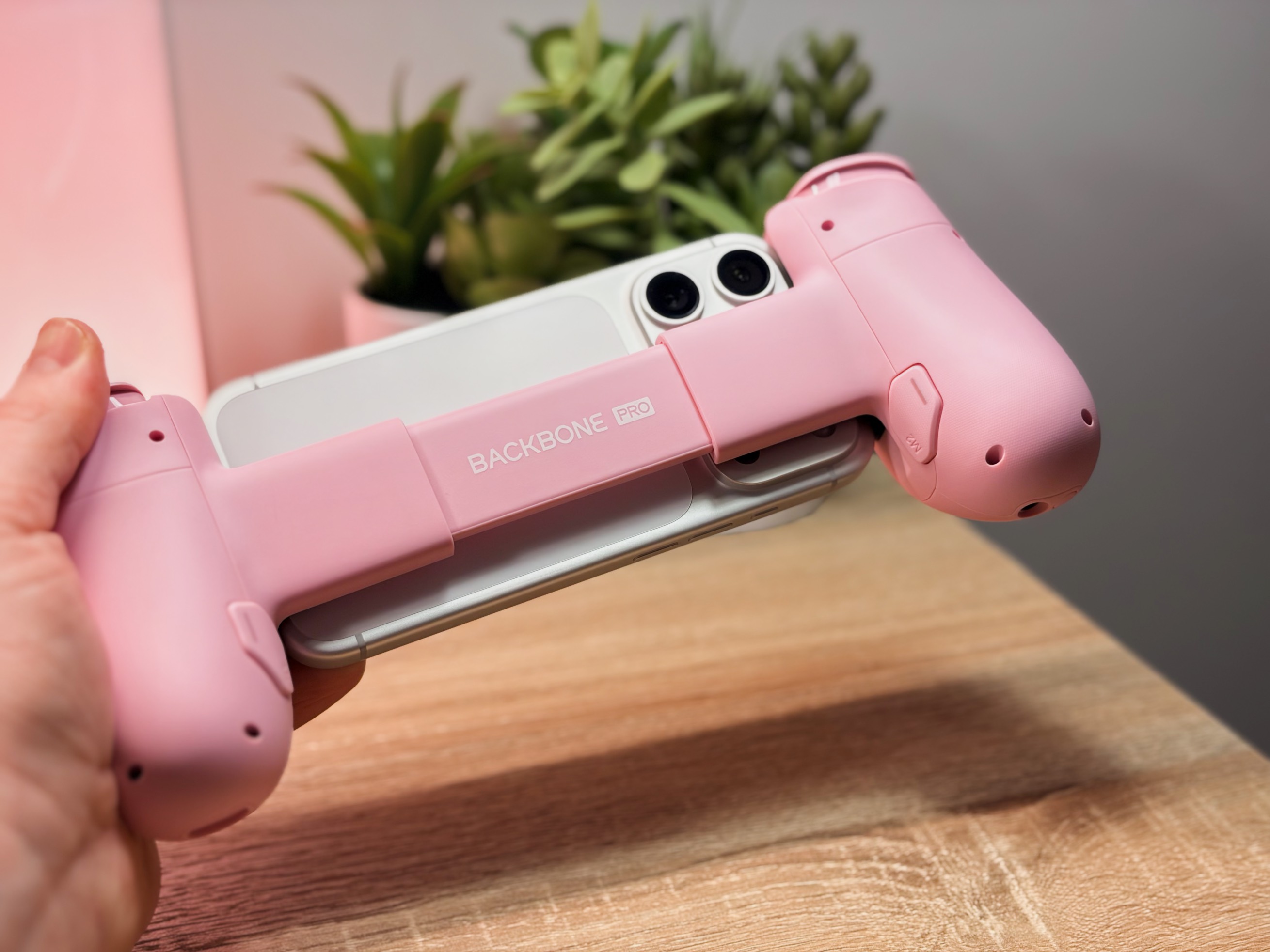
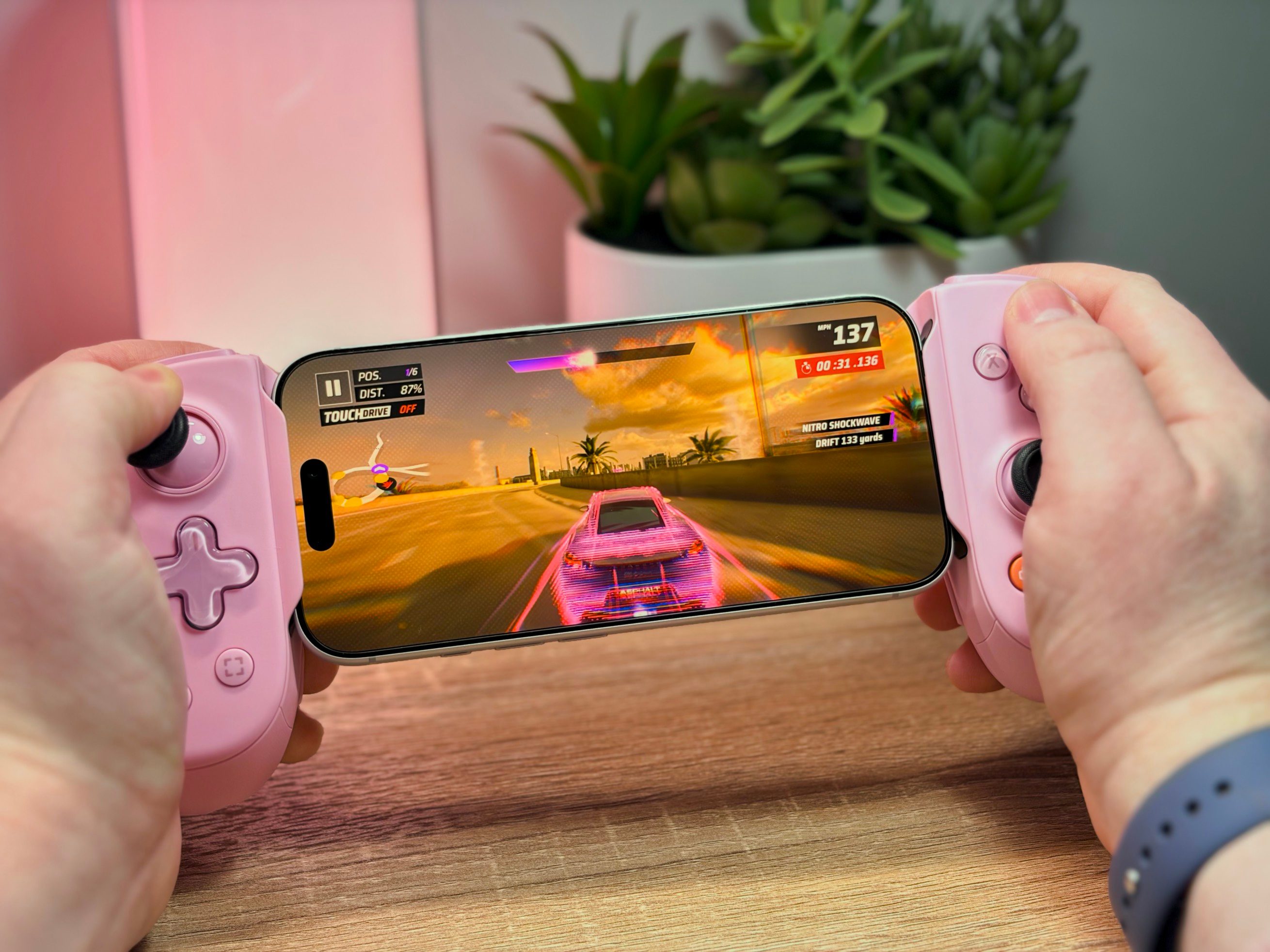
Reviewing the pink Backbone Pro reveals an immediate attention to detail. Despite its lightweight and compact chassis—which makes it significantly more portable than a bulky traditional console controller—the device does not compromise on build quality. The textured grips prevent slippage during extended gaming sessions, and the weight distribution feels remarkably balanced whether a phone is docked in the center or the controller is being used entirely wirelessly.
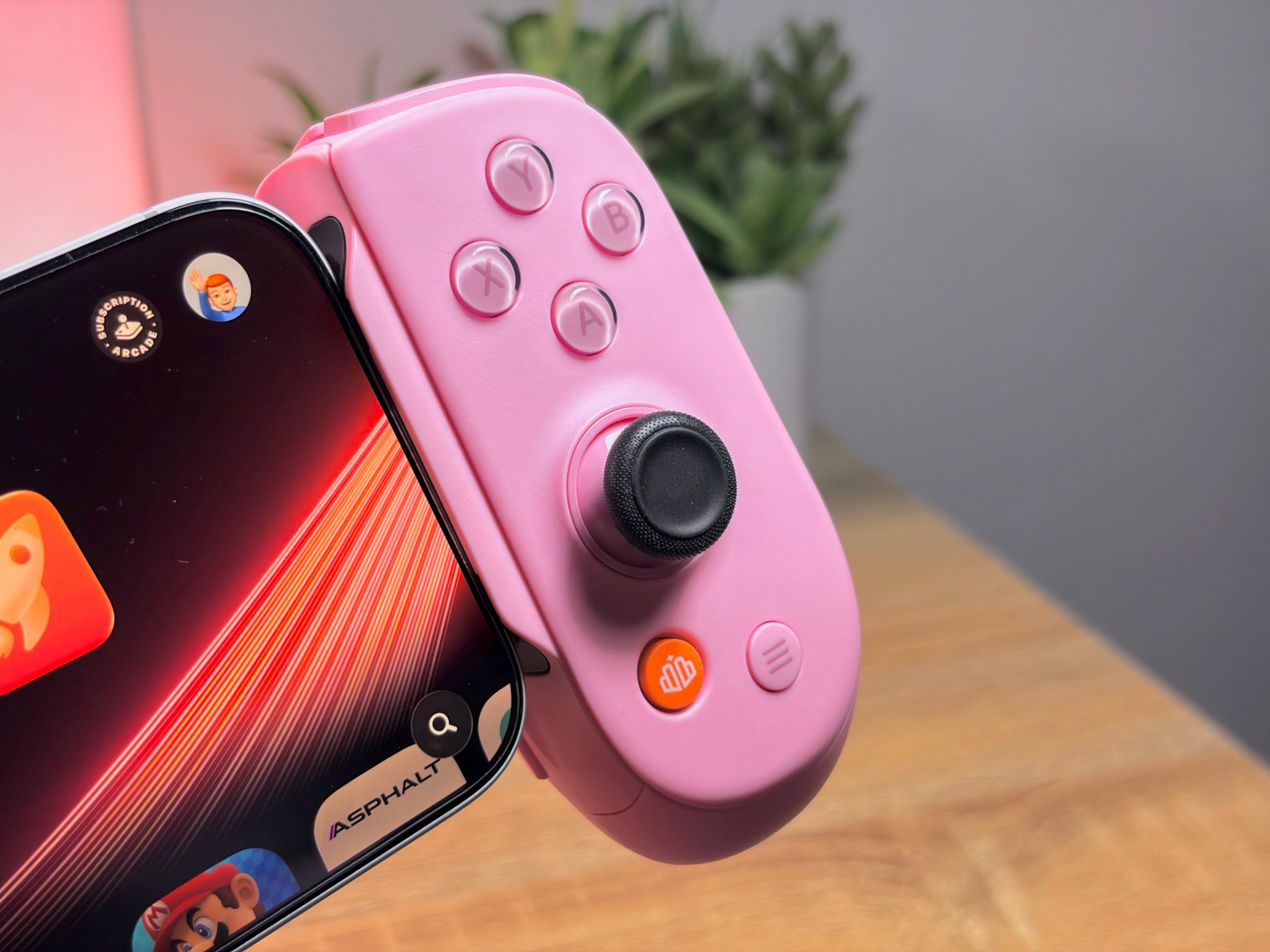
The thumbsticks offer ideal tension, striking a fine balance between the loose resistance of standard mobile joysticks and the heavy resistance of professional-grade tournament controllers. The mechanical click of the face buttons provides satisfying acoustic and physical feedback, ensuring that every input registers with absolute clarity. For a casual gamer transitioning from touchscreen controls to a physical gamepad, the ergonomic leap is transformative, eliminating finger fatigue and vastly improving spatial awareness within fast-paced virtual environments.
Feature Comparison: Backbone Pro vs. Backbone One
While both editions share the fundamental DNA that made the brand famous, crucial technological distinctions separate the Backbone Pro (Pink) from the Backbone One (Purple).
| Feature | Backbone Pro (Pink Edition) | Backbone One (Purple Edition) |
|---|---|---|
| Connectivity | Bluetooth & Wired (Universal) | Wired Direct-Connect |
| Internal Battery | Yes (Rechargeable) | Powered via Phone (Passthrough) |
| Device Compatibility | Phones, Tablets, PCs, TVs (Wireless/Wired) | Primarily Mobile Devices (Direct Port) |
| Ergonomics & Weight | Slightly enhanced for universal wireless use | Ultra-lightweight direct-dock design |
| Audio Jack | 3.5mm Headphone Jack | 3.5mm Headphone Jack |
| Passthrough Charging | USB-C Passthrough | USB-C Passthrough |
The inclusion of Bluetooth on the Backbone Pro cannot be overstated. It allows users to dock their phone or tablet on a kickstand across the room and game comfortably from a couch or bed. Conversely, the Backbone One remains an exceptionally responsive, latency-free wired option for users who prefer a direct connection without ever needing to worry about charging the controller’s internal battery.
Ports, Connectivity, and Hardware Ecosystem
Both the Pink Pro and Purple One controllers are engineered with robust connectivity suites designed to eliminate modern mobile gaming friction points.
USB-C Passthrough and Wired Flexibility
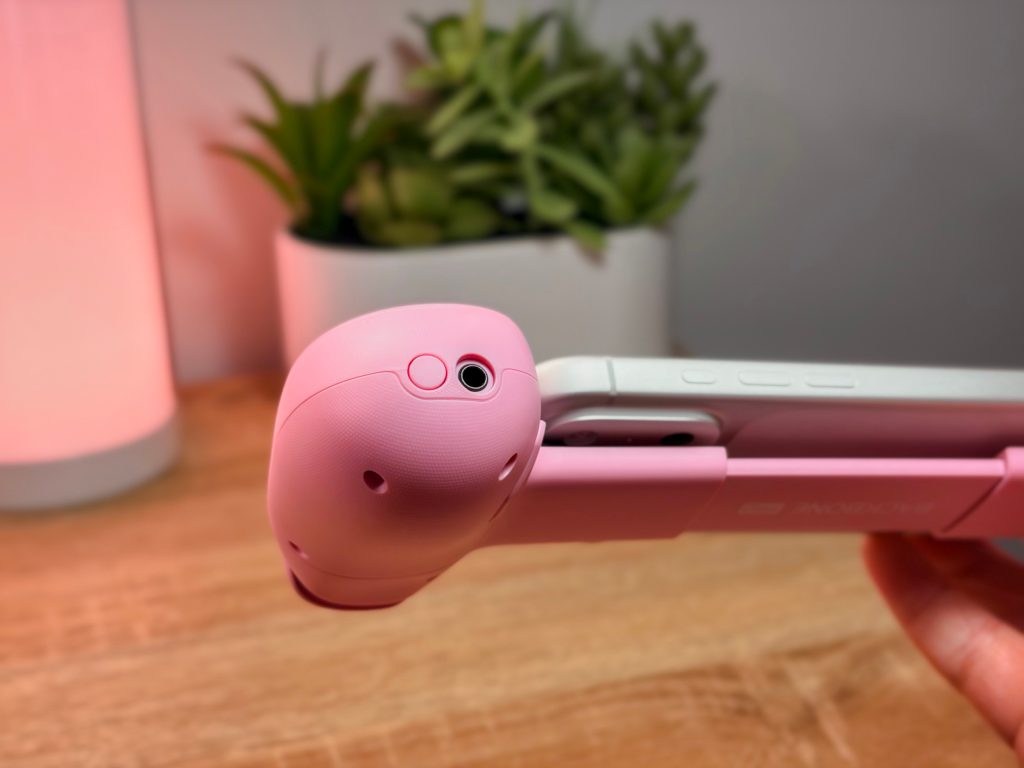
Long gaming sessions can rapidly deplete a smartphone’s battery. To counteract this, both controllers feature an integrated USB-C port located on the bottom right grip, facilitating uninterrupted passthrough charging. Gamers can plug their device into a wall charger while playing demanding titles without fear of the phone dying mid-match. Furthermore, this USB-C port supports wired connections to PCs and other host devices, offering a zero-latency alternative to wireless play for competitive titles.
The 3.5mm Headphone Jack
In an era where headphone jacks have been systematically stripped from modern smartphones, Backbone has wisely retained the legacy 3.5mm audio port on its controllers. By plugging wired headphones directly into the controller, gamers bypass the audio latency inherent in many Bluetooth earbuds. This ensures absolute synchronization between on-screen action and audio cues—a critical advantage in fast-paced racing games, shooters, and rhythm titles.
The Software Experience: The Backbone App, Apple Games, and Emulation
Hardware is only as good as the software ecosystem supporting it, and Backbone excels in creating a unified digital hub for mobile entertainment.
The Backbone App and Backbone+
Pressing the distinctive, vibrant orange button on either controller instantly launches the dedicated Backbone app. Serving as a centralized dashboard, the app aggregates games from local storage, cloud streaming services (including Xbox Cloud Gaming and GeForce NOW), and remote PC streaming via Steam Link.
For power users, the Backbone+ subscription unlocks advanced ecosystem features. Among its most compelling offerings is the built-in retro game emulator. Designed with user-friendly simplicity in mind, the emulator allows players to load legally obtained ROM files, automatically handling save states and controller mappings. Experiencing classic retro titles with physical thumbsticks and tactile buttons elevates nostalgia to an entirely new level, far surpassing the clunky nature of virtual on-screen D-pads.
Deep Integration with Apple Games
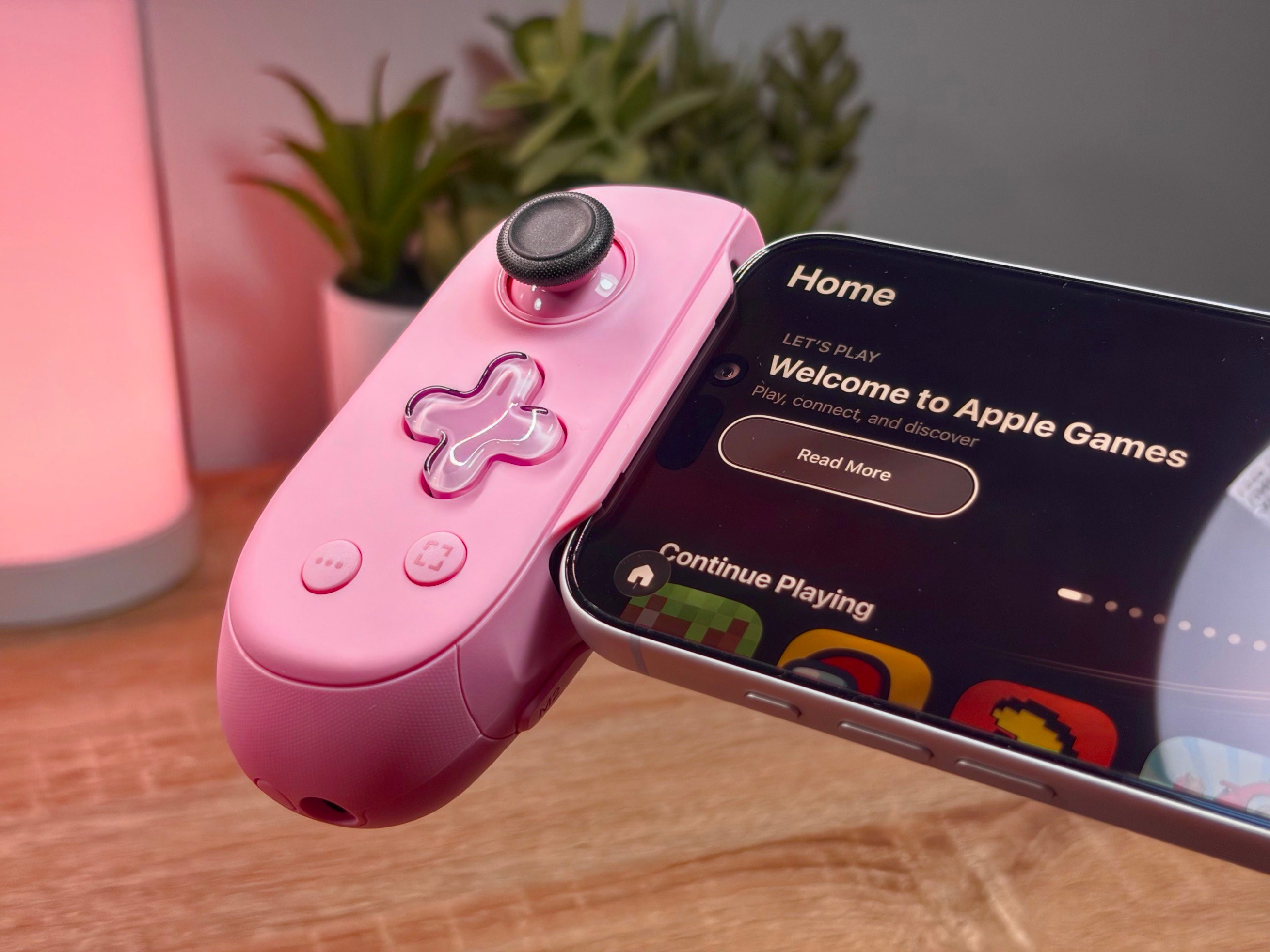
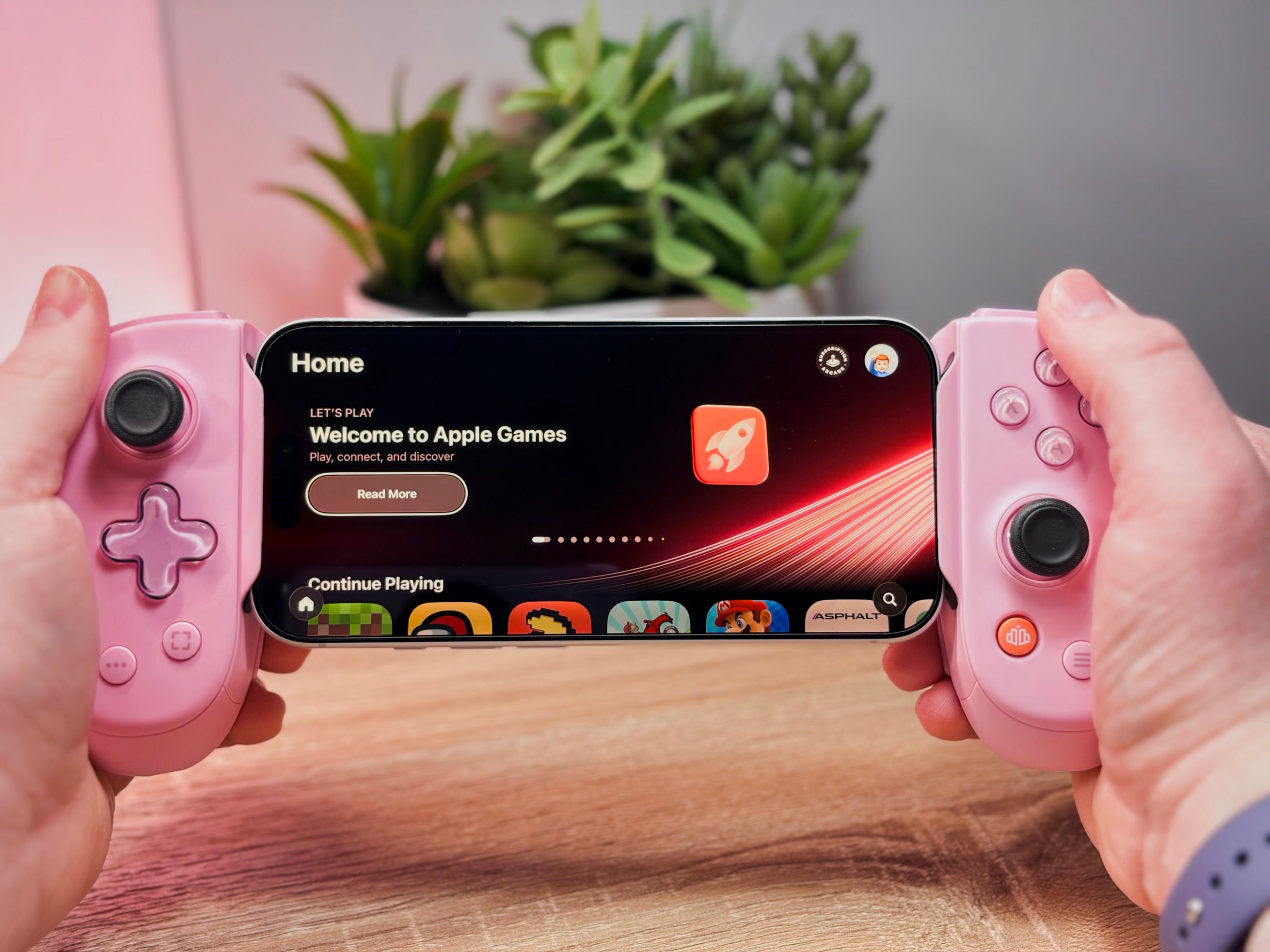
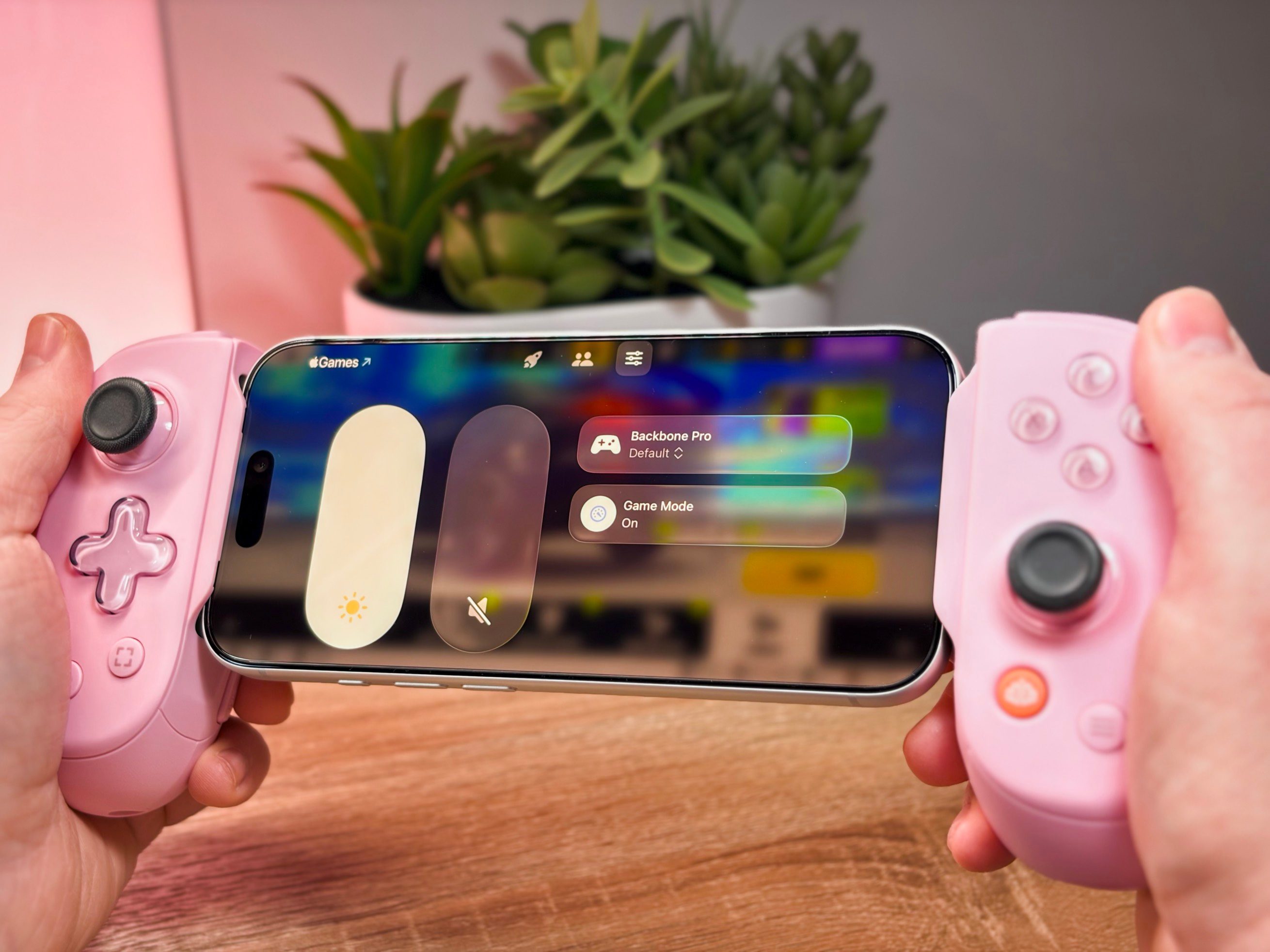
For iOS and iPadOS users, Backbone features comprehensive, native integration with Apple Games. The controllers are automatically recognized by the operating system, pulling in custom controller profiles and seamlessly operating within the Apple Games application interface. Users can even bring up the Apple Games overlay by pressing and holding the dedicated Backbone button, allowing for fluid navigation without ever needing to touch the device screen.
Supporting Context & Market Metrics
The launch of these colorful editions arrives at a pivotal moment for the mobile accessories market. According to recent industry analytics from mobile gaming research firms, mobile gaming revenue continues to account for over half of the global video game market, eclipsing PC and console revenues combined.
However, a structural shift is occurring: consumers are spending more time on high-end, core gaming experiences on mobile hardware—bolstered by powerful silicon chips like Apple’s M-series and A-series Pro processors, as well as high-end Snapdragon chips on Android. As hardware capability converges with traditional console gaming, attach rates for mobile gamepads have surged by an estimated 35% year-over-year. By targeting casual gamers with approachable, aesthetically pleasing colorways like pink and purple, Backbone is successfully capturing demographics outside the traditional hardcore gaming sphere, driving mainstream adoption of dedicated physical controls.
Official Statements and Industry Reception
While Backbone maintains strict confidentiality regarding specific sales projections, company executives have repeatedly emphasized that industrial design and inclusivity are central to their product roadmap.
In promotional statements accompanying the launch, Backbone representatives noted that the expansion into vibrant pastel finishes was a direct response to community feedback. "Gaming is a form of personal identity and self-expression," a company spokesperson indicated during the rollout. "Our users wanted hardware that reflects their personal style—whether they are commuting with a sleek pink Pro controller or unwinding at home with a purple One edition—without ever sacrificing the pro-grade performance they rely on."
Early reviews from tech journalists and casual gaming enthusiasts alike have praised the execution of the new colorways, highlighting the matte-touch finish that resists fingerprints while maintaining high visibility of the rich pigments.
Future Outlook
The release of the Pink Backbone Pro and Purple Backbone One signals a mature, highly confident brand capable of catering to both performance-driven enthusiasts and lifestyle-focused casual gamers. As cloud gaming infrastructure continues to mature, 5G networks expand, and AAA developers increasingly port massive titles directly to mobile platforms (such as recent releases on iOS and Android), the necessity for high-quality snap-in controllers will only escalate.
Looking forward, Backbone is well-positioned to dominate the mobile accessory conversation. By continuously refining their hardware—transitioning from strictly wired direct-connect models to versatile, multi-platform Bluetooth powerhouses like the Backbone Pro—and pairing them with culturally resonant designs, the company has created a blueprint for modern gaming peripherals.
For consumers on the fence about mobile gaming, the introduction of these expressive colorways removes the final barrier to entry. They transform a smartphone into a deeply personalized entertainment device, proving that high performance and high fashion can happily coexist in the palm of your hand.








Belum ada komentar. Jadilah yang pertama berkomentar!