

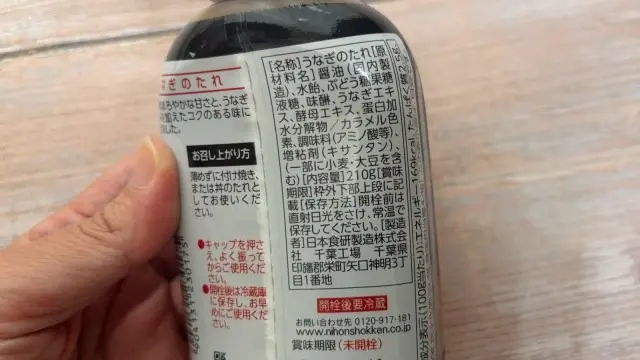
In the realm of global gastronomy, few culinary components possess the versatile, umami-rich depth of unagi no tare—universally recognized in Western culinary parlance as "eel sauce." Traditionally engineered as a thick, glossy, and deeply savory accompaniment for grilled freshwater eel (unagi), this storied condiment is built upon a simmered foundation of soy sauce, sweet rice wine (mirin), distilled rice wine (sake), and sugar. While its name pays homage to its most iconic pairing, the reality of commercial eel sauce production reveals a much broader culinary utility. Modern formulations, such as those popularized by prominent Japanese food manufacturers like Nihon Shokken, rely on a rich base of soy sauce, mizuame (a traditional Japanese starch sweetener), high-fructose corn syrup, and mirin, with actual eel extract playing a remarkably minor, background role.
This formulation profile renders eel sauce less of a seafood-specific drizzle and more of an exceptionally well-balanced, pre-mixed master sauce—a bottled shortcut to the classic Japanese teriyaki flavor profile. Yet, home cooks frequently encounter a common domestic dilemma: purchasing a full bottle for a single recipe, such as a weekend unadon bowl, and subsequently finding themselves staring down a half-empty bottle languishing in the refrigerator door.
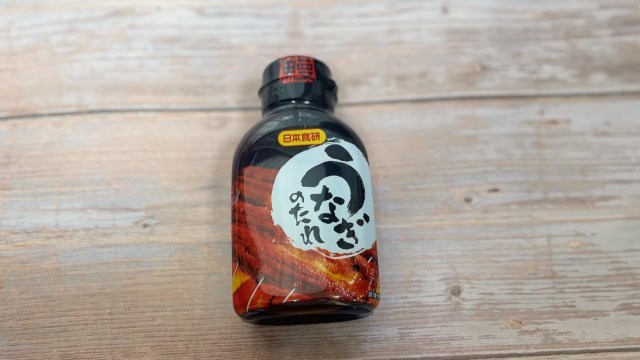
Rather than letting this liquid gold go to waste, a recent culinary investigation explores how home cooks can repurpose leftover eel sauce into a diverse array of everyday Japanese homestyle dishes, savory snacks, and even desserts. Far from being a one-trick pony, eel sauce serves as an effortless flavor accelerator. Because its primary ingredients—soy sauce, sugar, and sweet rice wine—form the structural backbone of Japanese home cooking, eel sauce can seamlessly substitute for complex seasoning blends in everything from grilled rice balls and comfort-food rice bowls to marinated proteins and traditional confections. This report provides an exhaustive, step-by-step breakdown of five creative, app-eel-ing recipes designed to clear out refrigerator inventory while elevating everyday home cooking.
Detailed Chronology: From Single-Use Bottle to Kitchen Staple
The journey of repurposing commercial eel sauce begins with a familiar kitchen scenario: the post-recipe inventory audit. After crafting a specialized Japanese meal requiring store-bought unagi no tare—specifically a standard retail bottle from Nihon Shokken—culinary researchers noted a significant surplus remaining in the vessel. A closer inspection of the product’s ingredient panel demystified its broad appeal. While marketed as eel sauce, the ingredient hierarchy places soy sauce at the very top, closely supported by mizuame and high-fructose corn syrup for viscous body and deep sweetness, followed by mirin. Eel extract appears far down the list, confirming that the liquid is essentially a highly refined, pre-caramelized tare (glaze) optimized for instant umami delivery.

Faced with a refrigerator shelf life and a zero-waste mandate, the kitchen team initiated a systematic experimentation phase to determine the limits of the sauce’s versatility. Over a multi-day culinary trial, the sauce was tested across various cooking methodologies—ranging from dry-heat grilling and wet simmering to cold marination and confectionery boiling. The chronological evolution of these tests yielded five distinct, highly repeatable recipes that transform an overlooked pantry remnant into the star of the plate.
1. Savory Grilled Onigiri (Japanese Rice Balls)
The experimentation commenced with a staple of Japanese convenience and comfort food: onigiri. Rather than brushing the sauce exclusively onto the exterior of a pre-formed rice ball—which can lead to burning or uneven flavor distribution—the team integrated the eel sauce directly into the cooked short-grain rice matrix prior to shaping.
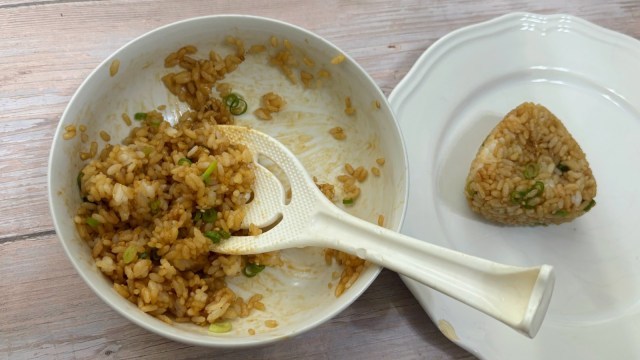
- The Process: Leftover eel sauce was folded uniformly into warm rice, accompanied by finely minced green onions (scallions) and toasted white sesame seeds to introduce aromatic pungency and textural contrast.
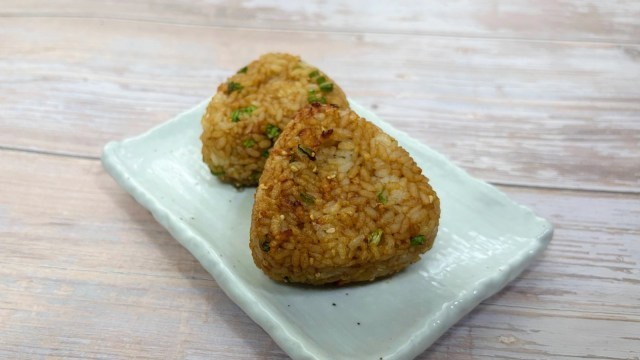
- The Technique: The seasoned rice was shaped into traditional triangular forms and subjected to dry-heat pan-frying (alternatively viable in an air fryer). The cooking process was monitored closely until faint, caramelized scorch marks appeared on the exterior of the rice grains.
- The Result: The direct incorporation of the sauce, combined with the Maillard reaction from pan-searing, yielded an onigiri with a profound depth of flavor vastly superior to standard iterations seasoned with plain soy sauce and salt. The sugars in the mizuame and mirin base created a delicate, crispy outer crust without overpowering the palate.
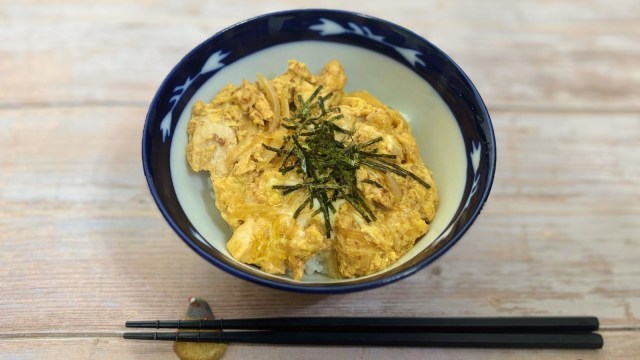
2. Streamlined Oyakodon (Chicken and Egg Rice Bowl)
Moving from snacks to hearty homestyle meals, the second phase targeted oyakodon—literally translating to "parent-and-child bowl"—a beloved Japanese comfort food featuring chicken and eggs simmered together in a dashi-based broth over rice. Traditionally, preparing oyakodon requires measuring out dashi stock, soy sauce, sugar, and mirin in precise proportions to achieve the quintessential sweet-savory balance.
- The Process: The team bypassed individual seasoning measurements by diluting a measured quantity of leftover eel sauce with water in a skillet, bringing the mixture to a gentle boil.
- The Technique: Bite-sized chunks of chicken thigh and sliced yellow onions were introduced to the simmering eel sauce broth. Once the poultry was thoroughly cooked through and the onions had softened into translucent sweetness, beaten eggs were swirled into the pan. The pan was covered briefly to allow the eggs to set into a tender, custard-like consistency before being slid over a steaming bed of white rice.
- The Result: The substitution proved astonishingly successful. The eel sauce provided an instant, flawless simmering stock that eliminated guesswork and prep time. The resulting dish delivered the classic, rich umami profile of authentic oyakodon with a fraction of the culinary labor.
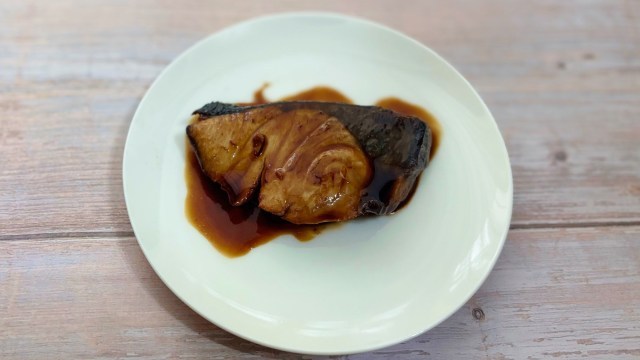
3. Glazed Japanese Amberjack (Buri)
Seafood pairings naturally emerged as the third logical test, specifically leveraging a recipe adapted from Japanese fisheries and food producer Yamada Suisan. While unagi is traditionally grilled and lacquered, applying the sauce to other oily, nutrient-dense fish offers an intriguing shortcut to traditional Japanese fish-cooking methods like teriyaki or kabayaki.
- The Process: Fillets of Japanese amberjack (buri) were placed directly into a hot frying pan to sear the skin and render out the natural fish fats.
- The Technique: Once the amberjack developed a golden sear, equal parts eel sauce and water were added directly to the pan. The mixture was left to simmer uncovered, allowing the liquid to reduce and thicken into a glossy lacquer that coated the fish.
- The Result: The final presentation was visually striking, featuring a high-gloss, appetizing sheen. While the flavor profile was well-received, the culinary team noted a minor educational takeaway: because commercial eel sauces vary in their sweetness-to-salt ratio, this particular brand left a desire for a slightly more pronounced sweetness to balance the rich, oily nature of the amberjack. The team logged this insight for future fish glazes.
4. Umami-Infused Hard-Boiled Eggs
Exploring non-cooking preservation and marination techniques, the fourth experiment targeted a universal refrigerator staple: hard-boiled eggs. Inspired by the marinated ajitsuke tamago found atop bowls of ramen, the team sought a rapid flavor-impregnation method using the viscous sauce.
- The Process: Fresh eggs were hard-boiled, fully cooled, and meticulously peeled.
- The Technique: The naked eggs were placed into a sealable culinary bag alongside a generous pour of unheated eel sauce, ensuring total surface contact. The bag was sealed and transferred to the refrigerator to rest for approximately twelve hours.
- The Result: Over the half-day marination window, the osmotic pressure drew the concentrated salt and sugars of the eel sauce into the outer layers of the egg white, imparting a delicate, savory-sweet exterior edge. This simple hack transformed plain boiled eggs into an effortless, gourmet-adjacent protein snack or salad topper.
5. Quick-Glazed Mitarashi Dango (Rice Dumplings)
Pushing the boundaries of the sauce from savory into the realm of confectionary dessert, the final test tackled mitarashi dango—traditional Japanese sweet rice flour dumplings skewered and coated in a glossy, sweet soy-sauce glaze.

- The Process: A small quantity of eel sauce was combined with water in a saucepan and brought to gentle heat. To compensate for the lower viscosity needed for a traditional dango coating, a pinch of potato starch was whisked in as a thickening agent.
- The Technique: Once the sauce achieved a heavy, viscous syrup consistency, boiled-and-chilled shiratama dango (glutinous rice flour dumplings) were tossed into the pan to coat them thoroughly.
- The Result: An initial taste test revealed that while the savory notes were present, the sauce lacked the deep, molasses-like sweetness characteristic of authentic mitarashi syrup. To correct this, the team introduced kuromitsu (traditional Japanese dark brown sugar syrup) in nearly equal proportions to the eel sauce. This adjustment instantly elevated the dessert, proving that eel sauce can successfully anchor a sweet confection provided it is supplemented with additional sugars.
Supporting Context & Metrics
To fully appreciate the functional utility of commercial eel sauce, one must examine its chemical and market composition. Standard industrial manufacturing processes, exemplified by brands widely distributed in Japanese and international supermarkets, construct unagi no tare with precise shelf-stability and culinary performance metrics in mind.
| Component / Metric | Typical Commercial Formulation (e.g., Nihon Shokken) | Culinary Function in Home Cooking |
|---|---|---|
| Primary Base (1st Ingredient) | Soy Sauce (Shoyu) | Delivers foundational amino acids, salinity, and deep umami savory notes. |
| Sweetening Agents | Mizuame, High-Fructose Corn Syrup, Sugar | Provides thick, glossy viscosity, caramelized color, and balancing sweetness. |
| Aromatic Enhancers | Mirin (Sweet Rice Wine), Sake | Imparts subtle acidity, complex fermented aromatics, and sheen. |
| Seafood Essence | Eel Extract (Trace/Minor Component) | Adds authentic background oceanic depth without dominating the flavor profile. |
| Optimal Dilution Ratio | 1:1 with Water (for simmering applications) | Prevents over-salination while maintaining coating integrity. |
The economic and ecological implications of repurposing these bottled sauces are also noteworthy. Food waste audits consistently highlight condiments and sauces as primary contributors to household refrigerator waste, often discarded simply because the consumer lacks recipe inspiration beyond the primary dish. By understanding that eel sauce is fundamentally a stabilized teriyaki-style reduction, consumers can eliminate single-use pantry clutter and maximize the value of their grocery purchases.
Official Industry Perspectives & Expert Insights
Culinary historians and manufacturing experts note that the evolution of bottled Japanese sauces reflects a broader shift toward convenience-driven global cuisine. According to food product developers in the Japanese seasoning sector, commercial tare formulations are intentionally engineered with a high sugar-to-sodium ratio. This chemical balance not only preserves the product without aggressive chemical additives but also guarantees the characteristic mirror-like glaze (teriyaki translates literally to "luster-broil") when exposed to heat.
Chefs specializing in modern Japanese homestyle cooking (ie-gohan) emphasize that home cooks should not feel bound by traditional naming conventions. "A sauce is simply a delivery system for flavor balance," notes one Tokyo-based culinary instructor. "When you deconstruct eel sauce, you realize it is essentially a pre-boiled master marinade of soy and sugar. Treating it as a dynamic base ingredient rather than a static fish condiment unlocks immense creative potential in the domestic kitchen."

Furthermore, fisheries and food processing corporations—such as Yamada Suisan, whose operational recipes informed the amberjack glaze experiment—actively encourage home cooks to experiment with seafood sauces across alternative pelagic and demersal fish species. By demonstrating that products intended for luxury items like unagi can elevate everyday proteins like amberjack, mackerel, or salmon, manufacturers are helping bridge the gap between restaurant-quality presentation and accessible weeknight cooking.
Future Outlook & Culinary Implications
As global consumer interest in Japanese home cooking continues its upward trajectory, the versatility of specialized pantry items like eel sauce is expected to garner increased attention. The trend toward zero-waste kitchen management combined with cross-cultural fusion cooking suggests that consumers will increasingly look for multi-purpose applications for single-use condiments.
Future developments in this space may see food brands explicitly printing cross-over recipe suggestions—such as marinade guidelines for chicken, eggs, and root vegetables—directly on the back of specialty sauce bottles. For now, the successful execution of dishes ranging from pan-seared onigiri to modified mitarashi dango proves that the boundaries of pantry staples are defined primarily by imagination rather than label instructions. Home cooks equipped with a bottle of leftover eel sauce no longer need to view it as a fleeting luxury item, but rather as a reliable, multi-functional asset capable of elevating snacks, proteins, and desserts alike.







Belum ada komentar. Jadilah yang pertama berkomentar!