

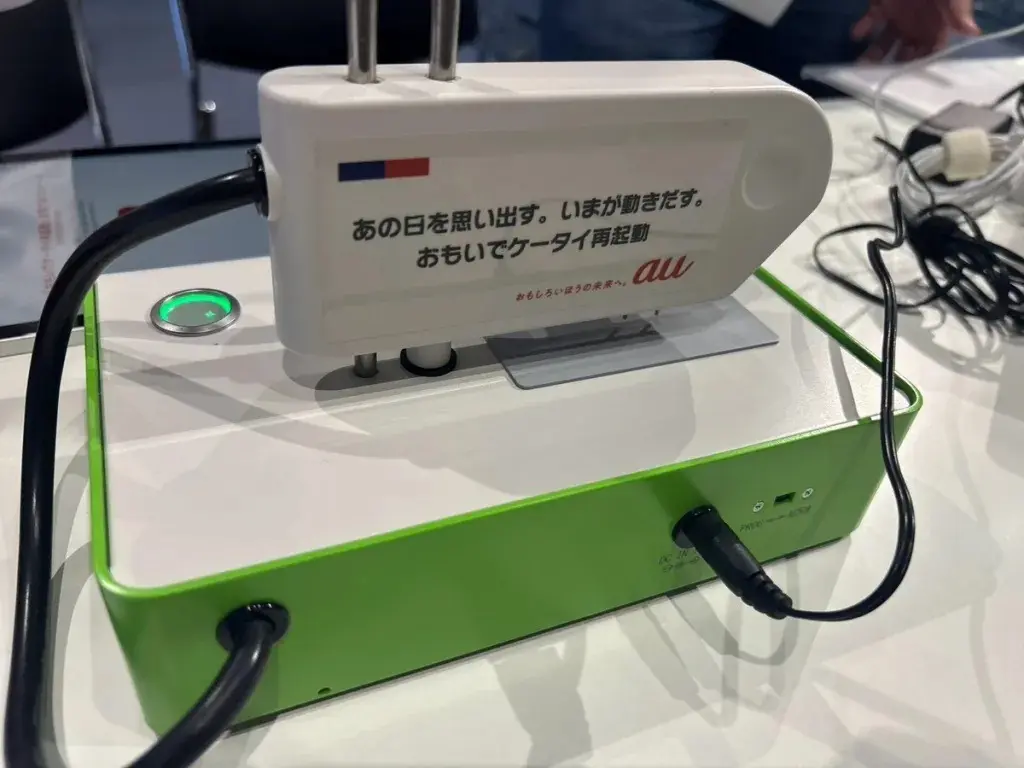
In an era dominated by homogenous, cloud-synced slab smartphones and hyper-disposable technology, the physical relics of our digital past frequently fade into obscurity. Millions of obsolete devices—most notably the expressive, varied flip phones (paitai) of the 2000s and early 2010s—sit languishing in desk drawers, storage boxes, and attics. Left unpowered for years, their lithium-ion batteries undergo a common physiological degradation: deep discharge. When a battery voltage drops below a critical safety threshold, standard consumer chargers refuse to initiate a charge, effectively locking away decades of high-resolution nostalgia, text messages, and foundational digital memories behind an unyielding wall of dead hardware.
Addressing this widespread phenomenon, major Japanese telecommunications provider KDDI has conceptualized and deployed a remarkably poignant public service: Cell Phone Memory Restart (Omoide Keitai Saikido). Operating through a series of periodic, highly coordinated public events at showrooms like Ginza 456 in Tokyo, KDDI’s specialized technicians utilize bespoke laboratory equipment to "remind" deeply depleted batteries how to hold a charge. Remarkably, this service is entirely free of charge, open to devices from competing carriers, and includes complimentary high-resolution photo printing and replacement chargers.
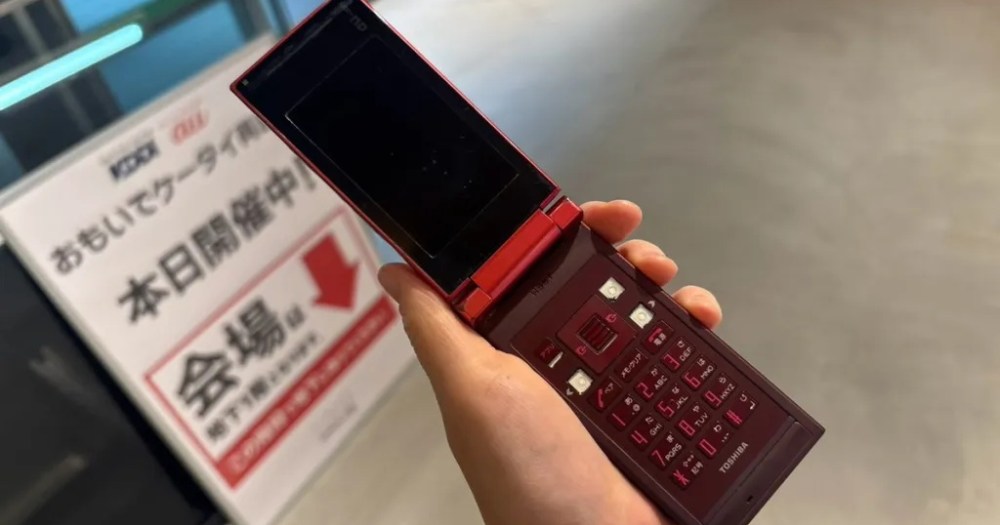
This deep-dive report chronicles the mechanics, emotional resonance, and broader cultural significance of KDDI’s initiative, drawing from an on-the-ground account by Japanese-language reporter Natsuno Futon, who successfully resurrected a decade-old Toshiba Win-model flip phone.
Detailed Chronology: Resurrecting a Decade-Old Digital Relic
To understand the tangible impact of the Cell Phone Memory Restart program, one must examine the step-by-step resurrection process experienced by participants. For reporter Natsuno Futon, the journey began with a reservation secured at KDDI’s flagship Ginza 456 showroom in the upscale Ginza district of Tokyo.
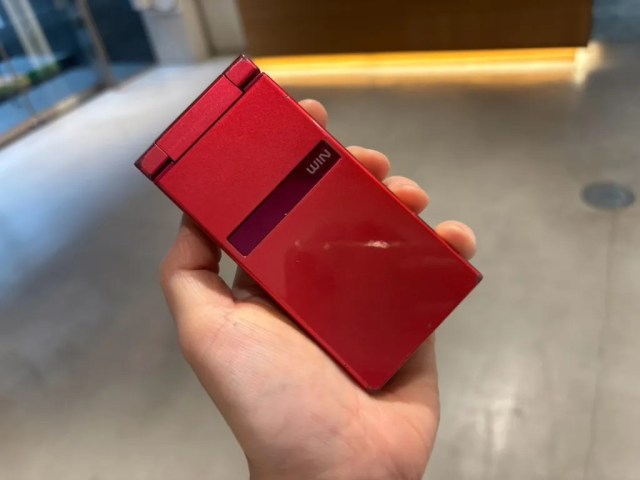
The Subject: A 10-Year-Old Toshiba Win Flip Phone
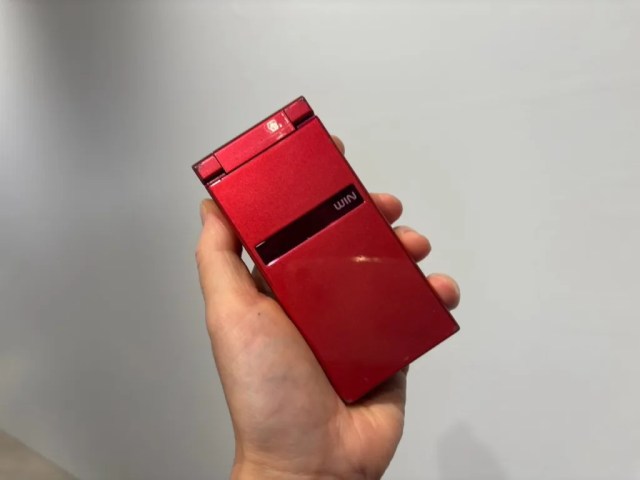
Natsuno’s device of choice was a vintage Toshiba Win-model flip phone left untouched for approximately a decade. Held up against modern smartphones, the device immediately highlighted the design evolution of personal communication technology. While contemporary handsets feature standardized, flat glass forms with virtually indistinguishable ultra-thin bezels, the flip phones of yesteryear functioned as distinct extensions of personal style, featuring tactile keypads, unique colorways, and mechanical hinges that offered satisfying physical feedback.
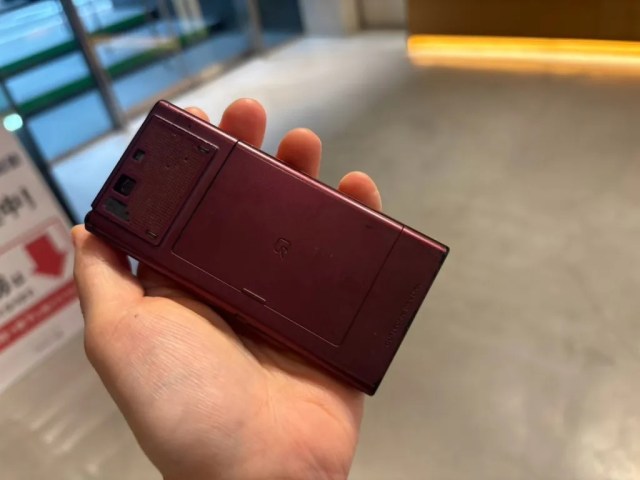
Upon unearthing the device, Natsuno discovered that while the physical hinge mechanism remained robust and responsive, time had taken its toll: several button faceplates had detached, leaving exposed rubber pads underneath. More critically, plugging the device into its original, consumer-grade AC adapter yielded zero response. The phone was entirely inert, rendering its internal storage unreadable by conventional means.
Diagnosis: The "Forgotten" Battery
Upon handing the device over to KDDI’s trained technicians, the underlying technological roadblock was explained in accessible terms. When a lithium-ion battery sits in a completely uncharged state for an extended period, its internal circuitry and chemical composition enter a protective lockdown mode. As the technician casually yet accurately phrased it: "Essentially, your battery has forgotten that it’s a battery, so we’re going to give it a reminder."
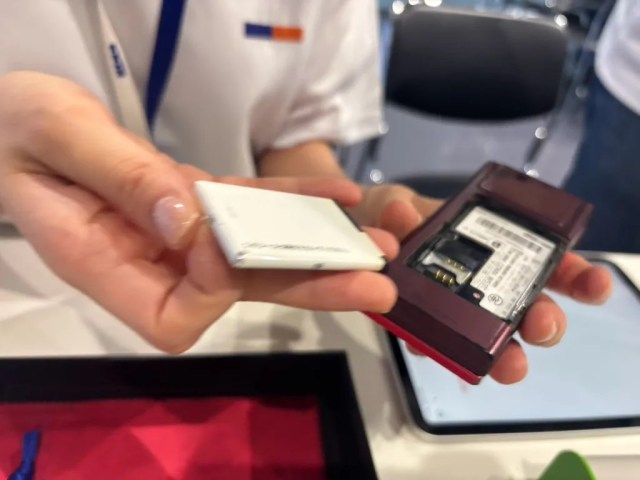
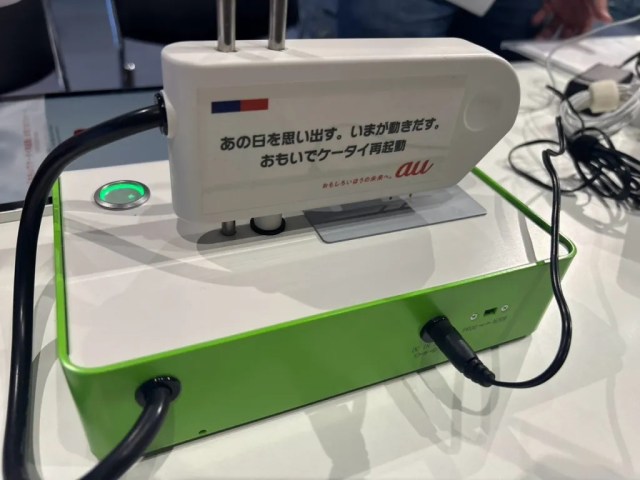
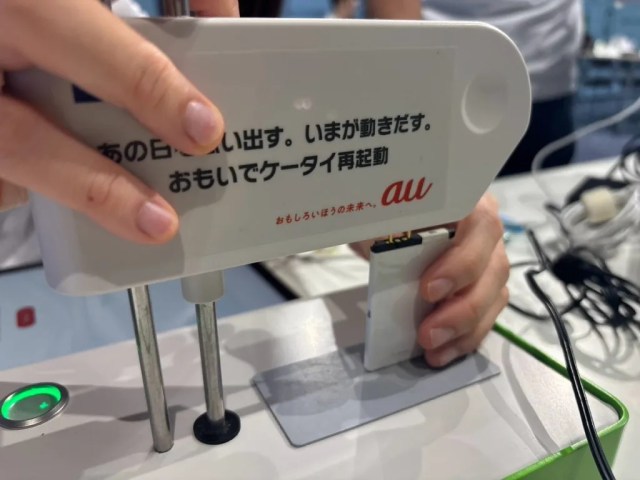
Standard AC wall adapters are hardcoded with safety protocols that reject completely dead cells to prevent overheating or electrical shorts. To bypass this, KDDI technicians removed the battery pack entirely from Natsuno’s Toshiba handset and connected it directly to a specialized, laboratory-grade testing and activation apparatus. This regulated power source safely introduces a micro-current directly to the battery cells, coaxing them past their dormancy threshold.
The Moment of Revival
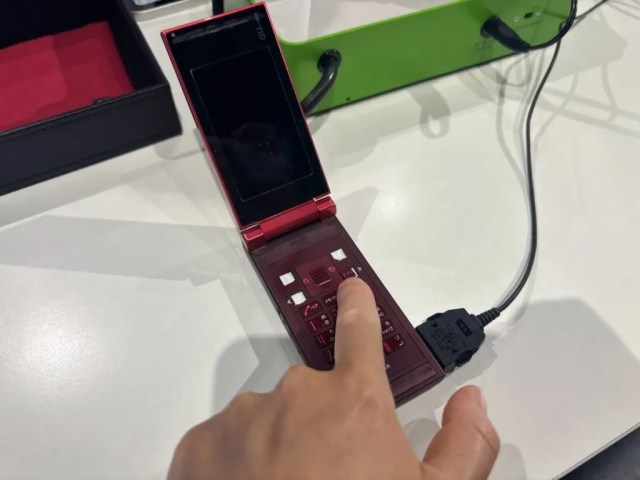
After a brief waiting period of several minutes, the battery was reinserted into the chassis, and Natsuno was invited to perform the power-on sequence herself. With a mixture of nervous anticipation and nostalgic curiosity, she pressed and held the physical power button.
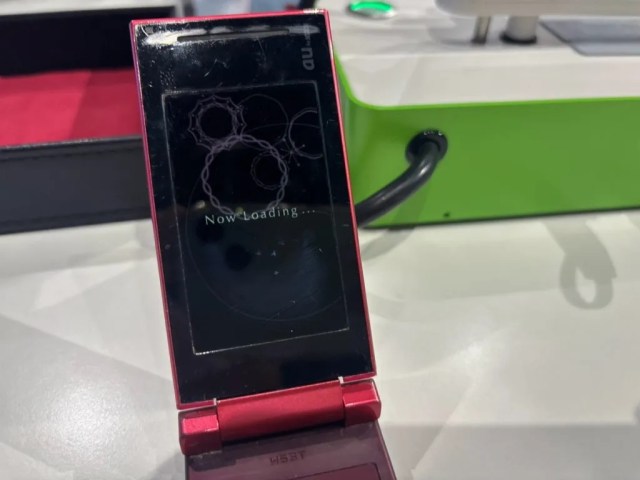
To the delight of both the reporter and the attending staff members, the device vibrated to life, illuminating its liquid crystal display and initiating its proprietary startup boot animation.
Supporting Context & Metrics: Unlocking the Vault of Memory
The restoration of power is merely the threshold of the Cell Phone Memory Restart experience. Once the operational interface was restored, participants were granted access to a localized time capsule that predated the ubiquity of cloud backups, automated data synchronization, and social media archives.
Confronting the Past: Wallpapers and Contacts
The initial moments of boot-up carried an amusing psychological risk: the dread of confronting an embarrassing, cringey digital artifact from one’s youth. Natsuno noted an initial wave of anxiety regarding what her decade-old wallpaper might reveal. Fortunately, the screen greeted her not with an ill-advised adolescent selfie, but with a proud display of professional baseball player Masahiro Araki of the Chunichi Dragons.
Growing up in Gifu Prefecture—a region neighboring Aichi Prefecture that lacks its own local professional baseball franchise—Natsuno was a classic proximity-based Dragons fan. The wallpaper featured a photograph she had captured during the team’s championship parade years prior. The presence of the image sparked an impromptu, warm conversation with the KDDI technicians, who instantly recognized the legendary player—who spent his entire 23-year career with the Dragons—demonstrating how shared cultural artifacts can bridge the gap between service provider and consumer.
Multimedia Archives: Photos, Mails, and Mementos
Navigating deeper into the device’s internal memory revealed a rich tapestry of personal history:
- Life Milestones: Photographs capturing the mundane yet deeply sentimental moments of moving into a first apartment, alongside minor tragedies like a fender-bender involving a first automobile.
- Ephemeral Joy: Unfiltered, low-resolution snapshots of everyday life, including a memorable image of a celebratory parfait.
- Text-Based Communication: Access to old SMS threads and carrier-specific email archives. In the era preceding ubiquitous messaging apps, text histories were stored locally on the physical device flash memory, offering an unfiltered look at interpersonal relationships frozen in time.
The photographic quality itself offered a unique aesthetic appreciation. While the low megapixels and absence of modern artificial intelligence color-correction fell short of contemporary mobile photography standards, these technical limitations worked in favor of emotional resonance. The grainy, unpolished images captured the raw emotional mood of memories where precise visual details have faded, but the core feeling remains intact.
Supplementary Services Provided Free of Charge
KDDI’s program goes well beyond merely turning the phone on. The experience includes several high-value complementary features:
- Large-Format Photo Printing: Participants are invited to select one cherished image from their resurrected device. Technicians project the image onto a large showroom wall to ensure clarity before producing a physical, high-quality large-format print. Natsuno selected a candid photograph taken by her college dormitory roommate during her freshman year.
- Complimentary AC Adapters: Recognizing that participants likely discarded or lost their proprietary chargers over the last decade, KDDI provides matching charging adapters to take home for free, subject to on-site inventory availability.
- Restored Charge Retention: Following the specialized activation process, the device’s battery successfully recalibrates, allowing it to charge normally via standard wall outlets moving forward.
Official Statements & Industry Impact
While telecommunications companies are routinely scrutinized for pushing aggressive hardware upgrade cycles—urging consumers to discard older models every two to three years in pursuit of incremental technological gains—KDDI’s Cell Phone Memory Restart project serves as a masterclass in consumer empathy and brand stewardship.
Industry analysts have noted that initiatives like Omoide Keitai Saikido successfully reframe the relationship between consumer and corporation. By validating the emotional weight of old technology, KDDI fosters profound brand loyalty without a direct sales incentive. The program costs participants nothing—there are no hidden diagnostic fees, data retrieval charges, or mandatory service plan sign-ups required.
Though specific internal metrics regarding corporate expenditures for the program are proprietary, the public relations value and emotional goodwill generated across Japanese media outlets have proven immeasurable. By proving that old technology can be momentarily brought back from extinction, KDDI positions itself not merely as a seller of modern cellular contracts, but as a custodian of personal histories.
Future Outlook & Availability
The success of the Cell Phone Memory Restart initiative highlights a universal human desire to reconnect with lost chapters of our personal narratives. As digital storage increasingly shifts toward decentralized, subscription-based cloud ecosystems—where accounts can be locked, passwords forgotten, or servers decommissioned—the physical local storage of early-2000s mobile devices represents an increasingly rare, tangible archive of human memory.
KDDI continues to expand the reach of the program through rotating residency schedules across its major Japanese retail showrooms and exhibition spaces. Upcoming iterations of the Cell Phone Memory Restart event at the Ginza 456 showroom in Tokyo are officially scheduled for:
- October 2–4
- November 6–8
For readers residing in or traveling to Japan who possess dormant flip phones locked behind dead batteries, advance reservations can be requested through KDDI’s dedicated portal page (https://www.au.com/omoidekeitai/). As Natsuno Futon’s experience demonstrates, what begins as a simple technical inquiry into a dead battery often transforms into a profound, deeply moving journey to visit one’s past self.








Belum ada komentar. Jadilah yang pertama berkomentar!