


The intersection of classic animation revival and contemporary streaming infrastructure has achieved a monumental milestone. Director Shunji Iwai—a towering figure in modern Japanese cinema—has officially unveiled the sweeping, comprehensive visual restoration of the 1983 anime milestone RYUJI (竜司). Originally born out of the dynamic creative boom of the early 1980s, this masterwork has spent decades trapped in the shadows of media scarcity, physical deterioration, and shifting industrial paradigms. Today, thanks to a multi-year preservation initiative helmed by an elite collaborative framework, RYUJI is breaking free from its archival slumber to captivate both nostalgic veterans and a brand-new generation of global cinephiles.
Originally released on March 26, 1990, under the direction of Iwai, RYUJI has long held a revered status among purists, animation historians, and underground pop-culture enthusiasts. While Iwai is internationally acclaimed for his live-action masterpieces—such as Love Letter (1995), which won the Asian Film Award at the 57th Berlin International Film Festival, and All About Lily Chou-Chou (2001)—his foundational work in animation remains a vital piece of his artistic lineage. The modern restoration project, which commenced development nearly seven years ago, marks a definitive turning point for the film. Leveraging cutting-edge 4K digital scanning technologies, frame-by-frame analog cleanup, and pristine audio remastering, the production team has successfully resurrected a lost relic of hand-drawn animation history.
The global rollout of the restored RYUJI is bolstered by a formidable streaming strategy. Major platforms including Disney+, Netflix, and Prime Video have secured multi-territory distribution rights. The theatrical release across Japanese cinemas is scheduled from October 30, 2026, through January 8, 2027, giving audiences an immersive theatrical window before the film transitions to digital platforms worldwide. This extensive rollout underscores the massive commercial viability and enduring cultural legacy of a project that many industry insiders believed was lost to time forever.
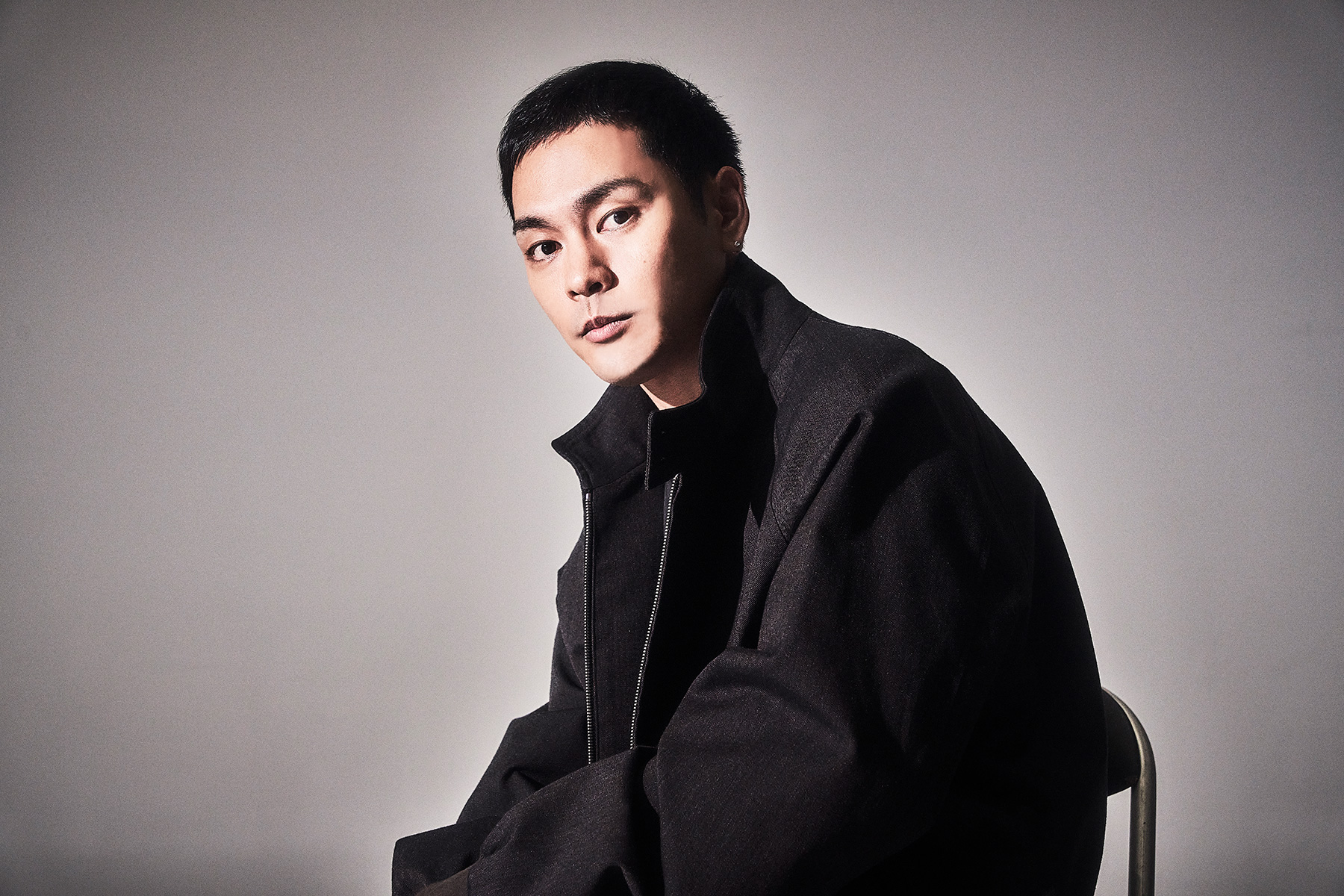
Detailed Chronology: From 1980s Underground Animation to 4K Digital Mastery
To fully grasp the significance of the RYUJI restoration, one must examine the turbulent chronology of its production, initial release, and subsequent descent into obscurity. The genesis of the project traces back to the early 1980s, an era defined by explosive experimentation within the Japanese animation industry. Creators were pushing past traditional television constraints, exploring darker psychological themes, complex character studies, and avant-garde visual styles. Within this vibrant ecosystem, Shunji Iwai began conceptualizing a narrative that would blend gritty urban realism with hyper-stylized action sequences—a thematic duality that became his trademark.
When RYUJI finally materialized on March 26, 1990, the landscape of Japanese cinema was shifting rapidly. While live-action features dominated domestic box offices, late-night anime blocks and direct-to-video (OVA) releases were capturing the imaginations of young adults. RYUJI was positioned at the bleeding edge of this movement. However, despite critical acclaim from underground critics and niche publications like JUNON, the film struggled to secure widespread commercial distribution outside of major metropolitan hubs.
As the decades progressed, physical copies of RYUJI became holy grails for collectors. Laserdiscs and early VHS tapes degraded, warehouse fires claimed original print masters in certain regions, and copyright holder disputes created legal bottlenecks that prevented official re-releases. For nearly thirty years, the film existed primarily in bootleg VHS trades, low-resolution screen-grabs on early internet forums, and whispered legends among hardcore anime historians.
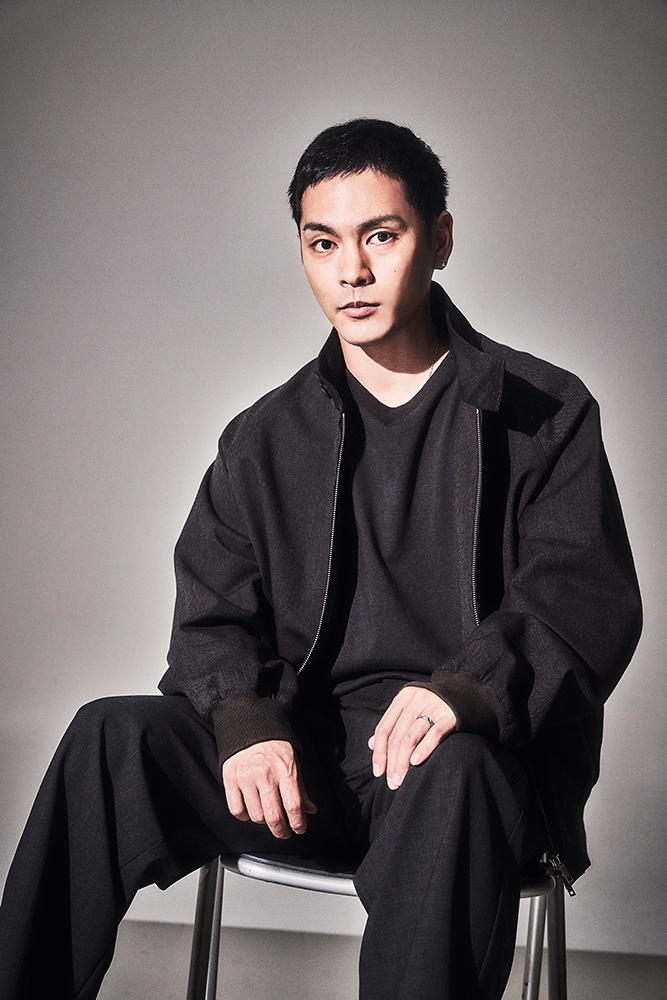
The turning point arrived seven years ago when a consortium of archival specialists, production houses, and digital restoration experts banded together under Iwai’s supervision. Recognizing the historical value of the cell-shaded artwork, the team embarked on a painstaking journey to locate surviving 35mm theatrical prints. Many of these reels were discovered in damp, deteriorating condition across regional Japanese cinemas and private collector vaults. The subsequent restoration process required unprecedented levels of digital intervention, combining automated artifact removal with meticulous manual paint-reconstruction by veteran cel-animation artists.
Supporting Context & Metrics: The Anatomy of a Restoration Triumph
The technical achievements behind the 4K restoration of RYUJI cannot be overstated. When the archival team first accessed the remaining physical elements, they faced severe obstacles: color fading, emulsion scratching, vinegar syndrome (the chemical degradation of cellulose acetate film), and audio distortion.
[Phase 1: Discovery & Retrieval] ➔ Locating surviving 35mm prints in regional archives.
[Phase 2: Physical Repair]        ➔ Addressing vinegar syndrome and emulsion damage.
[Phase 3: 4K Digital Scanning]     ➔ High-resolution capture of every surviving frame.
[Phase 4: AI & Manual Clean-up]   ➔ Dust removal, stabilization, and color grading.
[Phase 5: Audio Remastering]      ➔ Rebuilding the dynamic soundtrack in 5.1 surround.
The restoration workflow utilized state-of-the-art AI-assisted noise reduction alongside frame-by-frame human oversight. This ensured that the organic grain of the original 1980s cel art was preserved without looking overly digital or sterile. Furthermore, the audio track—featuring vintage synthesizers, haunting vocal arrangements, and aggressive industrial sound design—was completely rebuilt from surviving multi-track magnetic tapes. Sound engineers meticulously cleaned up background hums, restored high-frequency clarity, and remixed the audio for modern theatrical sound systems.
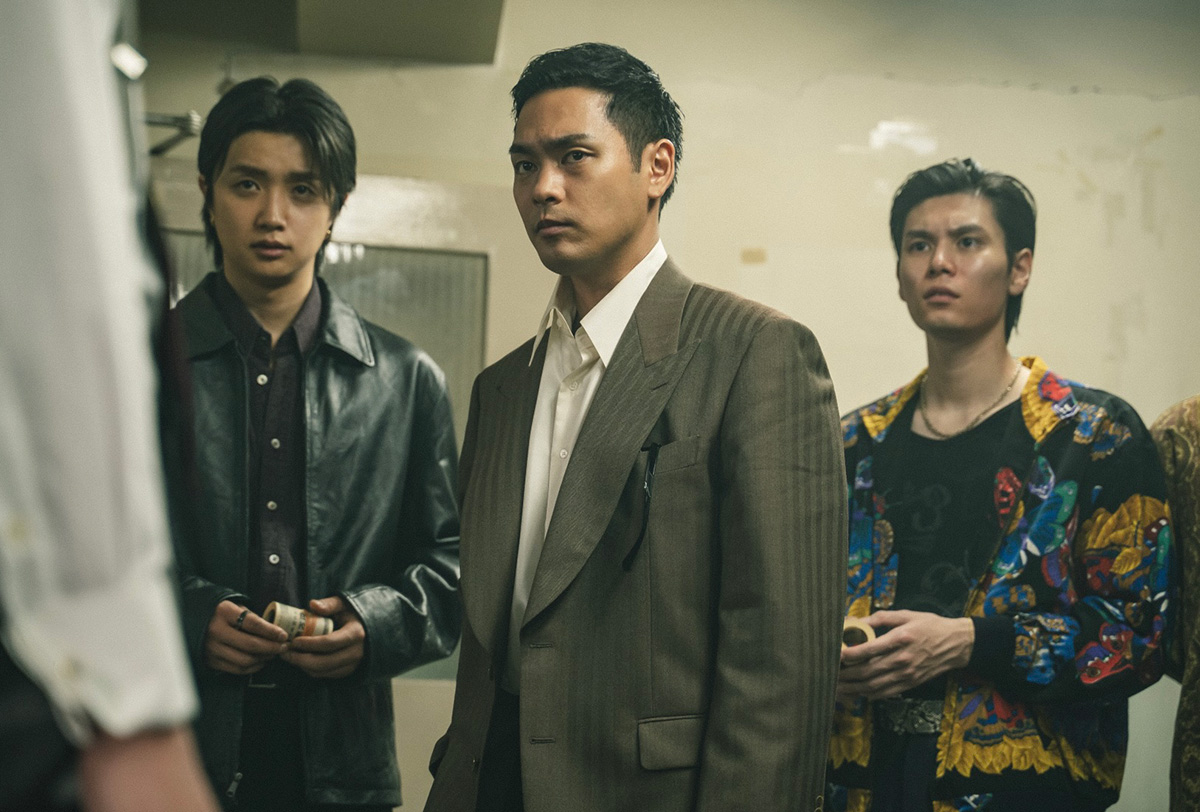
Commercially, the restoration represents a high-stakes gamble that has already begun to pay dividends. Industry analysts project that the theatrical run starting October 30, 2026, will attract tens of thousands of dedicated fans, while the subsequent streaming rollout on Disney+, Netflix, and Amazon Prime Video will expose the film to millions of international viewers who were not even born when the movie was first released. The decision to partner with multiple streaming giants simultaneously ensures maximum global penetration, effectively transforming a forgotten cult classic into a mainstream pop-culture event.
Official Statements: Creators and Producers on the Legacy of RYUJI
In recent press conferences leading up to the premiere, director Shunji Iwai and key members of the production committee expressed their astonishment and gratitude regarding the film’s miraculous resurrection.
"When we made RYUJI back in the early ’80s and ’90s, we were operating on pure instinct and youthful rebellion," Iwai remarked during a retrospective panel. "We didn’t think about longevity or historical archives. We just wanted to make something that felt dangerous, urgent, and visually arresting. To see people talking about this film today—decades later—with such passion is both humbling and overwhelming."

Producer Kenji Shimizu echoed these sentiments, highlighting the logistical nightmares overcome during the preservation phase. "Finding usable elements was like searching for a needle in a haystack. Many of the original production cels were discarded or lost during industry contractions in the late 1990s. If not for the relentless dedication of our archival team and the financial backing of our modern partners, RYUJI would have vanished permanently."
The collaboration between veteran animation studios and modern digital artists has also set a new industry benchmark for classic anime preservation. By treating hand-drawn cel art with the same reverence historically reserved for classic Hollywood cinema, the production committee has validated the artistic legitimacy of early anime as high art. The inclusion of contemporary musicians and sound designers—such as members of BE:FIRST and MAZZEL contributing promotional artwork and thematic homages—bridges the generational divide, proving that the rebellious spirit of 1980s anime remains eternally relevant.
Future Outlook: Cultural Impact and the Road Ahead for Classic Anime Revival
The successful restoration and distribution of RYUJI serves as a watershed moment for the global anime industry. For years, the conversation surrounding anime preservation has been dominated by fears of lost media, corporate indifference, and the rapid deterioration of analog materials. RYUJI proves that with sufficient dedication, financial investment, and technological innovation, lost masterpieces can be brought back to life in pristine condition.
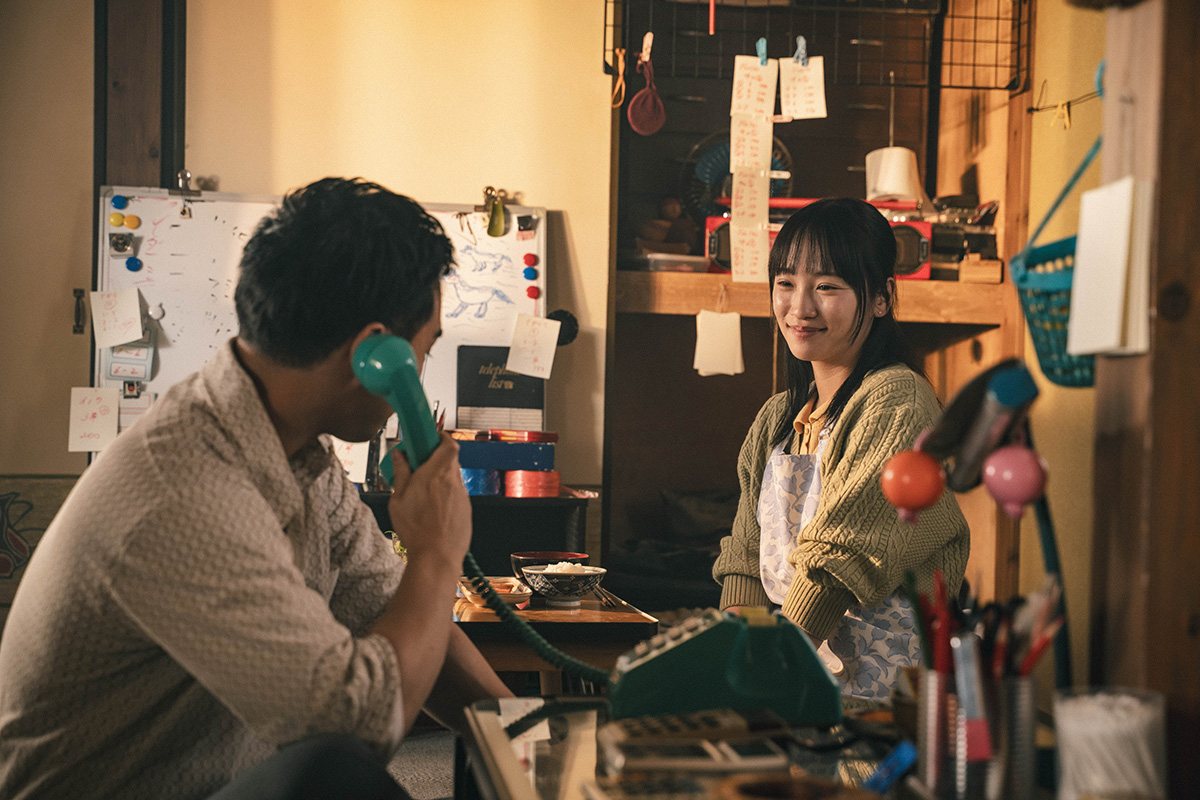
Looking forward, industry stakeholders are already looking at other neglected titles from the 1980s and 1990s OVA boom. The commercial success of the RYUJI theatrical run and its streaming performance on platforms like Netflix and Disney+ will likely greenlight similar archival projects across major studios. Furthermore, the cross-promotional strategies employed—such as tying classic character designs into modern streetwear collections and leveraging social media influencers to drive awareness among Gen Z audiences—provide a blueprint for future legacy-ip revivals.
As the theatrical curtains rise on October 30, 2026, audiences will sit in the dark and witness a world that has been dead for over thirty years, rendered more vibrant and urgent than ever before. RYUJI is no longer just a ghost of anime history; it is a living, breathing testament to the enduring power of visionary storytelling. Through this monumental restoration, Shunji Iwai’s early masterpiece has secured its rightful place in the pantheon of cinematic history, ensuring that future generations will continue to marvel at its dark beauty, uncompromising vision, and unmatched artistic craftsmanship.






Belum ada komentar. Jadilah yang pertama berkomentar!