

By Ollie Ring | Senior Editor
Last Updated: August 18, 2026
Executive Overview
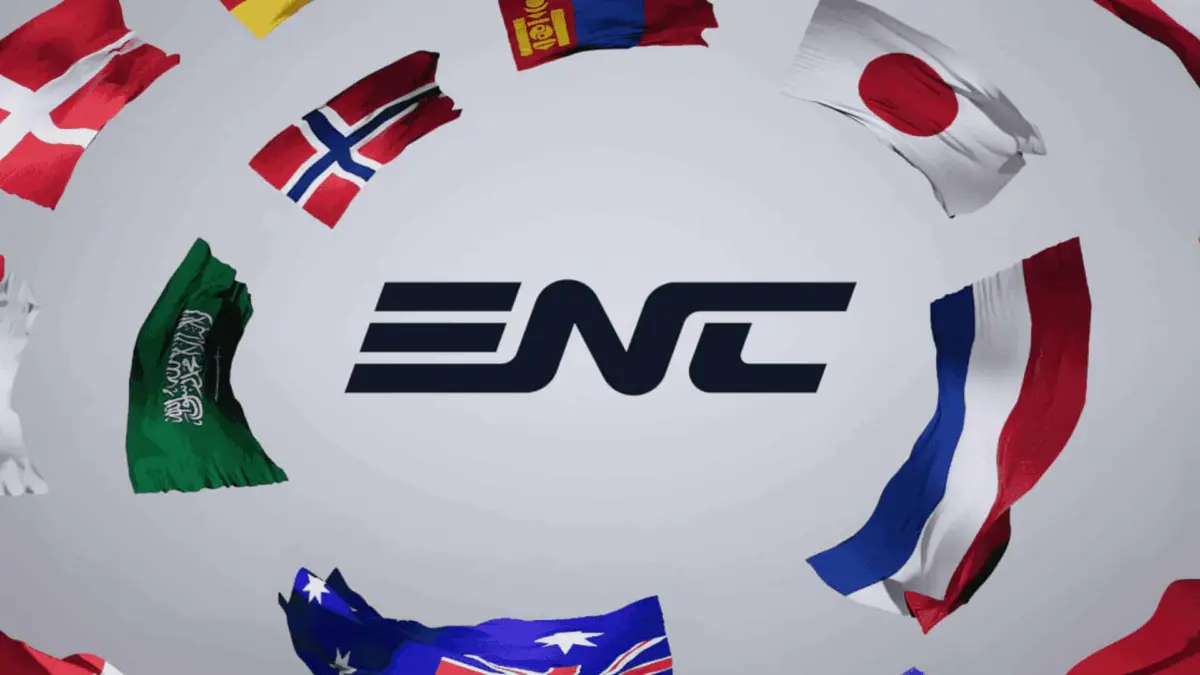
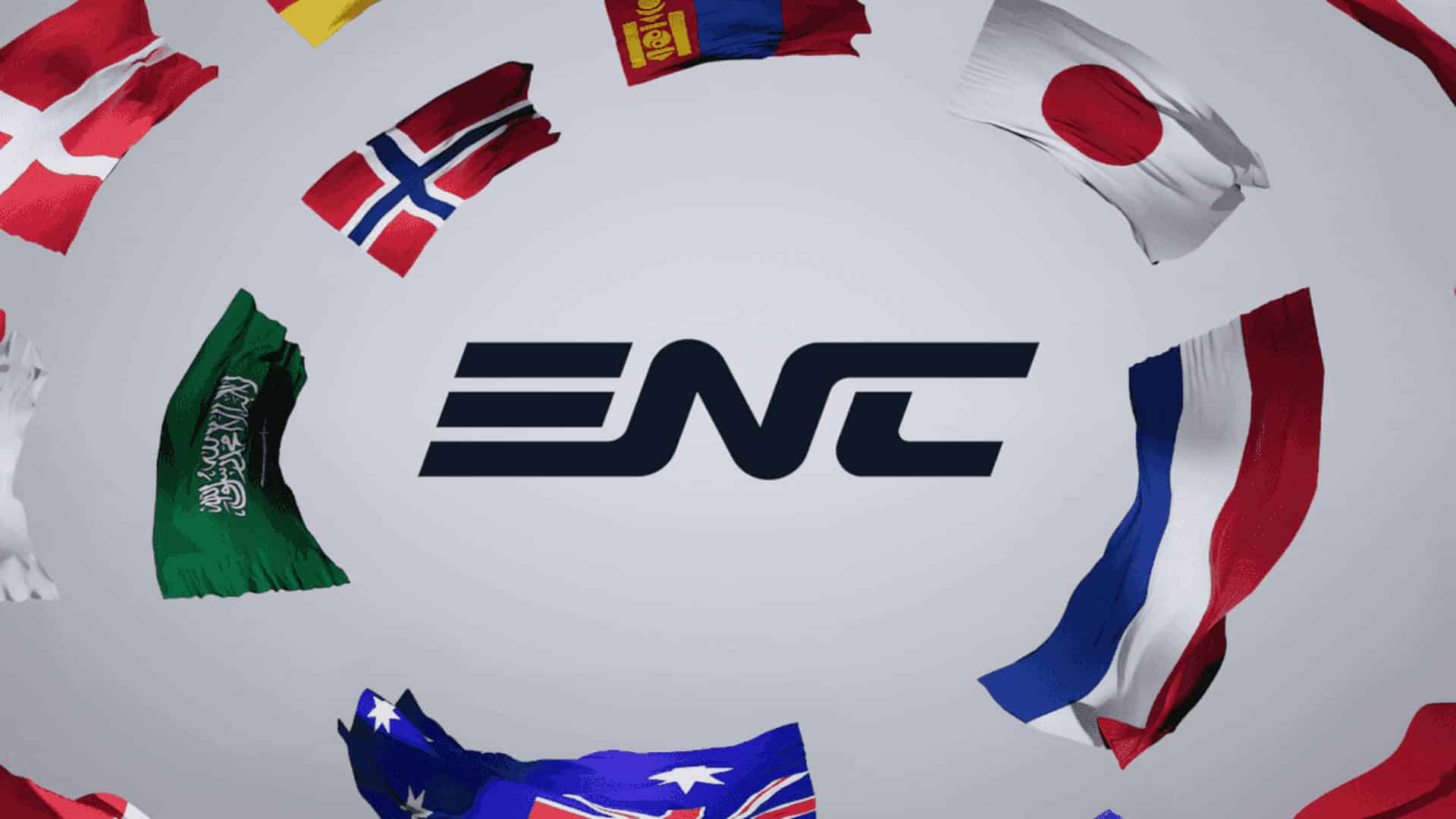
The global competitive gaming landscape has been dealt a significant scheduling blow with the official announcement that the inaugural Esports Nations Cup (ENC) has been postponed by a full year. Originally slated to bring international prestige and national team rivalries to Riyadh, Saudi Arabia, in late 2026, the flagship tournament will now take place in November 2027.
The delay, announced on August 18 by the Esports Foundation, stems from an ongoing, cautious reassessment of the "wider regional situation" and exhaustive consultations with key industry stakeholders, publishers, and national federations. While explicit geopolitical parameters were omitted from the official press release, the decision mirrors broader industry tremors—most notably the logistical and diplomatic shifts that saw the Esports World Cup relocate from Saudi Arabia to Paris earlier this year.
For Team GB, the postponement introduces a complex mix of frustration and logistical relief. Months of intensive squad selections, grueling regional qualifiers, and foundational preparation have suddenly been thrown into a holding pattern. However, critical silver linings remain: Great Britain’s hard-won qualification spots—including a landmark triumph in Dota 2—will be fully carried over to the rescheduled 2027 main event. Furthermore, the Esports Foundation has confirmed that financial commitments to the ENC Development Fund and National Team Partners will remain completely uninterrupted.
As over 100 participating nations, major commercial partners like adidas, and anxious fans process the delay, the competitive ecosystem must recalibrate for an extended 15-month build-up to the tournament.
Detailed Chronology: The Build-Up and Stalling of the ENC
To understand the weight of the August 18 postponement, one must trace the rapid, high-stakes trajectory of the Esports Nations Cup over the preceding months. Designed to mirror traditional international sports tournaments—complete with national jerseys, regional qualifiers, and fierce patriotic narratives—the ENC was positioned as the pinnacle of international team-based esports.
Squad Selections and Early Momentum (May – June 2026)
Throughout the spring of 2026, the UK esports scene rallied behind the formation of Team GB. National rosters began to take shape across multiple prominent titles:
- May 2026: The Esports Foundation and UK national coordinators confirmed the initial Team GB rosters for tactical shooter Rainbow Six Siege and high-octane vehicular soccer phenomenon Rocket League, sparking widespread community engagement and localized media coverage.
- June 2026: Momentum accelerated with the unveiling of the Team GB League of Legends squad. The roster immediately generated buzz by integrating veteran tier-one talent from the European and UK competitive circuits, featuring familiar heavyweights such as Jordan “Shikari” Pointon, Matthew “Deadly” Smith, and support maestro Raymond “Kasing” Tsang.
The Triumph in the EU West Qualifiers (July 2026)
The defining athletic milestone for Team GB prior to the postponement occurred in early July 2026. Battling through the treacherous lower bracket of the grueling European West qualifiers, the Team GB Dota 2 squad—spearheaded and managed by renowned British personality Robson “TeaGuvnor” Merritt—punched their tickets to the Riyadh main event.
Securing qualification alongside powerhouse Finland, the Dota 2 team validated months of behind-the-scenes structural work and established Great Britain as a legitimate contender across multiple disciplines.
The August Announcement
Just weeks after the high of the Dota 2 qualification, reality intervened. On August 18, 2026, the Esports Foundation formally pulled the brakes on the 2026 schedule, sliding the entire tournament window twelve months forward to November 2027. The sudden shift caught players, talent agencies, and national sporting bodies mid-stride, forcing an immediate pivot from active competitive readiness to long-term operational preservation.
Supporting Context & Metrics: Geopolitics, Partnerships, and Financial Commitments
The postponement of a tournament of this magnitude does not happen in a vacuum. It represents the intersection of international diplomacy, massive corporate investment, and the fragile logistics of mega-events.
Geopolitical Pressures and Regional Stability
While tournament organizers often couch delays in diplomatic corporate language, industry analysts have pointed to a recurring pattern of regional instability impacting high-profile Middle Eastern esports investments. The phrase "wider regional situation" used by the Esports Foundation echoes the strategic evaluations that forced the relocation of other premier fixtures, such as the Esports World Cup shifting its operations to Paris earlier in the year. Navigating visa protocols, safety guarantees for international travelers from over 100 countries, and shifting diplomatic alignments requires a level of regulatory certainty that the current climate struggles to guarantee.
Commercial Fallout and the adidas Partnership
The ENC is not merely a grassroots gaming gathering; it is a massive commercial enterprise. More than 100 countries and territories are official partners of the tournament, backed by high-profile global brands.
- The adidas Deal: Shortly before the delay, the ENC announced a landmark merchandising and kit partnership with athletic titan adidas, designed to supply official national team jerseys for competing countries.
- The Fan Experience: The delay temporarily halts the momentum of fans eager to don the colours of Great Britain and engage in the uniquely British tradition of adapting football chants for digital arenas. However, commercial partners have largely signaled support, viewing the extra year as an opportunity to deepen marketing integration and expand retail distribution.
Financial Safeguards and the Development Fund
Recognizing that national federations and player rosters could disintegrate under the weight of a sudden one-year delay, leadership took swift action to protect the grassroots ecosystem.
- Fund Continuity: The Esports Foundation explicitly confirmed that existing commitments to the ENC Development Fund and National Team Partners will remain entirely untouched.
- Sustained Ecosystem Building: Rather than freezing operations, the additional 12 months will be utilized to double down on publisher relations, national ecosystem maturation, and grassroots pipeline strengthening.
Official Statements: Leadership Weighs In
Addressing the global community, Esports Foundation CEO Ralf Reichert emphasized that the decision, while disappointing, was anchored in a long-term vision for sustainable international competition.
"The decision to postpone the Esports Nations Cup was not taken lightly," stated Reichert in the wake of the August 18 announcement.
"Hosting the tournament in Riyadh next year does not change our commitment. We will continue investing in our National Team Partners, working with publishers and building the national ecosystems already taking shape around the competition."
Reichert’s remarks are designed to reassure stakeholders that the ENC is suffering a tactical delay rather than a strategic collapse. By emphasizing ongoing financial allocations and structural development, the Foundation aims to prevent the atrophy of national rosters that typically plague delayed or canceled tournaments.
Future Outlook: What Next for Team GB and the ENC?
As the dust settles on the August 18 announcement, attention turns immediately to the practicalities of the extended timeline. The upcoming weeks will dictate how the competitive world adapts to a 2027 horizon.
Key Questions Facing Organizers and Teams:
- Roster Stability over 15 Months: Esports careers are notoriously volatile. Will Team GB rosters—particularly in fast-moving titles like League of Legends and Rocket League—remain intact until late 2027, or will natural retirements, meta-shifts, and player transfers necessitate complete roster overhauls?
- Qualifying Pathway Adjustments: While the Dota 2 qualification status has been formally secured and carried over, the Esports Foundation faces the complex task of clarifying whether ongoing or future qualification pathways for other titles will be rerun, frozen, or expanded.
- The Domestic Calendar: National federations must now restructure their domestic training camps, bootcamp schedules, and exhibition matches to maintain player sharpness without inducing burnout over an extended runway.
Conclusion
The postponement of the inaugural Esports Nations Cup to November 2027 is undeniably a bitter pill for players, staff, and fans who spent the first half of 2026 building Team GB from the ground up. Yet, by safeguarding financial commitments, honoring earned qualification slots like that of TeaGuvnor’s Dota 2 squad, and leaning into institutional partnerships with giants like adidas, the Esports Foundation has laid a resilient foundation.
For British esports enthusiasts, the dream of international glory in national colors has not been canceled—it has simply been pushed over the horizon. When the tournament finally arrives in November 2027, the stakes will be higher, the preparation more thorough, and the anticipation for Team GB’s campaign stronger than ever.




Belum ada komentar. Jadilah yang pertama berkomentar!