

Executive Overview
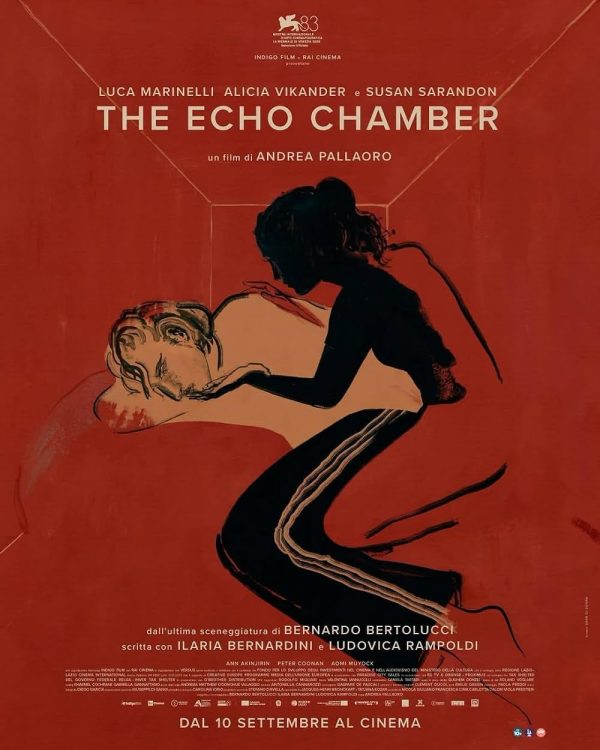
In the landscape of contemporary international cinema, few posthumous projects carry the heavyweight pedigree—and the attendant high expectations—of The Echo Chamber. Directed by Andrea Pallaoro and slated for a 2026 release, the film boasts a formidable cast featuring Luca Marinelli, Alicia Vikander, and Susan Sarandon, alongside Ann Akinjirin, Peter Coonan, Antonia Fotaras, and Aomi Muyock. At its core, the project’s gravitational pull stems from a singular, tantalizing literary artifact: its foundational screenplay was penned by the late, legendary Italian master Bernardo Bertolucci, later refined and reworked by screenwriters Ilaria Bernardini and Ludovica Rampoldi.
The official synopsis promises a transcendent, deeply psychological love story where the boundaries between presence and absence, care and dependence, desire and control gradually blur until they completely dissolve. Yet, the reality of the finished film proves to be a stark paradox. Despite its stellar cast and the legendary blueprint left behind by the director of Last Tango in Paris and The Conformist, The Echo Chamber stumbles under the weight of its own solemnity. It is a work that tests the limits of slow cinema, suffering from a punishing pace, a lack of narrative logic, and a meandering thematic focus.
This deep-dive investigation explores the anatomy of The Echo Chamber, analyzing how a production anchored by some of the most celebrated talents in modern cinema ultimately devolves into a confounding, tedious exploration of toxic dependency and artistic decline. Through a detailed examination of its narrative choices, stylistic missteps, and the invisible hand of its legendary writer, we unpack why Pallaoro’s latest feature struggles to transcend its cliché-ridden blandness.
Detailed Chronology & Narrative Breakdown
The Opening Act: A Masterclass in Stasis
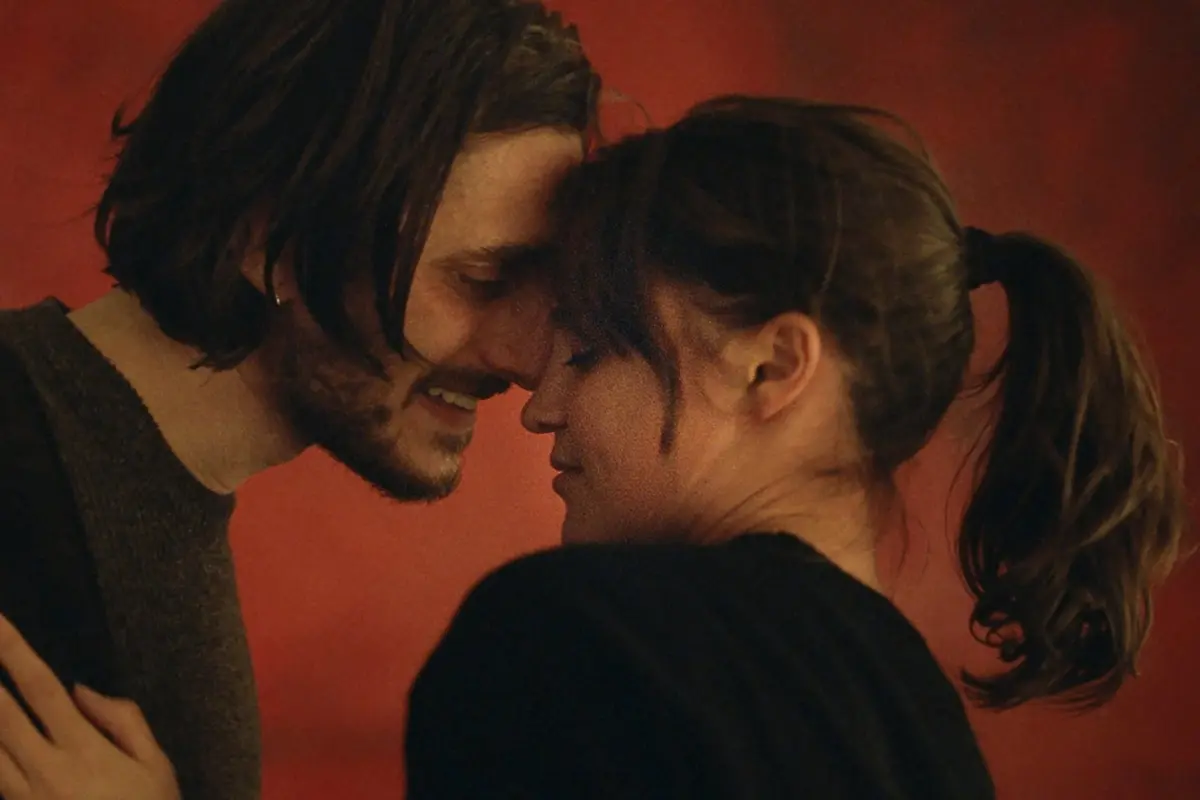
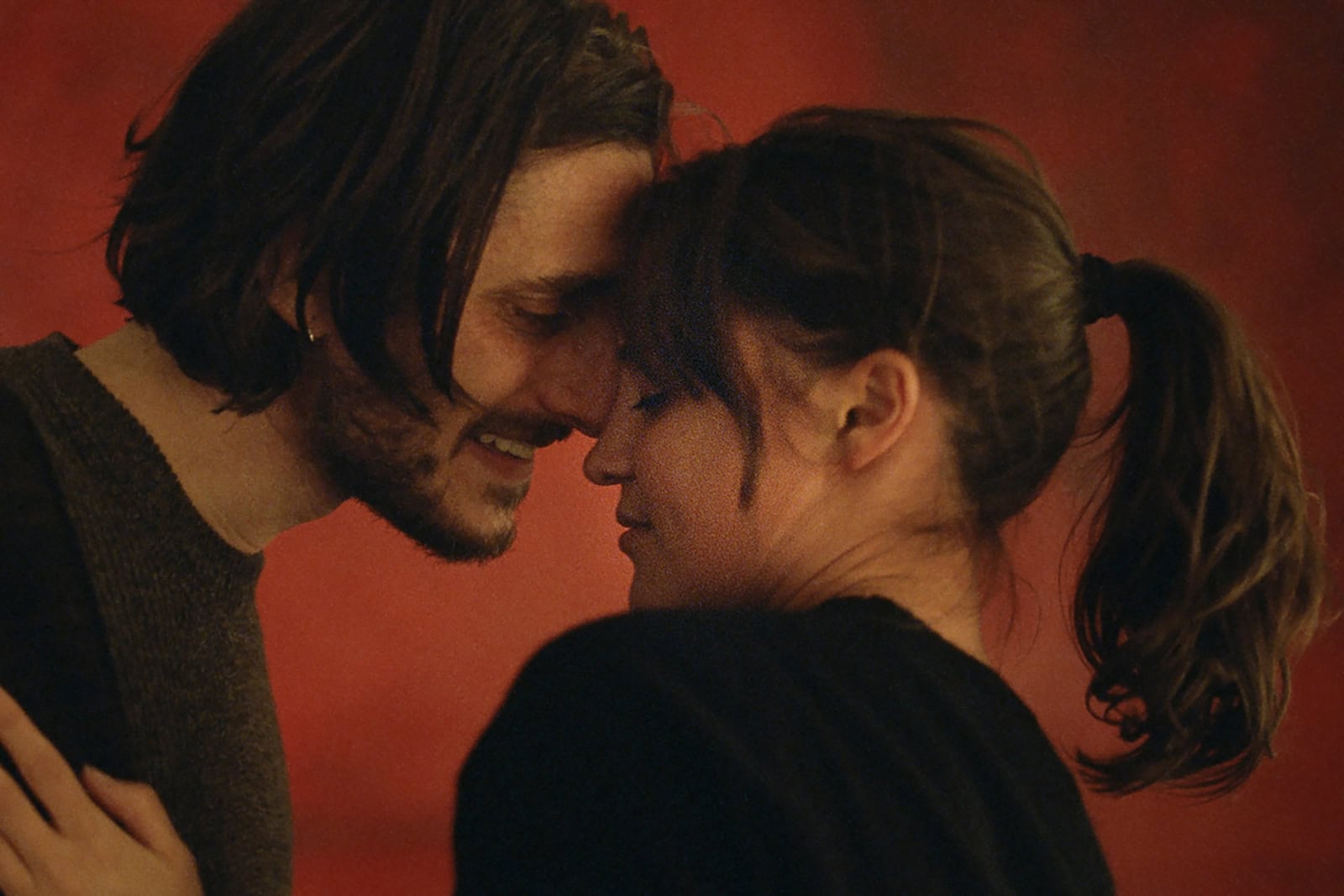
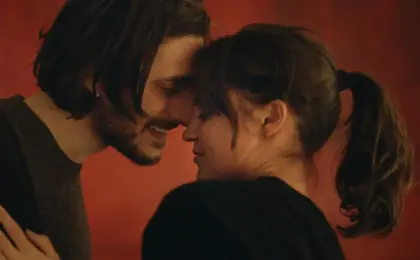
From its opening frames, The Echo Chamber establishes a rhythm that can generously be described as glacial, and less generously as aggressively tedious. The film introduces its audience to Leo (Luca Marinelli), an attractive music producer grappling with profound physical and emotional pain, and Anne (Alicia Vikander), a visiting nurse assigned to his care.
In the tradition of European art-house cinema, pacing is frequently leveraged as a tool for immersion, forcing the viewer to inhabit the stagnation and interiority of the characters. However, Pallaoro pushes this aesthetic gambit to its breaking point. To the bewilderment of audiences and critics alike, the film’s official title card is withheld for upwards of twenty minutes—a stretch of screen time during which virtually nothing of narrative consequence occurs.
Instead of building atmospheric tension or establishing meaningful character dynamics, this protracted preamble relies on superficial beats. The romantic spark between Leo and Anne lacks thermodynamic heat or psychological logic; it hinges almost entirely on the convenience of proximity and the undeniable visual appeal of its leads. The initiation of their romance is reduced to the melodramatic novelty of Anne administering pain medication, a dynamic that attempts to manufacture sexual and emotional tension through the mechanics of clinical care rather than earned character development.
The Middle Ground: The Introduction of Subplot and Song
As the narrative slowly grinds forward, Pallaoro attempts to flesh out Leo’s hermetic world by introducing a constellation of supporting characters, including various relatives and a newborn nephew. Unfortunately, these narrative threads are handled with a curious indifference. None of these secondary players are meaningfully woven into the fabric of the story; they drift in and out of frames like ghosts in an empty house, failing to impact the central dynamic between nurse and patient.
Simultaneously, the film introduces Susan Sarandon as an over-the-hill, reclusive singer-songwriter whom Leo has desperately coaxed out of retirement to record one last album. This subplot offers brief flickers of cinematic life, largely due to Sarandon’s commanding presence and the inclusion of decent, blues-tinged musical numbers performed by the actress herself. Yet, even this creative partnership feels hollow, functioning primarily as a narrative device to remind the audience that Leo is, theoretically, a man of artistic import, rather than an organic exploration of aging, legacy, and creative burnout.
As Anne’s obsession with Leo deepens into an uncompromising insistence on never leaving his side—no matter how volatile the circumstances become—the film settles into a predictable, highly generic trajectory tracking an artist’s descent into drug addiction and codependency.
The Final Act: Confounding Departures
If the first hour of The Echo Chamber suffers from a lack of momentum, its final twenty minutes suffer from the opposite affliction: a sudden, erratic swerve into the confounding and the inexplicable. Without adequate narrative scaffolding, the film executes a series of tonal and plotting shifts that leave viewers questioning the fundamental direction of the story.
The narrative logic disintegrates as Anne’s unwavering devotion is tested by bizarre screenwriting choices. Rather than deepening our understanding of her psychological complicity in Leo’s substance abuse, these concluding sequences undercut the emotional investments made earlier in the film. Even Luca Marinelli, who delivers a physically committed and otherwise fine performance throughout, struggles to sell the abrupt psychological hairpin turns mandated by the script.
The film culminates in a finale that is undeniably bold—particularly in the unflinching commitment shown by Alicia Vikander in its closing scene. Yet, this audacity feels unearned. Because the film has previously failed to handle its core themes of toxic love and enabling behavior with psychological precision, the final sequence registers less as a provocative masterstroke and more as a desperate bid for transgressive shock value. Capping it all off with bizarre editorial choices—such as a nearby rock band’s jukebox music bleeding into scenes with jarring anachronism—The Echo Chamber closes not with a resonant chord, but with a discordant screech.
Supporting Context & Metrics
To fully understand the artistic trajectory of The Echo Chamber, one must examine the unique pedigree behind its creation. The project’s existence is inextricably linked to the legacy of Bernardo Bertolucci, whose final screenplay serves as the cinematic DNA for Pallaoro’s film.
| Production Metric / Detail | Description / Data Point |
|---|---|
| Director | Andrea Pallaoro |
| Foundational Writer | Bernardo Bertolucci (Posthumous Screenplay) |
| Adaptation / Screenplay Revisions | Ilaria Bernardini and Ludovica Rampoldi |
| Lead Cast | Luca Marinelli, Alicia Vikander, Susan Sarandon |
| Supporting Cast | Ann Akinjirin, Peter Coonan, Antonia Fotaras, Aomi Muyock |
| Thematic Focus | Codependency, Addiction, Artistic Decline, Toxic Caregiving |
| Primary Critique Points | Punishing pacing, withholding narrative logic, underutilized supporting cast |
| Critical Consensus | Competently acted and visually polished, but ultimately flattened by cliché and narrative stasis |
The involvement of Bertolucci casts a long, complicated shadow over the production. Known for his unflinching explorations of human sexuality, power dynamics, and psychological entrapment (The Last Emperor, The Dreamers), Bertolucci’s written word inherently carries expectations of intellectual rigor and visceral provocation. When adapted by contemporary screenwriters Bernardini and Rampoldi and filtered through Pallaoro’s austere lens, however, the text appears to have lost its vitality.
Critics and industry analysts have pointed out a stark disconnect between the high-caliber talent assembled in front of and behind the camera and the resulting generic output. It raises a persistent question in contemporary film culture: Can the posthumous notes and scripts of cinematic legends be faithfully translated by modern filmmakers, or do they risk becoming expensive exercises in imitation, devoid of the original creator’s ineffable voice? In the case of The Echo Chamber, the star power of Vikander, Marinelli, and Sarandon feels less like a natural casting choice and more like a testament to the irresistible pull of the Bertolucci brand name.
Official Statements & Industry Perspectives
While major studio press releases and promotional rollouts for The Echo Chamber have emphasized the historic nature of Bertolucci’s final cinematic contribution, early critical reception has forced a more sobering conversation among film critics and industry insiders.
Director Andrea Pallaoro has previously defended his methodical approach to narrative and space, characterizing his directorial style as an invitation for audiences to meditate on the unspoken emotional architecture between characters. In early festival previews, Pallaoro noted that The Echo Chamber was designed to explore "the terrifying spaces where human beings lose their autonomy in the name of love and caregiving."
However, industry reviewers have been quick to highlight the chasm between this lofty artistic intent and the execution on screen. Robert Kojder, writing for Flickering Myth, captured the prevailing critical sentiment with brutal clarity:
"There isn’t much heat or logic in director Andrea Pallaoro’s romantic drama… which is everything from painfully dull at times to nonsensical, given it’s about a visiting nurse who kind of simply falls for her patient because he is an attractive music producer."
Furthermore, critics have targeted the film’s inability to balance its thriller-adjacent themes of addiction and manipulation with its high-minded art-house pacing. While performances by the principal cast have been universally acknowledged as competent—and Susan Sarandon’s musical interludes noted as a welcome, if isolated, bright spot—the consensus remains that the film’s structural flaws outweigh its individual components. As industry analysts observe, no amount of committed physical acting from Luca Marinelli or bold choices from Alicia Vikander can salvage a screenplay that ultimately collapses under the weight of its own convoluted third act.
Future Outlook
As The Echo Chamber prepares for its broader commercial rollout and festival circuit journey in 2026, its trajectory serves as a fascinating case study in post-production expectations versus critical reality.
- Box Office and Streaming Prospects: Given the international recognition of its principal cast—specifically Academy Award winner Alicia Vikander and screen icon Susan Sarandon—the film will undoubtedly secure prominent distribution deals across major streaming platforms and art-house theatrical circuits. However, word-of-mouth may prove challenging given the polarizing nature of its glacial pacing and jarring narrative shifts.
- The Bertolucci Legacy Debate: The film’s release will inevitably spark ongoing academic and critical discussions regarding the ethics and artistic viability of adapting unfinished or late-career works by deceased masters. The Echo Chamber will likely be cited in film studies classrooms as a cautionary tale of how authorial intent can be diluted across multiple hands.
- Pallaoro’s Career Trajectory: For Andrea Pallaoro, this project represents a significant test of his ability to command international prestige casts. While The Echo Chamber stumbles in its narrative cohesion, the film nonetheless demonstrates Pallaoro’s unwavering commitment to uncompromising, austere aesthetics—a trait that will continue to attract niche, high-art audiences regardless of mainstream reception.
Ultimately, The Echo Chamber remains a monument to unfulfilled potential. It stands as a reminder that cinematic greatness cannot be manufactured solely through the convergence of legendary source material, high-profile casting, and solemn pacing. Instead, it leaves audiences wandering through its titular chamber, searching in vain for a genuine echo of the master craftsman who started it all.







Belum ada komentar. Jadilah yang pertama berkomentar!